
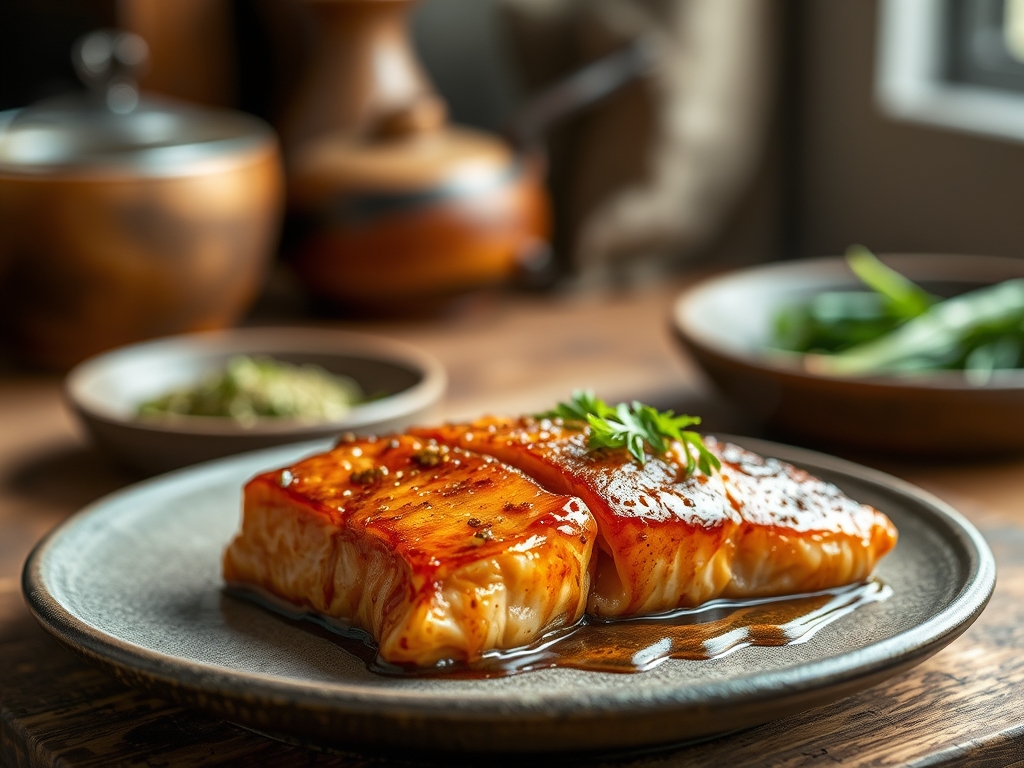
Imagine the sound of a heavy-bottomed skillet hitting the burner; a sharp, metallic ring that signals the start of something transformative. You are standing in your kitchen, microplane in hand, ready to turn a simple fillet into a masterpiece of lacquer and light. When searching for the ultimate hoisin salmon recipes, most home cooks settle for a basic brush-on glaze. We are not doing that today. We are diving deep into the chemistry of fermentation and the magic of high-heat caramelization. We are talking about a crust so glossy it reflects the light, and a center so buttery it practically sighs under your fork. This is about more than dinner; it is about mastering the precise intersection of salt, sugar, and smoke.
The secret to why hoisin salmon recipes dominate the weeknight rotation is the complex profile of the sauce itself. Hoisin is a fermented soybean paste fortified with five-spice powder, garlic, and vinegar. It acts as both a marinade and a glaze, providing a thick, viscous barrier that protects the delicate proteins of the fish while injecting a deep, piquant punch. By the time we are finished, you will understand how to manipulate these sugars to achieve a perfect sear without scorching the aromatics. Let us get your mise-en-place ready.
The Gathers:
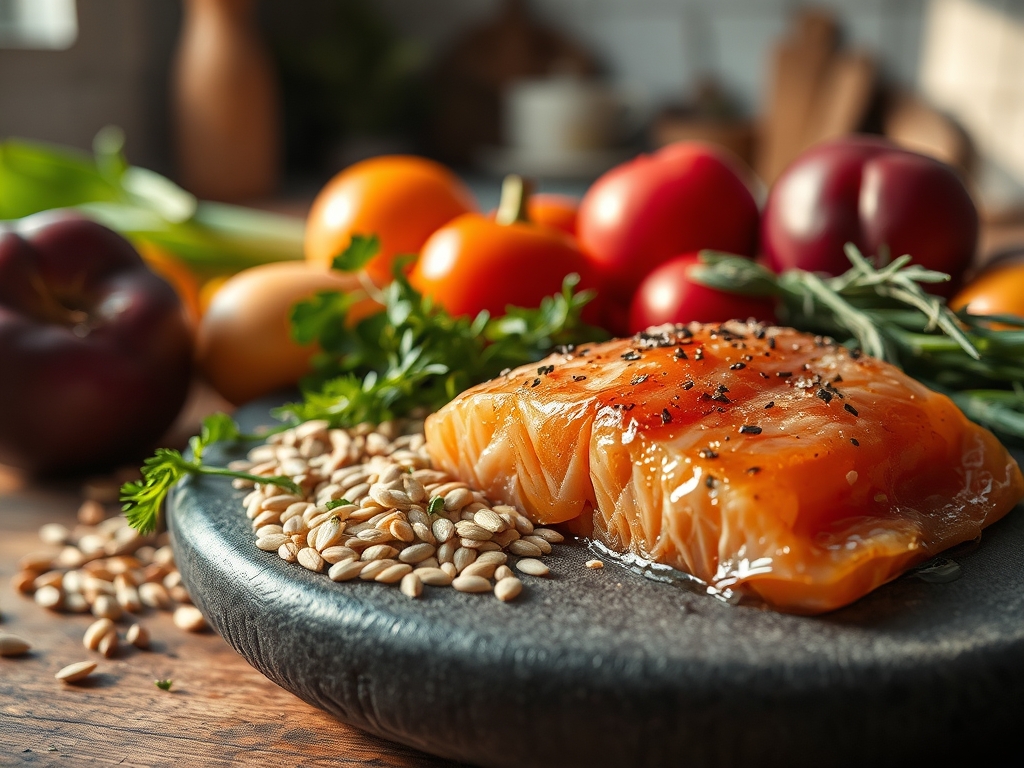
To achieve professional results, your ingredients must be at their peak chemical potential. Start with center-cut Atlantic or King salmon fillets. You want uniform thickness so the thermal energy distributes evenly. Your hoisin should be a high-quality brand where the first ingredient is fermented soybeans, not corn syrup. Grab your ginger and garlic; we will use a microplane to create a fine paste, increasing the surface area for maximum flavor infusion.
The Essential Lineup:
- Salmon Fillets: 6-ounce portions, skin-on for structural integrity.
- Hoisin Sauce: The base of our glaze; rich in amino acids.
- Rice Vinegar: To provide the necessary acidity to cut through the fatty acids of the fish.
- Toasted Sesame Oil: For an aromatic lipid layer.
- Fresh Ginger and Garlic: Our piquant aromatics.
- Sriracha or Sambal Oelek: To balance the sweetness with capsaicin.
Smart Substitutions:
If you are avoiding soy, a thick coconut aminos reduction can mimic the depth of hoisin. For those looking to swap the fish, firm tofu or thick-cut cauliflower steaks respond beautifully to this glaze, though you will need to adjust your cook times to account for the different density and water content of the plant-based proteins.
The Clock
The "Chef's Flow" is all about timing. Total active time is a brisk 10 minutes, with a 12-minute cook cycle. However, the real secret is the 15-minute room temperature rest before the fish ever touches the pan. This prevents "thermal shock," where the cold muscle fibers contract violently against the heat, squeezing out moisture and leaving you with a dry result. Plan for 40 minutes from start to finish to allow for the marinade to penetrate the surface layers of the protein.
The Masterclass
1. The Emulsification
In a small saucier, whisk together your hoisin, vinegar, sesame oil, and grated aromatics. You want to create a stable emulsion where the oil is suspended perfectly within the water-based sauce.
Pro Tip: This step utilizes surface tension reduction. By whisking vigorously, you break the oil into tiny droplets that the thick hoisin paste traps, ensuring the glaze coats the fish smoothly rather than sliding off in a greasy mess.
2. The Surface Prep
Pat your salmon bone-dry with paper towels. Use a bench scraper to clear your workspace of any moisture. Moisture is the enemy of the Maillard reaction. If the surface is wet, the fish will steam instead of sear.
Pro Tip: This is the evaporative cooling principle. If there is water on the skin, the temperature cannot rise above 212 degrees Fahrenheit until that water is gone. Dry skin allows the temperature to spike quickly to the 300 degree range required for browning.
3. The Cold Start Marination
Brush a thin layer of the glaze over the flesh side of the salmon. Let it sit at room temperature for 15 minutes. Do not over-marinate; the acid in the vinegar will begin to denature the proteins, turning the texture mushy if left too long.
Pro Tip: This is osmotic diffusion. The salt in the hoisin draws a tiny bit of moisture out, dissolves, and then is reabsorbed into the meat, seasoning the fish beneath the surface.
4. The Searing Phase
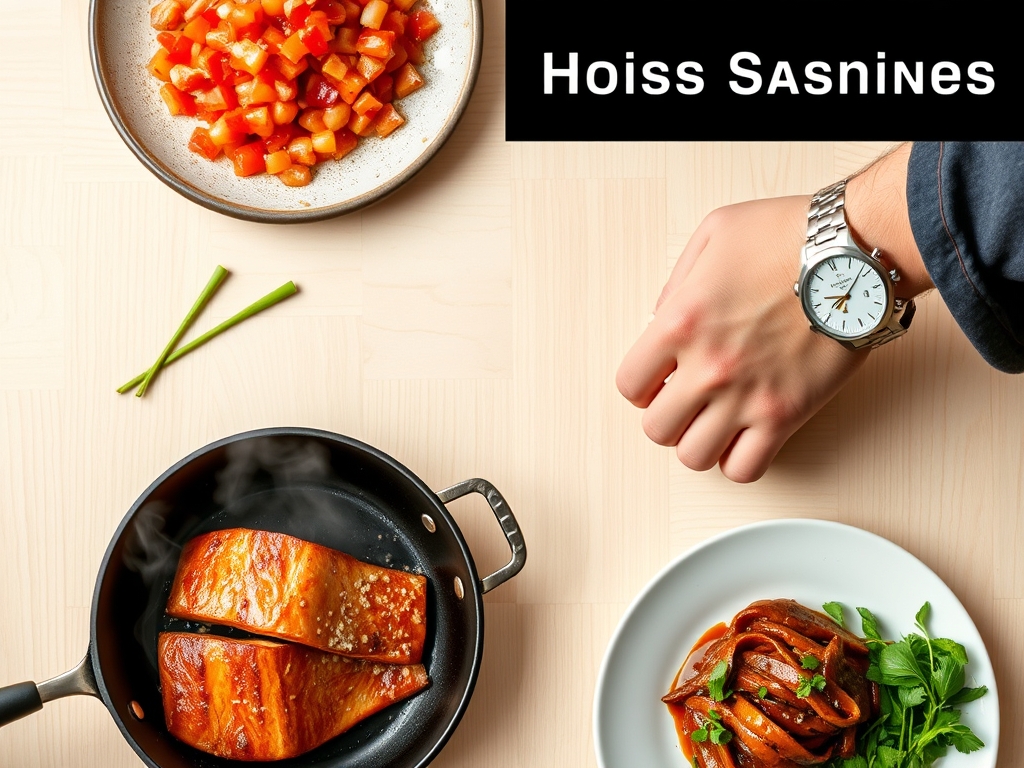
Heat a heavy-bottomed skillet over medium-high heat. Add a high-smoke-point oil. Place the salmon skin-side down. Use tongs to press the fillets firmly against the pan for the first 30 seconds to prevent the skin from curling.
Pro Tip: Pressing the fish ensures conductive heat transfer. It keeps the entire surface of the skin in contact with the hot metal, leading to a perfectly even, crispy texture.
5. The Glaze Application
Once the salmon is 70 percent cooked through, flip it gently. Now, spoon a generous amount of the remaining glaze over the crispy skin. The heat from the pan will cause the sugars in the hoisin to bubble and reduce into a thick lacquer.
Pro Tip: This triggers caramelization and the Maillard reaction simultaneously. The sugars break down into complex nutty flavors while the amino acids in the soy and fish create savory depth.
6. The Thermal Carryover
Remove the salmon from the pan when the internal temperature hits 125 degrees Fahrenheit on a digital thermometer. Move it to a warm plate and let it rest for three minutes.
Pro Tip: Thermal carryover will continue to cook the fish. The internal temperature will rise to a perfect 130 to 135 degrees while resting. Skipping this step results in all the juices running out the moment you take a bite.
The Deep Dive
Macro Nutrition:
A standard serving of hoisin salmon provides approximately 34g of high-quality protein and 15g of healthy fats, primarily Omega-3 fatty acids. The glaze adds roughly 8g of carbohydrates, depending on the sugar content of your specific hoisin brand.
Dietary Swaps:
- Keto: Use a sugar-free hoisin alternative made with monk fruit and liquid aminos.
- Gluten-Free: Ensure your hoisin is labeled GF, as many traditional brands use wheat flour as a thickener.
- Vegan: Use the same glaze on "slabs" of king oyster mushrooms for a similar meaty texture.
The Fix-It:
- Burnt Glaze: If the sauce darkens too fast, deglaze the pan with a splash of water or sake to lower the temperature instantly.
- Stuck Skin: You likely tried to flip too early. The fish will naturally "release" from the pan once the proteins have sufficiently coagulated and the skin is crisp.
- Albumin (White Stuff): If white beads appear on the salmon, you cooked it too fast or too long. This is just protein being squeezed out. It is safe to eat but indicates the heat was a bit too aggressive.
Meal Prep Science:
To reheat without drying, use the "Low and Slow" method. Place the salmon in an oven at 275 degrees with a teaspoon of water and cover with foil. This creates a small steam chamber that rehydrates the protein fibers without overcooking the center.
The Wrap-Up
You have officially graduated from a basic cook to a salmon scientist. By understanding how to manage moisture, control thermal carryover, and respect the delicate sugars in the hoisin, you have unlocked a level of flavor most restaurants struggle to hit. The next time you browse hoisin salmon recipes, you will see the hidden physics behind every step. Now, grab those chopsticks, garnish with a flurry of scallions and toasted sesame seeds, and enjoy the most sophisticated meal in your repertoire.
The Kitchen Table
How do I get the skin extra crispy?
Ensure the skin is bone-dry and the pan is preheated until the oil shimmers. Use a weighted press or your tongs to keep the skin in full contact with the skillet for the first minute of cooking.
Can I bake this instead of pan-searing?
Yes. Roast at 400 degrees Fahrenheit for 10 to 12 minutes. However, you will lose the specific texture of the pan-seared skin. For the best of both worlds, sear the skin first, then finish in the oven.
What is the best way to store leftovers?
Store in an airtight glass container for up to two days. To maintain the glaze integrity, keep the extra sauce in a separate small ramekin and apply fresh before reheating to prevent the fish from getting soggy.
Is it okay if the salmon is pink in the middle?
Absolutely. For high-quality salmon, a medium-rare to medium center (130 degrees Fahrenheit) provides the best buttery texture. Overcooking salmon past 145 degrees leads to a chalky, dry mouthfeel that obscures the delicate hoisin flavors.