
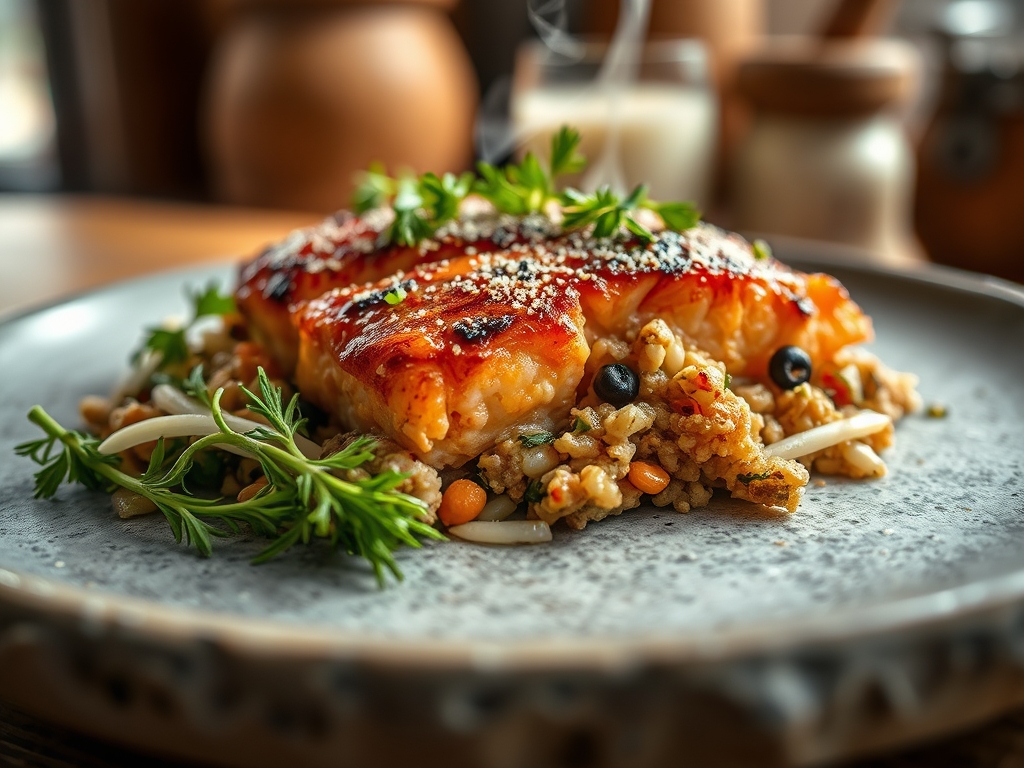
Imagine the sizzle of a heavy bottomed skillet meeting cold, pink protein; the sound is a sharp, percussive snap that signals the start of something incredible. We are moving past the era of the dry, flaky fillet and entering the golden age of ground salmon recipes. It is the ultimate kitchen chameleon, offering the fatty richness of a prime cut with the versatile, quick cooking utility of a weeknight staple. Think of it as the sophisticated cousin to your standard burger meat, packed with omega 3 fatty acids and a buttery mouthfeel that melts into any flavor profile you throw at it. Whether you are craving a piquant Thai patty or a Mediterranean bowl, this ingredient is your ticket to a high protein masterpiece. It is efficient, it is sustainable, and frankly, it is the smartest way to upgrade your dinner rotation without spending an hour at the stove. Let us dive into the molecular magic that makes this ground protein a total game changer for your culinary repertoire.
The Gathers:
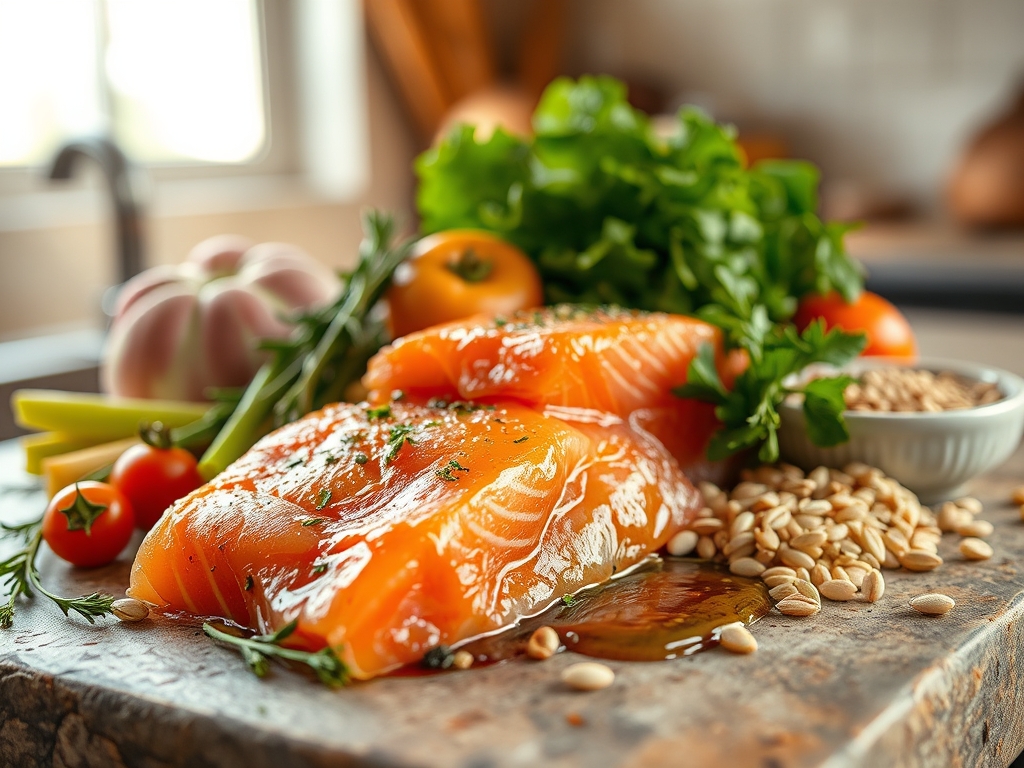
To master these ground salmon recipes, your mise en place must be precise. Start with one pound of high quality ground salmon; look for a mix of belly and tail meat to ensure a balanced fat content. You will need a binder to maintain structural integrity. While traditional recipes use breadcrumbs, I prefer panko for its ability to aerate the mixture, preventing a dense, rubbery texture.
Gather your aromatics: freshly grated ginger, minced garlic, and shallots. Use a microplane for the ginger to break down the fibrous cellulose, releasing the essential oils for a more potent infusion. For the liquid elements, have soy sauce or tamari, a splash of toasted sesame oil, and fresh lime juice ready. The acidity is crucial; it acts as a chemical foil to the rich lipids in the fish.
Smart Substitutions: If you are navigating dietary restrictions, swap panko for almond flour to keep it keto friendly. For a vegan binder in a different context, flax eggs work, but here, a tablespoon of Greek yogurt can add moisture and a slight tang while helping the proteins bind. Always use a digital scale to portion your patties; consistency in mass ensures consistency in thermal conduction.
The Clock:
Efficiency in the kitchen is all about the Chef's Flow. This is the art of overlapping tasks to minimize downtime. Your total active prep time is a brisk 15 minutes, with a cook time of approximately 8 to 10 minutes depending on your heat source.
- The Chill (10 minutes): After mixing, the salmon needs a brief stint in the refrigerator. This allows the proteins to cross link and the binders to hydrate, ensuring the patties do not disintegrate upon contact with the heat.
- The Sear (4 minutes per side): We are looking for a rapid Maillard reaction on the exterior while keeping the interior succulent.
- The Rest (2 minutes): Never skip this. Resting allows the internal juices to redistribute.
The Masterclass:
1. The Gentle Fold
Place your ground salmon in a chilled glass bowl. Add your aromatics and binder. Use a bench scraper or a stiff spatula to fold the ingredients together. Do not overwork the meat. Over mixing leads to protein extraction, which results in a tough, sausage like texture rather than a tender crumble.
Pro Tip: Keeping the salmon cold is a matter of emulsification science. If the fat warms up too much before cooking, it will "break" and leak out of the patty, leaving you with a dry finished product.
2. Portioning and Compression
Divide the mixture into equal portions using your digital scale. Lightly oil your hands to prevent sticking. Shape them into discs about one inch thick. Create a slight indentation in the center with your thumb.
Pro Tip: This indentation accounts for thermal expansion. As the proteins heat and contract, the center of the patty tends to bulge; the dimple ensures a perfectly flat surface for even topping distribution.
3. The High Heat Sear
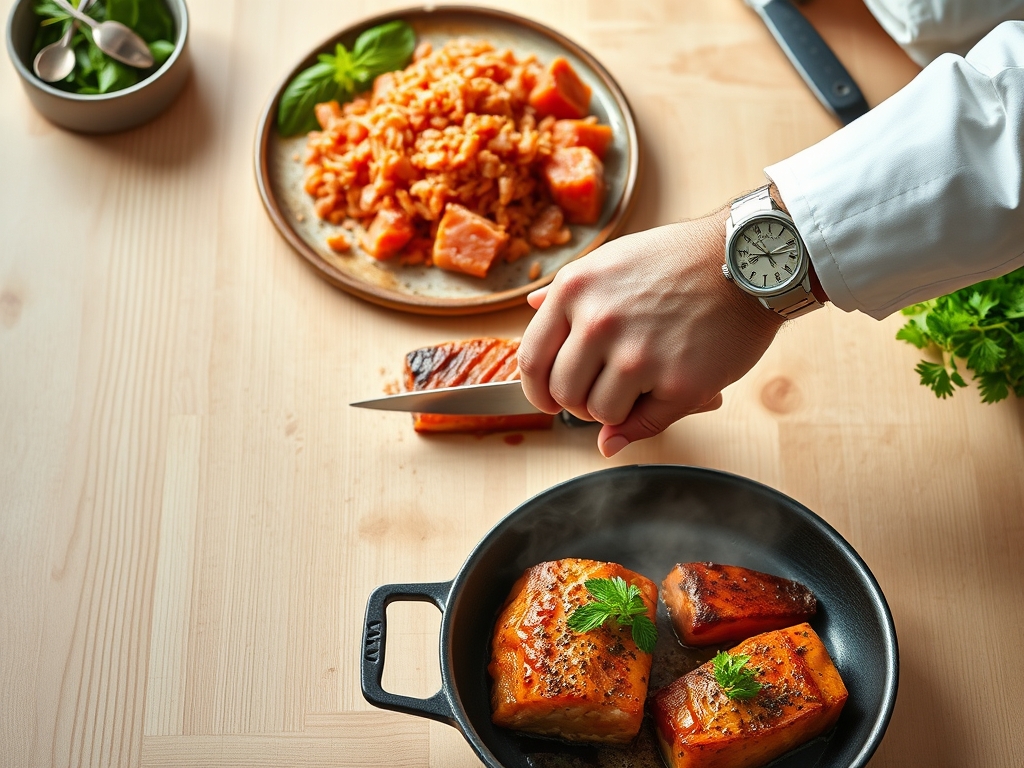
Heat a heavy bottomed skillet (cast iron is king here) over medium high heat. Add a high smoke point oil like avocado oil. Once the oil shimmers, use tongs to carefully place the patties in the pan.
Pro Tip: This is where enzymatic browning occurs. The amino acids and reducing sugars react to create hundreds of different flavor compounds. Do not move the patties for at least three minutes to allow a solid crust to form.
4. Deglazing for Depth
Once the patties are flipped, you can add a splash of mirin or chicken stock to the pan. Use the liquid to lift the fond (those tasty brown bits) from the bottom of the skillet.
Pro Tip: This process, known as deglazing, incorporates the concentrated flavors back into the meat, creating a self basting environment that boosts the umami profile.
5. Monitoring Internal Temperature
Use an instant read thermometer to check the center of the largest patty. You are aiming for 145 degrees Fahrenheit, but you should pull them at 140 degrees.
Pro Tip: This accounts for thermal carryover. Even after removing the heat source, the internal temperature will continue to rise by 5 degrees, ensuring the fish stays moist rather than overcooked.
The Deep Dive:
Ground salmon is a nutritional powerhouse. A 4 ounce serving typically contains 20 grams of protein and is rich in Vitamin B12 and Selenium. Because it uses the whole fish, you are getting a higher concentration of healthy fats compared to leaner white fish.
Dietary Swaps:
- Keto: Replace all grains with crushed pork rinds or almond meal.
- Gluten Free: Use certified GF panko or cooked quinoa as a binder.
- Vegan: While this recipe focuses on salmon, the same flavor profile can be applied to mashed chickpeas, though the protein structure will differ significantly.
The Fix It:
- Patties Falling Apart: Your mixture is too wet. Add a tablespoon of coconut flour; it is highly hygroscopic and will absorb excess moisture instantly.
- Acrid Taste: You likely burnt the garlic. Always mince garlic finely so it integrates into the meat rather than sitting on the surface where it hits the direct heat of the pan.
- Dry Texture: You overcooked it. Next time, add a tablespoon of grated frozen butter to the raw mixture. As it melts during cooking, it bastes the meat from the inside out.
Meal Prep Science:
To reheat without that "fishy" oxidation, avoid the microwave. Use a saucier or small pan with a teaspoon of water and a lid. The steam gently rehydrates the proteins without reaching the high temperatures that cause fat oxidation and off flavors.
The Wrap-Up:
Mastering ground salmon recipes is about more than just a quick meal; it is about understanding how to manipulate texture and temperature to create gourmet results with humble ingredients. By focusing on the sear, respecting the rest period, and using the right tools like a microplane and cast iron, you transform simple protein into a culinary event. Go forth, get that skillet screaming hot, and enjoy the most flavorful, nutrient dense dinner of your week!
The Kitchen Table:
Can I freeze ground salmon patties?
Yes, you can freeze them. Place parchment paper between each patty to prevent sticking and store in a vacuum sealed bag. This prevents ice sublimation, commonly known as freezer burn, preserving the cellular structure of the fish for up to three months.
What is the best way to tell if ground salmon is fresh?
Fresh ground salmon should have a mild, oceanic scent and a vibrant pink or coral color. Avoid any meat that appears grey or has a viscous coating, as these are indicators of bacterial growth and protein degradation.
Why do my salmon burgers stick to the pan?
Sticking usually occurs because the pan was not hot enough or you tried to flip them too early. Wait for the Maillard reaction to naturally release the proteins from the metal surface; if it resists, it is not ready.
Can I make ground salmon in a food processor?
Absolutely. Pulse cold salmon cubes with the "S" blade until just ground. Do not over process, or you will create a paste. Aim for a coarse, pebbly texture to maintain a pleasant mouthfeel in your ground salmon recipes.