
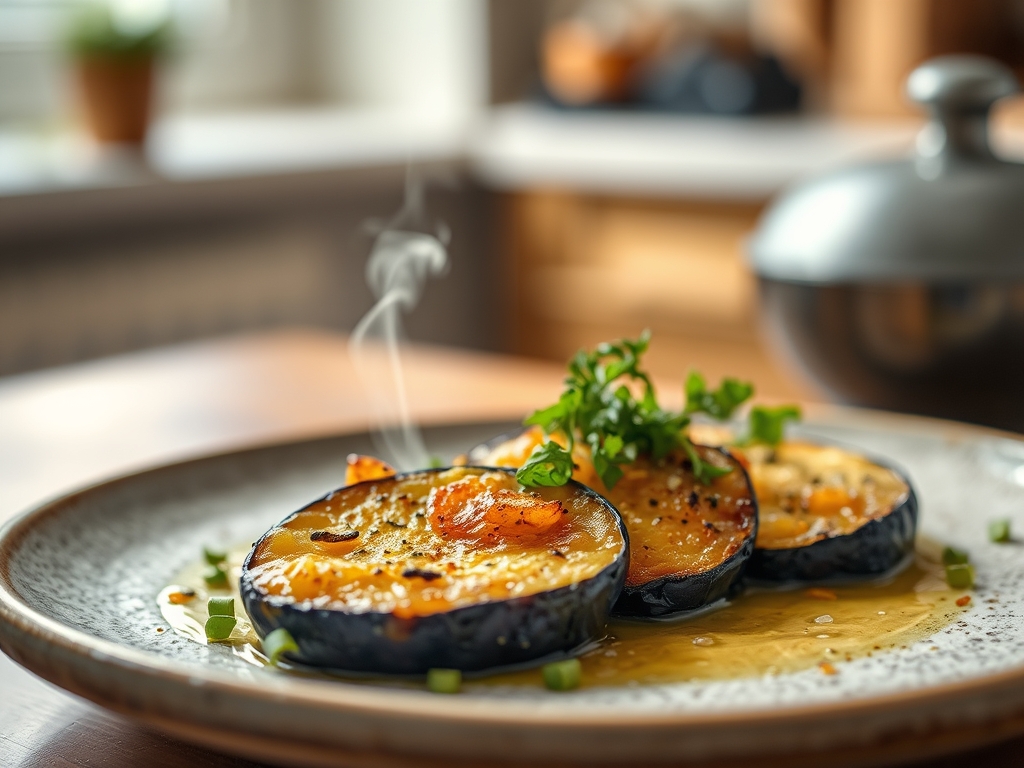
Imagine slicing into a dusty, indigo-skinned tuber and discovering a shock of electric violet that looks more like a gemstone than a root vegetable. That is the initial magic of working with blue potato recipes; they turn a standard Tuesday night dinner into a high-definition culinary event. These potatoes are not just a gimmick for the eyes. They possess a dense, nutty profile and a creamier texture than their pale cousins. Whether you are aiming for a show-stopping mash or a crisp, obsidian-hued fry, mastering the chemistry of these pigments is the secret to a vibrant table.
The secret to success lies in understanding the anthocyanins. These are the same antioxidants found in blueberries, and they react to pH levels and heat in fascinating ways. If you have ever seen a purple potato turn a dull, muddy grey, you have witnessed a chemical shift that we are going to prevent today. We are diving deep into the molecular structure of these tubers to ensure your blue potato recipes stay as bright as the day they were harvested. Grab your apron; we are about to turn your kitchen into a delicious laboratory.
The Gathers:
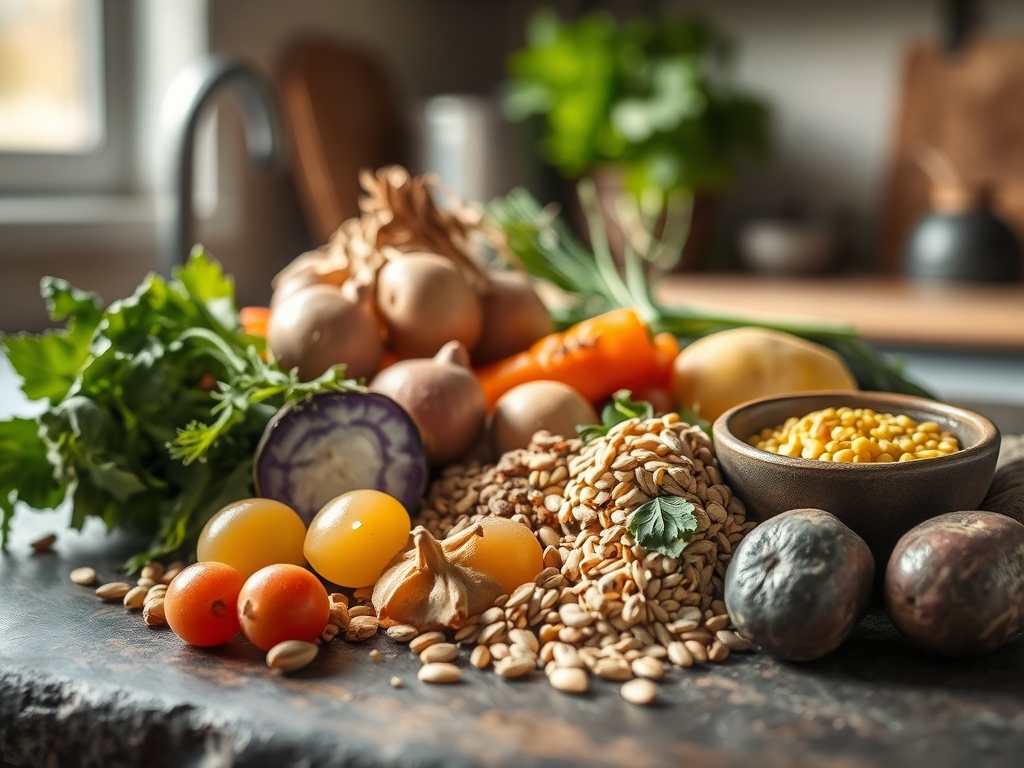
To execute these blue potato recipes with precision, your mise-en-place must be organized by density and moisture content. Start with two pounds of Vitelotte or Adirondack Blue potatoes. These varieties are prized for their high starch content and deep pigmentation. You will also need high-quality fats to carry the flavor; think grass-fed butter or a cold-pressed avocado oil with a high smoke point.
For the aromatic base, gather fresh sprigs of rosemary and thyme, which contain volatile oils that infuse beautifully into the potato starch during roasting. You will need an acid, such as lemon juice or white balsamic vinegar, to stabilize the purple hues. Finally, keep a bowl of ice water nearby to shock the tubers after blanching; this halts the enzymatic process and preserves that vivid interior.
Smart Substitutions: If you cannot find true blue potatoes, Okinawan sweet potatoes are a fantastic swap, though they are much denser and require a longer cook time. For a dairy-free version, replace butter with a viscous cashew cream to maintain that luxurious mouthfeel without masking the potato's natural nuttiness.
The Clock:
Efficiency in the kitchen is all about the "Chef's Flow." This is the art of overlapping tasks so that no minute is wasted. For these blue potato recipes, expect a total commitment of 45 minutes. Your active prep time is roughly 15 minutes, focusing on precision knife work. The remaining 30 minutes are dedicated to the thermal transformation in the oven or on the stovetop.
The flow begins with the "Pre-Heat and Prep." While your heavy-bottomed skillet or oven reaches temperature, you are scrubbing and slicing. The "Active Cook" phase follows, where you manage the Maillard reaction to get that golden-brown crust without losing the purple core. Finally, the "Rest and Temper" phase allows the internal steam to redistribute, ensuring the center is fluffy rather than waxy.
The Masterclass:
1. The Precision Slice
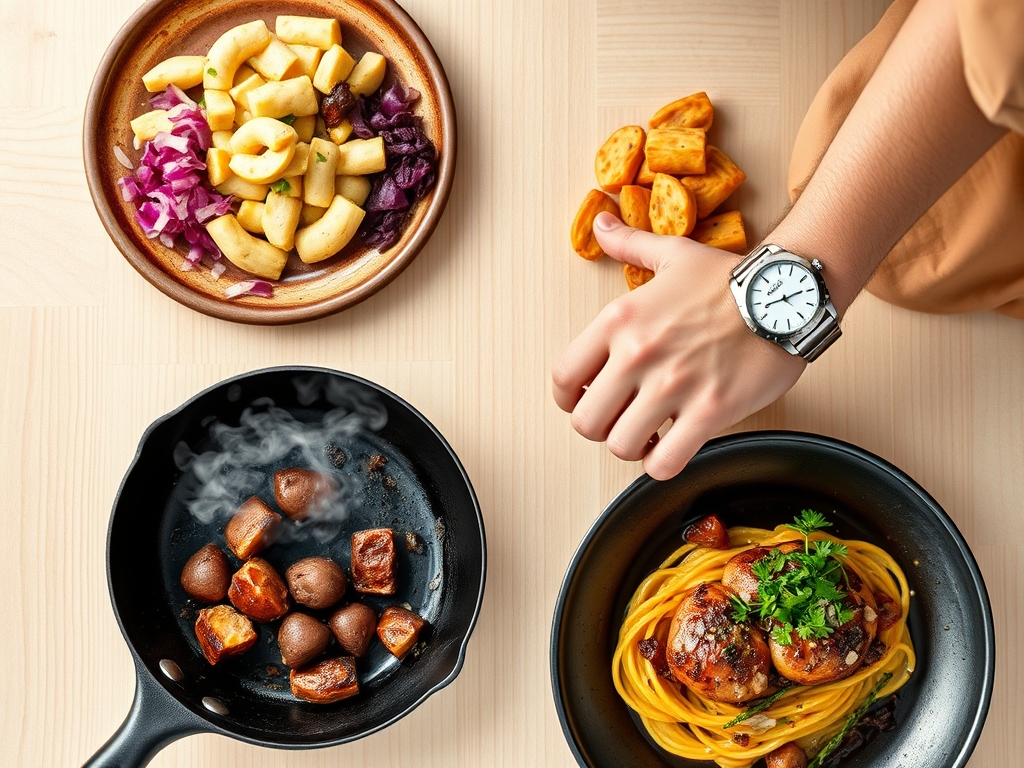
Using a sharp chef knife or a mandoline, slice your potatoes into uniform rounds or wedges. Uniformity is not just for aesthetics; it ensures that every piece reaches the same internal temperature at the same time. Note the texture in the step-by-step photos below; the edges should be clean and sharp.
Pro Tip: This prevents enzymatic browning. When the cells are ruptured, an enzyme called polyphenol oxidase reacts with oxygen. By keeping your slices in acidified water (water with a splash of lemon), you inhibit this reaction and keep the colors bright.
2. The Acidulated Blanch
Drop your slices into boiling water that has been heavily salted and spiked with a teaspoon of cream of tartar or vinegar. Blanch for only three to five minutes until the edges are slightly translucent but the center still has a "snap."
Pro Tip: This is about pH stabilization. Anthocyanins are pH-sensitive. An acidic environment reinforces the red and purple tones, while an alkaline environment (like plain tap water in some regions) can turn them teal or green.
3. The Surface Dehydration
After draining, spread the potatoes on a baking sheet and pat them dry with lint-free towels. Use a bench scraper to move them around without breaking the delicate edges. The surface must be bone-dry before it hits the fat.
Pro Tip: This facilitates the evaporative cooling process. If the surface is wet, the potato will steam rather than crisp. Removing surface moisture allows the temperature to rise quickly above 212 degrees Fahrenheit, triggering the crunch we crave.
4. The Searing Phase
Heat your heavy-bottomed skillet with a thin layer of oil. Place the potatoes in a single layer, ensuring they do not touch. Crowding the pan drops the temperature and leads to a soggy result. Use tongs to flip them only once they release easily from the pan.
Pro Tip: This utilizes conductive heat transfer. The direct contact with the hot metal creates a micro-crust that seals in the moisture, preventing the interior from becoming dry or mealy.
5. The Aromatic Infusion
In the final two minutes of cooking, add your butter and fresh herbs to the pan. Use a large spoon to baste the foaming butter over the potatoes. This is where the piquant scent of the herbs truly enters the starch.
Pro Tip: This is known as fat-soluble flavor extraction. The essential oils in rosemary are more soluble in fats than in water. The butter acts as a vehicle, carrying those woodsy notes deep into the potato's pores.
The Deep Dive:
Blue potatoes are nutritional powerhouses compared to standard white varieties. They are packed with potassium and have a significantly higher antioxidant count due to those deep pigments. On a macro level, they provide complex carbohydrates that offer sustained energy release rather than a quick glucose spike.
For those with dietary restrictions, these blue potato recipes are naturally gluten-free. For a Keto-friendly adjustment, serve smaller portions alongside high-protein, high-fat components like ribeye or salmon to balance the net carb count. If you are going Vegan, use a high-quality olive oil and finish with a sprinkle of nutritional yeast for a "cheesy" umami kick.
The Fix-It:
- The Fade: If your potatoes look grey, toss them in a teaspoon of lemon juice immediately. The acid will often "reset" the purple hue.
- The Mush: If they are falling apart, you over-blanched. Turn them into a "Smashed Blue Potato" dish by crisping them in extra oil to create a structural crust.
- The Stick: If they are stuck to the pan, do not force them. Wait another 60 seconds. The starch will naturally release once the crust is fully formed.
Meal Prep: To reheat blue potatoes while maintaining "day-one" quality, avoid the microwave. The microwave agitates water molecules and makes the starch gummy. Instead, use a toaster oven or an air fryer at 350 degrees Fahrenheit for five minutes to re-crisp the exterior.
The Wrap-Up:
Bringing blue potato recipes into your kitchen is about more than just a color pop; it is about embracing a unique texture and a sophisticated flavor profile. By understanding the chemistry of anthocyanins and the physics of heat transfer, you can turn a simple tuber into a gourmet side dish that sparks conversation. Remember to keep your acids handy, your pans hot, and your slices uniform. Now, go forth and paint your dinner table with the vibrant, nutty goodness of the blue potato!
The Kitchen Table:
Why do my blue potatoes turn green when cooked?
This happens because of an alkaline environment. Tap water can be basic, shifting the pH of the anthocyanin pigments. Add a splash of vinegar or lemon juice to the cooking water to keep the purple vibrant and prevent the green shift.
Are blue potatoes healthier than regular white potatoes?
Yes, they contain significantly more antioxidants, specifically anthocyanins. These compounds help fight inflammation and oxidative stress. They also have a slightly lower glycemic index, meaning they do not spike your blood sugar as rapidly as starchy Russets do.
Can I use blue potatoes for mashed potatoes?
Absolutely. Blue potatoes make a stunning, creamy mash. Because they are slightly denser, use a saucier to warm your cream and butter before folding them in. This ensures a smooth, aerated texture without overworking the starch into a gluey mess.
Do I need to peel blue potatoes before cooking?
It is not necessary. The skins are very thin and contain a large portion of the potato's nutrients. Just ensure you scrub them thoroughly with a vegetable brush to remove any grit before slicing or boiling for your recipes.