
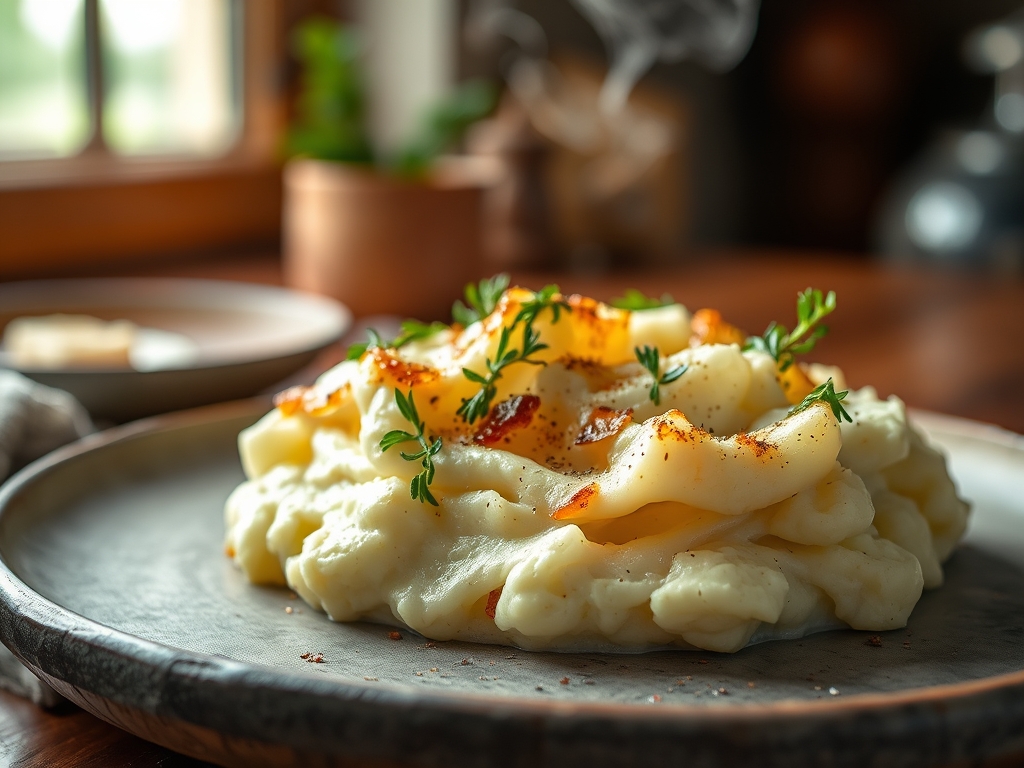
Imagine the steam rising from a bowl of velvet clouds; it is the ultimate comfort. You are tired and the pantry is bare, but you have that one reliable box of dehydrated flakes. Transforming boxed mashed potato recipes into a five star side dish is not just a convenience; it is a culinary flex that relies on chemistry rather than a garden plot.
The secret lies in the rehydration process. When you treat those dehydrated granules with the same respect you would give a fresh Yukon Gold, the results are indistinguishable from scratch. We are talking about manipulating starch molecules and maximizing fat emulsification to create a texture that is silky, rich, and deeply savory. It is time to stop settling for "good enough" and start aiming for "how did you make these?"
The Gathers:
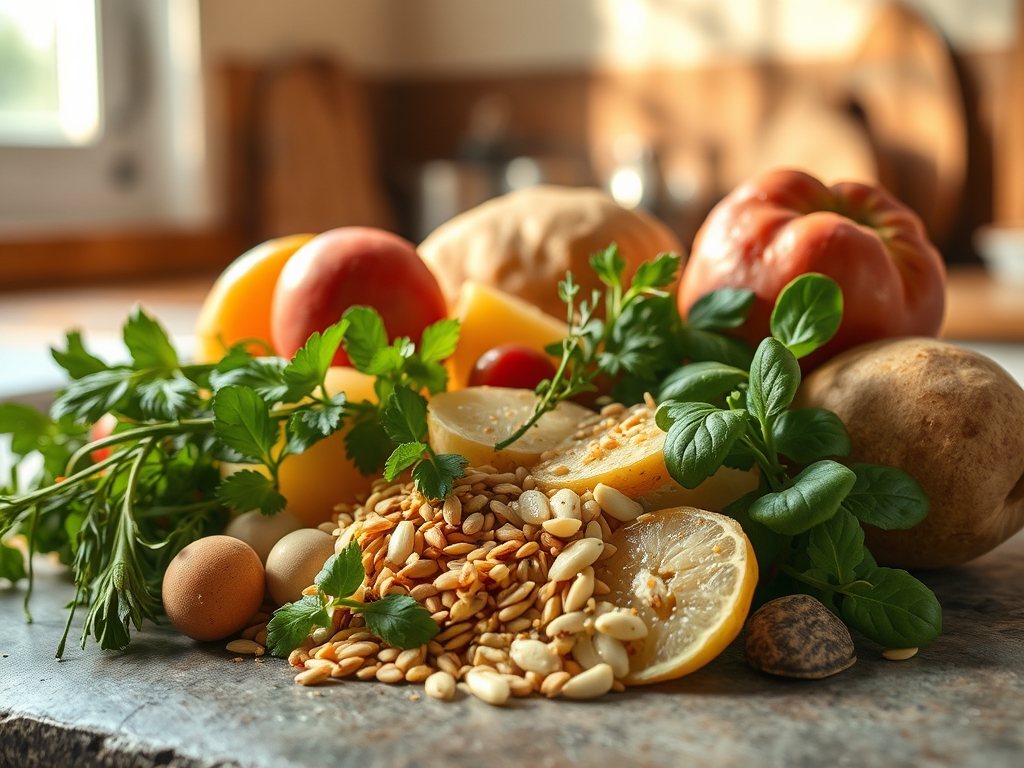
To begin our transformation, we need to assemble a mise en place that focuses on lipid density and aromatic infusion. Gather your heavy bottomed saucier; this tool is essential because its curved sides prevent starch from scorching in the corners. You will need high quality unsalted butter, whole milk or heavy cream, and a collection of "Smart Substitutions" to elevate the base profile.
Consider the viscous nature of your liquids. Instead of plain water, reach for a concentrated chicken bone broth or a vegetable fumet to add immediate depth. For the fats, cultured butter offers a piquant tang that mimics the natural acidity of fresh tubers. If you are looking for an umami bomb, keep a jar of white miso or a bulb of roasted garlic nearby. Using a microplane, you can zest fresh nutmeg or grate hard cheeses like Pecorino Romano directly into the mix. This ensures the particles are fine enough to melt instantly without creating a grainy texture.
The Clock:
Efficiency is the soul of the kitchen. The "Chef's Flow" for these upgrades requires exactly fifteen minutes. You will spend five minutes on the "infusion phase," where you heat your liquids and aromatics together. This allows the volatile oils in herbs or spices to infuse the liquid before it ever touches the potato flakes.
The remaining ten minutes are dedicated to the "emulsification phase" and resting. Unlike fresh potatoes, which require extensive boiling and peeling, boxed versions are a race against thermal loss. By timing your additions perfectly, you maintain a consistent temperature of 160 degrees Fahrenheit. This is the sweet spot where fats remain fluid enough to coat every starch granule without breaking into a greasy mess.
The Masterclass:
1. The Liquid Infusion
Start by heating your broth and cream in your saucier over medium heat. Do not let it reach a rolling boil; you want a gentle simmer to prevent the proteins in the dairy from denaturing too aggressively. Toss in a sprig of rosemary or a smashed garlic clove.
Pro Tip: This step utilizes solubility science. Many flavor compounds are fat soluble, meaning they release more effectively into the cream than they would into the dry flakes later.
2. The Fat Integration
Before adding the flakes, whisk in cold, cubed butter one piece at a time. This technique, known as mounting with butter, creates a stable emulsion. The cold fat incorporates slowly, surrounding the water molecules to create a luscious mouthfeel.
Pro Tip: This prevents syneresis, which is the leaking of liquid from a gel. By stabilizing the emulsion early, your potatoes will stay creamy even as they cool.
3. The Gentle Fold
Pour your potato flakes into the liquid and use a silicone spatula to fold them in. Do not use a whisk at this stage. You want to hydrate the starch without overworking it, which can lead to a gluey consistency.
Pro Tip: Overworking potatoes releases excess amylopectin. This starch molecule is incredibly sticky; folding preserves the individual granule structure for a fluffier result.
4. The Aeration Step
Once the liquid is absorbed, let the potatoes sit covered for two minutes. Then, use a fork or a specialized potato masher to lightly aerate the mixture. This introduces tiny air pockets that lighten the density of the dish.
Pro Tip: This resting period allows for thermal equilibrium. It ensures the center of every flake is fully hydrated, preventing that "gritty" boxed texture.
5. The Umami Finish
Fold in your final flavor boosters. This could be a dollop of sour cream, a squeeze of lemon juice, or a handful of chives. Use your digital scale if you are following a specific ratio to ensure the seasoning is perfectly balanced.
Pro Tip: Adding acidity at the end provides a "bright" finish. It cuts through the heavy lipids and resets the palate, making the dish feel lighter than it actually is.
The Deep Dive:
When we look at the macro nutrition of boxed mashed potato recipes, they are primarily a source of complex carbohydrates. However, by adding bone broth and high quality fats, we increase the protein and healthy lipid content. For those with dietary restrictions, the swaps are simple. Use coconut cream and nutritional yeast for a vegan version that maintains that savory "cheesy" profile. For a lower carb "keto style" stretch, mix the prepared potatoes 50/50 with steamed, riced cauliflower.
"The Fix-It" guide for common pitfalls:
- The Glue Factor: If they become gummy, you have overworked the starch. Fix it by folding in a little more hot liquid and a tablespoon of melted butter to "loosen" the bonds.
- The Salt Bomb: If you over-salted, add a teaspoon of sugar or a splash of heavy cream to neutralize the intensity.
- The Gritty Texture: This means the liquid wasn't hot enough. Place the pot over a low flame, add two tablespoons of milk, and cover tightly for three minutes to steam the granules into submission.
For meal prep, reheating is a science. Never use the microwave on high power; it ruptures the starch cells. Instead, place the potatoes in a small pot with a splash of milk. Heat on low while stirring constantly to re-emulsify the fats. This restores that "day-one" velvet quality.
The Wrap-Up:
You are now officially a wizard of the pantry. By applying these professional techniques to boxed mashed potato recipes, you have turned a humble staple into a centerpiece. Remember that cooking is just delicious chemistry; when you control the temperature and the fats, you control the experience. Go forth, grab your saucier, and make something incredible!
The Kitchen Table:
How do I make boxed potatoes taste like real ones?
The secret is replacing water with high quality chicken stock and adding a tablespoon of heavy cream. Infusing the liquid with fresh garlic or herbs before adding the flakes mimics the depth of slow cooked, fresh tubers.
Can I make these ahead of time?
Yes. Store them in an airtight container with a thin layer of melted butter on top to prevent a skin from forming. Reheat gently on the stovetop with a splash of milk to maintain the original creamy emulsion.
What is the best tool for mixing boxed potatoes?
Avoid electric mixers. Use a silicone spatula for the initial fold to prevent the starch from becoming gummy. Finish with a fork or a hand masher to incorporate air for a light, fluffy texture.
Why are my boxed potatoes always watery?
This usually happens from inaccurate measuring. Use a digital scale for the flakes and a glass measuring cup at eye level for liquids. If they are too thin, add a tablespoon of instant flakes to absorb the excess.