
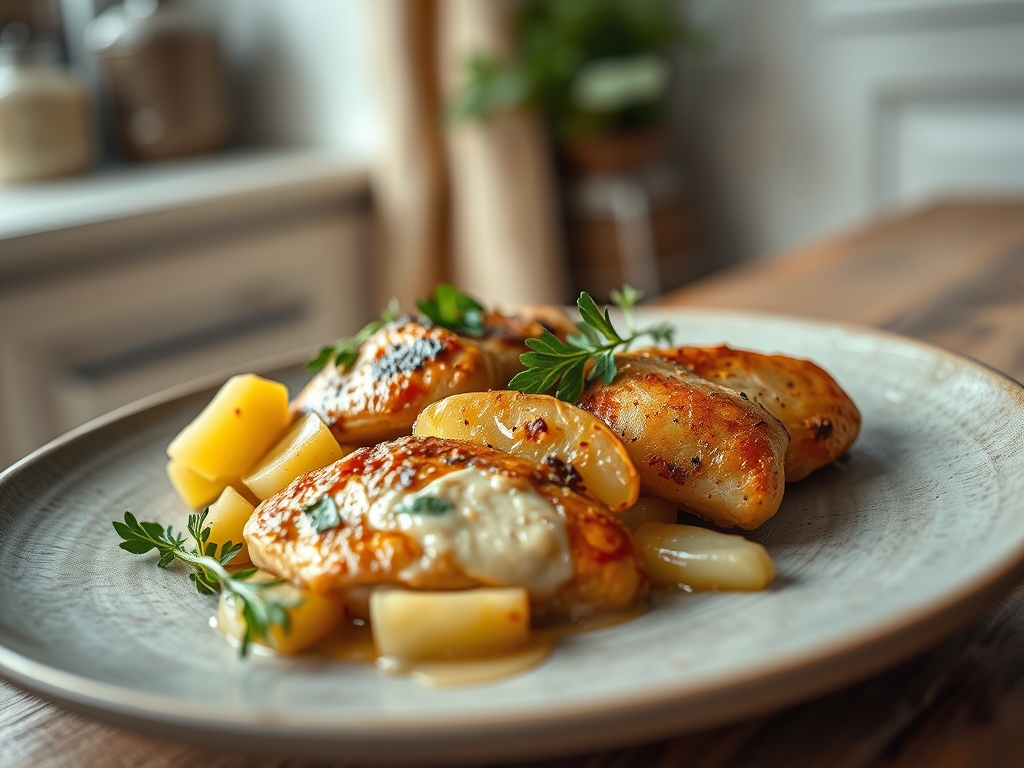
Picture the scent of rosemary-infused steam rising from a heavy-bottomed skillet while the Maillard reaction works its magic on a golden-brown chicken thigh. There is a deep, primal comfort in the combination of lean protein and complex carbohydrates. If you have been searching for healthy chicken and potato recipes that actually taste like a five-star bistro meal, you are in the right place. We are moving beyond the bland, boiled textures of the past to embrace high-heat roasting, aromatic infusions, and smart emulsification. This is about fueling your body without sacrificing the piquant, savory joy of a perfectly executed dinner.
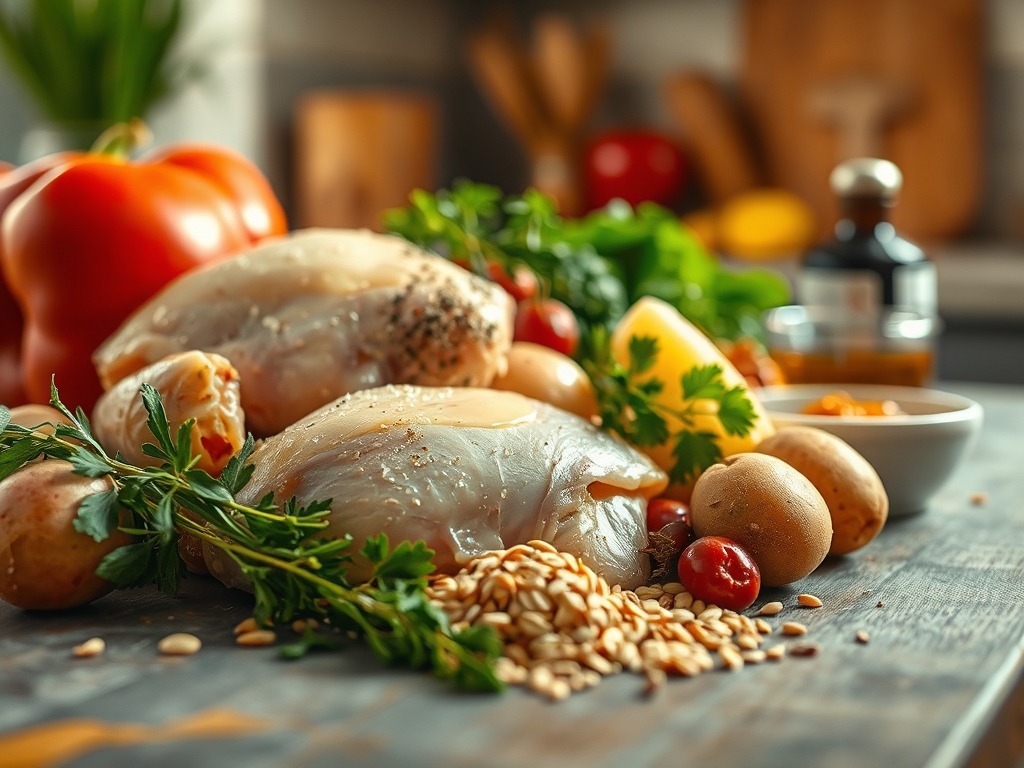
The Gathers:
Setting up your mise-en-place is the difference between a frantic kitchen and a culinary flow state. For these healthy chicken and potato recipes, you will need high-quality poultry and waxy potato varieties like Yukon Gold or Red Bliss. These cultivars contain less starch than Russets; this means they hold their structural integrity during high-moisture cooking.
Gather your aromatics: fresh cloves of garlic, sprigs of woody thyme, and bright lemons. Use a microplane to zest the citrus without hitting the bitter white pith. You will also need a high-smoke-point fat like avocado oil or clarified butter (ghee). Unlike extra virgin olive oil, these fats can withstand the 425 degree Fahrenheit temperatures required to render chicken skin until it is shatter-crisp.
Smart Substitutions:
If you are watching your glycemic index, swap half the potatoes for celery root or parsnips. To reduce saturated fat while maintaining a viscous sauce, use a splash of starchy potato water and a teaspoon of cold butter to create a mounting (monter au beurre) effect rather than heavy cream. Always use a digital scale for your protein portions to ensure nutritional accuracy.
The Clock
Efficiency in the kitchen is all about the "Chef's Flow." Total active preparation for most of these healthy chicken and potato recipes sits at twenty minutes, with a total cook time of forty-five minutes.
The secret is parallel processing. While your oven preheats, use a sharp chef's knife or a bench scraper to organize your chopped vegetables. Start the chicken in a cold pan if you are using skin-on thighs; this allows the fat to render slowly as the pan heats up. By the time the chicken is ready to flip, your potatoes should be tossed in oil and ready to join the party. This synchronized timing ensures that the chicken reaches its safe internal temperature of 165 degrees Fahrenheit exactly when the potatoes achieve a fluffy, translucent interior.
The Masterclass
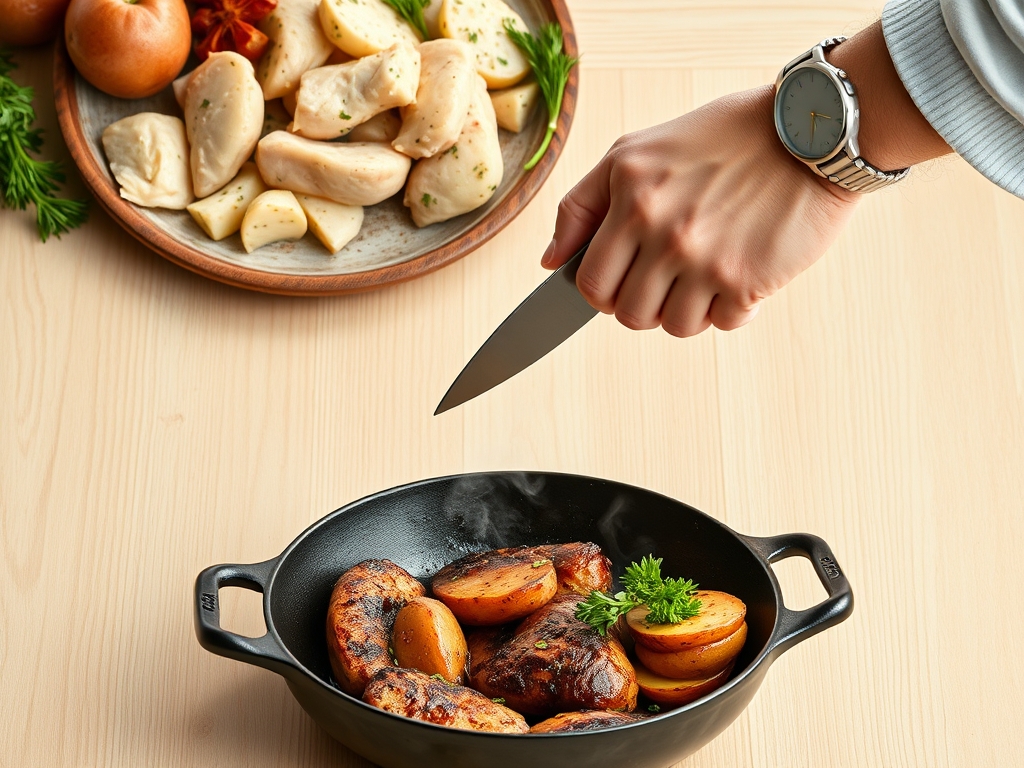
1. The Sear and Render
Place your seasoned chicken skin-side down in a heavy-bottomed skillet. Do not crowd the pan, as this creates steam and prevents browning. Use tongs to press the meat firmly against the hot surface to maximize contact.
Pro Tip: This stage relies on the Maillard reaction, a chemical reaction between amino acids and reducing sugars that creates hundreds of different flavor compounds. If the meat resists when you try to flip it, the reaction is not complete; wait for the protein to naturally release from the metal.
2. The Deglaze and Infuse
Once the chicken is browned, remove it and add your halved potatoes to the rendered fat. Add a splash of dry white wine or chicken stock to deglaze the pan, using a wooden spoon to scrape up the "fond" (the brown bits stuck to the bottom).
Pro Tip: Deglazing is a form of solvent extraction. The liquid dissolves the concentrated flavors on the pan surface, creating a base for a rich, savory jus that coats the potatoes as they roast.
3. The Roast and Convection
Transfer the skillet to the oven. If you are making a sheet-pan version of these healthy chicken and potato recipes, ensure the potatoes are cut into uniform one-inch cubes to guarantee even heat distribution.
Pro Tip: Use the middle rack to allow for convection currents to move air around the food. This prevents the bottom of the potatoes from becoming soggy while the tops dry out.
4. The Rest and Carryover
Remove the pan when a meat thermometer reads 160 degrees Fahrenheit. Transfer the chicken to a warm plate and tent it loosely with foil for five minutes.
Pro Tip: This accounts for thermal carryover. The internal temperature will continue to rise by five degrees while resting. This also allows the muscle fibers to relax and reabsorb juices, ensuring the meat is not dry.
The Deep Dive
When we look at the macro nutrition of these healthy chicken and potato recipes, we see a balanced profile. A standard serving provides roughly thirty-five grams of protein, thirty grams of complex carbohydrates, and twelve grams of healthy fats. Potatoes are a secret weapon for athletes because they are rich in potassium, which helps prevent muscle cramping.
Dietary Swaps:
For a Keto-friendly version, replace the potatoes with roasted cauliflower or radishes, which lose their peppery bite and become mellow when roasted. For a Vegan alternative, use chickpeas or firm tofu pressed with a saucier weight, though the cooking times will decrease. All these recipes are naturally Gluten-Free as long as you use a pure starch or reduction to thicken your sauces.
The Fix-It:
- Soggy Potatoes: This usually happens due to overcrowding. Use two sheet pans instead of one to allow moisture to evaporate.
- Dry Chicken Breast: If using breasts instead of thighs, reduce the oven time by ten minutes. Breasts lack the intramuscular fat of thighs and overcook rapidly.
- Burnt Garlic: Add minced garlic during the last ten minutes of roasting. Garlic has a high sugar content and will turn bitter if exposed to high heat for too long.
Meal Prep Science:
To maintain "day-one" quality, store the chicken and potatoes in airtight glass containers. When reheating, add a teaspoon of water and cover the dish. This creates a small steam chamber that prevents the starches from undergoing retrogradation, which is what makes leftover potatoes feel gritty or hard.
The Wrap-Up
Mastering healthy chicken and potato recipes is like learning the secret language of the kitchen. Once you understand how to balance the acidity of a lemon with the savory depth of rendered chicken fat, you can cook anything. These meals are not just about "clean eating"; they are about using professional techniques to make simple ingredients taste extraordinary. Grab your favorite skillet, turn up the heat, and enjoy the process of creating something truly nourishing.
The Kitchen Table
Can I use frozen chicken for these recipes?
Yes, but you must thaw it completely in the refrigerator first. Excess moisture from frozen poultry prevents the Maillard reaction, leading to grey, rubbery meat rather than a crisp, golden-brown crust. Always pat the meat dry before seasoning.
What is the best potato for roasting?
Yukon Gold potatoes are the gold standard. They possess a medium starch content that creates a creamy, buttery interior while the exterior crispness holds up against the chicken juices. They provide a superior mouthfeel compared to floury Russets.
How do I keep chicken breast moist?
Use a brine (salt and water solution) for thirty minutes before cooking. This changes the protein structure, allowing the cells to hold more moisture. Also, always use a digital thermometer to pull the meat at exactly 160 degrees.
Can I make these recipes in one pan?
Absolutely. Sheet-pan meals are efficient, but ensure you do not crowd the ingredients. Airflow is essential for roasting. If the pan is too full, the ingredients will steam in their own moisture rather than browning effectively.