
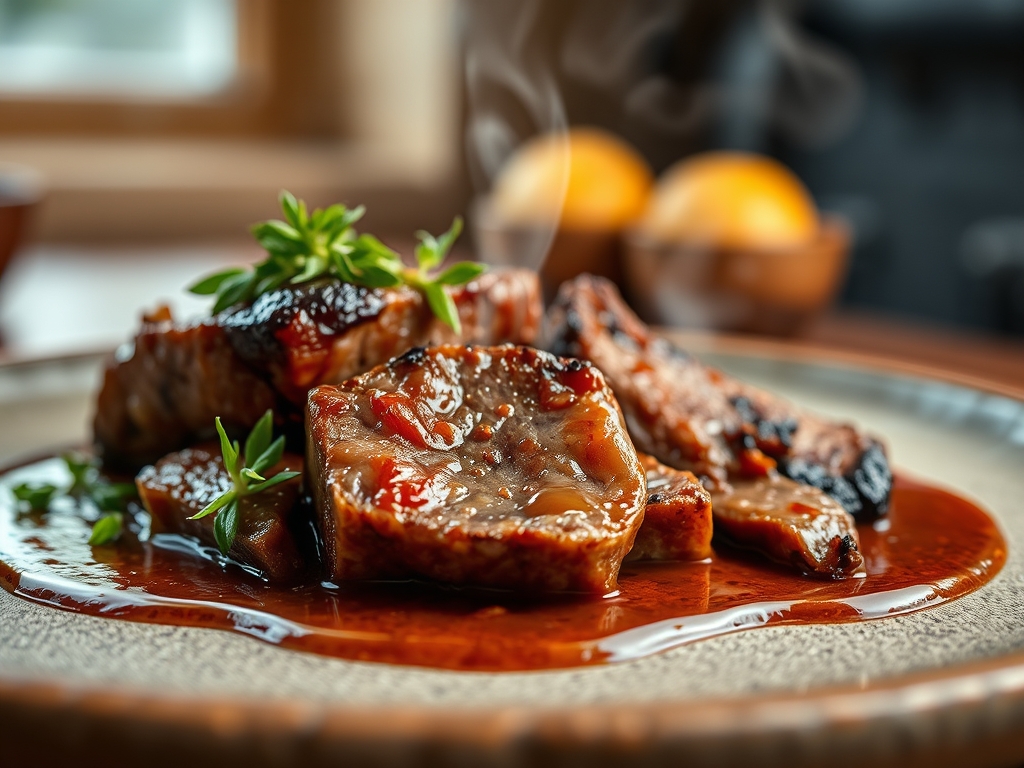
Imagine the hiss of a heavy-bottomed skillet meeting a dry-aged ribeye; the sound is a chemical symphony. You are not just making dinner; you are orchestrating a masterpiece of flavor. When we talk about beef recipes with sauce, we are discussing the delicate balance between protein structure and liquid velvet. It is the difference between a dry Tuesday night meal and a restaurant-quality experience that lingers on the palate.
The secret to a truly transformative sauce lies in the pan drippings. Those caramelized bits of protein, known technically as fond, are the foundation of everything we are about to build. By understanding the molecular interactions of fats and aromatics, you can turn a simple steak into a vehicle for culinary genius. We are going to dive deep into the mechanics of emulsification and the magic of reduction. Grab your favorite apron and a glass of bold red; we are about to elevate your kitchen game from home cook to executive chef.
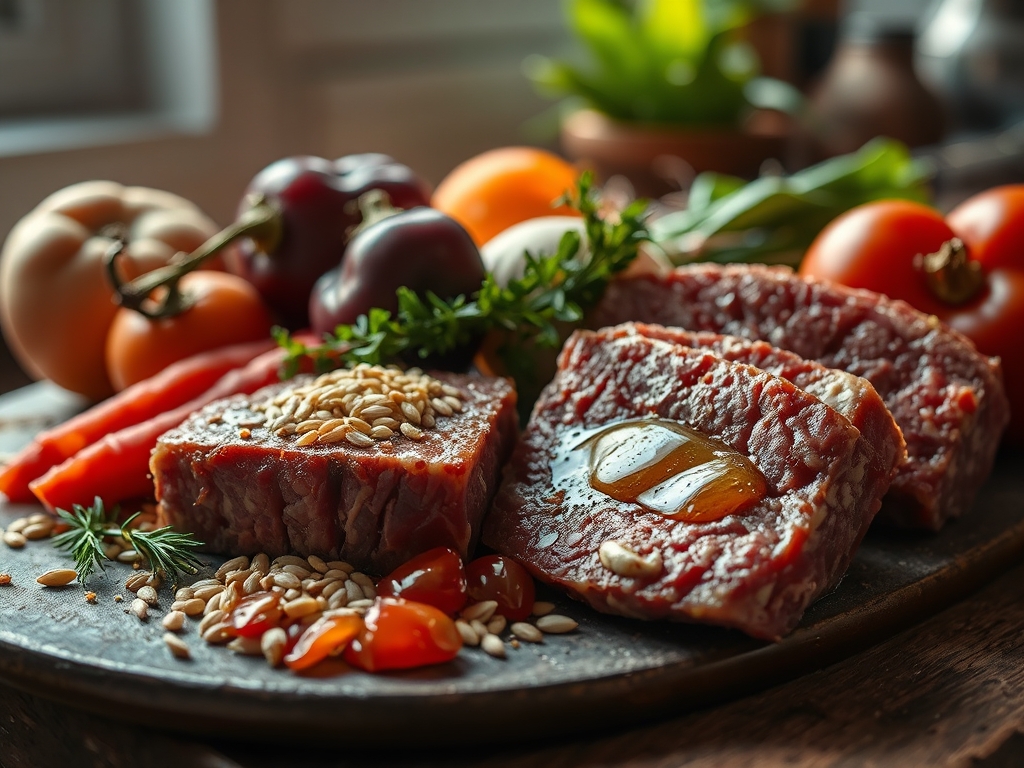
The Gathers:
To achieve the perfect viscous consistency, your mise-en-place must be precise. We start with the aromatics: shallots, garlic, and perhaps a sprig of fresh thyme or rosemary. Use a sharp chef knife to achieve a fine mince; smaller surface area means faster flavor extraction. You will need a high-quality beef stock, preferably one with high gelatin content to ensure a silky mouthfeel. For the fat component, cold unsalted butter is non-negotiable for a technique called monter au beurre.
Smart Substitutions:
If you lack a traditional demi-glace, a combination of high-quality beef bone broth and a teaspoon of balsamic glaze can mimic that deep, piquant complexity. For those avoiding dairy, a well-shaken coconut milk (the fatty top layer) provides a similar richness, though it will alter the flavor profile toward the tropical. If you find yourself without shallots, use the white parts of green onions for a sharper, more sulfurous bite that still complements the beef beautifully.
The Clock
Efficiency in the kitchen is about the Chef's Flow. Total preparation time for these sauces usually clocks in at 15 minutes, while the cooking time varies between 10 and 20 minutes depending on the desired reduction. The goal is to time your sauce so it finishes exactly when your beef has finished its mandatory resting period.
Start your reduction while the beef is searing. This overlap ensures that the fond is deglazed while it is still warm and the sugars have not scorched. A digital scale is your best friend here; measuring liquids by weight rather than volume ensures consistent salinity and thickness every single time you cook.
The Masterclass:
1. The Sear and Fond Formation
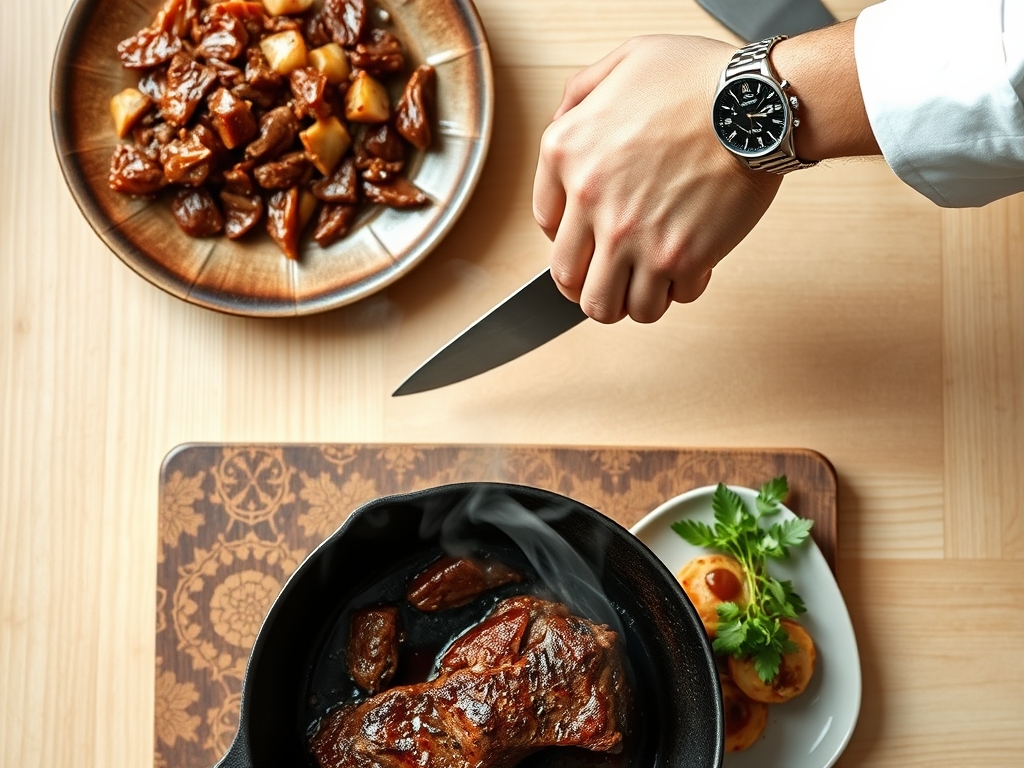
Place your beef in a screaming hot heavy-bottomed skillet. Do not crowd the pan; crowding lowers the temperature and causes the meat to steam rather than sear. We are looking for the Maillard reaction, a chemical reaction between amino acids and reducing sugars that gives browned food its distinctive flavor.
Pro Tip: Use a digital thermometer to pull the beef 5 degrees before your target temperature. Thermal carryover will continue to cook the meat as it rests, preventing the muscle fibers from tightening and squeezing out the juices.
2. Deglazing the Pan
Once the meat is removed, pour off excess fat but keep the brown bits. Add your liquid (wine, stock, or verjus) and use a bench scraper or wooden spoon to lift the fond from the bottom. This process incorporates the concentrated beef essence directly into your liquid base.
Pro Tip: Deglazing with a cold liquid creates a temperature shock that helps lift the fond more effectively than a warm liquid would. This is the first step in creating a complex flavor profile.
3. Aromatics and Infusion
Add your finely minced shallots and herbs. We want to infuse the liquid with these volatile oils without burning them. Lower the heat to a simmer. The liquid should reduce by half, which concentrates the solutes and increases the viscosity of the sauce.
Pro Tip: Use a microplane to grate garlic directly into the simmering sauce. This breaks down the cell walls more aggressively than chopping, releasing more allicin for a bolder, more integrated garlic flavor.
4. The Emulsification (Monter au Beurre)
Remove the pan from the heat and whisk in cold, cubed butter one piece at a time. This is the most critical step for beef recipes with sauce. You are creating a stable emulsion where fat droplets are suspended in a water-based liquid.
Pro Tip: The butter must be cold to prevent the emulsion from "breaking." If the sauce gets too hot, the milk solids will separate from the fat, resulting in a greasy mess rather than a velvety coating.
5. Aeration and Finishing
Use a small whisk or a saucier to vigorously stir the sauce. This helps aerate the mixture, giving it a lighter texture and a glossy sheen. Taste for seasoning and add salt or a splash of lemon juice to balance the richness of the fats.
Pro Tip: Acid is the "volume knob" of flavor. If your sauce tastes flat despite having enough salt, a tiny amount of acid will brighten the heavy proteins and make the flavors pop.
6. The Final Nap
Drape the sauce over the rested beef. In the culinary world, this is called "napping" the meat. The sauce should be thick enough to coat the back of a spoon (a state known as nappe) but fluid enough to flow elegantly across the plate.
Pro Tip: Always rest your meat for at least ten minutes before saucing. This allows the internal pressure to equalize so the juices stay inside the beef rather than diluting your perfectly crafted sauce.
The Deep Dive
From a nutritional standpoint, these sauces are dense in fat-soluble vitamins and minerals, particularly if you use a bone-broth base. A standard serving contains approximately 150 calories, primarily from healthy fats and proteins. For a Keto version, simply ensure your stock has no added sugars. Vegan diners can swap the beef for a thick-cut cauliflower steak and use a mushroom-based "demi-glace" with vegan butter. For a Gluten-Free approach, avoid using flour as a thickener; rely instead on reduction and cold butter emulsification.
The Fix-It:
- The Sauce Broke: If you see oil pooling, the sauce is too hot. Remove from heat, add a teaspoon of cold heavy cream, and whisk vigorously to re-emulsify.
- Too Salty: Do not add water. Instead, add a splash of unsalted stock or a pinch of sugar to balance the sodium perception.
- Too Thin: If it won't coat a spoon, continue reducing over medium heat. If you are in a rush, a tiny "slurry" of cornstarch and water can provide an emergency fix.
Meal Prep Science:
When reheating beef recipes with sauce, avoid the microwave. The high intensity will break your emulsion. Instead, reheat gently in a small saucepan over low heat, adding a tablespoon of water or stock to loosen the proteins and restore the "day-one" silkiness.
The Wrap-Up
Mastering beef recipes with sauce is about more than following a list of ingredients; it is about respecting the chemistry of the kitchen. By controlling your temperatures and understanding the power of a good reduction, you can turn any meal into a celebration. Remember, the best chefs are the ones who aren't afraid to taste, tweak, and experiment. Now, go forth and make your kitchen smell like a five-star bistro!
The Kitchen Table
How do I make my sauce shine like a pro?
The secret is finishing with cold butter off the heat. This technique, called monter au beurre, creates a glossy, professional sheen and a silky mouthfeel that cannot be replicated with flour or cornstarch thickeners.
Can I make these sauces ahead of time?
Yes, but be careful when reheating. Store the sauce separately and warm it over low heat while whisking constantly. If the sauce separates, add a tiny splash of water and whisk vigorously to bring the emulsion back together.
What is the best pan for making pan sauces?
A stainless steel or cast iron skillet is best because they promote the formation of fond. Non-stick pans prevent the protein bits from sticking, which means you lose the essential flavor base needed for a truly deep, complex sauce.
Why is my sauce always too thin?
You likely haven't reduced the liquid enough. A proper pan sauce should reduce by at least half to concentrate the flavors and natural gelatins. If it is still thin, continue simmering or whisk in more cold butter at the end.