
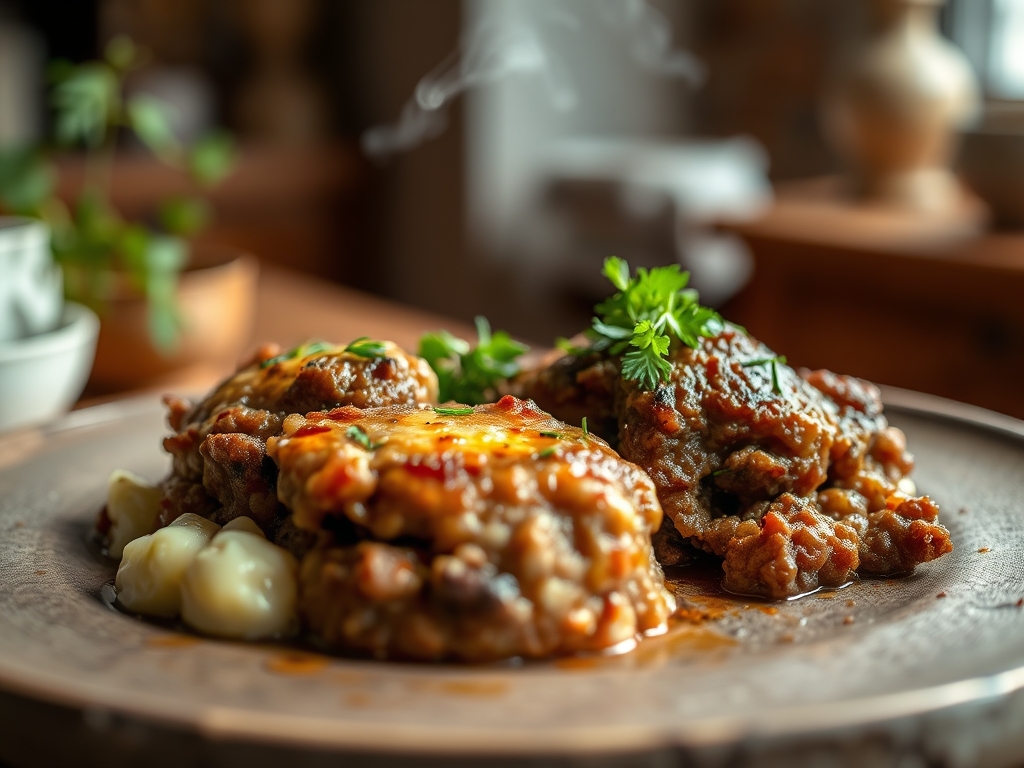
Picture this: a heavy-bottomed skillet sizzling on the range, the air thick with the scent of rendering fat and toasted spices. You are craving comfort, but your fitness goals are whispering for protein. Enter the ultimate culinary plot twist: cottage cheese ground beef recipes. This duo is the secret weapon of high-performance kitchens; it provides a creamy, velvet finish without the heavy caloric load of traditional bechamel or mountains of cheddar.
By blending the curds into a smooth, viscous sauce or folding them directly into savory meat mixtures, you achieve a level of moisture that lean beef often lacks. We are talking about a transformation where the tangy acidity of the dairy cuts through the rich, umami depth of the beef. It is not just a meal; it is a molecular masterpiece designed to keep you full and focused. Whether you are meal prepping for a grueling week or hosting a cozy dinner, these boosts turn basic protein into a gourmet experience. Let us dive into why this combination is the undisputed champion of the modern, healthy kitchen and how you can master the texture every single time.
The Gathers:
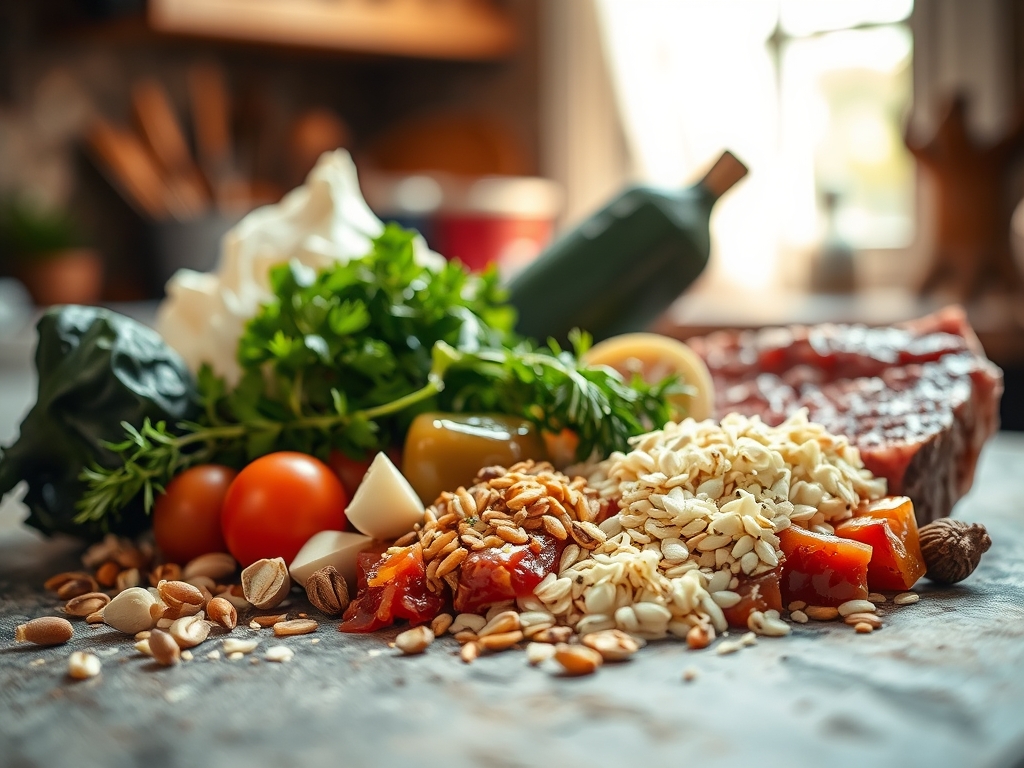
Setting up your mise-en-place is the difference between a frantic kitchen and a rhythmic flow. For these cottage cheese ground beef recipes, you need high-quality ingredients that can stand up to high heat. Start with grass-fed ground beef, ideally a 90/10 or 93/7 blend to minimize excess grease. Your cottage cheese should be full-fat or 2 percent; the milk solids in low-fat versions can sometimes break under high heat, leading to a grainy mouthfeel.
Grab your microplane for fresh garlic and ginger, and ensure your digital scale is ready to measure out 200-gram portions for precision. You will also need a high-speed blender or immersion blender to aerate the cottage cheese into a silk-like consistency. For smart substitutions, swap traditional pasta for zoodles or spaghetti squash to keep things keto-friendly. If you want an extra kick, use a piquant hot sauce or red pepper flakes to balance the creamy dairy. Always have a bench scraper handy to clear your board of chopped aromatics like shallots and scallions quickly.
The Clock
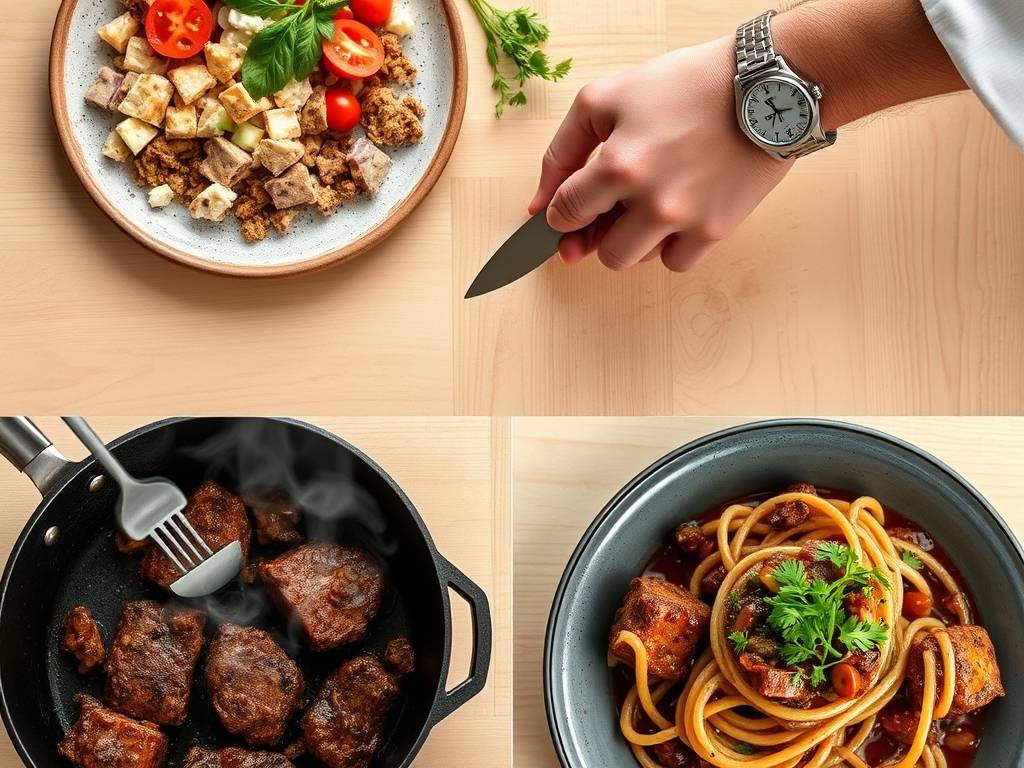
Efficiency in the kitchen is all about "Chef's Flow." You are looking at a total prep time of 15 minutes and a cook time of 20 minutes. The secret is multitasking: while your beef is undergoing the Maillard reaction in the skillet, you should be blending your dairy base. Never crowd the pan; if you add too much meat at once, the temperature drops and the beef boils in its own juices rather than searing. Allow for 5 minutes of resting time post-cook to let the proteins relax and reabsorb moisture. This 40-minute window ensures a "day-one" fresh taste even if you are cooking in bulk.
The Masterclass
1. Sear and Render
Place your heavy-bottomed skillet over medium-high heat. Add the ground beef, breaking it apart with a stiff spatula. Do not move it for the first three minutes to allow a deep brown crust to form.
Pro Tip: This is called enzymatic browning. The amino acids and sugars in the meat react under high heat to create hundreds of different flavor compounds that provide that "meaty" punch.
2. Deglaze the Fond
Once the meat is browned, remove it and leave the dark bits (the fond) in the pan. Add a splash of beef stock or dry white wine, using your tongs and a paper towel to wipe away excess grease if necessary.
Pro Tip: Deglazing releases the concentrated flavors stuck to the pan, ensuring every drop of umami is incorporated back into your sauce base.
3. The Emulsion Phase
In a blender, combine your cottage cheese with a pinch of nutritional yeast and lemon juice. Blend until completely smooth. Lower the skillet heat to low before folding this mixture into the beef.
Pro Tip: Cottage cheese is high in casein protein. Keeping the heat low prevents the proteins from tightening and "weeping" liquid, which would result in a broken, watery sauce.
4. Infuse the Aromatics
Fold in your microplaned garlic, fresh herbs, and any spices. Use a saucier if you are making a larger batch to ensure even heat distribution and easy whisking.
Pro Tip: Adding herbs at the very end preserves their volatile oils, which provide the bright, fresh aroma that balances the heavy protein.
The Deep Dive
When we look at the macro nutrition, cottage cheese ground beef recipes are a powerhouse. A single serving typically boasts 35-45 grams of protein with moderate fats and low carbohydrates. For my vegan friends, you can swap the beef for a pea-protein crumble and the cottage cheese for a silken tofu blend with lactic acid. If you are strictly Keto, increase the fat content by adding a tablespoon of grass-fed butter during the rendering phase.
The Fix-It:
- The Grainy Sauce: If your sauce looks curdled, it likely got too hot. Remove from heat immediately and whisk in a tablespoon of cold heavy cream or Greek yogurt to lower the temperature and re-emulsify.
- The Grey Meat: If the beef looks grey rather than brown, your pan wasn't hot enough. Next time, wait for the oil to shimmer before adding the protein.
- Excess Liquid: If the dish is too watery, you likely used a low-fat cottage cheese. Use a slotted spoon to serve or simmer the beef longer before adding the dairy to evaporate more moisture.
Meal Prep Science: To maintain quality when reheating, use the microwave at 50 percent power. High heat zaps the moisture out of the beef and makes the cottage cheese rubbery. Adding a damp paper towel over the container creates a steam chamber that keeps the texture supple.
The Wrap-Up
There you have it! You are now equipped to turn a humble tub of curds and a pack of beef into a culinary triumph. These cottage cheese ground beef recipes are more than just a trend; they are a smarter way to eat that refuses to sacrifice flavor for function. Go grab your heavy-bottomed skillet, trust the science of the sear, and enjoy the creamiest, high-protein meal of your life. You have got the tools, the tips, and the talent. Now, go make some magic in that kitchen!
The Kitchen Table
Can I freeze cottage cheese ground beef recipes?
Yes, but the texture may change slightly. Upon thawing, the dairy might separate. To fix this, reheat the dish slowly in a skillet and whisk in a splash of milk or cream to restore the original creamy emulsion.
What is the best fat percentage for the beef?
A 90/10 blend is ideal. It provides enough fat to facilitate the Maillard reaction and flavor development without leaving the dish feeling greasy or requiring excessive draining before you add the delicate cottage cheese base.
Why is my cottage cheese sauce watery?
This usually happens if you use fat-free cottage cheese or if the heat was too high. Low-fat dairy has a higher water content and less stability. Stick to 2 percent or 4 percent varieties for a stable, viscous sauce.
Can I use a slow cooker for this?
You can cook the beef in a slow cooker, but do not add the cottage cheese until the very end. High, prolonged heat will cause the dairy to break and curdle, ruining the smooth, velvet texture you want.