
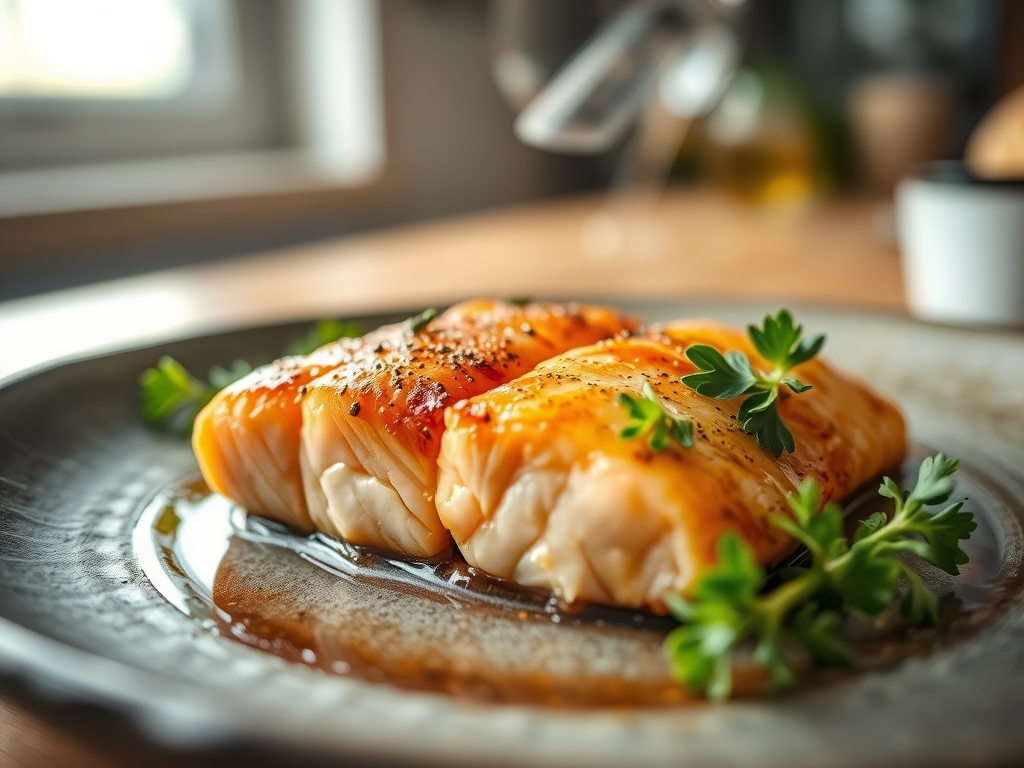
Picture this: you are standing in your kitchen with a gorgeous, ruby-hued fillet of King or Sockeye salmon, and the pressure is on. We have all been there, staring at a piece of premium fish and praying we do not turn it into an expensive, chalky coaster. The secret to mastering pacific salmon recipes lies in understanding that you are not just cooking; you are managing delicate proteins and healthy fats. Pacific salmon is a biological masterpiece, packed with astaxanthin for that vibrant color and omega-3 fatty acids that provide a buttery mouthfeel. When you roast it correctly, the exterior develops a slight snap while the interior remains translucent and lush. Today, we are moving past basic baking and into the realm of professional culinary physics. I am going to show you how to manipulate heat and moisture to achieve a restaurant-grade crust and a melt-in-your-mouth center every single time. Grab your favorite apron and a glass of something crisp; we are about to turn your kitchen into the hottest bistro in town.
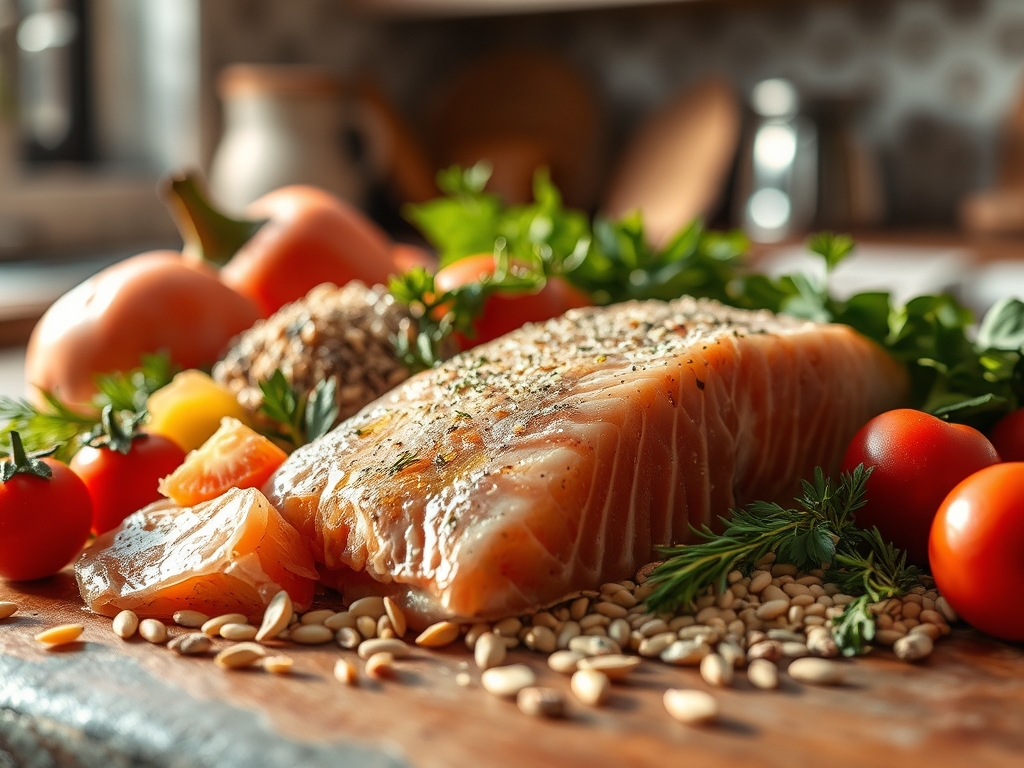
The Gathers:
To execute these pacific salmon recipes with precision, your mise-en-place must be flawless. Start with a high-quality Pacific fillet, preferably wild-caught Sockeye or Coho for their lean, muscular texture. You will need a heavy-bottomed skillet or a rimmed baking sheet lined with parchment to prevent sticking. For the aromatics, gather fresh dill, flat-leaf parsley, and garlic cloves. You will also need a high-smoke-point fat like avocado oil or clarified butter (ghee) to handle the roasting temperatures without oxidizing.
Smart Substitutions: If you cannot find fresh dill, use a teaspoon of dried tarragon for a piquant, anise-like finish. If you are avoiding dairy, swap the butter for a viscous extra virgin olive oil or a splash of coconut aminos to add a deep umami profile. For the acid, if lemons are too sharp, a splash of verjus or white balsamic vinegar can provide a sophisticated, rounded brightness that cuts through the rich fish oils.
The Clock: Precision Timing
The "Chef's Flow" is all about efficiency. Total preparation time is approximately 10 minutes, while the active roasting time ranges from 8 to 12 minutes depending on the thickness of the fillet.
Prep (10 mins): This involves tempering the fish (bringing it to room temperature) and preparing your herb-infused oils.
The Roast (8-12 mins): This is the high-heat phase where the magic happens.
The Rest (5 mins): This is non-negotiable. Resting allows the muscle fibers to relax and reabsorb juices.
By the time your oven preheats to 425 degrees Fahrenheit, your prep should be finished. This synchronization ensures the fish hits the heat the moment the environment is stabilized.
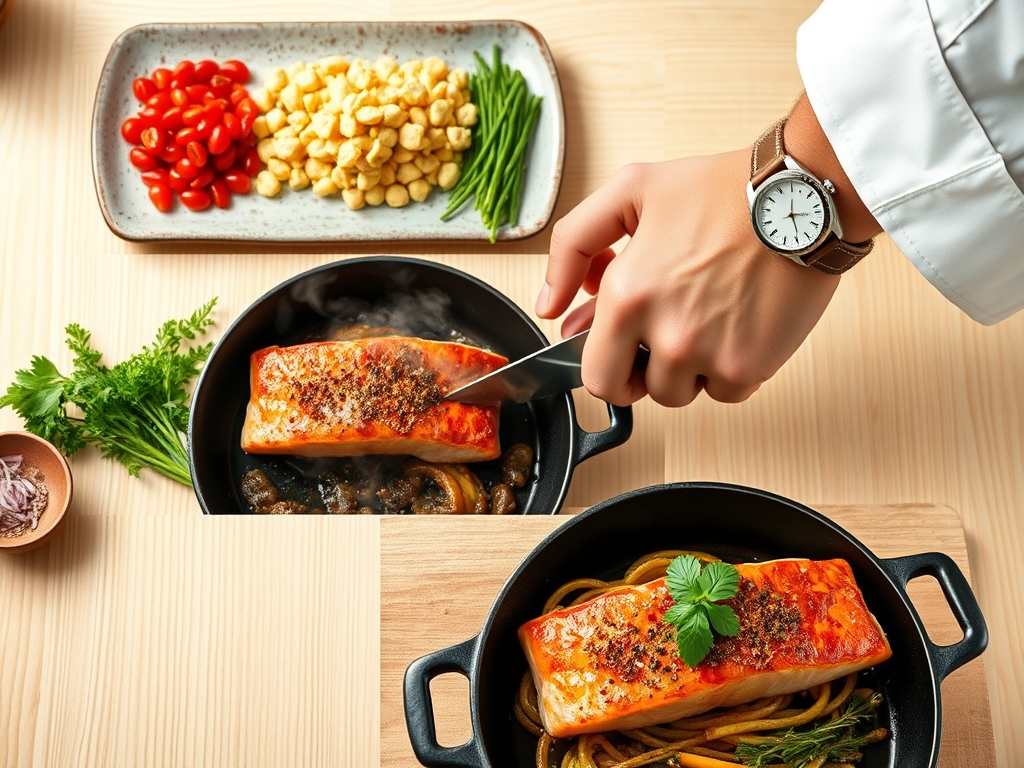
The Masterclass: 10 Secrets to Perfection
1. The Tempering Technique
Never pull your salmon straight from the fridge and toss it into the oven. Let the fillet sit on the counter for 15 to 20 minutes to take the chill off.
Pro Tip: Cold proteins cause the muscle fibers to contract violently when hitting heat, squeezing out moisture. Tempering ensures an even cook from the edge to the center, preventing a raw middle and dry exterior.
2. The Desiccation Rule
Use a paper towel to pat the skin and flesh bone-dry. Any surface moisture will turn to steam, which prevents the Maillard reaction.
Pro Tip: Evaporative cooling occurs when moisture is present, keeping the surface temperature too low for browning. Dry skin equals crispy skin.
3. The Salt Timing
Salt your salmon immediately before it goes into the oven. If you salt too early, the osmosis process draws moisture to the surface.
Pro Tip: This surface moisture creates a "slick" that prevents oils from adhering, which can lead to sticking and uneven heat distribution.
4. High Heat Roasting
Set your oven to 425 degrees Fahrenheit. High heat allows the exterior to caramelize before the internal temperature overshoots.
Pro Tip: This creates a thermal gradient where the outside is crisp and the inside remains a perfect medium-rare.
5. Use a Digital Scale and Thermometer
Stop guessing. Use a digital probe thermometer to pull the salmon when the internal temperature hits 125 degrees Fahrenheit.
Pro Tip: Thermal carryover will continue to raise the internal temperature by another 5 degrees while the fish rests, landing you at a perfect 130 degrees.
6. The Fat Infusion
Brush the fish with a mixture of melted ghee and minced garlic using a pastry brush. This creates a barrier that locks in natural juices.
Pro Tip: Fats act as a heat conductor, ensuring that the nooks and crannies of the fillet receive equal thermal energy.
7. The Acid Balance
Zest a lemon over the fish using a microplane before roasting, but save the juice for the very end.
Pro Tip: Cooking lemon juice can make it bitter; adding fresh juice post-roast provides a vibrant, piquant lift that cuts through the fatty acids.
8. Skin-Side Down
Always roast skin-side down on a preheated pan. This protects the delicate flesh from the direct heat of the metal.
Pro Tip: The skin acts as an insulator, allowing the heat to rise gently through the fillet, which prevents the protein from toughening.
9. The Albumin Hack
If you see white bubbles (albumin) forming on the surface, your heat is too high or you have cooked it too long.
Pro Tip: Albumin is a protein that is pushed out of the muscle fibers when they contract too tightly. Pull the fish sooner to keep those proteins inside for a juicier bite.
10. The Resting Period
Place the salmon on a warm plate and tent loosely with foil for five minutes.
Pro Tip: This allows the internal pressure to stabilize, ensuring that when you flake the fish with a fork, the juices stay in the meat rather than running onto the plate.
The Deep Dive
Macro Nutrition: Pacific salmon is a nutritional powerhouse. A 6-ounce fillet provides roughly 34 grams of high-quality protein and 18 grams of healthy fats. It is naturally low in carbohydrates, making it a staple for keto and paleo lifestyles.
Dietary Swaps:
- Vegan: For guests, try "Carrot Salmon" marinated in liquid smoke and seaweed, though the texture is vastly different.
- Keto/GF: This recipe is naturally keto and gluten-free. Ensure your spices do not contain anti-caking agents that include gluten.
The Fix-It:
- Problem: The skin is soggy. Fix: Finish the fillet under the broiler for 60 seconds to crisp the top.
- Problem: The fish is dry. Fix: Create a quick emulsion of lemon juice and olive oil to drizzle over the top to add artificial moisture.
- Problem: It is sticking to the pan. Fix: Use a bench scraper or a thin metal fish spatula to gently pry it up without tearing the flesh.
Meal Prep: To reheat without losing quality, avoid the microwave. Use a toaster oven at 275 degrees with a splash of water in the pan to create a gentle steam environment that rehydrates the fibers.
The Wrap-Up
Mastering pacific salmon recipes is about respecting the ingredient and understanding the science of heat. By controlling moisture, timing your salt, and respecting the resting period, you transform a simple fillet into a culinary event. You have the tools, the tips, and the technical knowledge to crush your next dinner party. Now, get into that kitchen and show that salmon who is boss!
The Kitchen Table
How do I know when the salmon is done?
Use a digital thermometer to check the thickest part. Pull the fish at 125 degrees Fahrenheit. The texture should be firm but slightly translucent in the center, flaking easily with a gentle press of a fork.
Can I use frozen Pacific salmon?
Yes, but thaw it completely in the refrigerator first. Pat it extremely dry with paper towels to remove excess moisture from the freezing process, which ensures the skin can still get crispy during the roasting phase.
Why does my salmon have white stuff on it?
That is albumin, a harmless protein. It appears when the fish is cooked too quickly or at too high a temperature, causing the muscle fibers to contract and squeeze the protein out to the surface.
What is the best way to season salmon?
Keep it simple to let the fish shine. Use kosher salt, cracked black pepper, and a high-smoke-point fat. Add fresh herbs like dill or parsley after cooking to maintain their vibrant color and delicate flavor profiles.