
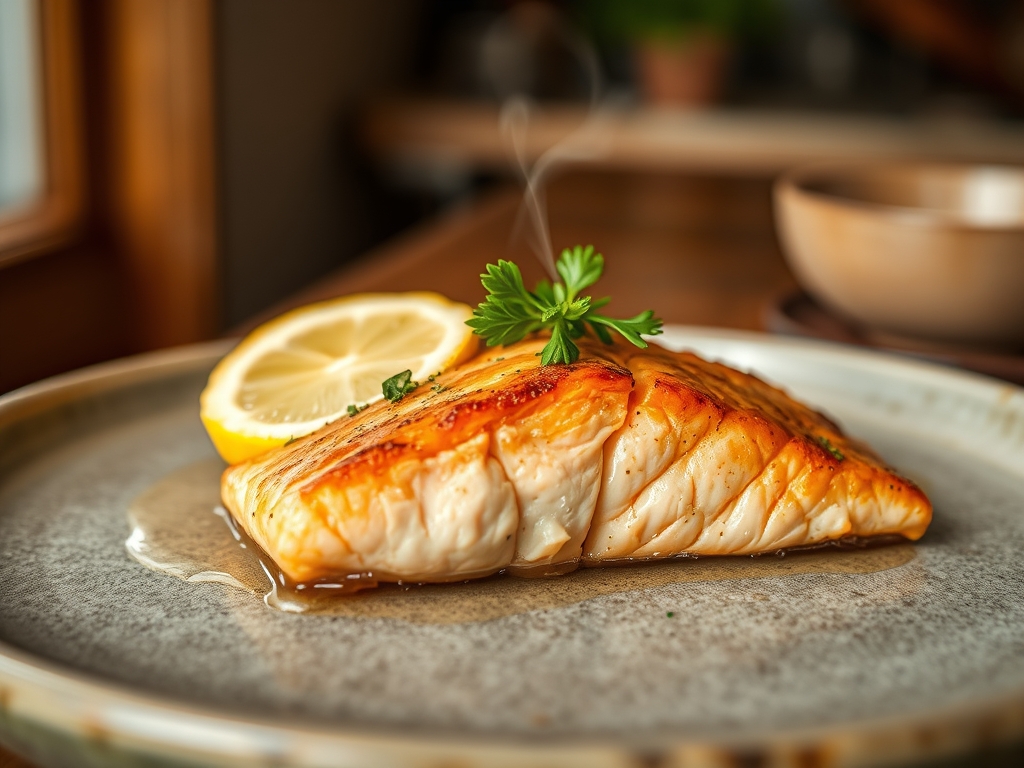
Imagine the sharp, citrusy scent of a freshly zested lemon hitting a hot, heavy-bottomed skillet. That sizzle is the sound of success. When you are hunting for easy salmon recipes lemon is your absolute best friend because it provides the acidity needed to cut through the rich, buttery lipids of the fish. We are not just cooking; we are performing edible chemistry to achieve that perfect, flaky texture every single time. Salmon is a nutritional powerhouse, but it is also a delicate protein that requires a bit of finesse and a lot of bright, piquant flavor to truly sing. Whether you are a weeknight warrior or hosting a dinner party, mastering these citrus infusions will elevate your kitchen game from basic to professional. We are going to dive deep into the mechanics of heat, acid, and fat to ensure your fillets are never dry, never dull, and always restaurant-quality. Grab your apron and let us get technical with some zest.
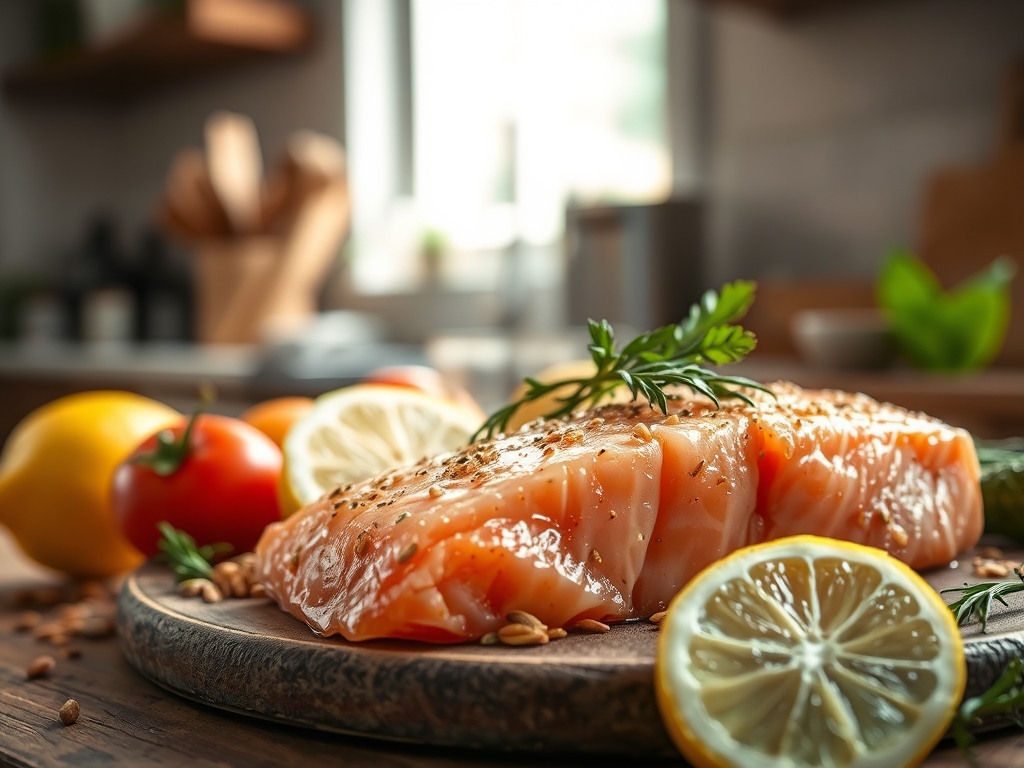
The Gathers:
Before we ignite the burners, we must organize our mise-en-place. Our star is the Atlantic or King salmon, which should be firm to the touch and vibrant in color. You will need a high-quality microplane to harvest the zest without hitting the bitter white pith. For the fat, we are using unsalted European-style butter for its high butterfat content and extra-virgin olive oil for its stability. Freshness is non-negotiable here; bottled juice lacks the volatile oils found in the skin that provide that signature aroma.
Smart Substitutions: If you find yourself without lemons, Meyer lemons offer a sweeter, more floral profile. For a punchier, more tropical vibe, lime zest works beautifully, though you may need to adjust the salt to balance the higher acidity. If you are avoiding dairy, a high-quality ghee or a neutral avocado oil can replace the butter, though you will lose the nutty Maillard reaction benefits of milk solids. Always keep a digital scale nearby to ensure your portions are uniform, which is the secret to consistent cooking times across all your fillets.
The Clock:
Efficiency in the kitchen is all about the "Chef's Flow." This entire process, from fridge to table, should take no more than 25 minutes. Prep work accounts for 10 minutes; this involves patting the fish bone-dry to prevent steaming and zesting your citrus. The actual cook time is a swift 10 to 12 minutes depending on the thickness of the cut. The final 3 to 5 minutes are reserved for the most critical phase: the rest. Allowing the protein fibers to relax ensures the juices redistribute rather than spilling out onto the plate. By syncing your side dishes to this timeline, you ensure everything hits the table at the optimal temperature.
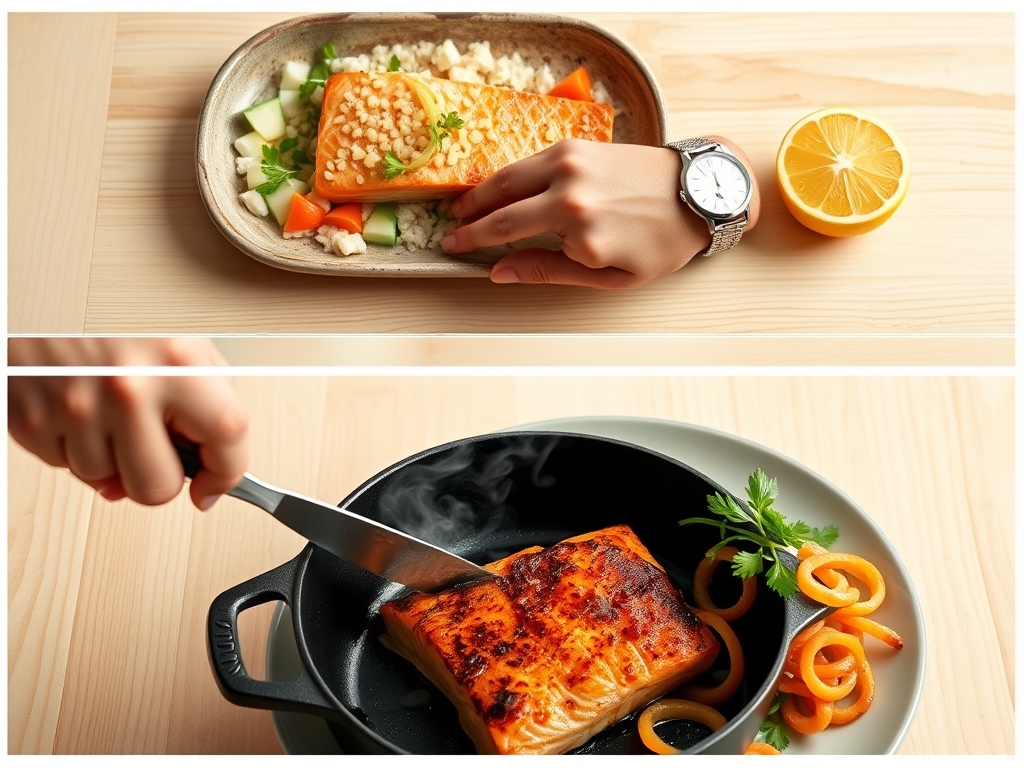
The Masterclass:
1. The Surface Tension Prep
Start by using a paper towel to remove every trace of moisture from the skin and flesh. Use a sharp knife or a bench scraper to ensure the surface is flat. Season aggressively with kosher salt from a height to ensure even distribution.
Pro Tip: This is about moisture evaporation. Salt draws out surface proteins which, when dried, create a "pellicle." This layer is what allows for a crispy, golden-brown crust rather than a gray, rubbery exterior.
2. The Cold Pan Start
Place your salmon skin-side down in a cold, heavy-bottomed skillet before turning the heat to medium-high. This allows the fat under the skin to render slowly, leading to maximum crispiness without overcooking the delicate flesh above.
Pro Tip: This technique prevents the protein fibers from "seizing" up instantly. Gradual heat allows the collagen in the skin to break down into gelatin, resulting in a glass-like crunch.
3. The Citrus Infusion
Once the skin is crisp and the fish is cooked 70 percent of the way through, flip gently using tongs or a fish spatula. Toss in your lemon slices and a knob of butter. As the butter foams, use a large spoon to baste the lemon-butter over the top of the fish.
Pro Tip: This is known as "arroser." The hot fat carries the fat-soluble flavor compounds from the lemon zest directly into the protein, while the foam protects the fish from drying out.
4. Deglazing the Fond
Remove the fish and immediately hit the pan with a splash of dry white wine or chicken stock. Use a whisk to scrape up the browned bits (the fond) at the bottom of the pan.
Pro Tip: This is the Maillard reaction in action. Those browned bits are concentrated flavor molecules. Adding liquid creates an emulsion that forms the base of a high-gloss, viscous sauce.
5. The Emulsification Finish
Turn off the heat and whisk in a final squeeze of fresh lemon juice and a pinch of cold butter. The sauce should become opaque and velvety.
Pro Tip: This is a "beurre blanc" style finish. Keeping the butter cold ensures it emulsifies into the liquid rather than melting into a greasy puddle, thanks to the natural lecithin in the butter.
6. The Carryover Rest
Transfer the salmon to a warm plate and pour the sauce over it. Let it sit for three minutes before serving.
Pro Tip: Thermal carryover means the internal temperature will rise by about 5 degrees after leaving the pan. Pulling the fish at 125F ensures a perfect medium-rare 130F after the rest.
The Deep Dive:
From a nutritional standpoint, this dish is a powerhouse of Omega-3 fatty acids, which are essential for brain health and reducing inflammation. A standard 6-ounce portion provides roughly 34 grams of protein and zero carbohydrates, making it a staple for Keto and Paleo lifestyles. For a vegan swap, this lemon-infusion technique works wonders on "steaks" of cauliflower or extra-firm tofu, though you will want to use a miso-butter substitute to mimic the umami of the fish.
The Fix-It: If your skin is sticking, it is likely because the pan wasn't hot enough or you tried to flip it too early; the fish will naturally "release" when the crust is formed. If the lemon sauce tastes too bitter, you likely zested too deep into the white pith; fix this by adding a tiny pinch of sugar or honey to balance the alkaloids. If the fish looks "white and chalky," that is albumin (protein) leaking out due to overcooking. Lower your heat next time.
For meal prep, never reheat salmon in the microwave; it ruins the molecular structure and creates a "fishy" smell. Instead, let it come to room temperature or gently warm it in a covered pan with a teaspoon of water to create a steam chamber that restores moisture.
The Wrap-Up:
You are now armed with the scientific secrets to making the best easy salmon recipes lemon has ever graced. By focusing on moisture control, temperature management, and the power of emulsification, you have moved beyond following a recipe to understanding the "why" behind the "how." Cooking is a sensory journey, and with these six hacks, your kitchen will smell like a Mediterranean dream. Now, go grab that microplane and show that salmon who is boss.
The Kitchen Table:
How do I stop salmon from smelling fishy?
Freshness is key, but soaking the fillets in milk for 20 minutes before cooking can bind to trimethylamine, the compound responsible for that odor. Always pat the fish dry and use fresh lemon juice to neutralize any remaining volatile aromatics.
Can I use frozen salmon for these recipes?
Yes, but thaw it completely in the refrigerator overnight. Frozen fish often contains more surface moisture, so you must be extra diligent about drying it with paper towels to ensure you achieve a proper sear and avoid steaming the protein.
What is the best temperature for cooked salmon?
For a buttery, flaky texture, aim for an internal temperature of 125F to 130F. This is considered medium-rare to medium. Use a digital meat thermometer to check the thickest part of the fillet to avoid the dry, chalky texture of overcooking.
Why does my lemon sauce break and look oily?
Sauces break when the fat separates from the liquid. This usually happens if the heat is too high. To fix it, remove the pan from the heat and whisk in a teaspoon of warm water or cream to re-emulsify the mixture.