
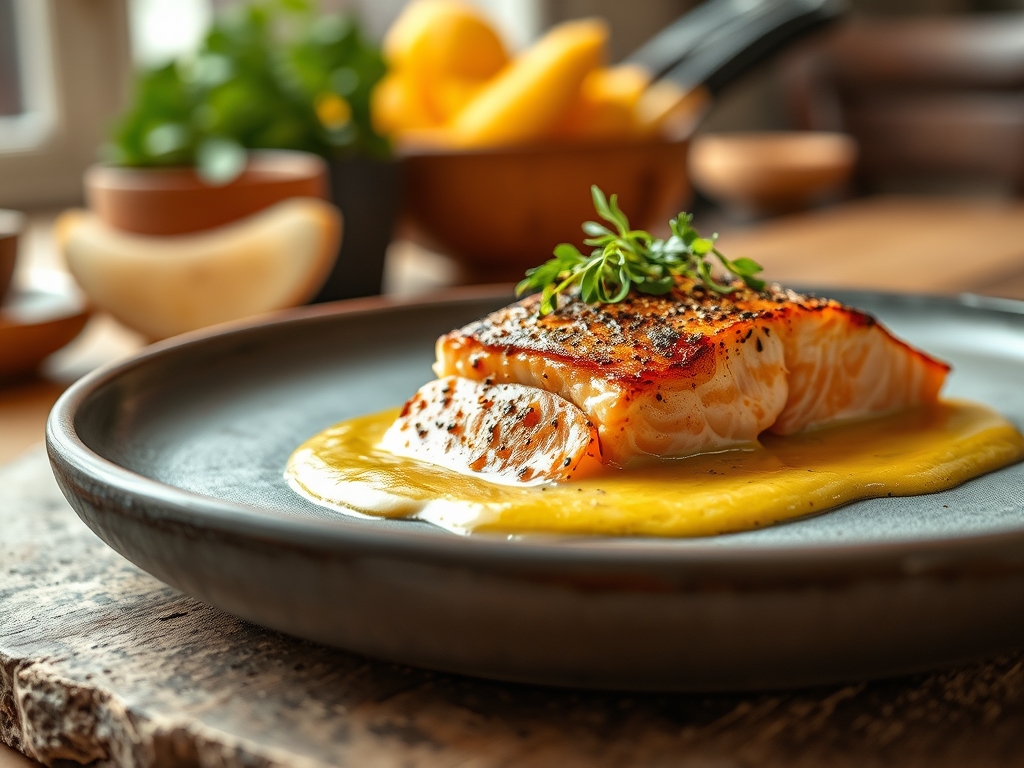
Picture a pristine fillet of Atlantic salmon hitting a shimmering, hot stainless steel pan. The sound is an immediate, aggressive sizzle; the smell is that intoxicating mix of rendering omega-3 fats and searing protein. We are not just making dinner tonight. We are mastering the architectural balance of fat, acid, and heat. When you are hunting for the ultimate salmon recipes mustard sauce is the undisputed champion of the condiment world. It provides the sharp, acidic backbone necessary to cut through the buttery richness of the fish. Whether you prefer a grainy, rustic texture or a silky smooth emulsion, the chemistry of mustard acts as a natural stabilizer, binding your sauce into a velvety coating that clings to every flake of fish.
The beauty of these pairings lies in the versatility of the mustard seed itself. From the sinus-clearing heat of English powder to the wine-infused elegance of Dijon, each variety offers a different molecular profile. We are going to explore nine distinct ways to elevate your weeknight routine into a five-star dining experience. Grab your apron and your favorite heavy-bottomed skillet; we are about to dive into the transformative science of the perfect sear and the ultimate piquant glaze.
The Gathers:
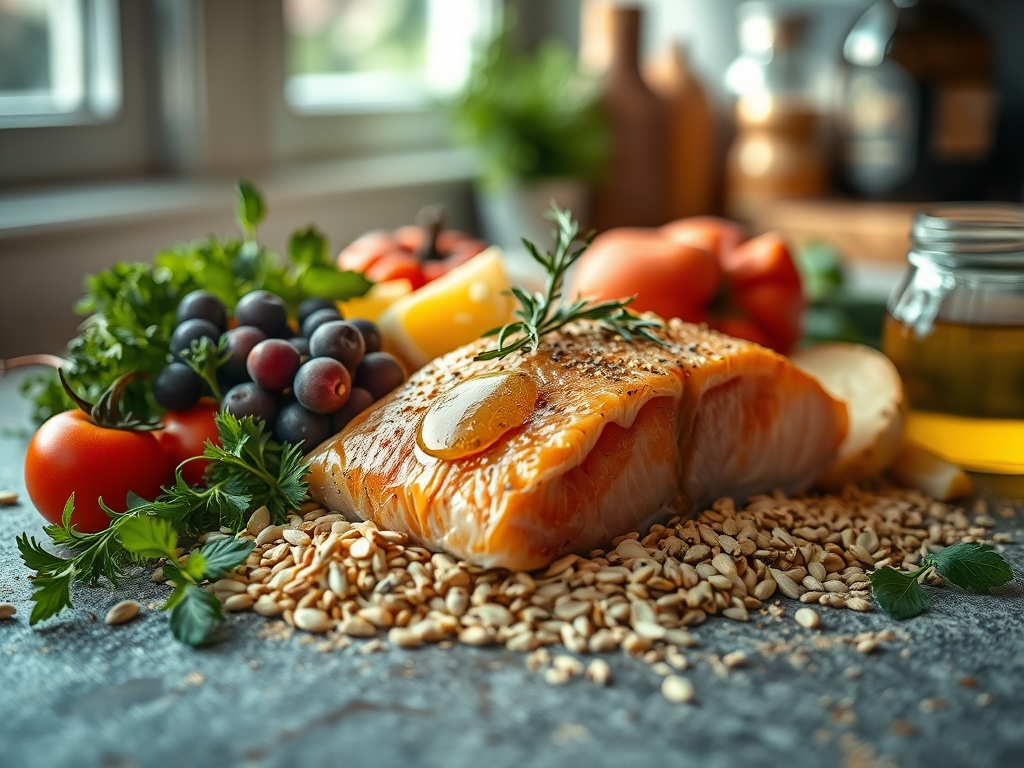
To achieve professional results, your mise-en-place must be precise. Start with center-cut salmon fillets, ideally 6 to 8 ounces each, brought to room temperature to ensure even heat distribution. You will need a high-quality Dijon mustard; look for one where mustard seeds are the primary ingredient rather than water. For the textural component, gather whole-grain mustard to provide those delightful "pops" of acidity.
Your aromatics are equally vital. Finely minced shallots provide a delicate sulfurous base without the harshness of white onions. Fresh dill and tarragon offer volatile oils that brighten the finish. For the fat component, keep unsalted European-style butter and heavy cream on hand to create a stable emulsion.
Smart Substitutions:
If you are avoiding dairy, a full-fat coconut milk or a high-quality tahini can mimic the viscous mouthfeel of cream. For a lower glycemic index, swap honey for agave nectar or a splash of apple juice concentrate to provide the necessary sugar for the Maillard reaction. If you lack fresh herbs, use one-third the amount of dried herbs, as their oils are more concentrated.
The Clock
Efficiency in the kitchen is about "Chef's Flow," the art of overlapping tasks so no heat is wasted. Your total active time for these recipes is approximately 15 minutes, with a total "plate-to-table" time of 25 minutes.
The flow begins with the salmon. It requires 5 minutes of prep (patting dry and seasoning) and 8 to 10 minutes of cook time depending on thickness. While the fish rests, you will use the same skillet to deglaze and build your sauce in under 4 minutes. This sequence ensures the fish stays warm while the sauce reaches its peak emulsification right as you serve.
The Masterclass
1. The Critical Sear
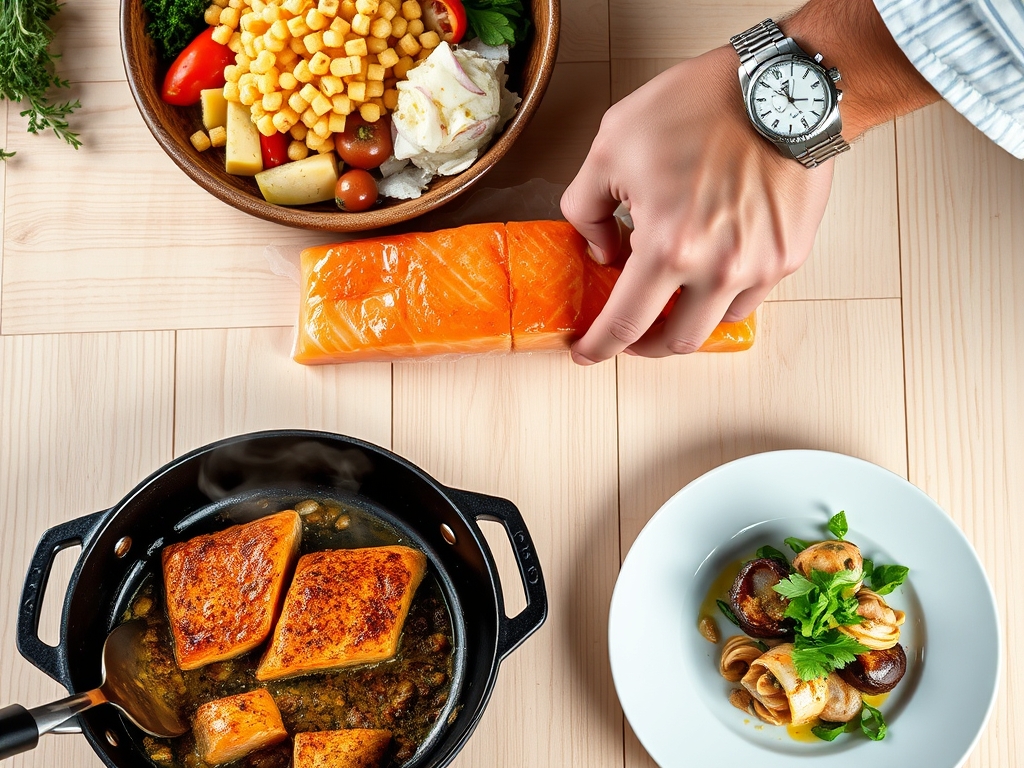
Place your heavy-bottomed skillet over medium-high heat until the oil reaches its smoke point. Lay the salmon skin-side down. Use a flexible fish spatula to press the fillet firmly against the pan for the first 30 seconds. This prevents the protein fibers from curling and ensures maximum surface contact.
Pro Tip: This stage relies on thermal conduction. By pressing the fish, you ensure even heat transfer, which renders the subcutaneous fat and creates a shatteringly crisp skin.
2. Monitoring the Gradient
Watch the side of the fillet as the heat climbs. You will see the flesh turn from translucent pink to an opaque pale color. When the cook-line reaches about three-quarters of the way up the side, it is time to flip.
Pro Tip: This is the study of protein denaturation. Flipping at the 75 percent mark allows the residual heat to finish the top side without overcooking the delicate center.
3. The Deglaze and Emulsion
Remove the fish and set it on a warm plate. Lower the heat and add your shallots to the rendered fat. Once translucent, add a splash of white wine or stock to loosen the fond (those brown flavorful bits). Whisk in your mustard and cream vigorously.
Pro Tip: Using a saucier or a whisk allows you to aerate the sauce. The mustard acts as an emulsifier, preventing the fats and liquids from separating into a greasy mess.
4. The Herbal Infusion
Turn off the heat before adding your fresh herbs. Stir them in gently so they wilt but retain their vibrant green color and aromatic potency.
Pro Tip: Many herbal compounds are thermolabile, meaning they break down and lose flavor under high heat. Adding them at the very end preserves the bright, grassy notes of the dill or tarragon.
The Deep Dive
From a nutritional standpoint, salmon is a powerhouse of Omega-3 fatty acids and high-quality protein. A standard 6-ounce serving provides roughly 34 grams of protein and 18 grams of healthy fats. When paired with a mustard sauce, you add minimal calories but significant flavor depth.
Dietary Swaps:
For a Keto version, eliminate the honey and use heavy cream or butter for the sauce base. For a Vegan alternative (using plant-based salmon substitutes), use a mix of Dijon, maple syrup, and olive oil to create a lacquer-style glaze. All ingredients in a standard mustard sauce are naturally Gluten-Free, provided you check that your mustard brand does not use flour as a thickener.
The Fix-It:
- Broken Sauce: If the sauce looks oily, whisk in a teaspoon of warm water or a splash more cream to re-establish the emulsion.
- Bitter Aftertaste: This often happens if the mustard is scorched. Add a pinch of salt or a drop of honey to balance the pH.
- Soggy Skin: This occurs if the pan wasn't hot enough or the fish was damp. Always use a paper towel to bone-dry the skin before it hits the oil.
Meal Prep:
To reheat salmon without it becoming "rubbery," avoid the microwave. Use a low-temperature oven (275 degrees Fahrenheit) with a splash of water covered in foil. This creates a gentle steam environment that rehydrates the protein.
The Wrap-Up
You now have the technical blueprint to execute a flawless salmon dinner that feels like a celebration. By understanding the relationship between the Maillard reaction on the skin and the emulsification of the mustard sauce, you have moved beyond following a recipe to understanding the "why" of cooking. Go forth, grab your tongs, and turn that kitchen into your personal bistro. You have got the skills, the science, and the appetite to make something truly incredible!
The Kitchen Table
How do I keep my mustard sauce from curdling?
Always keep the heat low when adding dairy. Mustard is a stabilizer, but extreme heat can still cause proteins in cream to clump. Whisk constantly and incorporate the fat slowly to maintain a smooth, viscous texture.
Can I use yellow mustard for salmon recipes?
Yellow mustard is generally too vinegary and lacks the depth of Dijon or stone-ground varieties. It can overwhelm the delicate flavor of the fish. Stick to Dijon or English mustard for a more sophisticated, balanced flavor profile.
What is the best way to tell if salmon is done?
Use a digital thermometer to check for an internal temperature of 125 to 130 degrees Fahrenheit for medium-rare. The flesh should be opaque and flake easily when pressed gently with a fork or a bench scraper.
Why does my salmon stick to the pan?
The pan or the oil was likely not hot enough. Protein bonds with the metal at lower temperatures. Wait for the oil to shimmer, and never try to flip the fish until it naturally releases from the surface.