
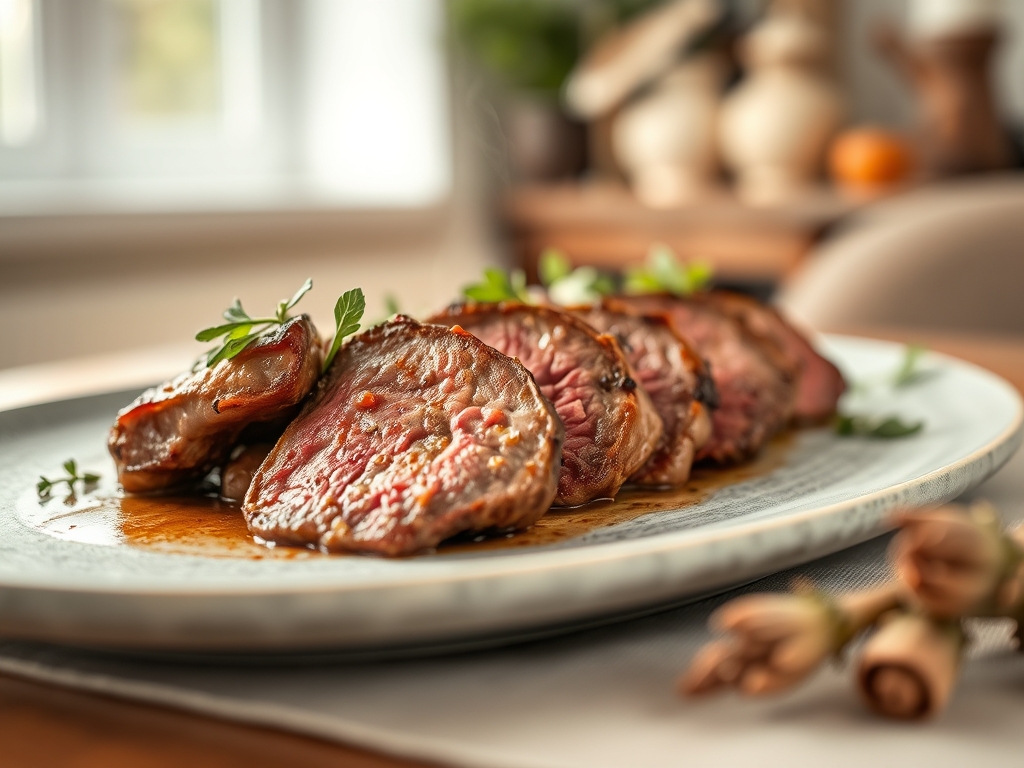
Imagine the kitchen air thickening with the scent of rosemary and rendered fat; it is a heavy, golden aroma that signals a masterpiece in progress. Most boneless roast beef recipes fail because they treat the meat like a chore rather than a chemical transformation. We are not just cooking dinner; we are orchestrating a symphony of amino acids and thermal energy. To achieve that edge to edge pink perfection, you need to understand the architecture of the muscle fibers. A boneless roast lacks the skeletal insulation of a bone in cut, which means it is more susceptible to the whims of your oven. However, with the right strategy, you can turn a humble top round or ribeye into a velvet textured centerpiece that melts on the tongue. We are diving deep into the mechanics of heat, salt, and time to ensure your next Sunday dinner is nothing short of legendary.
The Gathers:
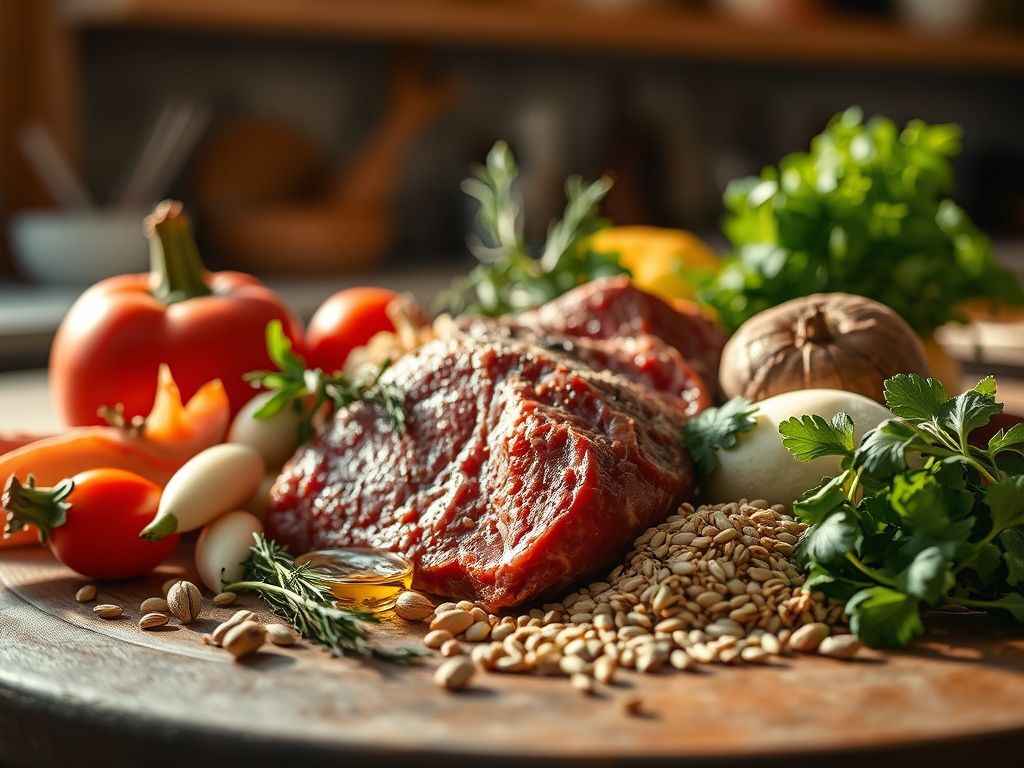
Setting your stage, or mise en place, is the difference between a frantic kitchen and a fluid one. You will need a high quality four to five pound boneless roast. For the ultimate crust, gather coarse kosher salt; the large grains are essential for drawing out moisture through osmosis. You will also need cracked black peppercorns, fresh garlic cloves, and a bundle of woody herbs like thyme and rosemary. These aromatics contain volatile oils that will infuse the fat as it renders.
For the searing phase, select a high smoke point oil like avocado or grapeseed oil. Butter is reserved for the final basting to avoid burning the milk solids too early. If you want to elevate the flavor profile, include a splash of dry red wine for the deglazing process.
Smart Substitutions: If you cannot find a prime rib, a "Poor Mans Prime Rib" (eye of round) works beautifully if you use a lower temperature. For a piquant kick, swap standard mustard for a stone ground Dijon. If you are avoiding alcohol, a high quality beef bone broth with a teaspoon of balsamic vinegar provides the necessary acidity to balance the richness of the proteins.
The Clock
The "Chef's Flow" is all about managing the transition of energy. You cannot rush a roast. Total preparation time is approximately 20 minutes of active work, but the "inactive" time is where the magic happens. Plan for at least 2 hours of roasting, depending on your desired internal temperature, plus a mandatory 30 minute rest.
The flow begins with the "Dry Brine" phase (at least 1 hour or up to 24 hours prior). Next is the "Tempering" phase, where the meat sits at room temperature for 60 minutes to ensure even heat penetration. Finally, the "Thermal Equilibrium" phase occurs during the rest, where the juices redistribute. If you skip the rest, you lose the viscous juices that make the meat succulent.
The Masterclass
1. The Salt Shield and Tempering
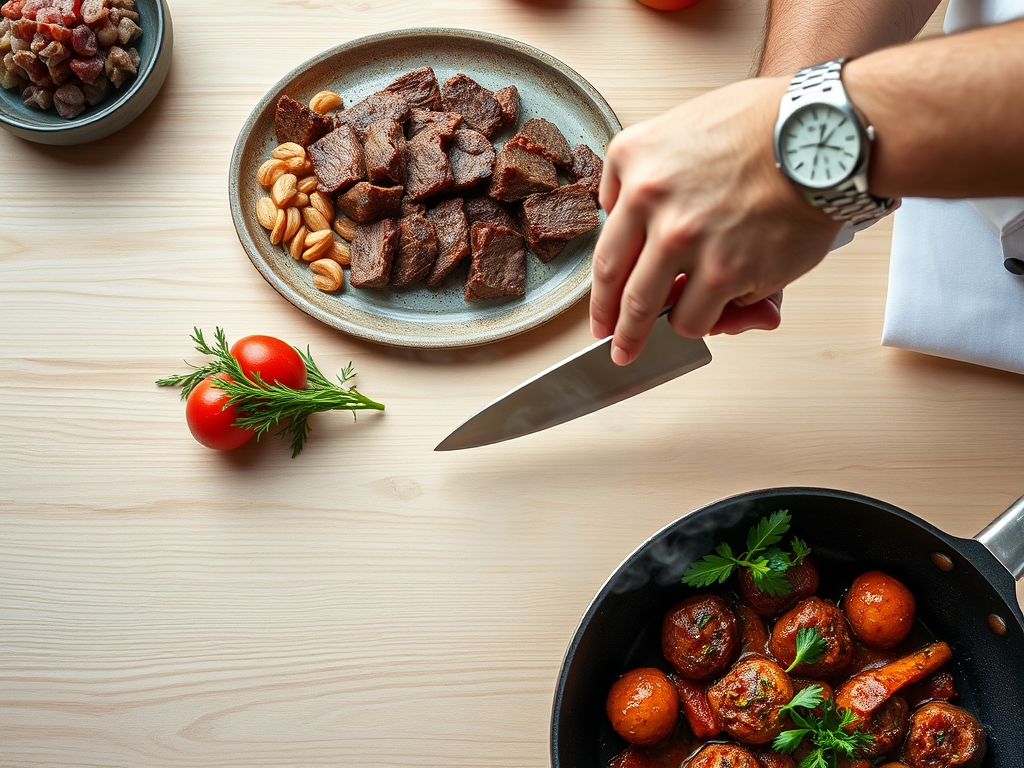
Begin by patting the meat bone dry with paper towels. Use a digital scale to measure your salt; a general rule is one percent of the meat's weight. Rub the salt and spices vigorously into every crevice. Let the roast sit on a wire rack over a baking sheet at room temperature.
Pro Tip: This process utilizes osmosis. Salt initially draws moisture out, but given enough time, the brine is reabsorbed into the muscle, seasoning the interior and breaking down tough proteins for a more tender bite.
2. The High Heat Sear
Heat a heavy-bottomed skillet (cast iron is king here) until it is screaming hot. Add your high smoke point oil. Use tongs to sear every side of the roast until a deep brown crust forms. This should take about 3 to 4 minutes per side.
Pro Tip: This is the Maillard Reaction. It is a chemical reaction between amino acids and reducing sugars that creates hundreds of different flavor compounds. Without this step, your roast will taste "boiled" rather than roasted.
3. The Low and Slow Roast
Transfer the roast to a roasting pan fitted with a rack. Insert a digital probe thermometer into the thickest part of the meat. Set your oven to a low temperature, ideally between 225F and 250F. This gentle heat prevents the outer layers from overcooking while the center reaches the target.
Pro Tip: Low temperature roasting minimizes collagen contraction. When meat is heated too quickly, the fibers squeeze out moisture like a sponge. Slow heating keeps the moisture trapped inside the cellular structure.
4. The Aromatic Baste
During the last 15 minutes of cooking, toss a knob of butter, smashed garlic, and herbs into the pan. Use a large spoon to continuously pour the melted fat over the roast. This is known as "arroser" in French cuisine.
Pro Tip: Fat is a flavor carrier. By basting with herb infused butter, you are creating a fat soluble flavor layer that clings to the crust, enhancing the piquant notes of the spices.
5. The Deglaze and Jus
Once the meat is removed, place the roasting pan over a burner. Add your wine or broth and use a bench scraper or whisk to lift the "fond" (the brown bits) from the bottom. Transfer this to a saucier and simmer until reduced by half.
Pro Tip: Deglazing uses a solvent (liquid) to dissolve the caramelized sugars and proteins stuck to the pan. This creates a highly concentrated, savory sauce that complements the richness of the beef.
6. The Sacred Rest
Move the roast to a warm carving board. Do not tent it tightly with foil; this will steam the crust and make it soggy. Let it sit undisturbed for at least 20 to 30 minutes before slicing with a sharp carving knife.
Pro Tip: This allows for thermal carryover. The internal temperature will rise another 5 to 10 degrees after leaving the oven. More importantly, it allows the proteins to relax and reabsorb the liquid, ensuring the juice stays in the meat and not on your board.
The Deep Dive
Macro Nutrition: A 6 ounce serving of boneless roast beef provides approximately 45 grams of protein and 18 grams of fat. It is an excellent source of bioavailable iron, B12, and zinc.
Dietary Swaps:
- Keto: This recipe is naturally keto friendly. Serve with a buttery cauliflower mash.
- Vegan: For guests, consider a "Lion's Mane Mushroom Roast" using the same searing and deglazing techniques to mimic the savory depth.
- Gluten-Free: Ensure your beef broth is certified GF and avoid using flour to thicken your jus; use a cornstarch slurry or a heavy cream reduction instead.
The Fix-It:
- The Meat is Grey: Your oven was too hot. Fix it next time by using a lower temp and a reliable oven thermometer.
- The Crust is Soft: You likely tented the meat too tightly with foil during the rest, trapping steam. Leave it uncovered or very loosely draped.
- The Sauce is Salty: You reduced the jus too much. Add a splash of unsalted broth or a pinch of sugar to balance the sodium.
Meal Prep: To reheat without losing quality, slice the beef while cold. Place slices in a shallow dish with a tablespoon of leftover jus, cover with parchment paper, and warm in a 300F oven for just 5 to 8 minutes. This prevents the "warmed over" flavor caused by lipid oxidation.
The Wrap-Up
Mastering boneless roast beef recipes is a rite of passage for any home cook. It is about respecting the science of the sear and the patience of the rest. When you pull that glistening, herb crusted beauty out of the oven, you aren't just serving a meal; you are serving a technical achievement. Grab your digital thermometer, trust the process, and get ready for the best roast of your life.
The Kitchen Table
How do I know when the roast is done?
Always use a digital probe thermometer. For medium rare, pull the meat at 125F. Carryover cooking will bring it to the ideal 130F to 135F during the rest. Never rely on time alone, as oven calibrations vary.
Why is my roast beef tough?
Toughness usually results from high heat causing muscle fibers to seize or skipping the tempering process. Cooking a cold roast causes uneven expansion. Always let the meat reach room temperature and use a low oven setting for the best results.
Can I cook a roast without a roasting rack?
Yes, you can create a natural rack using halved onions, carrots, and celery stalks. This elevates the meat, allowing hot air to circulate underneath while simultaneously flavoring the pan drippings for a more complex and savory jus.
What is the best cut for boneless roast beef?
For luxury, choose a boneless ribeye roast. For a balance of flavor and value, a top sirloin or "top round" is excellent. These cuts have enough intramuscular fat to stay juicy during the dry roasting process.