
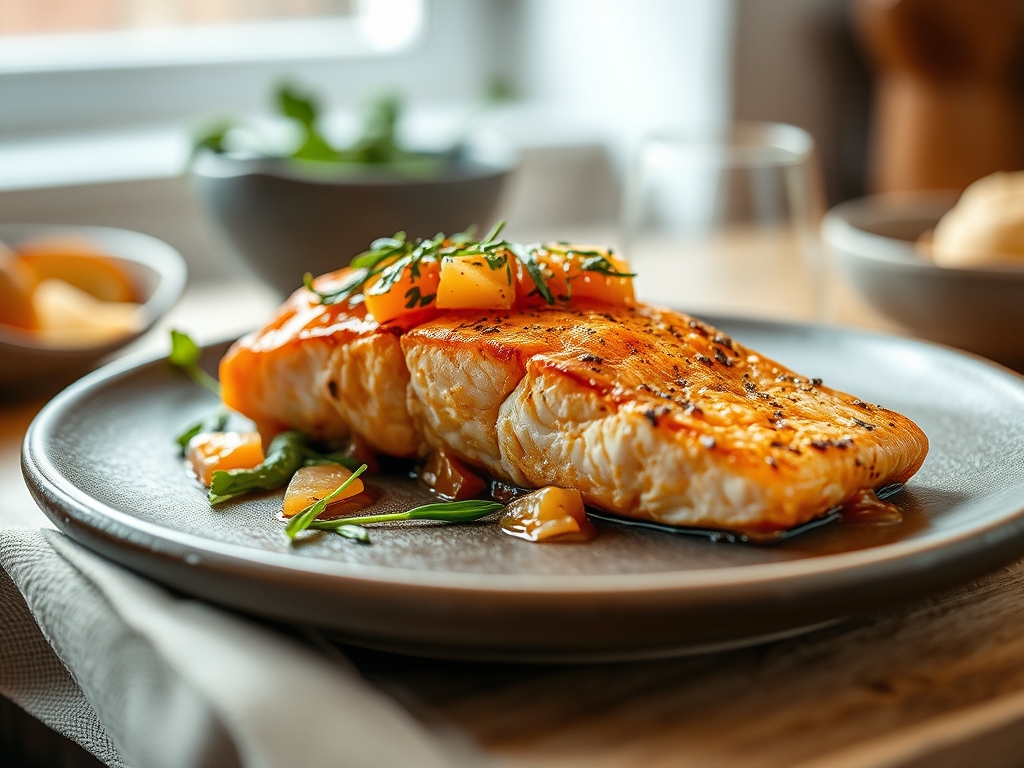
Imagine the sharp, rhythmic sound of a chef knife hitting a wooden board as you dice a ruby-red tomato. The air fills with the piquant scent of lime zest and the earthy, sulfurous snap of freshly chopped cilantro. When you master salsa salmon recipes, you are not just cooking; you are orchestrating a high-contrast masterpiece of thermal dynamics and acid-base balance. The goal is a fillet with a crust so crisp it shatters, topped with a cold, vibrant salsa that cuts through the rich, fatty lipids of the fish. This is the ultimate weeknight flex that looks like a five-star plating.
The secret to why salsa salmon recipes work so well lies in the interaction between the heavy omega-3 fatty acids and the citric acid in your topping. While the salmon provides a buttery, savory mouthfeel, the salsa acts as a palate cleanser. Every bite resets your taste buds, ensuring the last forkful is just as exciting as the first. We are going to dive deep into the molecular mechanics of the perfect sear and the osmotic pressure of a great marinade. Grab your apron; we are about to turn your kitchen into a high-end bistro.
The Gathers:
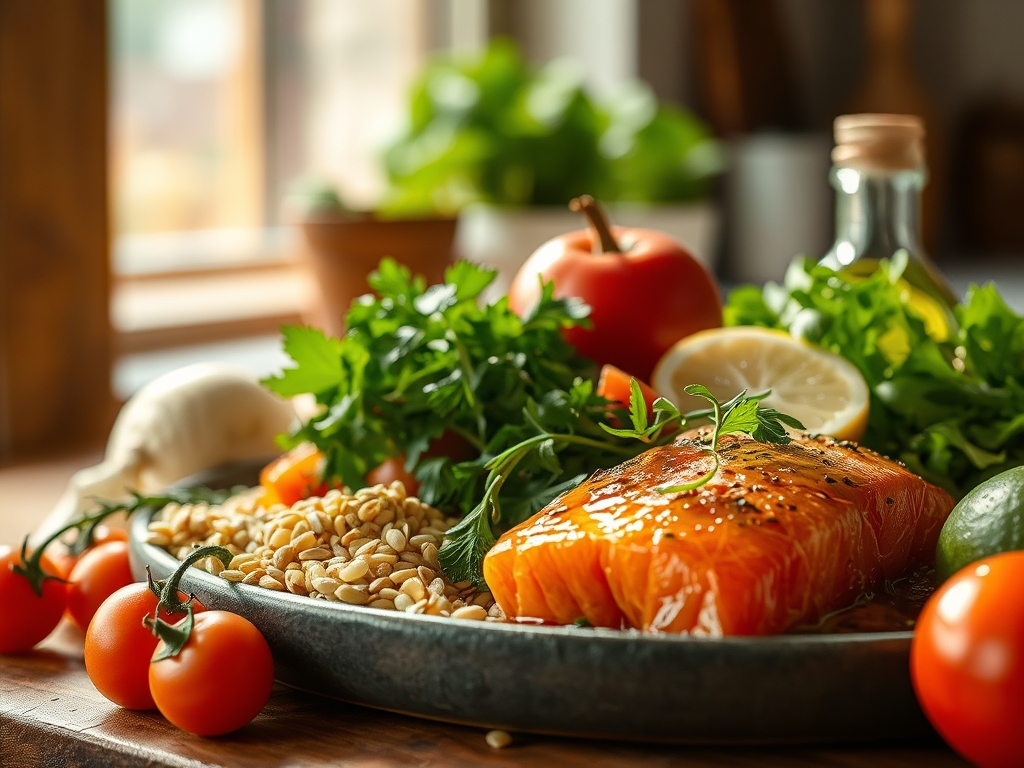
To achieve professional results, your mise-en-place must be precise. Start with high-quality Atlantic or King salmon fillets, ideally center-cut for uniform thickness. You will need a high-smoke-point oil like avocado oil to facilitate the Maillard reaction without scorching. For the salsa, gather Roma tomatoes (which have a lower water content), red onion for pungent crunch, jalapeños for capsaicin heat, and limes for essential acidity.
Your toolkit is just as important as your ingredients. Pull out your heavy-bottomed skillet, preferably cast iron or stainless steel, to ensure even heat distribution. You will also need a microplane for zesting, a bench scraper to neatly transfer your diced aromatics, and a digital scale if you want to be precise with your portions.
Smart Substitutions:
If you find yourself without lime, a splash of rice vinegar offers a similar pH level to brighten the dish. No salmon? Steelhead trout is a fantastic biological twin with a slightly milder flavor profile. For those avoiding nightshades, a fruit-based salsa using mango or pineapple provides the necessary sugars to balance the savory fish.
The Clock: Timing Your Chef's Flow
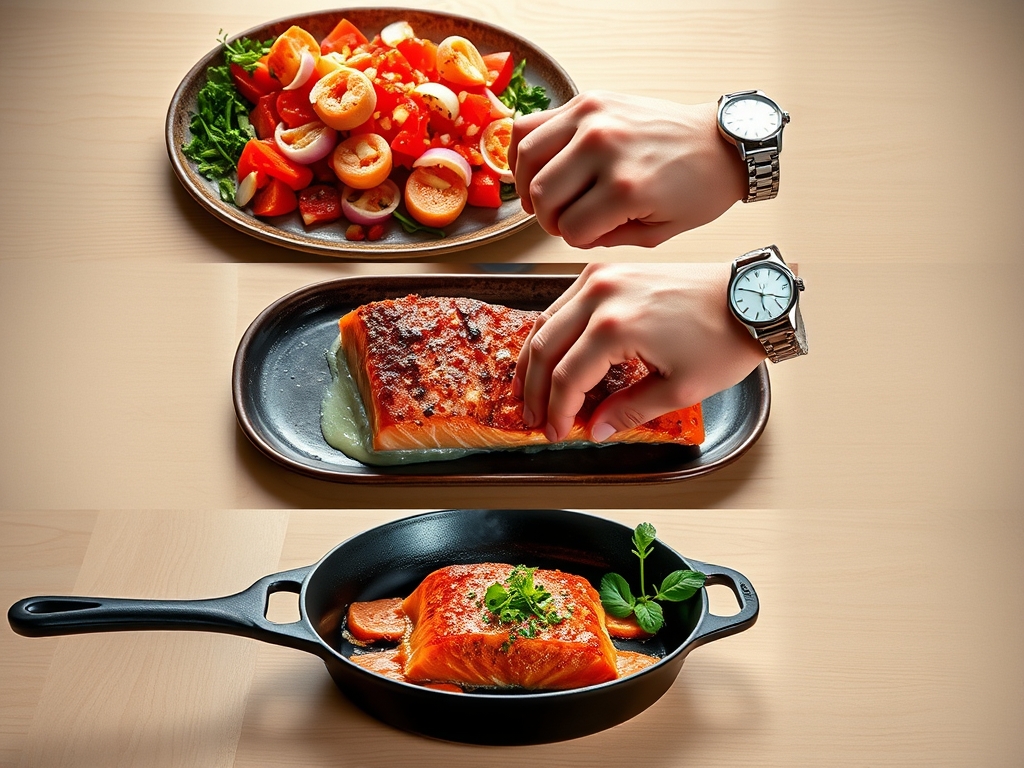
Efficiency in the kitchen is all about managing your "Chef's Flow." The total active time for this dish is approximately 15 minutes, with a cook time of 8 to 10 minutes depending on the thickness of your protein.
Start by prepping your salsa first. This allows the salt to draw out the juices of the vegetables through osmosis, creating a natural dressing. While the salsa flavors meld, focus on the salmon. The fish should sit at room temperature for 10 minutes before hitting the pan; this prevents the muscle fibers from seizing up, which can lead to a tough texture. By the time your skillet is screaming hot, your salsa is ready and your fish is tempered.
The Masterclass:
1. The Desiccating Prep
Use a paper towel to pat the salmon skin bone-dry. Moisture is the enemy of a crisp sear because water absorbs thermal energy to evaporate, preventing the surface from reaching the temperatures required for browning.
Pro Tip: This is known as surface evaporation. By removing moisture, you ensure the heat goes directly into the proteins and fats rather than wasting energy turning water into steam.
2. The Seasoning Bridge
Season the fillets generously with kosher salt and cracked black pepper from a height to ensure even distribution. Do not salt too early, or the salt will draw out internal moisture and ruin your sear.
Pro Tip: Salt acts as a denaturant, beginning to break down protein structures. Seasoning right before the pan hits the heat preserves the internal juiciness of the fish.
3. The Thermal Contact
Heat your heavy-bottomed skillet over medium-high heat until the oil shimmers. Place the salmon skin-side down (or presentation side down) and press firmly with a fish spatula for 30 seconds to prevent the skin from curling.
Pro Tip: Pressing the fish ensures maximum conductive heat transfer. This prevents the "cupping" effect caused by the rapid contraction of collagen fibers in the skin.
4. The Patient Sear
Resist the urge to move the fish. Let it cook undisturbed for about 5 to 6 minutes. You will see the opaque color creep up the sides of the fillet.
Pro Tip: This is the Maillard reaction at work. The amino acids and reducing sugars are rearranging to create hundreds of different flavor compounds and that characteristic golden-brown crust.
5. The Flip and Finish
Use tongs to gently flip the fillet once it releases naturally from the pan. Cook for another 2 to 3 minutes. The internal temperature should hit 125 degrees Fahrenheit for a perfect medium-rare.
Pro Tip: Utilize thermal carryover. The internal temperature will continue to rise by 5 degrees after you remove it from the heat; pulling it early prevents overcooking.
6. The Salsa Aeration
While the fish rests, give your salsa a final toss. Add a drizzle of extra virgin olive oil to create a viscous mouthfeel that coats the palate.
Pro Tip: Adding fats to the salsa helps infuse the fat-soluble flavor compounds from the peppers and onions, making the topping taste more cohesive.
7. The Resting Phase
Let the salmon rest on a warm plate for 3 minutes before topping. This allows the juices to redistribute throughout the muscle fibers.
Pro Tip: Resting prevents the "bleeding" of juices. If you cut in too soon, the pressure from the contracted fibers will push all the moisture out onto the plate.
8. The Final Assembly
Spoon the salsa over the crispy skin right before serving. This maintains the textural contrast between the hot, crunchy fish and the cold, juicy topping.
Pro Tip: This creates a sensory contrast known as "thermally discordant" eating, which is a hallmark of high-end culinary plating.
The Deep Dive:
From a nutritional standpoint, salsa salmon recipes are a powerhouse. A standard 6-ounce fillet provides roughly 34 grams of high-quality protein and is rich in Vitamin B12 and Potassium. The salsa adds a boost of Vitamin C and Lycopene without adding significant caloric density.
Dietary Swaps:
For a Keto version, ensure your salsa contains no added sugars or high-carb fruits like mango. Vegan diners can swap the salmon for a thick slice of roasted cauliflower or "tuna" made from marinated watermelon. This recipe is naturally Gluten-Free, provided your seasonings are pure.
The Fix-It: Common Pitfalls
- The Skin Sticks: This usually happens if the pan wasn't hot enough or you tried to flip too early. Fix: Wait for the protein to naturally release; it will "tell" you when it is ready.
- Albumin Bleed: Those white bubbles are coagulated protein. Fix: This happens from cooking too fast at too high a heat. Lower the flame slightly next time.
- Soggy Skin: This occurs if you put the salsa on too early. Fix: Only top the fish at the literal moment of service.
Meal Prep & Reheating:
To maintain "day-one" quality, store the salmon and salsa in separate airtight containers. When reheating, use a toaster oven at 275 degrees Fahrenheit to gently warm the fish without overshooting the internal temp. Never microwave the salsa; the fresh enzymes will break down and turn the vegetables into mush.
The Wrap-Up:
Mastering salsa salmon recipes is a fast track to becoming the most confident cook in your circle. It is a dish that relies on fundamental scientific principles: moisture control, heat management, and acid balance. Once you understand how the Maillard reaction creates flavor and how osmosis builds a better salsa, you can riff on this recipe infinitely. Whether you are hosting a summer patio party or just treating yourself to a high-protein Tuesday lunch, this technique is your new secret weapon. Now, go get that skillet screaming hot!
The Kitchen Table:
How do I get the salmon skin extra crispy?
The key is total dehydration. Pat the skin with paper towels and let it air-dry in the fridge for 30 minutes. Use a heavy-bottomed skillet and don't move the fish until it releases naturally from the pan surface.
Can I use frozen salmon for this recipe?
Yes, but thaw it completely in the refrigerator first. Frozen fish often releases more moisture, so you must be extra diligent about patting it dry to ensure the Maillard reaction occurs instead of steaming the meat.
What is the best way to store leftovers?
Store the cooked salmon and the fresh salsa in separate airtight containers for up to two days. Keeping them separate prevents the acidity in the salsa from breaking down the texture of the fish while it sits in the fridge.
Is it better to bake or pan-sear the salmon?
Pan-searing is superior for salsa salmon recipes because it creates a textural contrast. The high heat of the pan develops a crispy crust that stands up beautifully against the cold, wet texture of the fresh salsa topping.