
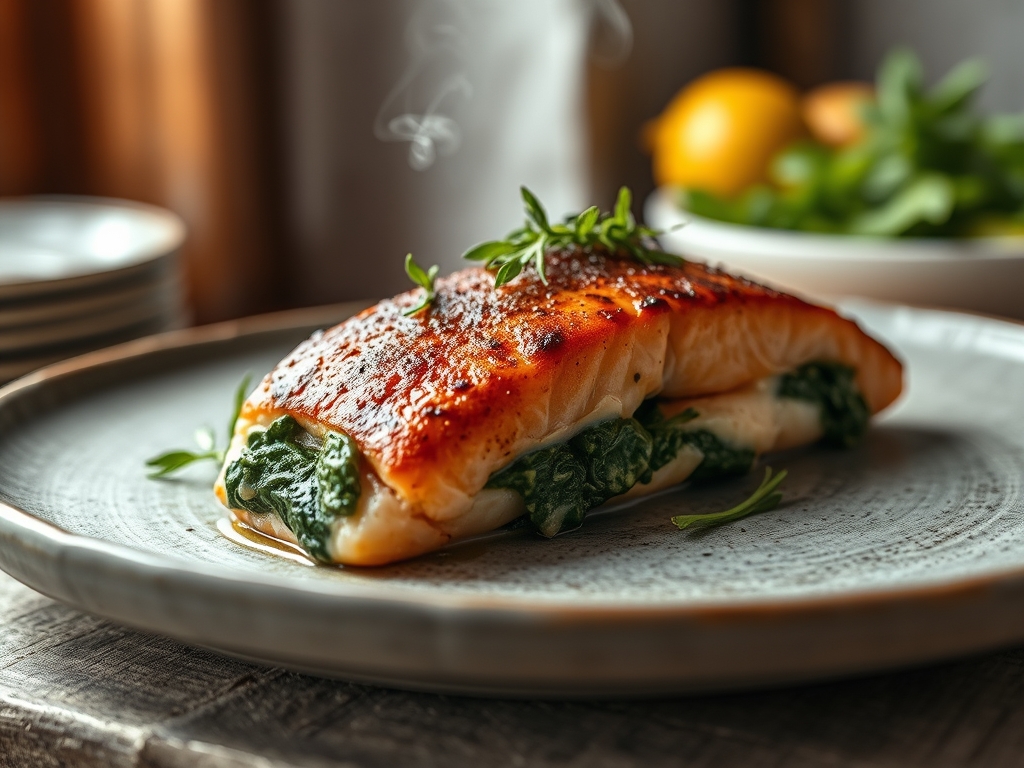
Close your eyes and imagine the sound of a heavy bottomed skillet meeting a cold burner; that rhythmic, metallic ring that signals the start of something transformative. You are about to master the art of the sear, where the cool, fatty marbling of a prime fillet meets a vibrant, piquant green center. These spinach stuffed salmon recipes are not just dinner; they are a masterclass in texture and temperature control. We are aiming for that shatteringly crisp skin paired with a molten, creamy interior that feels like a secret hidden inside a gift. It is the ultimate flex for your next dinner party or a Tuesday night when you simply need to feel like a culinary god.
The magic of this dish lies in the contrast. You have the oily, rich profile of the Atlantic salmon acting as a thermal insulator for the delicate, garlic infused greens tucked inside. When you slice through the center, the visual payoff is immediate. The deep coral of the fish gives way to a lush, emerald green core that has been gently steamed from the inside out. This is where high end bistro vibes meet the comfort of home cooking, all while keeping your macros in check and your palate thoroughly entertained. Let us get into the grit of how we make this happen.
The Gathers:
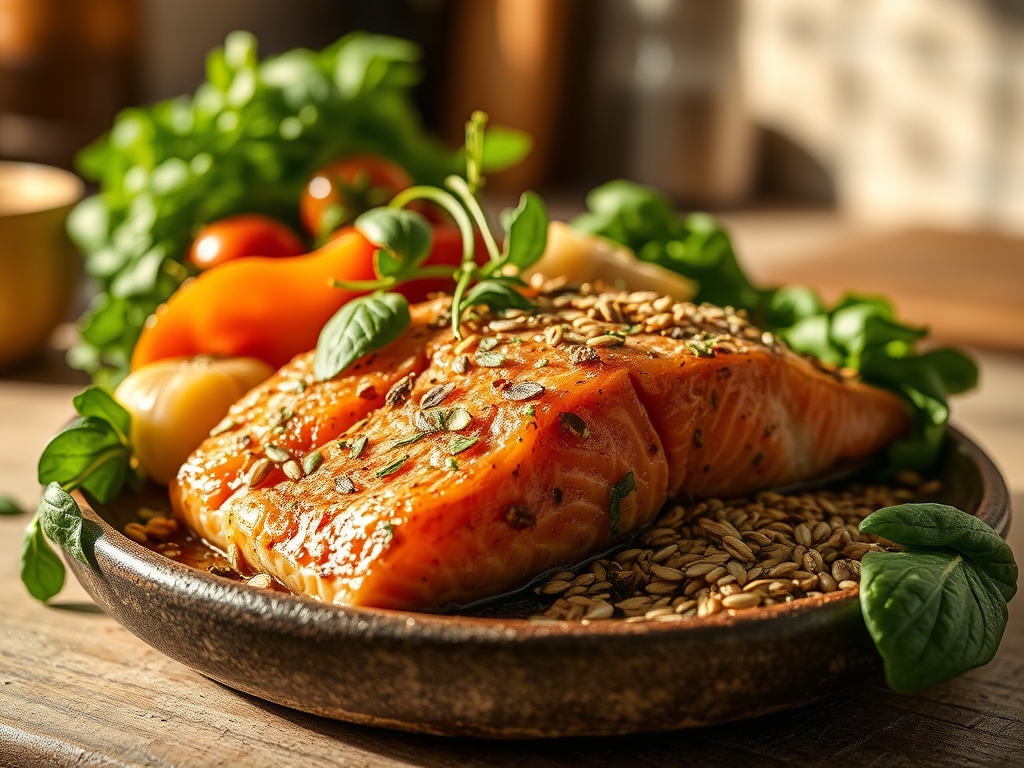
Before we ignite a single flame, we must respect the mise-en-place. To execute these spinach stuffed salmon recipes with precision, your station needs to be organized by density and moisture content. Start with the salmon fillets; look for "center cut" pieces that are at least two inches thick. This thickness is non-negotiable because we need enough vertical real estate to create a structural pocket without piercing the lateral walls of the fish.
Your spinach must be fresh, but more importantly, it must be dry. Water is the enemy of the sear. Use a salad spinner to remove every trace of residual moisture from your baby spinach leaves. For the binder, we are looking for high fat cream cheese or a viscous Greek yogurt to ensure the stuffing does not weep during the cooking process. You will also need a microplane for zesting lemons and grating fresh garlic into a fine paste. This tool ensures the aromatics melt into the fat rather than burning on the surface of the pan.
Smart Substitutions: If you are dodging dairy, a cashew based "cheese" provides the same lactic tang and creamy mouthfeel. For the greens, if baby spinach is unavailable, lacinato kale works beautifully, though it requires a quick blanch to soften the fibrous ribs. If you want to elevate the umami profile, swap standard salt for smoked Maldon flakes or a dash of nutritional yeast in the filling to mimic the depth of aged parmesan.
The Clock
The "Chef's Flow" is all about overlapping tasks to minimize downtime. Total preparation time sits at approximately 15 minutes, while the active cook time is a swift 12 to 14 minutes. The secret is the rest period. Just like a steak, salmon requires a five minute repose on a warm plate to allow the juices to redistribute.
If you are prepping for a crowd, you can butterfly and stuff the fillets up to four hours in advance. Keep them tightly wrapped in the refrigerator. This actually aids the cooking process because the cold protein will hold its shape better when it first hits the scorching surface of your skillet. Always pull the fish from the fridge ten minutes before cooking to take the chill off; this prevents the outside from overcooking while the center remains raw.
The Masterclass
1. The Precision Pocket
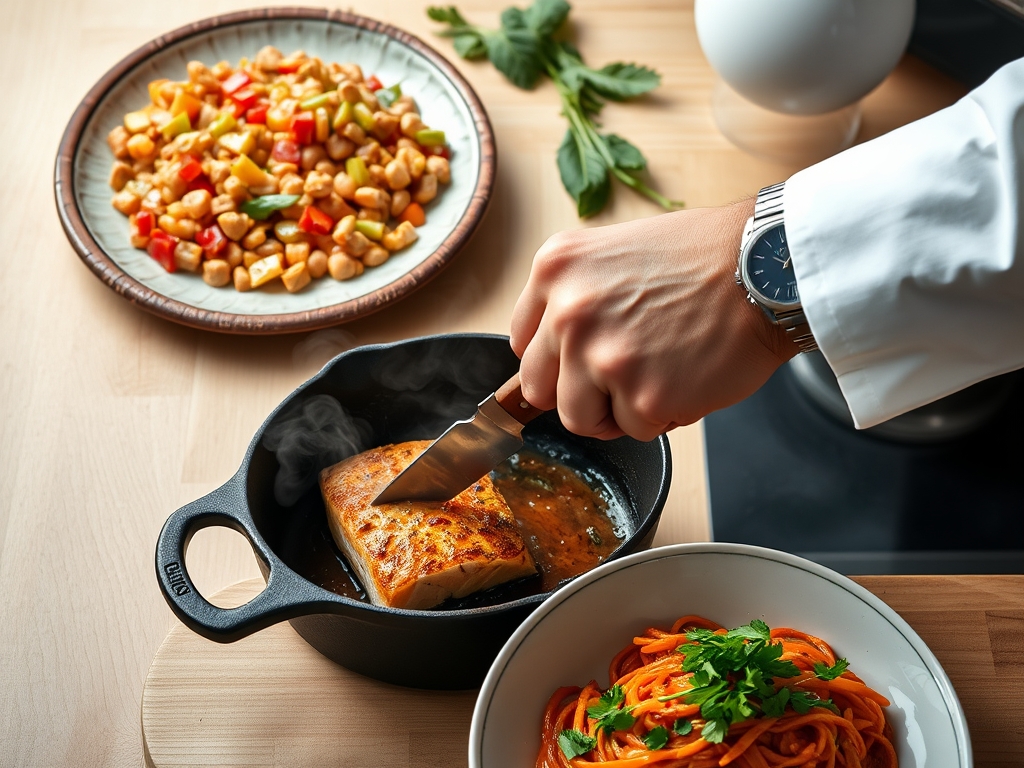
Using a sharp paring knife, slice a horizontal slit into the thickest part of the fillet. Do not cut all the way through; leave a half inch border on the three remaining sides to create a secure envelope.
Pro Tip: This is about structural integrity. By leaving a border, you prevent the stuffing from leaking out and creating a steam barrier in the pan. Steam prevents the Maillard reaction, which is the chemical dance between amino acids and reducing sugars that creates that golden, savory crust.
2. The Aromatic Infusion
In a small mixing bowl, combine your wilted spinach, cream cheese, garlic paste, and lemon zest. Use a silicone spatula to fold the ingredients together until the mixture is homogenous and aerated.
Pro Tip: Using a microplane for the garlic creates a paste that increases surface area. This allows the sulfurous compounds in the garlic to distribute evenly through the fat of the cheese, ensuring every bite has a consistent, piquant punch without the bitterness of burnt chunks.
3. The Stuffing Phase
Gently pull back the top flap of the salmon and spoon in the filling. Use the back of a spoon to press it into the corners. Do not overstuff; the fish will contract as it cooks, and an overfilled pocket will burst.
Pro Tip: This stage relies on thermal mass. A dense filling takes longer to heat than the surrounding fish. By keeping the stuffing layer consistent, you ensure the salmon reaches its target internal temperature of 145 degrees Fahrenheit at the exact moment the filling becomes molten.
4. The Seasoning Barrier
Pat the exterior of the fish bone dry with paper towels. Season aggressively with kosher salt and cracked black pepper. The salt should be applied just seconds before the fish hits the pan to prevent it from drawing out moisture.
Pro Tip: Salt is hygroscopic, meaning it attracts water. If you salt the salmon too early, it creates a layer of brine on the surface. This brine absorbs heat energy to evaporate, which prevents the surface temperature from rising high enough to achieve a crisp, caramelized finish.
5. The Searing Ritual
Heat a heavy-bottomed skillet over medium high heat with a high smoke point oil like avocado or grapeseed. Place the salmon skin side down (or "presentation side" down if skinless) and press firmly with a flexible fish spatula for 30 seconds.
Pro Tip: Pressing the fish prevents the protein fibers from curling as they hit the heat. This ensures maximum surface contact with the pan, leading to an even, mahogany crust and preventing the "gray band" of overcooked fish that occurs with uneven heating.
6. The Flip and Finish
Once the salmon releases easily from the pan, flip it carefully using wide tongs. Lower the heat slightly and add a knob of butter and a sprig of thyme to the pan. Use a spoon to baste the fish with the foaming butter.
Pro Tip: This is butter basting, or "arroser." The hot butter acts as a finishing liquid that carries the flavor of the aromatics into the crevices of the fish while providing a final burst of heat to the top of the stuffing pocket.
7. The Resting Period
Remove the salmon from the pan and place it on a wire rack or a warm plate. Let it sit for at least four minutes before serving.
Pro Tip: This accounts for thermal carryover. The internal temperature will continue to rise by 3 to 5 degrees after being removed from the heat. Resting allows the muscle fibers to relax and reabsorb the rendered fats, resulting in a much silkier texture.
The Deep Dive
When we look at the macro nutrition of these spinach stuffed salmon recipes, we are looking at a powerhouse of Omega-3 fatty acids and high quality protein. A standard 6 ounce serving provides roughly 45 grams of protein and 28 grams of healthy fats. It is naturally Keto friendly and Gluten Free, provided you skip any breadcrumb fillers in the stuffing.
The Fix-It:
If your stuffing is too runny, you likely did not squeeze enough water out of the spinach. Fix this by adding a tablespoon of almond flour to the mix to absorb excess moisture. If the salmon skin is sticking, your pan was not hot enough; next time, wait for the oil to shimmer and "whisper" smoke. If the fish is dry but the center is cold, your heat was too high. Lower the flame and use a lid for the final two minutes to trap steam and heat the core faster.
Meal Prep Science:
To reheat, avoid the microwave at all costs. The microwave excites water molecules, which turns your tender salmon into rubber. Instead, use an air fryer at 300 degrees Fahrenheit for 4 minutes. This dry heat recrisps the exterior while gently warming the fatty interior without over-coagulating the proteins.
The Wrap-Up
You now hold the keys to a culinary masterpiece that balances high level chemistry with soul warming flavor. These spinach stuffed salmon recipes are a testament to how simple ingredients, when treated with technical respect, can become something truly extraordinary. Whether you are cooking for a partner or just treating yourself to a solo feast, remember that the secret is in the sear and the soul is in the stuffing. Now, grab your skillet and go make some magic happen.
The Kitchen Table
Can I use frozen spinach for this recipe?
Yes, but you must thaw it completely and squeeze it through a clean kitchen towel until it is bone dry. Frozen spinach holds significantly more water than fresh, which can ruin the texture of the salmon if not properly drained.
How do I know when the salmon is perfectly cooked?
The most reliable method is using a digital thermometer to hit an internal temperature of 145 degrees Fahrenheit. Visually, the fish should be opaque and flake easily with a fork, while the stuffing should be steaming and soft.
What side dishes pair best with stuffed salmon?
Look for bright, acidic sides to cut through the richness of the fish and cream cheese. A crisp arugula salad with a lemon vinaigrette, roasted asparagus, or a light quinoa pilaf with fresh herbs are all excellent choices for balance.
Can I bake this instead of pan-searing?
Absolutely. Preheat your oven to 400 degrees Fahrenheit and bake for 12 to 15 minutes. While you will lose the intense crust of a pan sear, baking is a more hands-off approach that ensures even heating for the stuffing.