
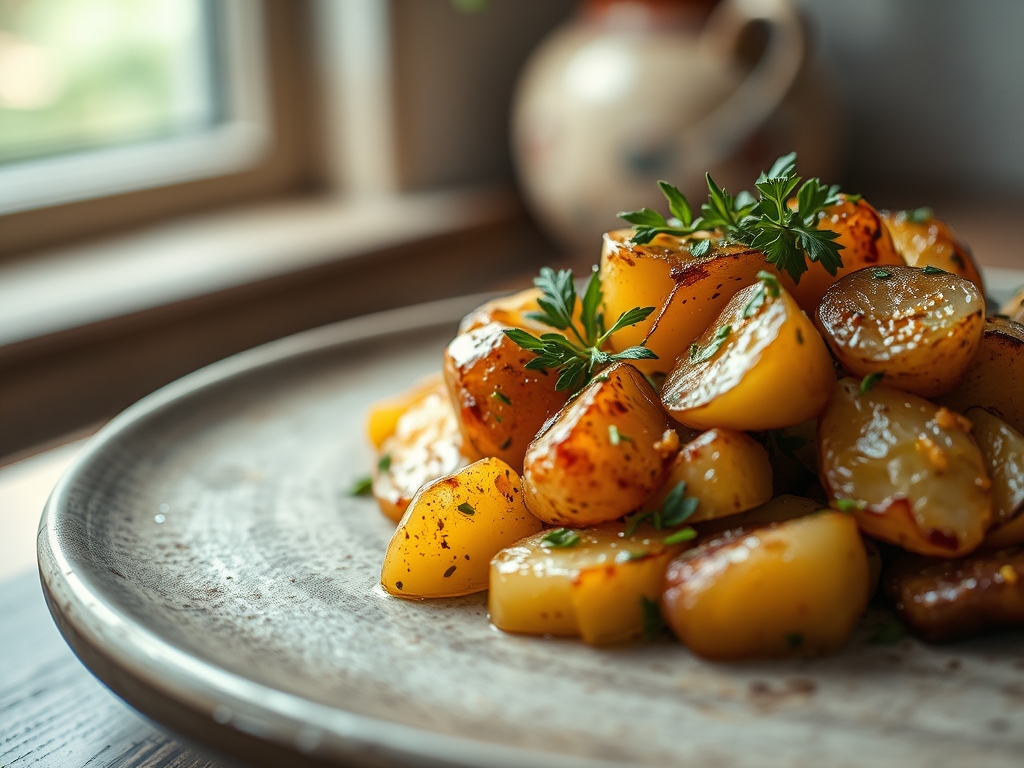
Close your eyes and listen for that specific, rhythmic sizzle. It is the sound of moisture rapidly evaporating from a starch cell as it meets a shimmering pool of fat. If you have been searching for the ultimate sauteed potato recipes, you are likely chasing that elusive, glass-like exterior and the pillowy, cloud-like interior that defines a perfect brunch.
The secret to a world-class potato is not just the heat; it is the chemistry of the surface area. When we saute, we are essentially managing a delicate dance of sugar caramelization and protein denaturation. We want a crust so crisp it shatters, yet a center that melts like butter. Achieving this requires more than just a pan and a prayer. It requires an understanding of how starch granules swell and how the Maillard reaction transforms a humble tuber into a golden masterpiece. Whether you are using a heavy-bottomed skillet or a seasoned carbon steel pan, these hacks will elevate your side dish from a soggy afterthought to the undisputed star of the plate.
The Gathers:
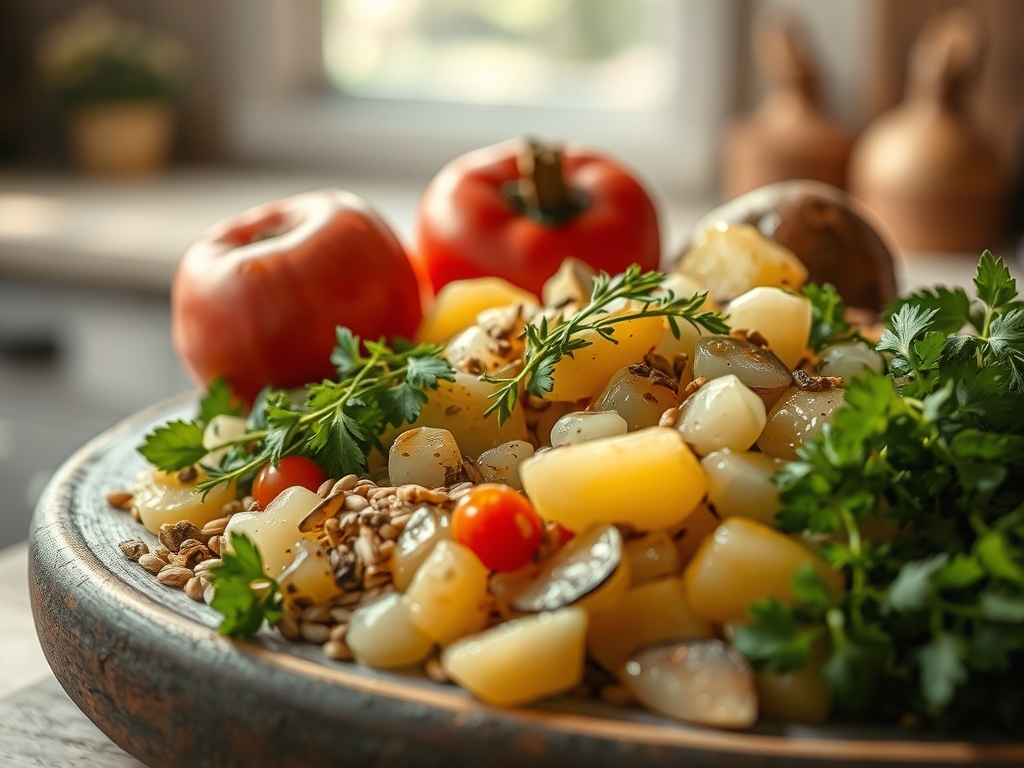
To begin our journey into the perfect sauteed potato recipes, we must assemble a mise-en-place that respects the structural integrity of the potato. Start with high-starch varieties like Russets for maximum fluff, or waxy Yukon Golds for a creamy, buttery mouthfeel. You will need a digital scale to ensure uniform sizing; consistency is the key to even heat distribution.
The fat selection is equally critical. We are looking for a high smoke point combined with rich flavor. A combination of rendered duck fat and neutral grapeseed oil provides a piquant depth while allowing for high-temperature searing without acridity. For aromatics, gather fresh rosemary sprigs, unpeeled garlic cloves to prevent burning, and flaky sea salt.
Smart Substitutions:
If you are avoiding animal fats, a high-quality avocado oil works beautifully. For a flavor boost without the dairy, use a saucier to create a brown butter solids infusion, then strain them to keep the smoke point high. If you lack fresh herbs, a pinch of smoked paprika or nutritional yeast can add an earthy, umami-rich dimension to the finished crust.
The Clock: Managing the Chef's Flow
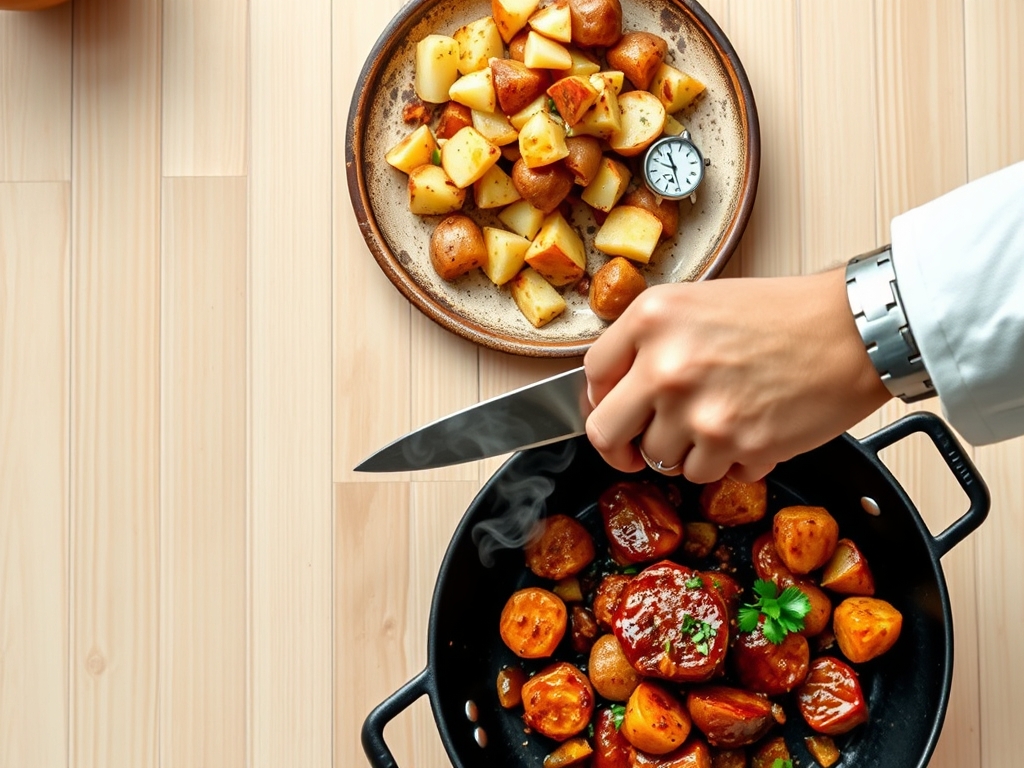
Efficiency in the kitchen is about "The Flow." Expect a total commitment of 45 minutes from soil to plate. Your active prep time is roughly 15 minutes, which includes washing, peeling, and precise dicing with a sharp chef's knife. The "inactive" time involves a crucial 10-minute parboil and a 5-minute air-dry period.
The actual sauteing takes approximately 15 to 20 minutes. A professional chef never rushes the initial sear. By staggering your tasks, you can prepare a bright chimichurri or a zesty aioli while the potatoes undergo their final crisping phase. This ensures that every component of your meal hits the table at the peak of its thermal glory.
The Masterclass: 8 Hacks for Ultra-Crispy Results
1. The Alkaline Parboil
Before the pan even gets hot, simmer your potato cubes in water spiked with a half-teaspoon of baking soda. This breaks down the pectin on the surface, creating a starchy slurry that will eventually crisp up into a thick, craggy crust.
Pro Tip: This technique increases the surface area for the Maillard reaction. By creating more "nooks and crannies," you maximize the potential for crunch through enzymatic browning.
2. The Total Dehydration Phase
After draining, spread the potatoes on a wire rack. Use a bench scraper to move them gently without breaking the edges. Let them steam-dry for five minutes until the surface looks matte and chalky.
Pro Tip: Moisture is the enemy of the sear. If the surface is wet, the energy of the pan goes into evaporating water rather than browning the starch, leading to a steamed, limp texture.
3. The Cold-Start Infusion
Place your fat, garlic, and woody herbs in the skillet while it is still cool. Gradually bring the temperature up to render the aromatic oils into the cooking medium before adding the potatoes.
Pro Tip: This allows the flavors to infuse the fat deeply without burning the delicate garlic solids, ensuring every bite is seasoned from the outside in.
4. The Crowding Commandment
Never overlap your potatoes. Use a heavy-bottomed skillet large enough to give every cube its own "personal space." If you hear a hiss instead of a roar, you have added too many at once.
Pro Tip: Crowding the pan drops the temperature of the oil and traps steam. This prevents the formation of a viscous fat barrier, which is essential for that fried-like exterior.
5. The "No-Touch" Rule
Once the potatoes hit the oil, do not move them for at least four minutes. Use tongs to check just one piece. If it releases easily from the pan, it is ready to be flipped.
Pro Tip: This patience allows for the formation of a continuous crust. Moving them too early tears the developing starch mesh, causing the potato to stick and break.
6. The Acidic Deglaze
Halfway through cooking, add a tiny splash of apple cider vinegar or lemon juice. It will evaporate almost instantly, but the acidity brightens the heavy fats.
Pro Tip: Acidity acts as a flavor "highlighter." It cuts through the richness of the duck fat or butter, making the earthy potato flavors more prominent on the palate.
7. The Microplane Finish
In the final sixty seconds, zest a bit of lemon or grate a clove of fresh garlic over the pan using a microplane. The residual heat will cook the aromatics just enough to remove the "bite" without scorching them.
Pro Tip: This creates a layer of "fresh" flavor that sits on top of the "cooked" flavors, providing a complex, multi-dimensional sensory experience.
8. The Thermal Carryover Rest
Transfer the potatoes to a warm bowl lined with a paper towel for exactly sixty seconds before serving. This allows the internal steam to redistribute without softening the crust.
Pro Tip: Thermal carryover means the centers continue to cook for a moment after leaving the pan. This brief rest ensures the interior is fully "pillowed" while the exterior stays rigid.
The Deep Dive: Nutrition and Troubleshooting
When we look at the macro nutrition of these sauteed potato recipes, a standard serving provides roughly 220 calories, primarily from complex carbohydrates and healthy fats. To keep it Vegan, stick to avocado or coconut oil. For a Keto-friendly swap, try this exact method with radishes or cauliflower florets; they won't have the same starch, but the technique still yields a lovely char.
The Fix-It: Common Pitfalls
- The Potatoes are Greasy: Your oil wasn't hot enough. Fix: Ensure the oil is shimmering and "legs" form on the side of the pan before adding starch.
- The Exterior is Burnt, Interior is Raw: Your heat is too high. Fix: Lower the flame and add a tablespoon of water, then cover with a lid for 60 seconds to steam the centers.
- The Potatoes are Sticking: You likely used a thin pan or didn't wait for the crust to form. Fix: Use a fish spatula to gently pry them up and add a touch more oil.
Meal Prep Science:
To reheat and maintain "day-one" quality, avoid the microwave. The microwave agitates water molecules, which turns the starch into a gummy mess. Instead, use an air fryer or a dry skillet to re-crisp the exterior via conduction.
The Wrap-Up
Mastering sauteed potato recipes is a rite of passage for any home cook. It is a perfect blend of physics and art; a testament to how simple ingredients can be transformed through technique. By focusing on dehydration, temperature control, and the right tools, you can create a dish that feels like a warm hug in a bowl. Now, grab your skillet and go make some noise in that kitchen!
The Kitchen Table: FAQ
Why are my sauteed potatoes always mushy?
Mushiness usually stems from excess moisture or crowding the pan. Ensure you parboil with baking soda and air-dry the potatoes thoroughly. Never overlap pieces; steam trapped between potatoes will soften the crust you are trying to build.
What is the best oil for sauteing potatoes?
Use an oil with a high smoke point like avocado, grapeseed, or clarified butter (ghee). These fats can withstand the high temperatures required for the Maillard reaction without breaking down into bitter, smoky compounds.
Should I peel potatoes before sauteing?
Peeling is a matter of preference. Russets have thick skins that can become tough, so peeling is recommended. Yukon Golds have thin, delicate skins that add a lovely texture and earthy flavor if left intact.
Can I use frozen potatoes for these recipes?
Yes, but thaw them and pat them completely dry first. Frozen potatoes are often blanched, so you can skip the parboiling step. However, they may lack the craggy surface area of fresh, hand-cut potatoes.
How do I get the salt to stick to the potatoes?
Season the potatoes immediately after they come out of the hot oil. The residual fat on the surface acts as a glue, ensuring the salt crystals adhere evenly rather than falling to the bottom of the bowl.