
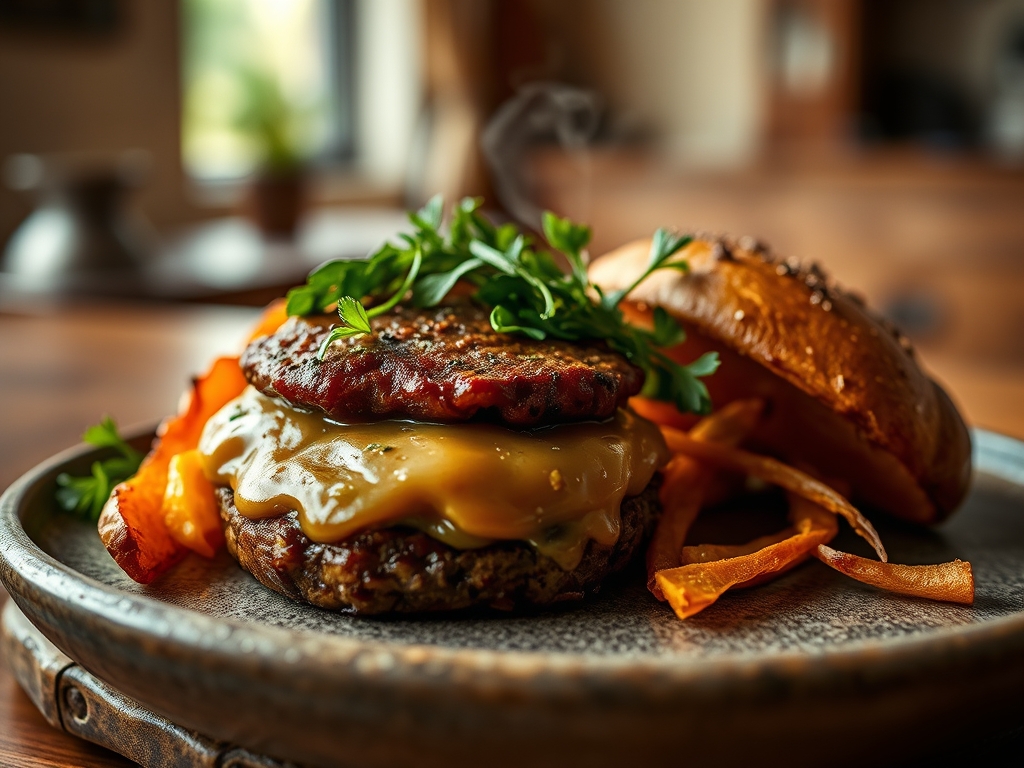
Imagine the sizzle of cold, marbleized beef hitting a preheated cast iron skillet; that instant, percussive hiss is the sound of amino acids and reducing sugars beginning their transformative dance. When you pair the deep, umami-rich profile of ground beef with the earthy, vanillic sweetness of a roasted yam, you create the ultimate culinary synergy. Exploring hamburger and sweet potato recipes is about more than just a balanced plate; it is about the structural contrast between a savory protein and a complex carbohydrate that caramelizes into a candy-like finish.
Whether you are craving a deconstructed burger bowl or a layered shepherd's pie, the chemistry of these two ingredients is undeniable. We are moving beyond the basic patty and fries. We are talking about emulsified sauces, Maillard-driven crusts, and the precise thermal management required to keep your beef succulent while your potatoes reach that elusive, pillowy interior. This is the intersection of comfort food and molecular precision, designed for the home cook who wants their kitchen to smell like a high-end bistro.
The beauty of this pairing lies in the moisture content. Sweet potatoes act as a natural humectant when incorporated into meatloaf or sliders, ensuring the beef never turns into a dry, granular mess. On the flip side, the rendered fat from a high-quality 80/20 ground chuck seasons the potatoes far more effectively than olive oil ever could. We are going to dive into nine distinct variations of this duo, ranging from spicy Southwestern skillets to refined, herb-crusted bakes that will redefine your weeknight rotation.
The Gathers:
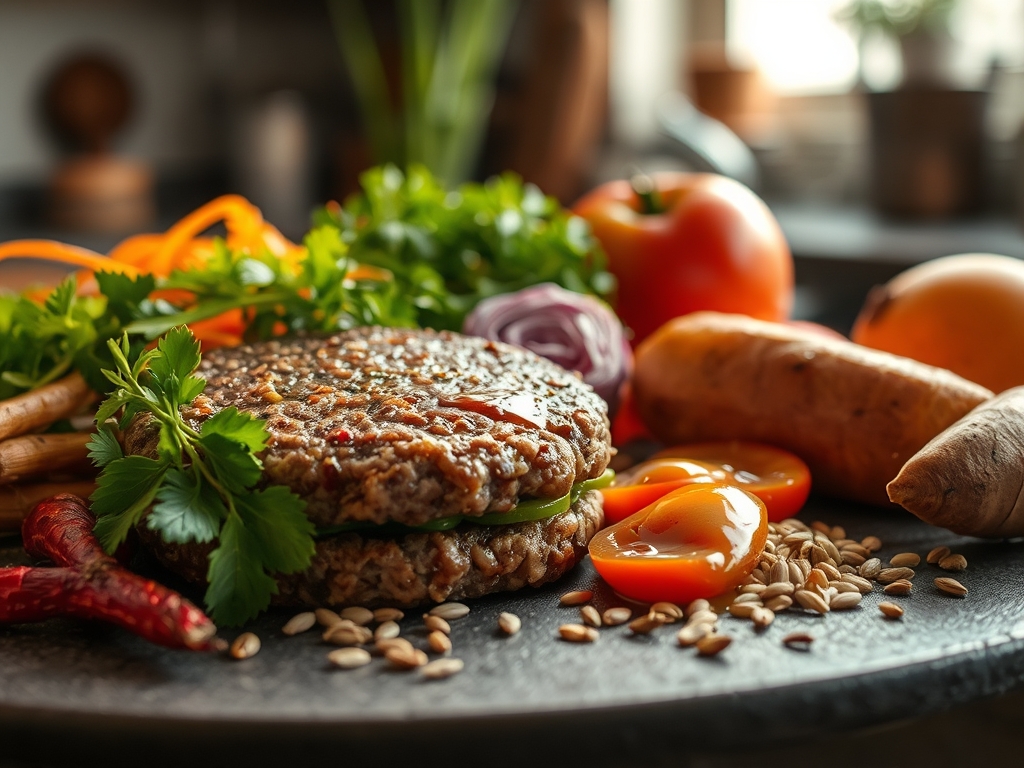
To execute these hamburger and sweet potato recipes with precision, your mise-en-place must be impeccable. Start with your protein; look for ground chuck with a visible fat-to-lean ratio. Fat is the primary carrier of flavor molecules, and without it, your sweet potatoes will taste isolated rather than integrated. For the potatoes, select Garnet or Jewel varieties for their high sugar content and deep orange hue, which indicates a high concentration of beta-carotene.
Your secondary ingredients should provide acidic and aromatic balance. Gather fresh garlic bulbs, shallots (which offer a more delicate sulfuric profile than white onions), and a bundle of woody herbs like rosemary or thyme. You will also need a high-smoke-point oil, such as avocado or grapeseed oil, to facilitate the searing process without acrid breakdown. Don't forget the finishing salts; a flaky Maldon or a smoked sea salt will elevate the final texture by providing a crystalline crunch against the soft starch.
Smart Substitutions:
If you are looking to lighten the caloric density, ground turkey or bison can be substituted for beef, though you may need to add a teaspoon of Worcestershire sauce to mimic the missing umami depth. For a nightshade-free or lower-carb alternative, consider substituting half of the sweet potatoes with roasted butternut squash or carrots. If you lack fresh herbs, use a high-quality dried oregano, but remember to crush it between your palms to release the volatile oils before adding it to the skillet.
The Clock:
Efficiency in the kitchen is governed by what I call the Chef's Flow. For most hamburger and sweet potato recipes, you are looking at a total time of 40 to 50 minutes. The breakdown usually consists of 15 minutes of active prep (chopping, measuring, and seasoning) and 25 to 30 minutes of thermal application. The key is to stagger your tasks based on the rate of heat transfer.
Sweet potatoes are dense and require more time for their internal starches to gelatinize. Start them first. While they are roasting or sautéing, you can focus on your aromatics and beef. By the time the meat has reached its peak Maillard reaction (that beautiful brown crust), the potatoes will be tender enough to merge. This overlapping timeline ensures that no component sits long enough to become viscous or cold, maintaining the integrity of the dish from pan to plate.
The Masterclass:
1. The Precision Dice
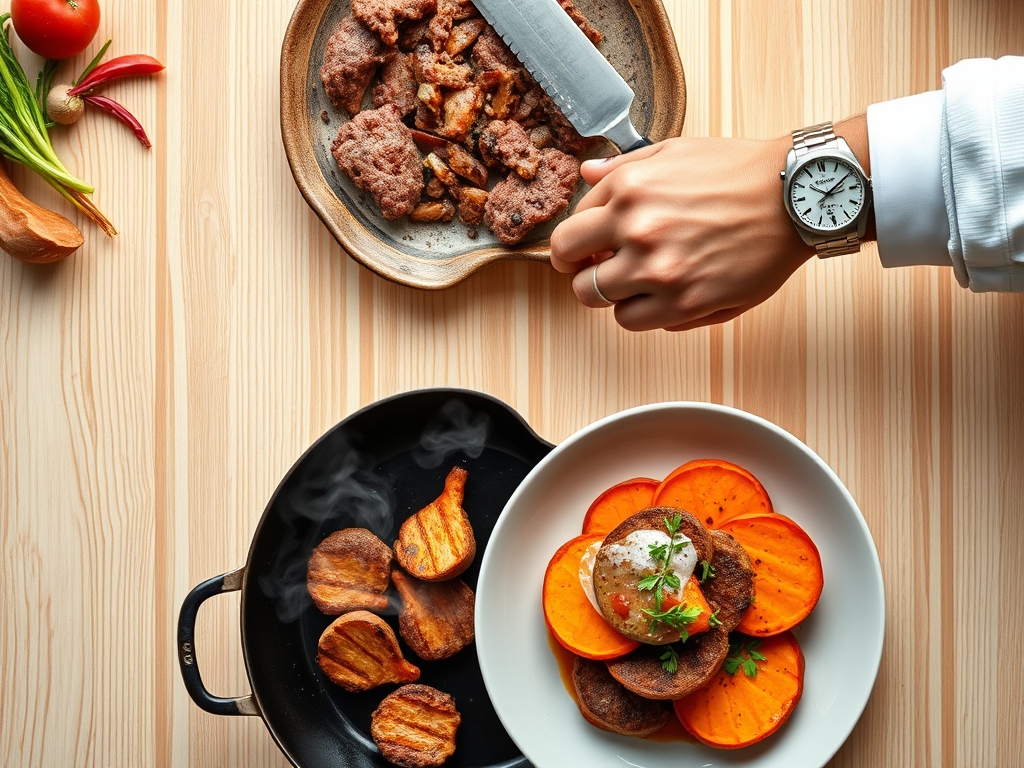
Use a sharp chef's knife or a bench scraper to ensure your sweet potatoes are cut into uniform 1/2-inch cubes. Uniformity is not just for aesthetics; it ensures that every piece reaches the same internal temperature at the same time, preventing a mix of mushy and crunchy bites.
Pro Tip: This prevents enzymatic browning. When you cut a potato, you rupture cell walls, releasing polyphenol oxidase. Toss the cubes in a light coating of oil or acidic citrus juice immediately to create a barrier against oxygen.
2. The Skillet Sear
Heat a heavy-bottomed skillet over medium-high heat until the oil shimmers. Add the ground beef in a single layer. Do not crowd the pan, as this lowers the surface temperature and causes the meat to steam in its own juices rather than sear.
Pro Tip: This stage is all about the Maillard reaction. This chemical reaction between amino acids and reducing sugars occurs above 285 degrees Fahrenheit, creating hundreds of different flavor compounds that give the beef its savory "roasted" profile.
3. Rendering and Deglazing
Once the beef is browned, use tongs or a slotted spoon to remove it, leaving the rendered fat in the pan. Toss in your sweet potatoes. If the pan looks dry, add a splash of beef stock or dry sherry to deglaze the fond (those tasty brown bits) from the bottom.
Pro Tip: Deglazing utilizes a solvent (liquid) to lift caramelized proteins. This process incorporates the concentrated beef flavor directly into the starch of the potatoes as they soften.
4. The Aromatic Infusion
When the potatoes are nearly tender, create a well in the center of the skillet. Add your minced garlic and shallots. Use a microplane to zest in a bit of fresh ginger or turmeric if you want a piquant kick that cuts through the richness of the fat.
Pro Tip: Aromatics are fat-soluble. By sautéing them briefly in the rendered beef fat before mixing, you infuse the entire dish with a more complex, layered scent and flavor profile.
5. The Final Emulsification
Return the beef to the pan and add a tablespoon of cold butter or a splash of heavy cream. Stir vigorously to create a light, viscous sauce that binds the beef and potatoes together without making them greasy.
Pro Tip: This is a mini-emulsification. The agitation helps the fats and liquids bond, creating a silky mouthfeel that coats the ingredients rather than pooling at the bottom of the dish.
The Deep Dive:
From a nutritional standpoint, these hamburger and sweet potato recipes are powerhouses. You are getting high-quality heme iron and B12 from the beef, paired with the fiber and Vitamin A from the potatoes. One standard serving typically lands between 450 and 550 calories, with a balanced macro split of roughly 30g protein, 35g carbs, and 20g fat.
Dietary Swaps:
For a Vegan version, swap the beef for a walnut and lentil crumble and use coconut oil for sautéing. For Keto enthusiasts, keep the beef but swap the sweet potatoes for radishes or cauliflower florets, which mimic the texture with a fraction of the net carbs. All recipes listed here are naturally Gluten-Free, provided you check your spice blends for hidden anti-caking agents.
The Fix-It:
- The Soggy Spud: If your potatoes are mushy, you likely crowded the pan or used too much liquid. Fix: Spread them on a baking sheet and blast them under the broiler for 2 minutes to crisp the exteriors.
- The Dry Beef: If you overcooked the meat, it will feel granular. Fix: Stir in two tablespoons of bone broth or a dollop of Greek yogurt to reintroduce moisture and fat.
- The Flavor Gap: If the dish tastes "flat," it lacks acidity. Fix: Add a squeeze of fresh lime juice or a teaspoon of apple cider vinegar to brighten the heavy fats.
Meal Prep Science:
When reheating, avoid the microwave if possible; it vibrates water molecules so violently that it toughens the beef proteins. Instead, use a saucier on the stovetop with a tablespoon of water. Cover it to create a steam chamber, which gently rehydrates the starches in the sweet potatoes, returning them to "day-one" fluffiness.
The Wrap-Up:
Mastering hamburger and sweet potato recipes is like learning a new language where every word is delicious. You have the technical skills now; you know how to manage heat, how to preserve texture, and how to balance the heavy umami of beef with the vibrant sweetness of yams. These dishes are soulful, smart, and incredibly versatile. So, grab your favorite skillet, turn up the heat, and start creating something that is as scientifically sound as it is satisfying. Your kitchen is now a lab of flavor!
The Kitchen Table:
Can I use frozen sweet potatoes for these recipes?
Yes, but increase your skillet temperature. Frozen potatoes have higher surface moisture, which can lead to steaming. Thaw them slightly and pat dry with a paper towel to ensure you still achieve a proper Maillard sear.
What is the best lean-to-fat ratio for the hamburger?
An 80/20 ratio is ideal. The 20% fat content provides the necessary lipids to roast the sweet potatoes and creates a more cohesive emulsion when finishing the dish with aromatics or sauces.
How do I prevent the sweet potatoes from falling apart?
Avoid over-stirring. Once the potatoes are in the pan, let them sit for 3 to 4 minutes to develop a crust. Use a wide spatula rather than a spoon to gently fold the ingredients together near the end.
Why do my sweet potatoes taste bitter sometimes?
Bitterness usually results from burning the natural sugars. If your heat is too high, the sugars pass the caramelization stage and enter carbonization. Keep your skillet at a steady medium-high and use a high-smoke-point oil.