
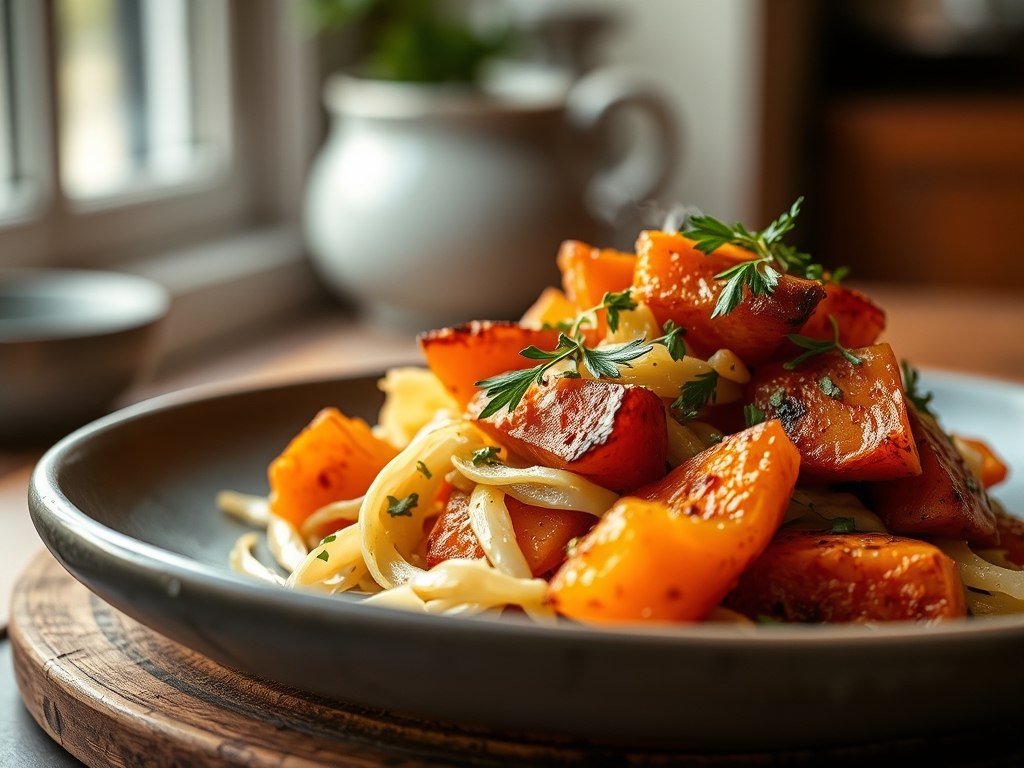
Imagine the scent of caramelized natural sugars meeting the sharp, peppery bite of charred brassica. It is a sensory collision that defines the best cabbage and sweet potato recipes. We are moving far beyond the realm of soggy side dishes and into a world where high-heat searing creates a golden crust on starch while keeping greens crisp. This combination is a masterclass in texture; the creamy, velvet interior of a roasted tuber acts as a perfect foil to the structural integrity of a shredded leaf. Whether you are looking for a hearty weeknight skillet or a sophisticated grain bowl base, these ingredients provide a nutritional powerhouse that feels like a warm hug for your palate. We are focusing on the Maillard reaction today. We want that deep, nutty brown color that signifies complex flavor development. By the time we are done, you will understand why these two humble vegetables are the secret weapons of the modern kitchen. They are affordable, shelf-stable, and capable of transforming into a gourmet meal with just a few flicks of a chef's knife and a hot pan.
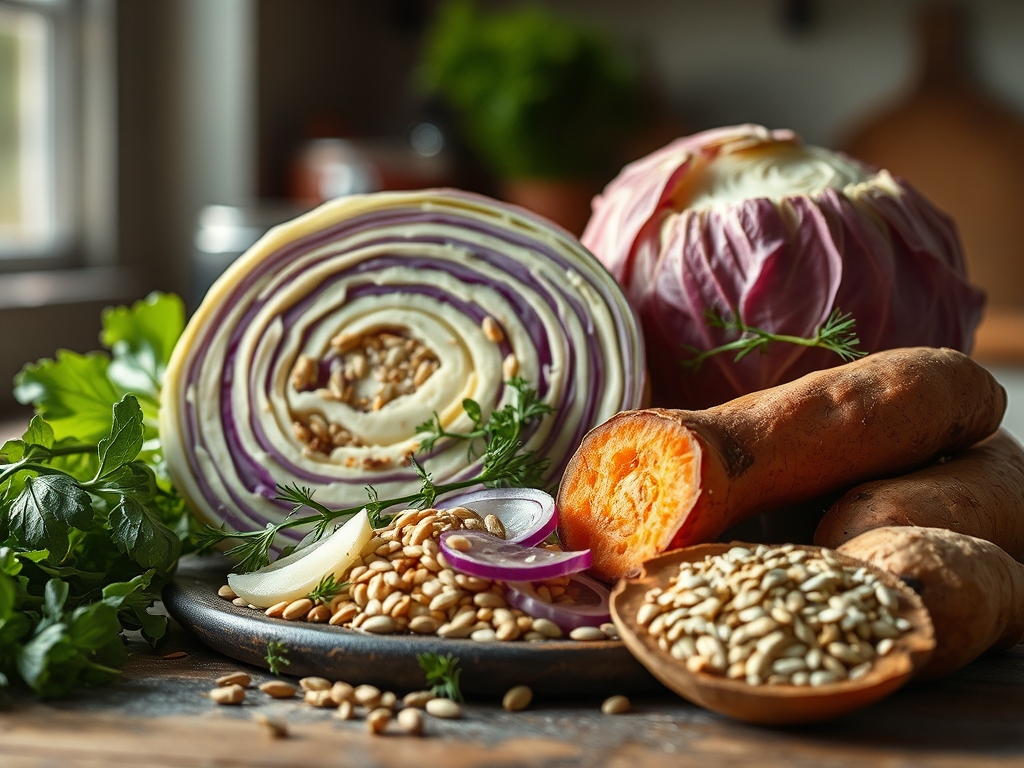
The Gathers:
To begin our culinary journey, we must assemble our mise-en-place with precision. You will need two pounds of firm, garnet sweet potatoes; look for skins without blemishes to ensure a smooth cellular structure. For the cabbage, a dense head of Savoy or standard green cabbage provides the best crunch. You will also need high-smoke-point fats like avocado oil or clarified butter to facilitate heat transfer without scorching.
Your toolkit should include a heavy-bottomed skillet (cast iron is king here) for even heat distribution and a bench scraper to move your chopped veg without dulling your knife. Grab your microplane for zesting citrus or grating fresh ginger to add a piquant lift to the earthy base.
Smart Substitutions:
If you find yourself without sweet potatoes, butternut squash offers a similar starch-to-sugar ratio. If cabbage is missing, Brussels sprouts (which are essentially tiny cabbages) can be halved and used to achieve the same charred effect. For a vegan profile, swap butter for a neutral oil infused with a pinch of smoked paprika to mimic the richness of animal fats.
The Clock
Efficiency in the kitchen is all about the Chef's Flow. This entire process takes approximately 45 minutes from the first cut to the final plating. Your active prep time is roughly 15 minutes. This involves the systematic peeling and dicing of the tubers into uniform half-inch cubes; uniformity is the key to ensuring every piece reaches the same stage of gelatinization at the same time.
The cooking phase spans 30 minutes. We start with the potatoes because their dense starch requires more time to soften and brown. The cabbage is introduced in the final ten minutes to prevent it from turning into a sulfurous mush. By staggering the entry of ingredients, you maintain the integrity of each texture. While the pan does its magic, use the "dead time" to whisk your vinaigrette or clean your workstation.
The Masterclass
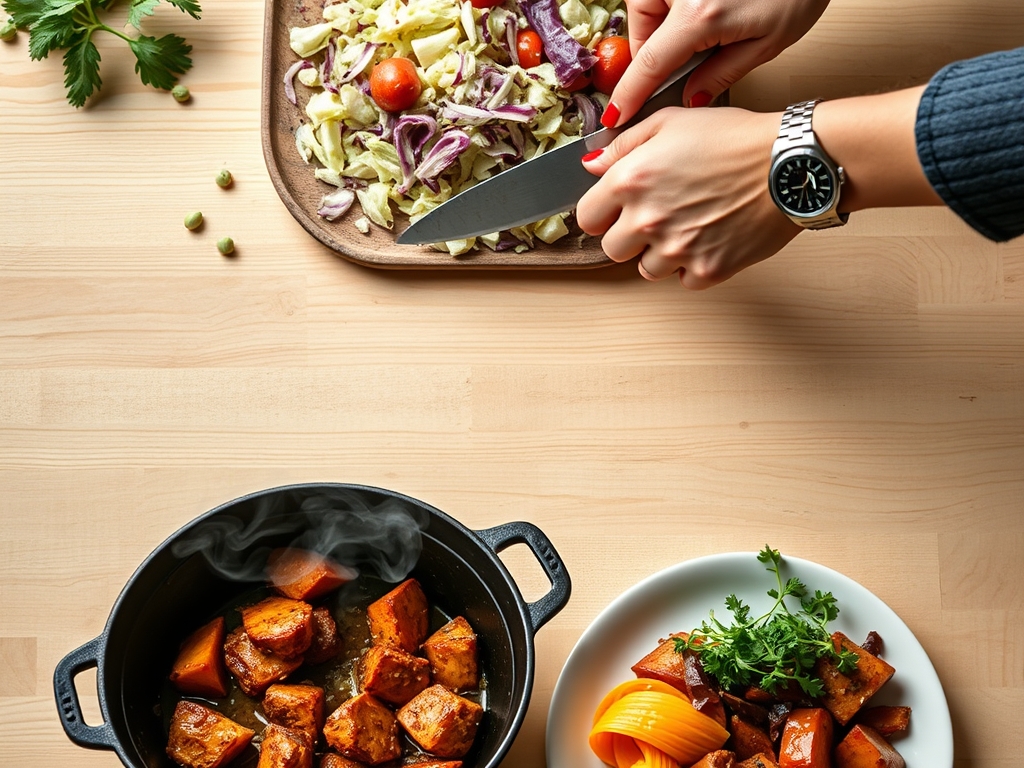
1. The Precision Dice
Start by peeling your sweet potatoes and using a sharp chef's knife to create uniform cubes. Aim for half-inch squares. If the pieces vary in size, the small ones will carbonize before the large ones are tender. Use your bench scraper to clear the board and keep your workspace organized.
Pro Tip: This step prevents enzymatic browning. If you are prepping ahead of time, submerge the cut potatoes in cold water to block oxygen from reaching the surface, which keeps the flesh vibrant and prevents the formation of unsightly grey spots.
2. The Searing Phase
Place your heavy-bottomed skillet over medium-high heat. Add your fat and wait until it shimmers. Drop the sweet potatoes in a single layer. Do not crowd the pan; if you do, the moisture escaping the vegetables will create steam rather than a sear.
Pro Tip: This is where we trigger the Maillard reaction. By leaving the potatoes undisturbed for 4 to 5 minutes, the amino acids and reducing sugars react to create hundreds of different flavor compounds and that signature golden-brown crust.
3. The Cabbage Shred
While the potatoes sear, remove the outer leaves of the cabbage. Quarter the head and slice out the tough core. Shred the remaining leaves into ribbons about a quarter-inch wide. This thickness allows the edges to char while the centers stay succulent.
Pro Tip: Cabbage contains a high water content. Shredding it just before it hits the pan ensures the viscous juices stay inside the cell walls until the heat can rapidly evaporate them, resulting in a crisp-tender finish.
4. The Aromatic Infusion
Once the potatoes are tender, create a well in the center of the pan. Add minced garlic, grated ginger, or shallots. Stir for only 30 to 60 seconds until fragrant. This prevents the delicate aromatics from burning while allowing their oils to infuse the entire dish.
Pro Tip: Fat is a flavor carrier. By sautéing aromatics briefly in the rendered fat at the bottom of the pan, you ensure the fat-soluble flavor compounds are evenly distributed across every piece of vegetable.
5. The Final Wilt
Toss the shredded cabbage into the skillet. Use tongs to lift and turn the mixture, coating the greens in the seasoned oil. Cover the pan for two minutes to trap just enough steam to soften the cabbage, then remove the lid to cook off any remaining moisture.
Pro Tip: Pay attention to thermal carryover. Remove the pan from the heat when the cabbage looks slightly underdone. The residual heat in the dense sweet potatoes will continue to cook the cabbage for several minutes after the flame is off.
6. The Bright Finish
Deglaze the pan with a splash of apple cider vinegar or a squeeze of lime. Scrape up the browned bits (the fond) from the bottom of the skillet. Season generously with sea salt and cracked black pepper.
Pro Tip: Acidity acts as a flavor "highlighter." It cuts through the density of the starch and the richness of the oil, balancing the pH of the dish and making the earthy flavors of the cabbage and sweet potato recipes pop.
The Deep Dive
From a macro perspective, this duo is an athletic powerhouse. Sweet potatoes provide complex carbohydrates and a massive dose of Vitamin A; cabbage brings fiber and Vitamin C to the party. One serving typically clocks in around 220 calories, making it a high-volume, low-density option for those watching their intake.
Dietary Swaps:
For a Keto version, reduce the sweet potato ratio and increase the cabbage, adding bacon for extra fat. For a Vegan approach, use coconut oil and top with toasted walnuts for protein. This dish is naturally Gluten-Free, provided you avoid soy sauce in your seasoning.
The Fix-It:
- Soggy Veggies: This happens if the pan is too small. Use two pans or cook in batches to ensure evaporation.
- Bitter Cabbage: Overcooking cabbage releases sulfur. Keep the heat high and the cook time short once the greens are added.
- Hard Potatoes: If the outside is brown but the inside is crunchy, add a tablespoon of water and cover the pan for three minutes to steam-finish them.
Meal Prep:
When reheating, avoid the microwave if possible. Re-crisp the mixture in a dry skillet over medium heat to aerate the cabbage and restore the potato's crust. If using a microwave, place a damp paper towel over the bowl to prevent the potatoes from dehydrating.
The Wrap-Up
Mastering cabbage and sweet potato recipes is like learning a secret handshake in the culinary world. It is a testament to how simple, affordable ingredients can be elevated through technical precision and an understanding of heat. You have the crunch, the creaminess, and the vibrant colors that make a meal feel special. Now, grab your skillet and start searing. Your kitchen is about to smell incredible, and your body will thank you for the nutrient-dense fuel.
The Kitchen Table
Can I use purple cabbage instead of green?
Absolutely. Purple cabbage contains anthocyanins that stay vibrant when cooked with an acid like vinegar. It is slightly earthier and denser, so it may require an extra minute of sautéing to reach the desired tenderness.
Why are my sweet potatoes sticking to the pan?
Sticking occurs if the pan isn't hot enough or if you move the potatoes too early. Wait for the starch to caramelize and form a crust; it will naturally "release" from the surface once the sear is complete.
How do I store leftovers for the best quality?
Store in an airtight glass container for up to four days. To maintain texture, avoid freezing, as the cell walls of the cabbage will collapse upon thawing, resulting in a watery and soft consistency.
What is the best way to cut cabbage for this?
Quarter the cabbage and slice diagonally to remove the core. Shred into thin ribbons. This maximizes surface area for charring while ensuring the pieces are bite-sized and easy to incorporate with the diced potatoes.