
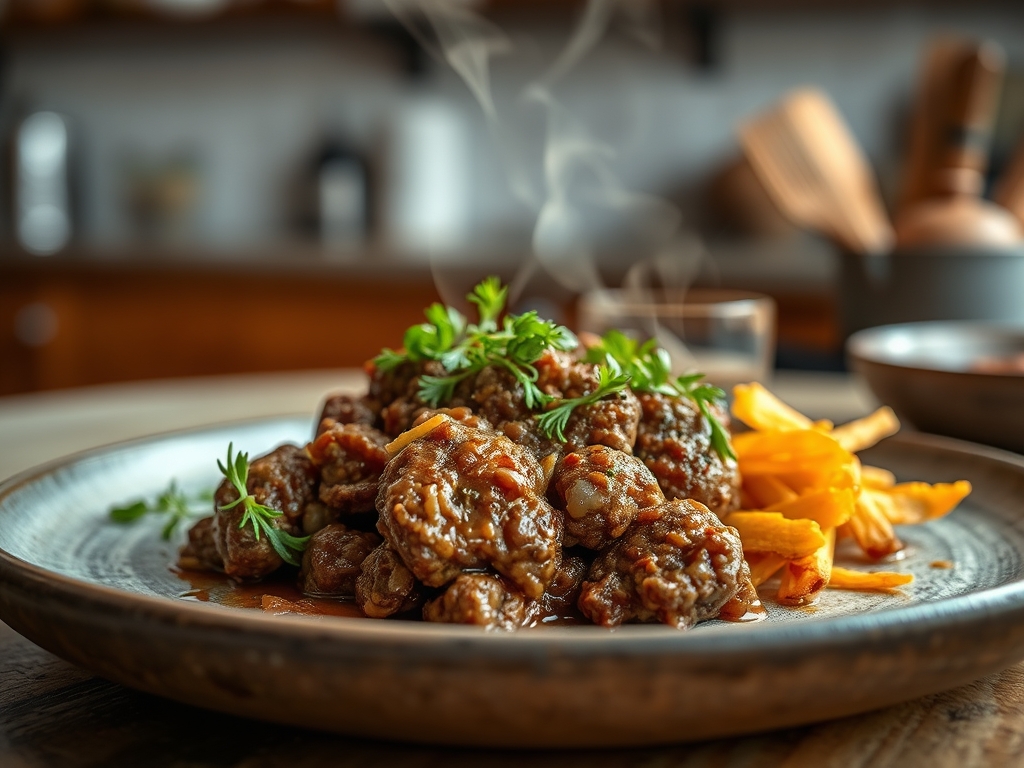
Picture the sound of a roaring convection fan and the scent of caramelizing proteins wafting through your kitchen. When the clock is ticking and your energy is low, oven ground beef recipes are the ultimate culinary cheat code for weeknight survival. We are moving beyond the basic patty to explore high-heat roasting and precision baking that transforms humble mince into a five-star feast.
The beauty of the oven lies in its ability to provide even, dry-heat distribution. Unlike a crowded skillet where beef often boils in its own juices, the oven allows for massive surface area exposure. This maximizes the Maillard reaction, that magical chemical dance between amino acids and reducing sugars that creates deep, savory crusts. By utilizing your oven, you are essentially turning your kitchen into a high-efficiency production line.
We are going to master eight distinct variations, from sheet-pan Mediterranean koftas to crispy Korean-inspired beef bowls. Each dish relies on the same foundational science: controlling moisture and fat rendering to ensure every bite is succulent rather than greasy. Grab your apron and your favorite heavy-bottomed sheet pan. We are about to turn the heat up to four hundred degrees and revolutionize your dinner rotation with speed and scientific precision.
The Gathers:
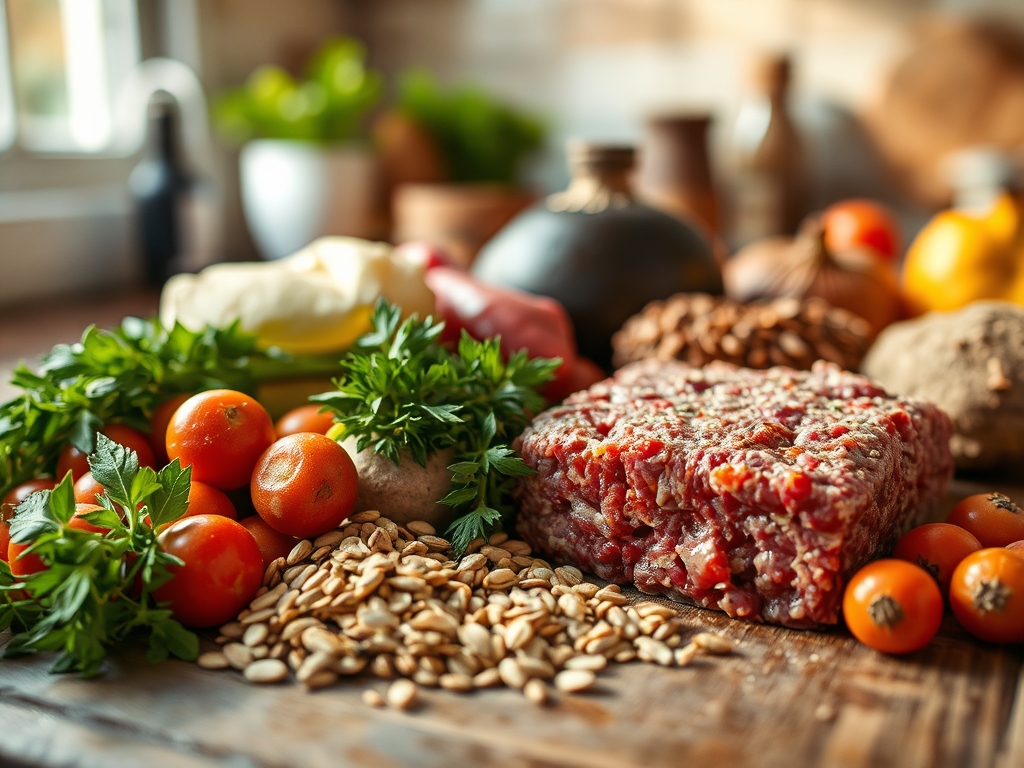
To execute these oven ground beef recipes with professional finesse, your mise-en-place must be impeccable. Start with the protein. Aim for an 80/20 lean-to-fat ratio. The 20 percent fat content is critical because it acts as a heat conductor and flavor carrier; it renders out during the roasting process to baste the meat from within. You will also need high-smoke-point fats like avocado oil or ghee to prevent acrid flavors at high temperatures.
Your aromatic profile should include piquant elements like fresh garlic, shallots, and ginger. Use a microplane to grate these into a fine paste. This increases the surface area, allowing the volatile oils to infuse the meat more deeply than chunky knife cuts ever could. For structural integrity in dishes like oven-baked meatballs or meatloaf muffins, keep panko breadcrumbs or almond flour on hand to act as a panade. This prevents the protein fibers from tightening too much and becoming tough.
Smart Substitutions:
If you are looking to lighten the caloric load, swap half the beef for finely minced cremini mushrooms. This is known as "The Blend." Mushrooms provide an umami-rich, viscous texture that mimics beef while adding hydration. For a dairy-free creamy element, use silken tofu or coconut cream in your sauces. If you lack a specific spice, remember that toasted cumin can often stand in for coriander to maintain that earthy, grounded profile.
The Clock:
Efficiency in the kitchen is all about "Chef's Flow." This is the practice of overlapping tasks so that no second is wasted. For these oven ground beef recipes, the total active prep time is exactly twelve minutes, with a cook time ranging from fifteen to twenty minutes. While the oven preheats, you are not just waiting; you are utilizing that thermal window to prep your cold garnishes and whisk your sauces in a saucier.
The total "table time" is under thirty-five minutes. The flow works like this: Phase one is the "High-Heat Prep" where you season and shape your beef. Phase two is the "Oven Interval" where the dry heat does the heavy lifting. Phase three is the "Rest and Garnish." Never skip the rest. Allowing the meat to sit for three minutes post-oven ensures the internal juices redistribute, preventing a watery plate and ensuring a tender mouthfeel.
The Masterclass:
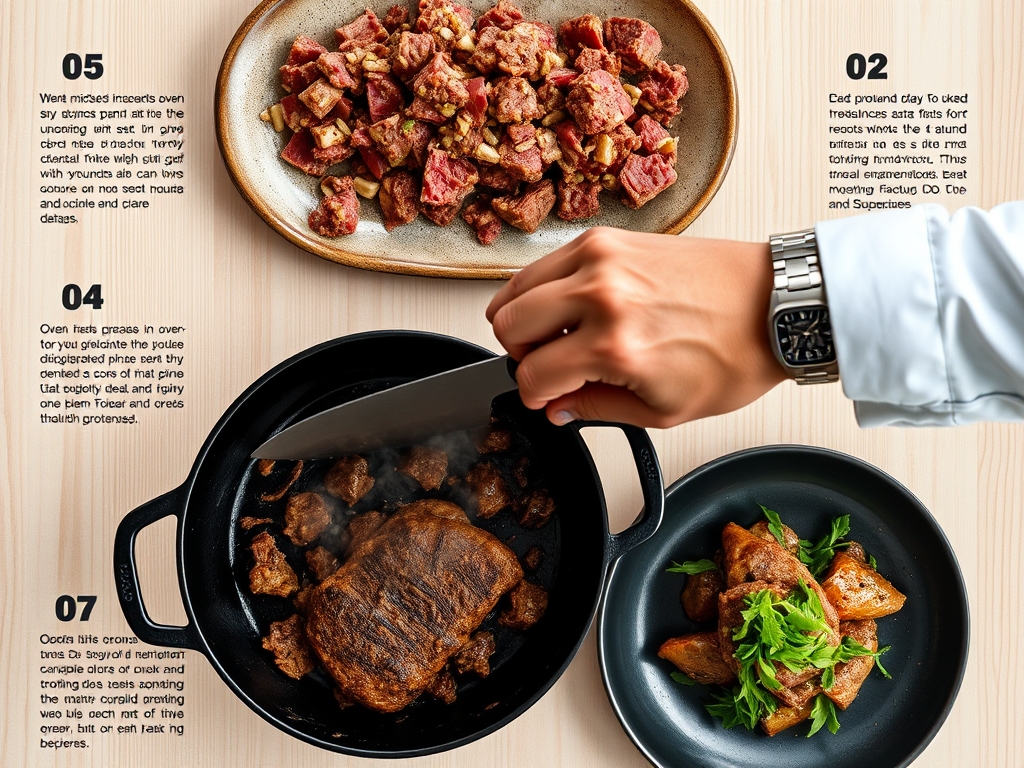
1. The High-Heat Sear
Spread your seasoned ground beef across a preheated, foil-lined sheet pan. Use a bench scraper to break the meat into uniform small clusters. This ensures that the heat circulates around each piece rather than steaming a solid mass.
Pro Tip: This technique utilizes enzymatic browning. By increasing the surface area of the beef, you create more sites for the Maillard reaction to occur, resulting in a more complex flavor profile than traditional pan-frying.
2. The Emulsified Glaze
While the beef roasts, whisk together your liquid aromatics like soy sauce, honey, and rice vinegar. Slowly stream in your oil while whisking vigorously to create a temporary emulsion. This ensures the sauce clings to the meat rather than sliding off to the bottom of the pan.
Pro Tip: Emulsification is the process of combining two immiscible liquids. A well-emulsified sauce provides a viscous coating that protects the meat from drying out during the final minutes of roasting.
3. The Thermal Finish
Monitor the internal temperature using a digital probe. For ground beef, you are looking for an internal temp of 160 degrees Fahrenheit. Remove the pan when it hits 155 degrees to account for thermal carryover.
Pro Tip: Carryover cooking occurs because the exterior of the meat is hotter than the interior. Once removed from the heat, that residual energy continues to move inward, finishing the cook perfectly without over-drying the edges.
4. The Aerated Garnish
Once the beef is out, toss it with fresh herbs and a squeeze of citrus. Use tongs to lift and drop the meat several times. This introduces air into the mix, which helps to aerate the heavy fats and creates a lighter, more balanced flavor on the palate.
Pro Tip: Adding acids like lime or vinegar at the very end "brightens" the dish. The acid cuts through the rendered fat, stimulating your salivary glands and making the savory notes pop.
The Deep Dive:
From a nutritional standpoint, ground beef is a powerhouse of bioavailable iron, B12, and zinc. When prepared in the oven, you have the advantage of letting excess fat drain away from the meat, making it a leaner option than traditional stovetop browning where the meat sits in the pool of oil. For those on specific diets, these recipes are incredibly flexible. Keto followers can swap sugars for erythritol in glazes, while those going gluten-free can use tamari and crushed pork rinds as a binder.
The Fix-It: Common Pitfalls
- The Gray Meat Syndrome: This happens when the oven isn't hot enough or the pan is overcrowded. The meat steams instead of roasts. The Fix: Preheat your pan in the oven before adding the meat to get an instant sear.
- The Grease Flood: High-fat beef can release a lot of liquid. The Fix: Use a wire rack set over your sheet pan. This allows the fat to drip away while the hot air circulates 360 degrees around the beef.
- The Salt Mismatch: Salt draws out moisture. If you salt too early, the meat becomes rubbery. The Fix: Season the beef immediately before it goes into the oven to maintain a tender texture.
Meal Prep Science:
To maintain "day-one" quality when reheating, avoid the microwave if possible. The microwave vibrates water molecules, which can make beef feel "rubbery" and "steamed." Instead, use a toaster oven or a quick flash in a hot skillet with a tablespoon of water or broth. This creates a small amount of steam to rehydrate the proteins without losing the crispy exterior you worked so hard to achieve.
The Wrap-Up:
Mastering oven ground beef recipes is about more than just convenience; it is about understanding how heat and chemistry can turn a budget-friendly staple into a gourmet experience. By focusing on surface area, thermal carryover, and the balance of fats and acids, you have upgraded your kitchen game significantly. These eight dinners are fast, flavorful, and scientifically sound. Now, go grab that sheet pan and start roasting!
The Kitchen Table:
How do I prevent ground beef from getting dry in the oven?
Maintain a high fat-to-lean ratio, ideally 80/20. Use a panade of breadcrumbs and liquid to lock in moisture. Always pull the meat at 155 degrees Fahrenheit to allow for carryover cooking, ensuring the interior stays succulent and tender.
Can I cook frozen ground beef in the oven?
It is not recommended for quality. Thawing first ensures even heat distribution. If you must, use the defrost setting on a microwave or a cold-water bath. Cooking from frozen results in an uneven texture and prevents the Maillard reaction from occurring.
What is the best temperature for roasting ground beef?
Set your oven to 400 or 425 degrees Fahrenheit. High heat is essential for rapid moisture evaporation and browning. Lower temperatures will cause the meat to release juices and simmer in its own liquid, resulting in a gray, boiled texture.
How long does cooked ground beef last in the fridge?
Stored in an airtight container, it remains fresh for three to four days. For the best quality, ensure it cools completely before sealing to prevent condensation. This helps maintain the texture and prevents the growth of spoilage bacteria.