
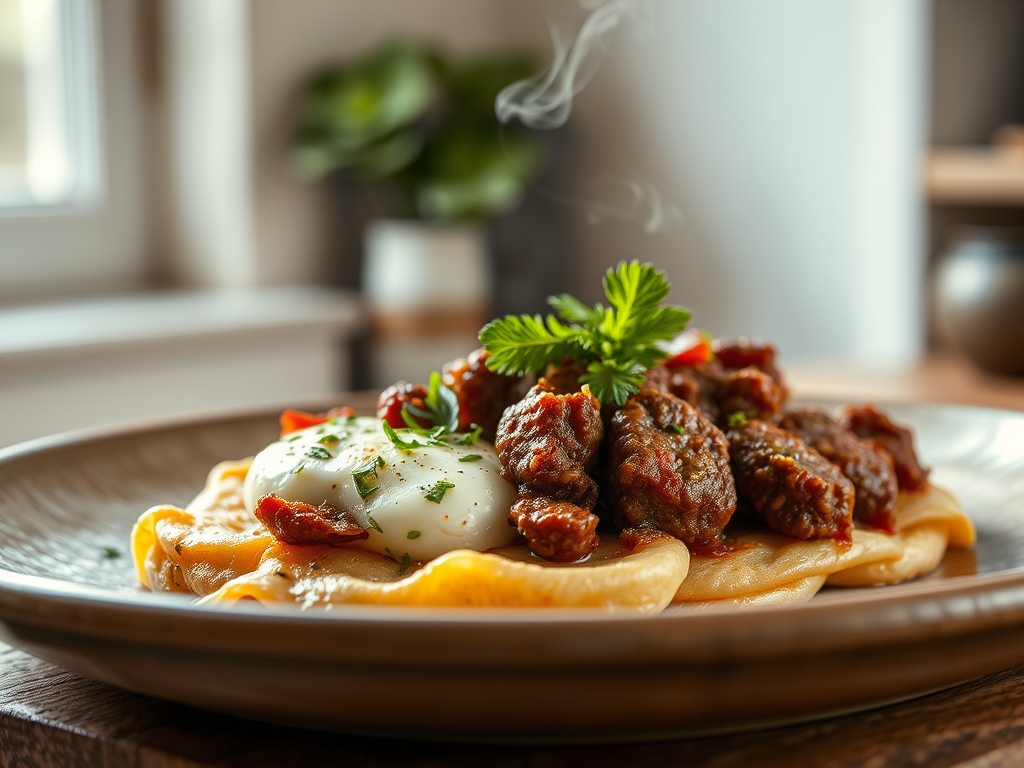
Imagine a heavy-bottomed skillet hissing on the stove as fat renders into a shimmering pool of liquid gold. There is a specific, primal magic that happens when you marry the rustic, iron-rich depth of seared protein with the cloud-like elegance of fresh dairy. If you are hunting for the ultimate ricotta cheese ground beef recipes, you have stumbled into the intersection of comfort and culinary chemistry. This is not just about dinner; it is about the way the cool, lactic tang of the cheese cuts through the savory Maillard crust of the meat. We are moving beyond the basic lasagna and diving into six sophisticated pairings that will make your kitchen feel like a high-end bistro.
The secret lies in the contrast. Ricotta acts as a structural stabilizer and a flavor enhancer, providing a creamy backdrop that allows the spices in the beef to pop. Whether we are talking about whipped ricotta dollops on a spicy Bolognese or beef-stuffed shells nestled in a sea of lemon-zested curds, the versatility is unmatched. We are going to explore how to manipulate these two ingredients to create textures that range from airy and light to dense and decadent. Grab your apron and your favorite wooden spoon; we are about to transform your weeknight routine into a masterclass in flavor profile balancing.
The Gathers:
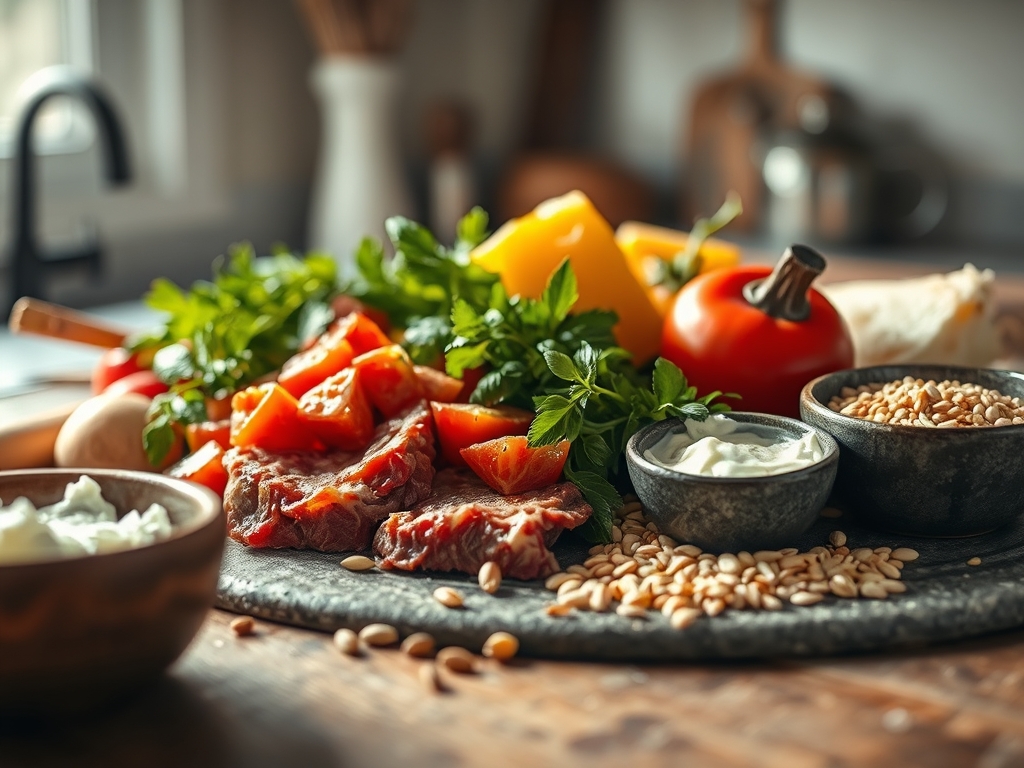
To execute these ricotta cheese ground beef recipes with precision, your mise-en-place must be impeccable. Start with the beef; look for an 80/20 blend. This ratio ensures enough intramuscular fat to lubricate the protein fibers during the high-heat searing process. For the ricotta, avoid the "part-skim" tubs. You want whole-milk ricotta for its superior lipid content, which provides a viscous mouthfeel and prevents the cheese from becoming grainy when exposed to heat.
Your secondary players include aromatics like shallots and garlic, which should be processed with a microplane to ensure they melt into the sauce. Fresh herbs are non-negotiable; flat-leaf parsley and basil provide a piquant brightness that offsets the heavy fats. You will also need a high-quality balsamic vinegar or a dry red wine to deglaze your pan, lifting those caramelized brown bits (the fond) into your sauce.
Smart Substitutions:
If you cannot find high-quality ricotta, a full-fat cottage cheese pulsed in a food processor until smooth is a brilliant technical swap; it maintains the moisture level while adding a slight saltiness. For the beef, a mixture of ground lamb and beef can deepen the earthy notes of the dish. If you are watching calories, ground turkey works, but you must add a teaspoon of olive oil to compensate for the lack of natural fat rendering.
The Clock
Efficiency in the kitchen is dictated by "Chef's Flow." This is the practice of overlapping tasks so that no heat is wasted. For these recipes, expect a prep time of 20 minutes and a cook time of 30 to 45 minutes. The total investment of 65 minutes is a small price for the depth of flavor achieved.
While your beef is browning in the heavy-bottomed skillet, use that time to whip your ricotta with lemon zest and black pepper. By the time the meat has reached its peak caramelization, your cheese component is seasoned and ready to be folded in. This parallel processing ensures that the beef does not sit and lose its thermal carryover heat while you fumble with a cheese grater.
The Masterclass
1. The Sear and Render
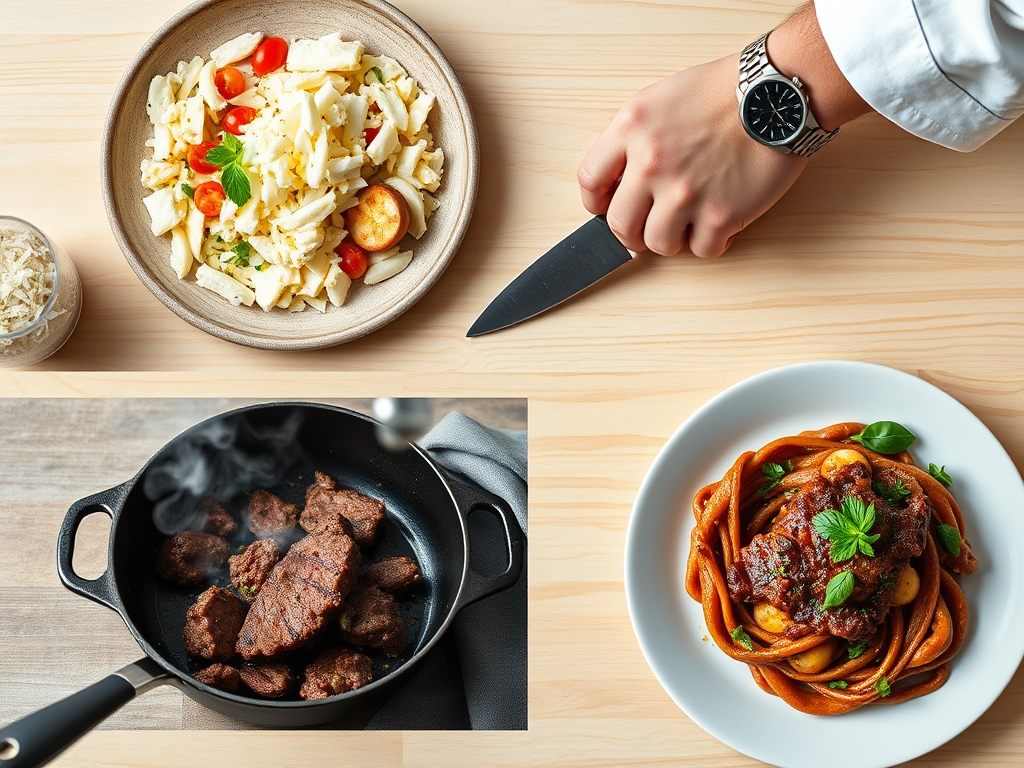
Begin by heating your skillet over medium-high heat until a drop of water dances and evaporates instantly. Add the beef in a single layer. Do not crowd the pan; crowding causes the meat to steam in its own juices rather than brown. Use a bench scraper or a sturdy spatula to break the meat into small, uniform crumbles.
Pro Tip: This stage relies on the Maillard reaction, a chemical reaction between amino acids and reducing sugars that creates the complex, savory flavors we crave. If you move the meat too much, you drop the surface temperature and inhibit this browning. Let it sit undisturbed for at least three minutes to develop a deep crust.
2. Deglazing the Fond
Once the meat is browned and the fat has rendered, remove the excess grease with a spoon, leaving about a tablespoon in the pan. Add your aromatics and cook until translucent. Pour in a splash of dry wine or beef stock. Use your spatula to scrape the bottom of the pan vigorously.
Pro Tip: This process is called deglazing. The brown bits stuck to the pan are concentrated flavor bombs. By adding a liquid, you dissolve these particles, creating a rich base for your sauce that carries the "essence" of the seared meat throughout the entire dish.
3. Emulsifying the Sauce
Lower the heat to a simmer and add your tomato base or stock. This is where we build the body of the dish. Allow the liquid to reduce by one-third. The goal is a sauce that is thick enough to coat the back of a spoon without running off.
Pro Tip: The reduction process concentrates the solutes in the sauce. As water evaporates, the ratio of fats and solids increases, leading to a more viscous and flavorful result. This ensures the sauce clings to your pasta or vegetables instead of pooling at the bottom of the plate.
4. The Ricotta Integration
Remove the skillet from the heat before adding the ricotta. Folding the cheese into a boiling sauce will cause the proteins to tighten and the whey to separate, resulting in a gritty texture. Gently swirl the ricotta into the beef mixture until streaks of white remain.
Pro Tip: This is about maintaining emulsification. By dropping the temperature slightly before adding the dairy, you preserve the delicate structure of the ricotta curds, ensuring the final dish is creamy rather than oily.
5. Aerating the Garnish
If you are using whipped ricotta as a topping, use a whisk or a food processor to aerate the cheese with a drizzle of olive oil. This incorporates tiny air bubbles, making the cheese feel lighter on the palate and providing a visual contrast to the dense beef.
Pro Tip: Aeration changes the perceived density of the food. A heavy dollop of cheese can feel overwhelming, but a light, aerated mousse provides the same flavor profile with a more refined, luxurious mouthfeel.
6. The Final Infusion
Finish the dish with a handful of fresh herbs and a final grate of Parmesan using your microplane. Cover the pan for two minutes to let the residual heat infuse the oils from the herbs into the sauce.
Pro Tip: This "resting" phase allows the muscle fibers in the beef to reabsorb some of the sauce's moisture. It also ensures that the volatile aromatic compounds in the fresh herbs are released by the gentle heat without being destroyed by high temperatures.
The Deep Dive
From a nutritional standpoint, these ricotta cheese ground beef recipes are powerhouses of protein and calcium. A standard serving provides approximately 35 grams of protein. To keep it Keto, simply swap the pasta for roasted zucchini or eggplant. For a Gluten-Free version, ensure your beef stock is certified and use brown rice pasta or spaghetti squash.
The Fix-It:
- Grainy Ricotta: This happens if the cheese is overheated. Fix it by whisking in a tablespoon of warm heavy cream to re-emulsify the fats.
- Greasy Sauce: If the beef was too fatty, toss a piece of bread into the pan for 30 seconds to soak up the surface oil, then discard.
- Bland Flavor: Usually a lack of acidity. Add a squeeze of fresh lemon juice or a teaspoon of red wine vinegar to brighten the fats.
Meal Prep: When reheating, the science of "day-one" quality relies on moisture. Ricotta can dry out in the microwave. Add a splash of water or milk to the container before heating to create a steam-chamber effect that keeps the beef tender and the cheese creamy.
The Wrap-Up
Mastering ricotta cheese ground beef recipes is a rite of passage for any home cook looking to elevate their comfort food game. By understanding the science of the sear and the delicacy of dairy, you transform humble ingredients into a sophisticated feast. Remember, the kitchen is your laboratory; do not be afraid to experiment with different herbs or heat levels. Your best friend, your family, and your own palate will thank you for the effort. Now, go forth and sear with confidence!
The Kitchen Table
Can I freeze recipes containing ricotta and ground beef?
Yes, but the texture may change slightly. Ricotta contains high moisture; when frozen, ice crystals form and can make the cheese watery upon thawing. To fix this, stir the dish thoroughly after reheating to re-incorporate the liquids.
What is the best way to brown ground beef?
Use a preheated heavy-bottomed skillet and do not crowd the pan. Let the meat sit undisturbed for several minutes to trigger the Maillard reaction. This creates the deep, savory crust essential for flavor depth in any beef dish.
How do I prevent my ricotta from getting watery?
Always drain your ricotta in a fine-mesh strainer or cheesecloth for 15 minutes before using. This removes excess whey, ensuring your sauce stays thick and creamy rather than becoming diluted by the extra moisture during the cooking process.
Why should I use whole milk ricotta instead of part-skim?
Whole milk ricotta has a higher lipid content, which provides a smoother, more viscous mouthfeel. Part-skim versions often contain stabilizers and gums that can create a grainy, rubbery texture when the cheese is exposed to high kitchen temperatures.