
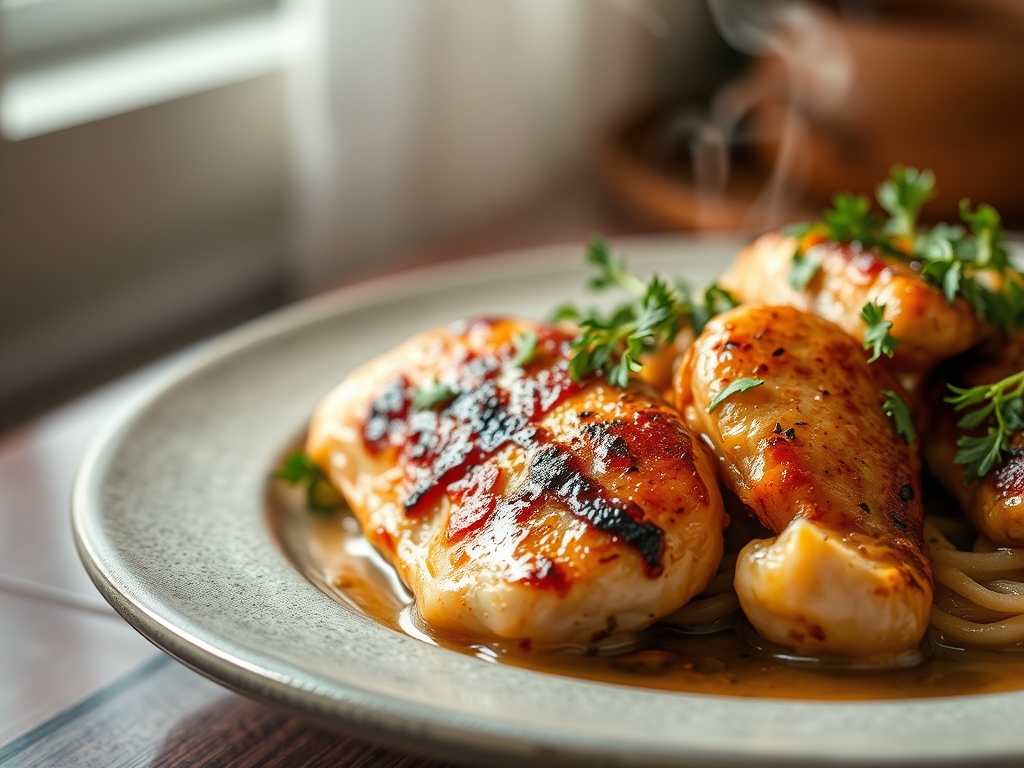
The aroma of sizzling garlic and sun-dried tomatoes hitting a hot pan is more than just a scent; it is a psychological trigger. When you master easy marry me chicken recipes, you are not just making dinner; you are wielding the power of the Maillard reaction to create a flavor profile so addictive it supposedly inspires proposals. This dish relies on a perfect balance of acidity, fat, and umami to create a sauce that clings to your palate.
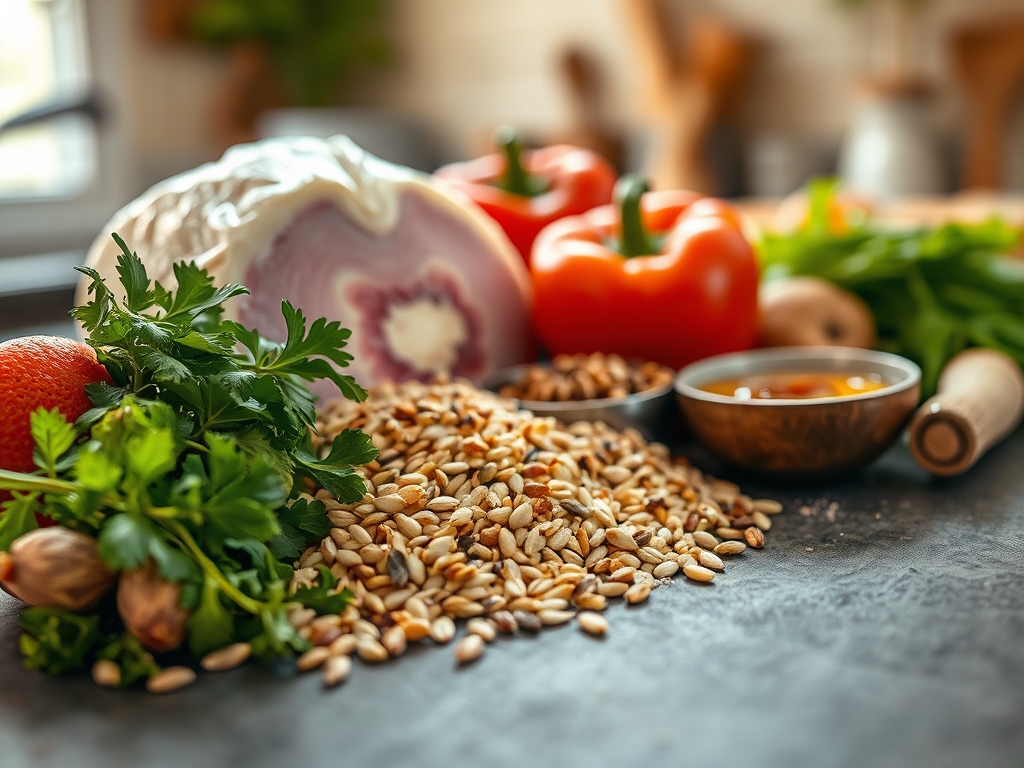
The Gathers:
To achieve a restaurant-grade result, your mise-en-place must be precise. Start with high-quality chicken breasts or thighs, which provide the structural protein for the dish. You will need sun-dried tomatoes packed in oil; the oil itself is a concentrated infusion of lycopene and herbaceous notes that you should never discard. Fresh garlic, heavy cream, and freshly grated Parmesan cheese are non-negotiable for a truly viscous sauce.
Use a microplane to zest a hint of lemon and grate your cheese. This tool increases the surface area of the cheese, allowing it to melt into the sauce almost instantly without clumping. For the herbs, fresh basil and oregano provide a piquant finish that cuts through the richness of the lipids.
Smart Substitutions: If you are avoiding dairy, a full-fat coconut milk combined with nutritional yeast can mimic the creamy mouthfeel and savory depth of the original. For a lighter version, swap the heavy cream for a mixture of chicken bone broth and a cornstarch slurry, though you will lose some of the luxurious silkiness that defines this classic.
The Clock: 25 Minutes to Bliss
The "Chef's Flow" is all about overlapping tasks to minimize downtime. Expect 10 minutes of active prep and 15 minutes of thermal application. While your heavy-bottomed skillet preheats, use a digital scale to measure your liquids. This ensures consistency every time you cook.
The goal is to have your chicken searing while you mince your aromatics. By the time the chicken reaches its initial sear, your cream and tomatoes should be standing by. This synchronized movement prevents the pan from overheating and scorching the delicate milk solids later in the process.
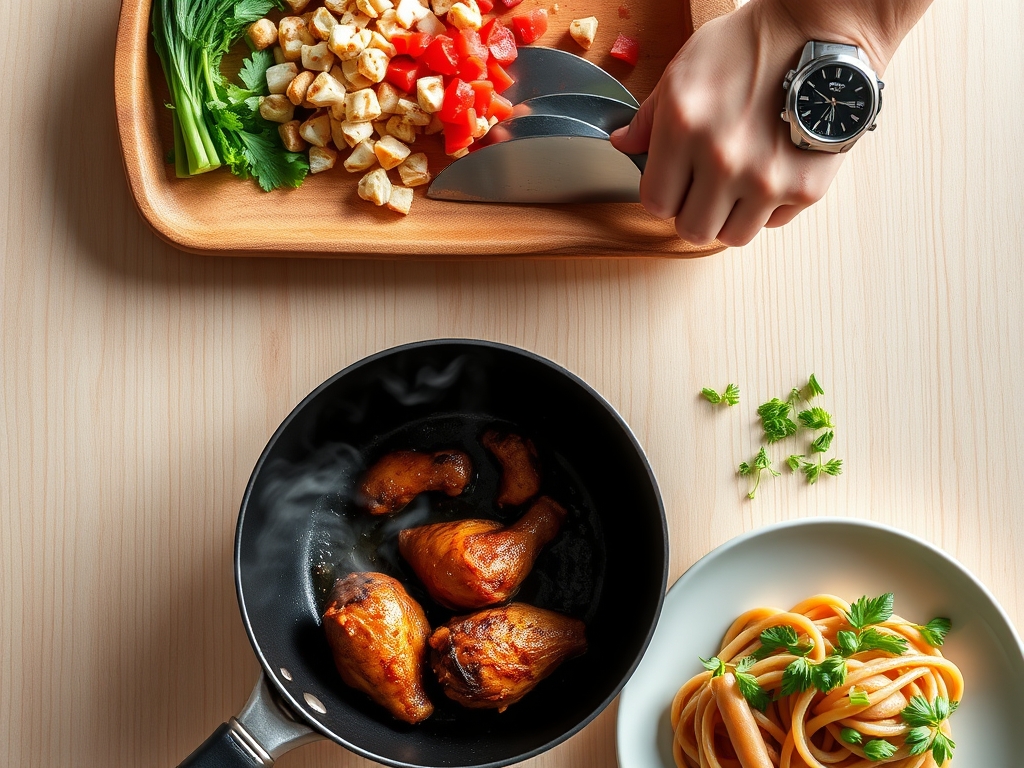
The Masterclass:
1. The Sear and Render
Pat your chicken completely dry with paper towels. Moisture is the enemy of the Maillard reaction. Season aggressively with kosher salt and black pepper before placing the meat into a shimmering layer of oil. Use tongs to press the meat down, ensuring maximum surface contact.
Pro Tip: This step utilizes enzymatic browning. By keeping the pan at a high temperature, you rearrange the amino acids and sugars on the surface of the meat, creating hundreds of different flavor compounds that do not exist in raw or boiled chicken.
2. Deglaze and Infuse
Once the chicken is golden, remove it from the skillet. You will see brown bits stuck to the bottom; this is called "fond." Add your minced garlic and sun-dried tomatoes. Pour in a splash of dry white wine or chicken broth to deglaze the pan, using a bench scraper or wooden spoon to lift those flavorful bits.
Pro Tip: Alcohol acts as a flavor bridge. It dissolves aromatic compounds that are not water-soluble, allowing the garlic and tomato essences to infuse more deeply into the final sauce.
3. Emulsify the Sauce
Lower the heat and pour in your heavy cream. This is the moment where physics takes over. Whisk the cream into the pan drippings to create a stable emulsion. Add your Parmesan cheese slowly, stirring constantly to ensure the proteins and fats bind together into a smooth, velvet texture.
Pro Tip: Temperature control is vital here. If the sauce boils too aggressively, the proteins in the cheese will tighten and separate from the fat, resulting in a grainy texture. Aim for a gentle simmer, not a rolling boil.
4. The Return and Finish
Place the chicken back into the saucier or skillet. Let it simmer for another few minutes until the internal temperature reaches 165 degrees Fahrenheit. This allows the meat to absorb the herbaceous notes of the sauce while finishing its cook cycle.
Pro Tip: Account for thermal carryover. If you pull the chicken at 160 degrees, the internal heat will continue to rise as the meat rests, preventing the fibers from becoming tough and overcooked.
The Deep Dive:
From a nutritional perspective, this dish is a powerhouse of protein and healthy fats. A standard serving contains approximately 35 grams of protein and 28 grams of fat. To make this Keto-friendly, serve it over roasted cauliflower or zucchini noodles. For a Vegan swap, use silken tofu blended with lemon juice as a cream substitute and pan-seared oyster mushrooms instead of chicken.
The Fix-It: Common Pitfalls
- Broken Sauce: If your sauce looks oily, whisk in a tablespoon of warm water or broth one teaspoon at a time to re-emulsify the fats.
- Rubbery Chicken: This usually happens from overcooking. Use a digital thermometer to ensure you never go past the target temperature.
- Bland Profile: If the flavor lacks "pop," add a teaspoon of white wine vinegar or a squeeze of lemon. The acidity balances the heavy fats.
Meal Prep Science: When reheating, do not use the microwave on high. The intense radiation will break the emulsion. Instead, reheat in a small saucepan over low heat, adding a splash of milk to restore the viscous consistency of the sauce.
The Wrap-Up:
Mastering easy marry me chicken recipes is your gateway to understanding the delicate balance of French-inspired pan sauces and Italian aromatics. It is a dish that proves you do not need hours in the kitchen to produce a meal that feels like a celebration. By focusing on the science of the sear and the stability of your emulsion, you elevate simple ingredients into something truly transcendent. Now, grab your skillet and get cooking; your taste buds will thank you.
The Kitchen Table:
How do I keep the sauce from separating?
Keep the heat low once you add the dairy and cheese. Rapid boiling causes the proteins to denature and clump. Stir constantly with a whisk to maintain a stable emulsion between the fats and liquids for a silky finish.
Can I use chicken thighs instead of breasts?
Absolutely. Thighs have more connective tissue and fat, which makes them more forgiving and flavorful. They require a slightly longer cook time to allow the collagen to break down, resulting in a much juicier bite than lean breasts.
What is the best way to store leftovers?
Store in an airtight glass container for up to three days. Glass is non-reactive and won't absorb the garlic odors. When reheating, add a teaspoon of water to help the sauce loosen up without becoming overly oily or broken.
Why is my chicken not browning?
You likely overcrowded the pan or the meat was too wet. Excess moisture creates steam, which prevents the Maillard reaction. Pat the chicken dry and cook in batches to ensure the pan temperature stays high enough to sear.