
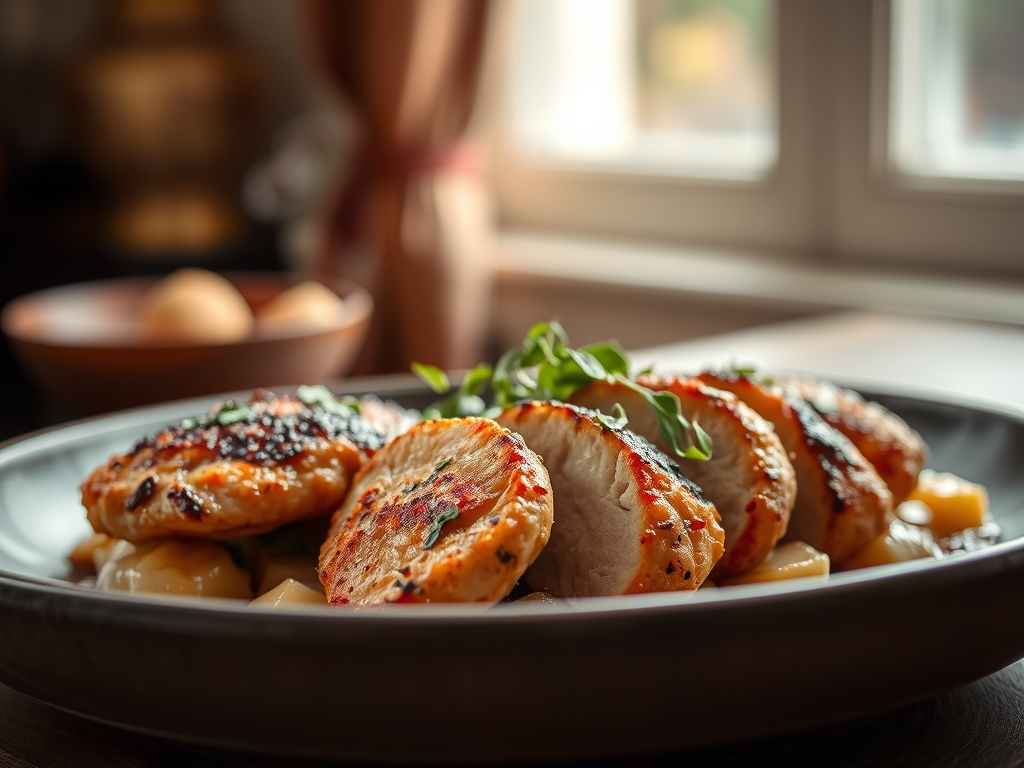
Imagine the sound of cold, salted protein hitting a searing cast iron skillet. That hiss is the sound of the Maillard reaction beginning; it is the chemical transformation of amino acids and reducing sugars into a complex tapestry of savory flavor. When life gets chaotic, these quick dinner chicken recipes are your scientific shortcut to a gourmet experience in exactly thirty minutes.
We are moving past the era of dry, uninspired poultry. By understanding the physics of heat transfer and the chemistry of emulsification, we can transform a standard chicken breast into a succulent masterpiece. Whether you are craving a piquant lemon butter sauce or a deeply caramelized soy glaze, the secret lies in the technique. Let us sharpen our knives and calibrate our palates for a week of high-speed, high-flavor culinary excellence.
The Gathers:
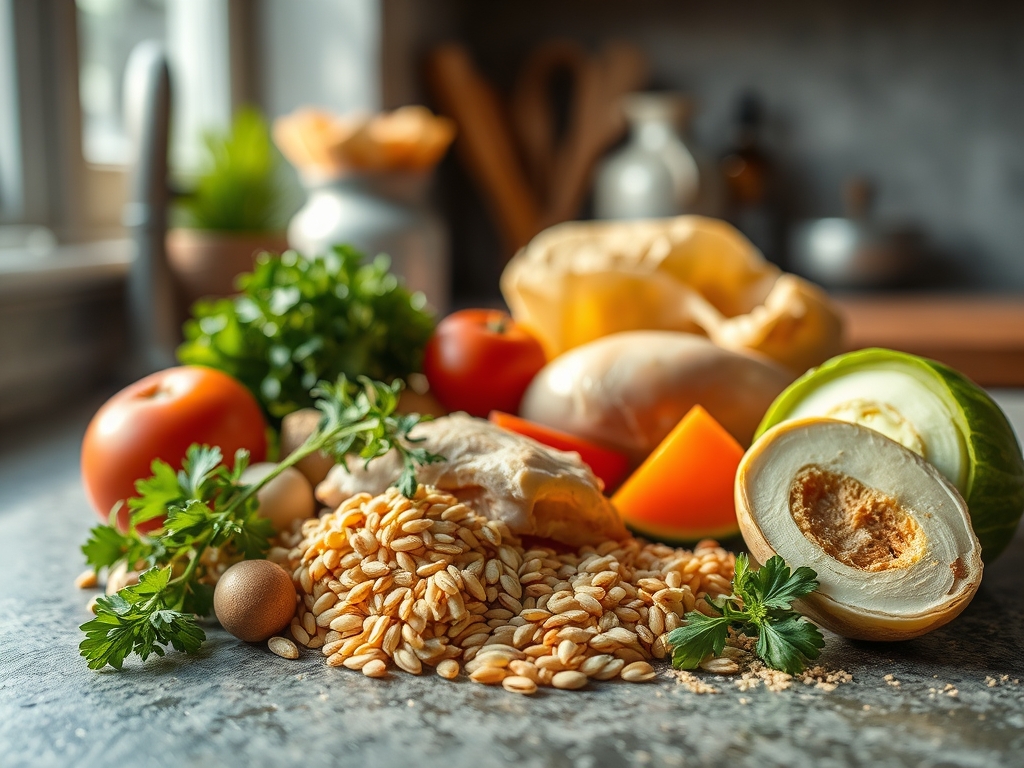
To execute these quick dinner chicken recipes with precision, your mise-en-place must be flawless. Start with your protein: organic, air-chilled chicken breasts or thighs. Air-chilled poultry contains less water weight, meaning it will sear rather than steam when it touches the pan. You will need a high-smoke-point lipid like avocado oil or clarified butter to ensure the fat does not break down and turn bitter at high temperatures.
Your aromatic profile should include fresh garlic, ginger, and shallots. Use a microplane to grate these finely; this increases the surface area, allowing the volatile oils to infuse your cooking fat almost instantly. For the sauces, keep a bottle of dry white wine or a high-quality bone broth nearby to deglaze the pan and capture the fond, those browned bits of concentrated flavor stuck to the bottom of the skillet.
Smart Substitutions:
If you are out of fresh lemons, a splash of rice vinegar provides the necessary acidity to balance out heavy fats. No shallots? The white parts of green onions offer a similar sulfurous depth without the bite of a red onion. If you need a thickener but want to avoid flour, a cold cornstarch slurry or a tablespoon of Greek yogurt can create a viscous, creamy texture without the risk of lumps.
The Clock:
Efficiency in the kitchen is about "Chef's Flow," the art of overlapping tasks so no second is wasted. In these thirty-minute windows, the first ten minutes are dedicated to prep. Use a bench scraper to clear your cutting board rapidly, moving chopped aromatics into small bowls.
The cooking phase takes roughly fifteen minutes. We utilize high-conduction cookware, like a heavy-bottomed skillet, to maintain a steady thermal mass. This prevents temperature drops when the meat is added. The final five minutes are for resting. Never skip the rest; it allows the muscle fibers to relax and reabsorb the internal juices, ensuring your chicken remains moist rather than leaking its moisture across the plate.
The Masterclass:
1. The Perfect Sear
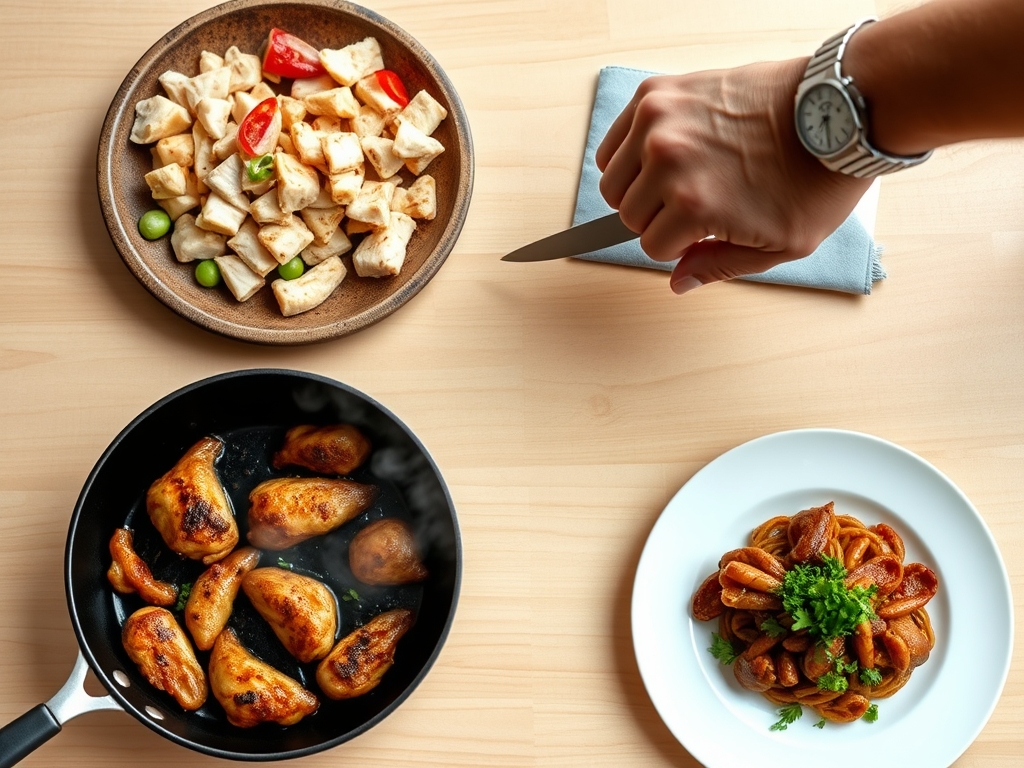
Pat the chicken completely dry with paper towels. Season aggressively with kosher salt from a height to ensure even distribution. Heat your skillet until the oil shimmers. Place the chicken away from you to avoid splashes. Do not move it for at least four minutes.
Pro Tip: This patience facilitates enzymatic browning. Moving the meat too early tears the delicate proteins before they have fully denatured and bonded into a crust.
2. Deglazing the Fond
Once the chicken is flipped and cooked through, remove it to a warm plate. Pour a liquid like wine or stock into the hot pan. Use a wooden spoon or tongs with a silicone tip to scrape up the browned bits.
Pro Tip: This process captures the fond, which is a concentration of umami. The liquid acts as a solvent, lifting flavor molecules that are otherwise trapped on the metal surface.
3. Emulsifying the Sauce
Lower the heat and whisk in cold butter or a splash of heavy cream. Stir constantly in a circular motion to create a stable emulsion. The sauce should be glossy and coat the back of a spoon.
Pro Tip: Cold butter contains water-in-fat emulsions. Adding it slowly to a warm liquid allows the milk solids to suspend evenly, preventing the sauce from breaking or becoming oily.
4. Aerating with Fresh Herbs
Turn off the heat before adding delicate herbs like parsley, cilantro, or chives. Fold them in gently to distribute their color and scent.
Pro Tip: Heat destroys the delicate volatile compounds in fresh herbs. Adding them at the very end ensures the piquant aroma reaches the diner's nose rather than evaporating into the vent hood.
5. Managing Thermal Carryover
Remove the chicken from the heat when a digital scale or meat thermometer reads 160 degrees Fahrenheit. The temperature will continue to rise as it rests.
Pro Tip: This is thermal carryover. The residual heat on the exterior of the meat continues to move toward the center, bringing the final internal temperature to a safe and juicy 165 degrees.
6. The Final Texture Balance
Finish the dish with a "pop" of texture, such as toasted pine nuts, a squeeze of fresh lime, or a dusting of zest from your microplane.
Pro Tip: Contrast is the key to a professional plate. Adding a raw, acidic, or crunchy element cuts through the richness of the rendered fats and cooked proteins.
The Deep Dive:
From a nutritional standpoint, these quick dinner chicken recipes are powerhouse meals. A standard six-ounce serving of chicken breast provides roughly 50 grams of lean protein with minimal saturated fat. To keep things Keto, swap out any starches for cauliflower rice or zoodles. For a Vegan twist, the same sauce techniques work beautifully with extra-firm tofu or seitan, though you must press the tofu first to ensure it sears properly.
The Fix-It:
- Rubberwy Chicken: This usually happens from overcooking. Use a thermometer every time. If it is already tough, slice it thin against the grain and toss it in a high-moisture sauce to mask the texture.
- Bland Sauce: It likely lacks acidity. Add a teaspoon of lemon juice or vinegar. Acidity acts as a "magnifying glass" for other flavors.
- Burnt Garlic: Garlic burns at a lower temperature than chicken. Always add your aromatics during the last two minutes of searing or after the meat has been removed.
Meal Prep Science:
When reheating, avoid the microwave if possible, as it vibrates water molecules so rapidly they steam the protein from the inside out, making it rubbery. Instead, reheat in a skillet over low heat with a tablespoon of water and a lid. This creates a gentle steam environment that restores moisture without overcooking the fibers.
The Wrap-Up:
Mastering quick dinner chicken recipes is less about following a script and more about understanding the variables of your kitchen. Once you respect the power of a hot pan and the necessity of a good rest, you can improvise with whatever is in your pantry. Cooking is the only science where you get to eat your experiments; so go ahead, deglaze that pan and turn a Tuesday night into a culinary event. You have the tools, the tech, and the talent to make it happen.
The Kitchen Table:
How do I prevent chicken from sticking to the pan?
Ensure the pan and oil are fully heated before adding the meat. Use the "breath test": if the chicken does not release easily with tongs, the Maillard crust has not fully formed. Wait another thirty seconds for it to self-release.
Can I use frozen chicken for 30-minute recipes?
Technically no, as safe thawing takes time. However, if you use the water displacement method in a bowl of cold water, thin cutlets can thaw in twenty minutes. Never cook chicken from a fully frozen state in a skillet.
What is the best way to cut chicken for fast cooking?
Slice the breast into "scaloppine" or thin strips. Increasing the surface-area-to-volume ratio allows for rapid heat penetration. Always cut against the grain to shorten the muscle fibers, resulting in a more tender bite.
Why does my chicken produce so much water in the pan?
This is often due to "plumping," where manufacturers inject saline into the meat. To fix this, avoid crowded pans. Cook in batches so the moisture can evaporate instantly rather than pooling and steaming the protein.