
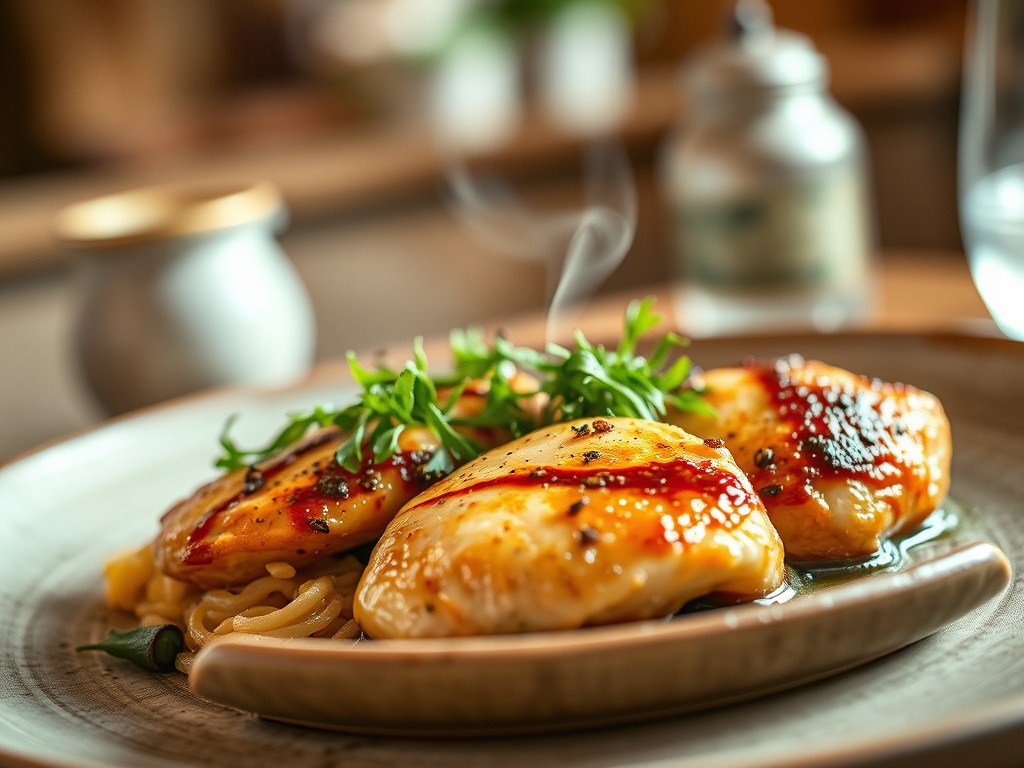
Close your eyes and listen for the distinct, rhythmic scrape of a heavy-bottomed skillet against a gas range. That sound is the precursor to the greatest comfort food known to man. We have all been there; sitting in a dimly lit booth, waiting for that endless basket of breadsticks while craving the specific, creamy decadence of chicken recipes from olive garden. But let us be honest for a moment. While the nostalgia of a chain restaurant is sweet, the reality often involves pre-packaged sauces and sodium levels that could preserve a mummy. You deserve better. You deserve a kitchen that smells like roasted garlic and white wine, where the chicken is actually succulent rather than rubbery. We are taking those classic flavor profiles and elevating them through the lens of actual culinary science. By understanding how proteins denature and how fats emulsify, we can recreate eight iconic dishes that far surpass the original versions. It is time to turn your kitchen into a high-end trattoria where the quality is uncompromising and the flavor is visceral.
The Gathers:
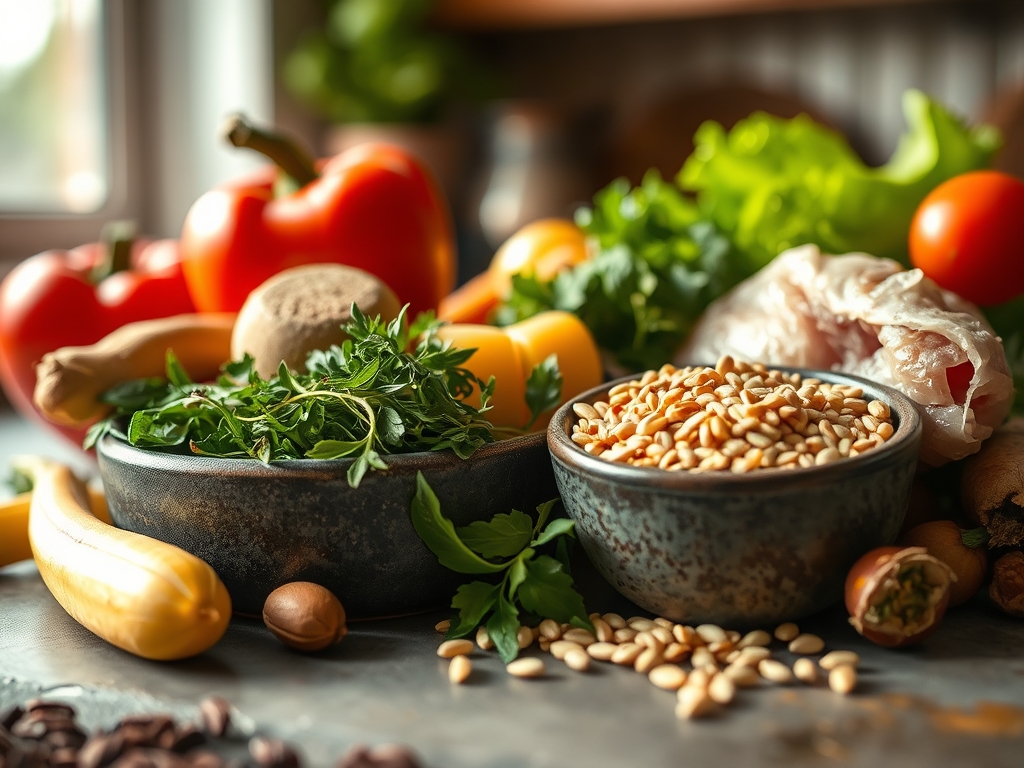
To achieve a result that mimics high-end Italian-American cuisine, your mise-en-place must be precise. Start with high-quality poultry; look for air-chilled chicken breasts or thighs. Air-chilling prevents the meat from absorbing excess water, which ensures a superior sear and prevents the dreaded "steaming" effect in the pan. You will need a microplane for zesting lemons and grating Parmigiano-Reggiano into a fine, snow-like powder that melts instantly into sauces.
For the liquids, keep a bottle of dry Pinot Grigio nearby to deglaze your pans; the acidity is necessary to cut through heavy creams. Speaking of cream, use heavy whipping cream with at least 36 percent milkfat to ensure a viscous, stable emulsion that won't break under heat. Fresh herbs like flat-leaf parsley and basil are non-negotiable for that piquant finish.
Smart Substitutions: If you are looking for a lighter profile, swap heavy cream for a cashew-based cream to maintain the mouthfeel without the dairy. For a gluten-free breading on your Chicken Parmigiana, use a mixture of almond flour and crushed pork rinds to achieve a shattering crunch that rivals traditional panko.
The Clock
Efficiency in the kitchen is about "Chef's Flow," which is the art of overlapping tasks to minimize downtime. For these chicken recipes from olive garden, expect a total active time of 45 to 60 minutes.
The first 15 minutes are dedicated to prep: slicing aromatics, grating cheese, and pounding chicken to a uniform thickness. The next 20 minutes involve the high-heat execution; searing the protein and building the pan sauce. The final 10 minutes are for resting the meat and finishing the pasta. By the time your pasta reaches al dente, your sauce should be at its peak thickness. This synchronized timing ensures that every component hits the plate at the optimal temperature.
The Masterclass
1. The Foundation of the Sear
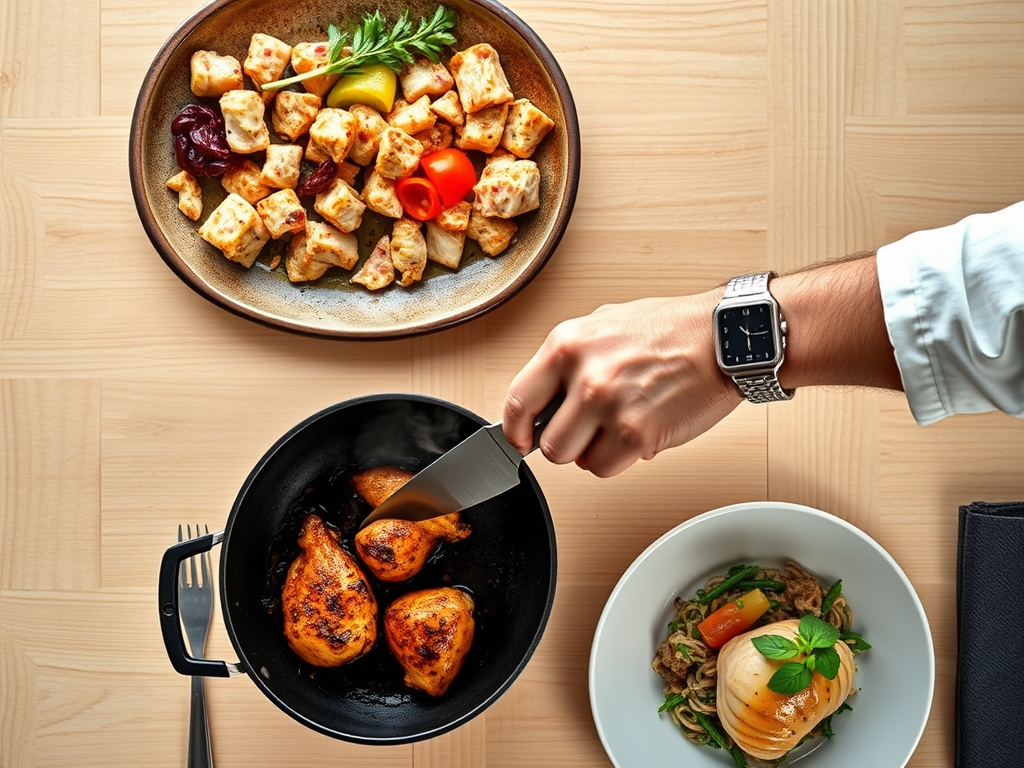
Place your chicken into a pre-heated heavy-bottomed skillet with a high-smoke-point oil like avocado oil. Do not crowd the pan; this drops the surface temperature and leads to boiling rather than browning.
Pro Tip: This stage relies on the Maillard reaction, a chemical reaction between amino acids and reducing sugars that creates a complex, savory crust. If the meat resists when you try to flip it with tongs, it is not ready. Let it release naturally.
2. Deglazing the Fond
Once the chicken is removed, you will see golden-brown bits stuck to the bottom of the pan. This is called the fond. Pour in your white wine or chicken stock and use a bench scraper or wooden spoon to lift those bits into the liquid.
Pro Tip: This process is called deglazing. It incorporates concentrated flavor back into the sauce, providing a deep, umami base that cannot be replicated with salt alone.
3. Emulsifying the Sauce
Lower the heat and add your cream and aromatics. Use a saucier if you have one, as its rounded bottom is perfect for whisking. Gradually whisk in your grated cheese to create a smooth, unified texture.
Pro Tip: To prevent the sauce from "breaking" or becoming oily, ensure the temperature stays below a rolling boil. You are aiming for a stable emulsion where the fats are suspended evenly within the liquid.
4. The Infusion Phase
Return the chicken to the pan and add fresh herbs. This allows the protein to finish cooking in the residual heat of the sauce, absorbing the flavors of garlic and lemon.
Pro Tip: This is the infusion stage. Volatile aromatic compounds in the herbs are fat-soluble, meaning they will permeate the cream sauce and the chicken more effectively than if they were just sprinkled on top at the end.
5. Resting and Carryover Cooking
Remove the pan from the heat and let the dish sit for five minutes before serving. This is the hardest part, but the most crucial for texture.
Pro Tip: This accounts for thermal carryover. The internal temperature of the chicken will continue to rise by about 5 degrees after leaving the heat. Resting allows the muscle fibers to relax and reabsorb juices, ensuring every bite is moist.
The Deep Dive
When we look at the macro nutrition of these chicken recipes from olive garden, we are dealing with a high-protein, high-fat profile. A standard serving provides roughly 45g of protein, 30g of fat, and 15g of carbohydrates (excluding pasta).
Dietary Swaps: To make this Keto-friendly, serve the chicken over zoodles or roasted cauliflower. For a Vegan version, use "chick'n" scallops and a sauce made from coconut milk and nutritional yeast to replicate that cheesy, savory depth.
The Fix-It:
- Sauce is too thin: Whisk in a "beurre manie" (equal parts softened butter and flour) to thicken instantly without lumps.
- Chicken is dry: You likely bypassed the resting phase or overcooked it. Use a digital scale to ensure portions are even for uniform cooking next time.
- Sauce tastes flat: Add a squeeze of fresh lemon juice. Acidity acts as a flavor "highlighter," brightening the heavy fats.
Meal Prep: To reheat with "day-one" quality, avoid the microwave. Reheat the sauce and chicken in a small pan over low heat with a splash of milk or broth to aerate the sauce and restore its original silkiness.
The Wrap-Up
You now have the technical blueprint to outshine any commercial kitchen from the comfort of your own home. By mastering the Maillard reaction and the art of the emulsion, you have transformed standard chicken recipes from olive garden into gourmet experiences. Cooking is not just about following a list of ingredients; it is about controlling the physics of heat and the chemistry of flavor. Go ahead, pour yourself another glass of that Pinot, and enjoy the best Italian dinner you have ever had.
The Kitchen Table
How do I keep the chicken from getting rubbery?
Always use a meat thermometer to pull the chicken at 160 degrees Fahrenheit. The thermal carryover will bring it to the safe 165 mark while resting, ensuring the proteins remain tender rather than tightly coiled and tough.
Can I make these recipes ahead of time?
Yes, but store the sauce and chicken separately from the pasta. When reheating, add a tablespoon of water or cream to the sauce to re-emulsify the fats, as cold temperatures cause the sauce to thicken and separate.
What is the best pasta shape for these sauces?
Choose a pasta with a high surface area or ridges, like fettuccine or rigatoni. These shapes allow the viscous sauce to cling to the noodles, ensuring a perfect ratio of sauce to pasta in every single bite.
Why does my cheese sauce get grainy?
Graininess occurs when the cheese is overheated, causing the proteins to clump. Always grate your own cheese from a block; pre-shredded bags contain cellulose which prevents melting. Stir the cheese in over low, indirect heat for smoothness.