
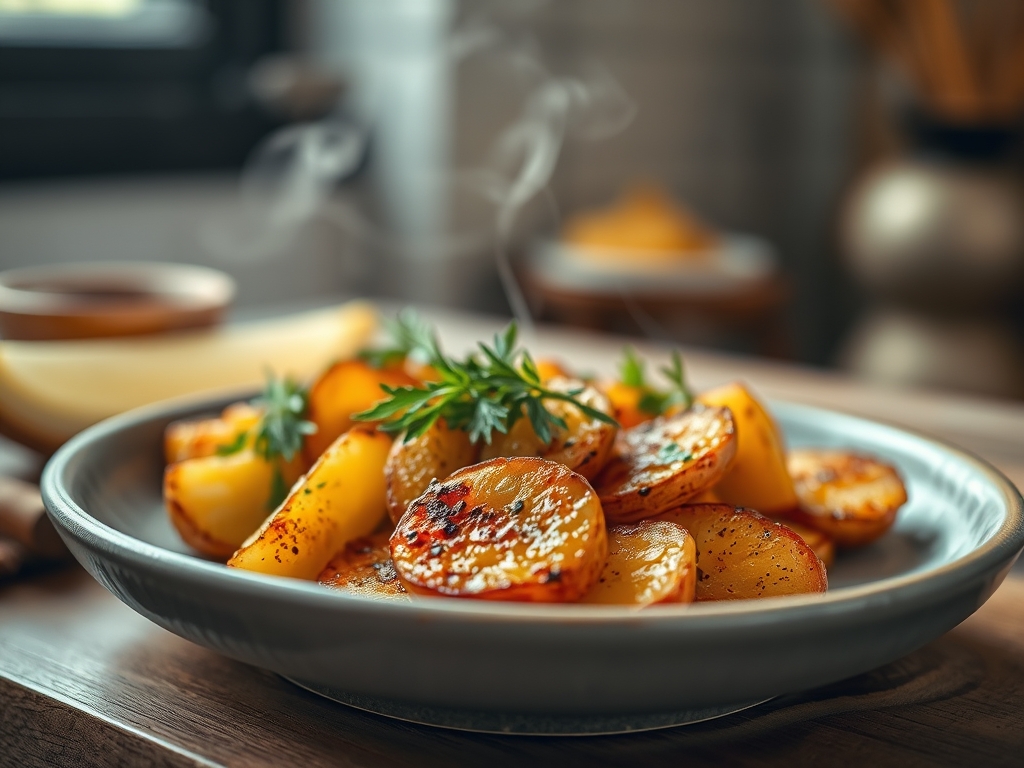
Imagine the scent of hickory swirling through the air as the sun begins to dip below the horizon. There is a specific kind of magic that happens when a humble tuber meets the ancient power of wood fire. While most people obsess over the brisket or the ribs; the real secret to a legendary backyard gathering lies in mastering smoked potato recipes. We are talking about skins that shatter like glass; interiors that possess the texture of velvet; and a deep; earthy aroma that lingers long after the plate is cleared. This is not just about cooking a side dish. It is about understanding the molecular transformation of starch into a culinary masterpiece. If you have ever settled for a chalky; bland potato; consider this your official invitation to the big leagues. We are going to harness the power of convection and smoke to create something truly transcendent.

The Gathers:
Before we fire up the rig; we need to assemble our components with the precision of a laboratory technician. Your primary subject is the Russet potato; specifically chosen for its high starch content and low moisture. This allows for maximum steam expansion within the cell walls; resulting in that coveted fluffy interior. You will also need a high-quality fat; such as rendered duck fat or a cold-pressed avocado oil; to act as a heat conductor for the skin.
For the seasoning; reach for coarse kosher salt. Its jagged edges provide a larger surface area for moisture extraction. You will also need fresh rosemary and thyme; which contain volatile oils that infuse more effectively when exposed to indirect heat. Do not forget the "Smart Substitutions." If you are avoiding nightshades; large Japanese sweet potatoes offer a similar density with a higher sugar profile for faster caramelization. If you lack a traditional smoker; a heavy-bottomed skillet with a tight-fitting lid and a handful of wood chips can simulate the environment on a standard stovetop. Grab your digital scale to ensure all tubers are within a ten-gram weight variance; this ensures they finish cooking at the exact same moment.
The Clock: 145 Minutes to Perfection
The "Chef's Flow" is all about managing the "stall" and the "rest." You will spend 15 minutes on active preparation; which includes scrubbing the skins to remove debris and piercing the surface to allow steam to escape. The actual smoking process takes approximately 120 minutes at a steady 225 degrees Fahrenheit. However; the most critical phase is the 10-minute rest period. During this time; the internal pressure stabilizes; preventing the potato from collapsing into a gummy mess when you finally slice it open. Using a bench scraper to move multiple potatoes at once keeps your workflow efficient and your heat loss to a minimum.
The Masterclass:
1. The Surface Preparation
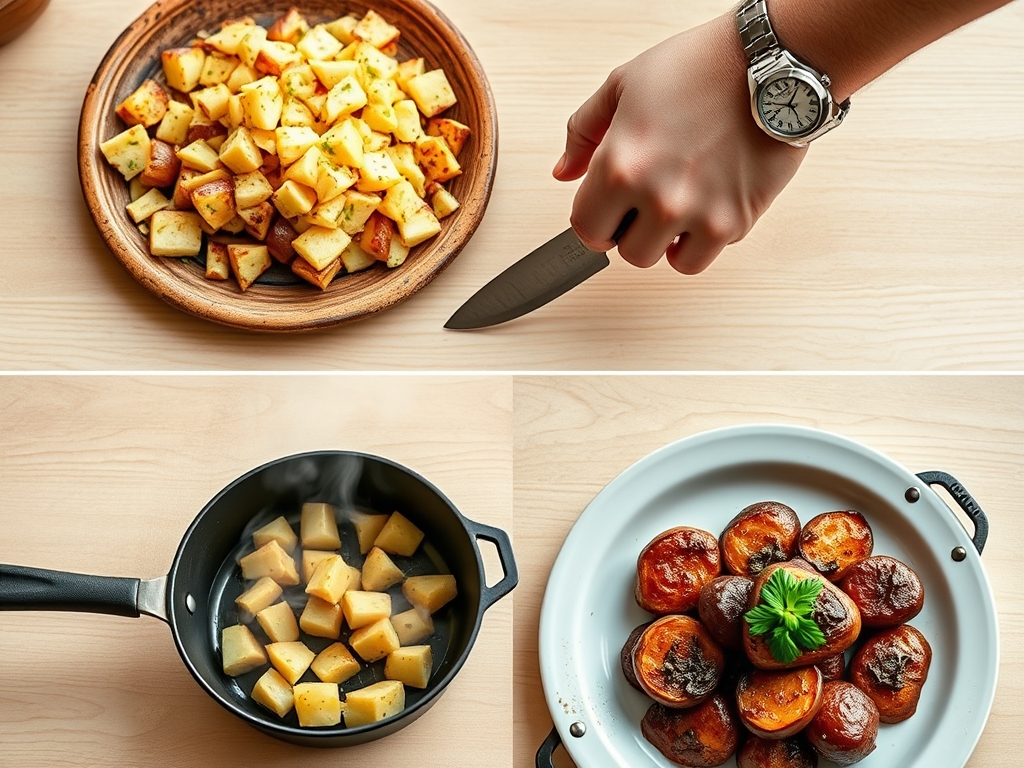
Scrub your potatoes under cold running water and pat them completely dry. Use a fork to prick the skin about eight times. This prevents the internal steam pressure from causing a structural failure or an "explosion" in your smoker.
Pro Tip: This step manages enzymatic browning. By drying the surface thoroughly; you ensure that the heat goes toward the Maillard reaction rather than just evaporating surface water.
2. The Fat Infusion
Coat each potato in a thin; even layer of rendered fat. Use your hands to massage the oil into every crevice. This creates a hydrophobic barrier that helps the smoke particles adhere to the skin rather than bouncing off.
Pro Tip: Fat acts as a thermal bridge. It conducts heat more efficiently than air; ensuring the skin reaches the temperature necessary for crisping while the inside remains protected.
3. The Salt Crust
Generously dust the oiled potatoes with kosher salt. The salt will draw out a tiny amount of moisture from the skin; which then mixes with the oil to create a piquant; savory brine that dehydrates the skin into a crisp shell.
Pro Tip: This is the principle of osmosis. By drawing moisture to the surface; you accelerate the formation of a "pellicle;" a thin; tacky layer that allows smoke to bind to the food.
4. The Low and Slow Smoke
Place the potatoes directly on the grill grates of your smoker. Use a fruitwood like apple or cherry for a delicate sweetness; or hickory for a more aggressive; traditional BBQ profile. Maintain a consistent temperature to ensure even starch gelatinization.
Pro Tip: Starch gelatinization occurs between 140 and 185 degrees Fahrenheit. Maintaining a low temperature allows the granules to swell slowly without bursting; resulting in a lighter texture.
5. The Internal Temp Check
Use a digital probe thermometer to check for doneness. You are looking for an internal temperature of 205 to 210 degrees Fahrenheit. At this point; the resistance should be non-existent; like pushing a needle through warm butter.
Pro Tip: This accounts for thermal carryover. Even after you remove the potatoes from the heat; the internal temperature will rise by another 2 to 3 degrees; finishing the cook perfectly.
6. The Aeration Squeeze
Once removed; immediately use a clean kitchen towel to "grip and squeeze" the potato from the ends toward the center. Then; use a paring knife to slice a cross into the top.
Pro Tip: This action aerates the interior. By releasing the steam immediately; you prevent it from condensing back into water droplets; which would turn your fluffy potato into a dense; soggy one.
7. The Final Garnish
Use a microplane to zest fresh lemon over the top and add a dollop of high-fat cultured butter. The acidity of the zest cuts through the richness of the smoke and fat; creating a balanced flavor profile.
Pro Tip: This is about lipid emulsification. The warm potato starch binds with the melting butter fat to create a creamy mouthfeel that is chemically distinct from just eating a plain potato.
The Deep Dive:
From a macro nutrition perspective; a medium smoked potato provides roughly 160 calories; 4 grams of protein; and a significant dose of potassium and Vitamin C. To make this Keto-friendly; swap the Russet for a hollowed-out zucchini or a head of cauliflower treated with the same smoking technique. For a vegan version; use a high-quality olive oil or coconut oil instead of animal fats.
The Fix-It: Common Pitfalls
- Leathery Skin: This happens if the temperature is too low for too long. Fix it by cranking the heat to 400 degrees for the last 10 minutes to crisp the exterior.
- Bitter Smoke Flavor: This is caused by "dirty smoke" (thick white smoke). Ensure your fire has enough oxygen to produce a thin; blue tint.
- Hard Centers: You likely pulled them too early. If they are undercooked; wrap them in foil and place them in a 400-degree oven for 15 minutes to finish the softening process.
Meal Prep & Reheating: To maintain "day-one" quality; do not use a microwave. Reheat your smoked potatoes in an air fryer or a hot oven at 375 degrees. This reactivates the fats in the skin to restore the crunch while gently warming the interior without making it gummy.
The Wrap-Up:
Mastering smoked potato recipes is the ultimate "flex" for any home cook. It shows you understand that flavor is built in layers; from the choice of wood to the final dusting of salt. When you pull those dark; aromatic tubers off the rack; you are serving more than just a side; you are serving a masterclass in texture and technique. Now; go fire up that smoker and show everyone that the potato is the true star of the show!
The Kitchen Table:
Can I smoke potatoes ahead of time?
Yes; you can smoke them up to two days in advance. Store them in an airtight container in the fridge. Reheat in a 400-degree oven for 15 minutes to restore the crispy skin texture before serving.
What is the best wood for smoked potatoes?
Apple or cherry wood provides a sweet; mild flavor that complements the earthy potato. For a bolder taste; use hickory or oak. Avoid mesquite; as it can become overpowering and bitter during the long cook time.
Do I need to wrap potatoes in foil?
No; do not wrap them in foil if you want crispy skin. Foil traps steam; which results in a soft; boiled-style skin. Smoking them "naked" allows the smoke to penetrate and the skin to dehydrate and crisp.
How do I know when the potato is done?
The most reliable method is using a digital thermometer. Aim for an internal temperature between 205 and 210 degrees Fahrenheit. The potato should also feel soft when squeezed gently with a pair of tongs.