
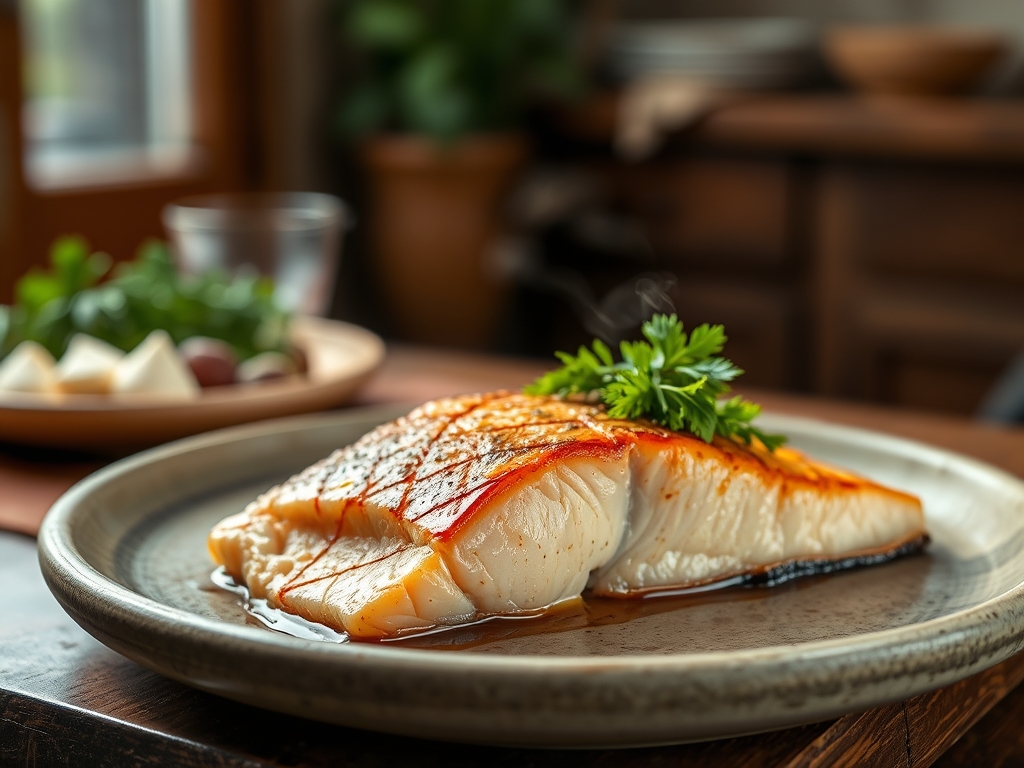
Imagine a heavy bottomed skillet screaming with heat as a cold slab of Atlantic gold hits the surface. There is a specific, high frequency hiss that signals the start of the Maillard reaction. It is the sound of amino acids and reducing sugars doing a high stakes tango. If you have spent any time scrolling through salmon recipes reddit threads, you know the internet is obsessed with achieving that perfect, glass like crust while keeping the interior as soft as butter. We are not just cooking dinner tonight; we are engineering a masterpiece of texture and temperature. Salmon is the ultimate chameleon of the sea. It can be elegant, rustic, or aggressively spicy, but it is always unforgiving to the unprepared. We are going to bypass the amateur mistakes and dive straight into the professional techniques that turn a standard weeknight fillet into something that looks like it was plated by a Michelin star stylist. Grab your favorite apron and clear the counter because we are about to decode the physics of the perfect sear.
The Gathers:
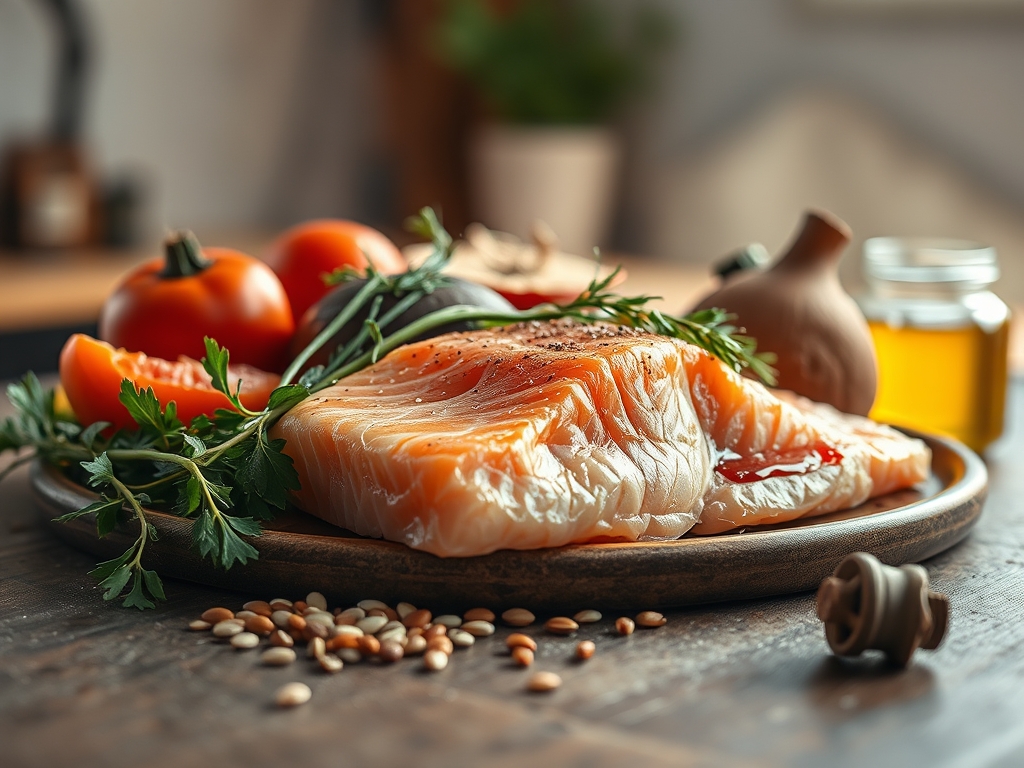
To execute these salmon recipes reddit favorites, your mise-en-place must be precise. Start with high quality, center cut fillets. You want uniform thickness so the thermal energy distributes evenly. You will need a high smoke point oil like avocado or grapeseed oil; olive oil will oxidize and turn acrid before you get the crust you crave. Gather your aromatics: fresh sprigs of thyme, smashed garlic cloves, and a knob of unsalted European butter for that final, viscous baste.
For the seasoning, use a digital scale to ensure a 2 percent salt to weight ratio for perfect seasoning. You will also need a microplane for zesting lemons to provide a piquant lift to the fatty acids. Smart substitutions are key for versatility. If you are avoiding dairy, swap the butter for a refined coconut oil to maintain the fat content without the milk solids. If you want a deeper umami profile, a teaspoon of white miso paste whisked into your deglazing liquid adds a fermented depth that salt alone cannot achieve. Ensure your salmon is patted bone dry with paper towels; moisture is the enemy of the sear.
The Clock:
The "Chef's Flow" is all about timing and heat management. Total active prep time is approximately 15 minutes, which includes the crucial step of letting the fish sit at room temperature to take the chill off. This prevents the muscle fibers from seizing when they hit the pan. The actual cook time is a lightning fast 8 to 10 minutes.
You must account for thermal carryover, where the internal temperature continues to rise by 5 to 7 degrees after being removed from the heat source. If you pull the fish at 125 degrees Fahrenheit, it will rest perfectly at a medium rare 130 degrees. This flow ensures that by the time your side dishes are plated, the salmon has rested enough for the juices to redistribute, preventing a dry or chalky texture.
The Masterclass:
1. The Desiccation Ritual
Place your fillets on a wire rack over a baking sheet. Use a paper towel to press firmly into the skin. Moisture creates steam, and steam prevents the enzymatic browning required for a crispy exterior.
Pro Tip: Leaving the salmon uncovered in the fridge for two hours creates a "pellicle," a tacky surface layer that allows smoke and heat to adhere better for a superior crust.
2. The Cold Start Hybrid
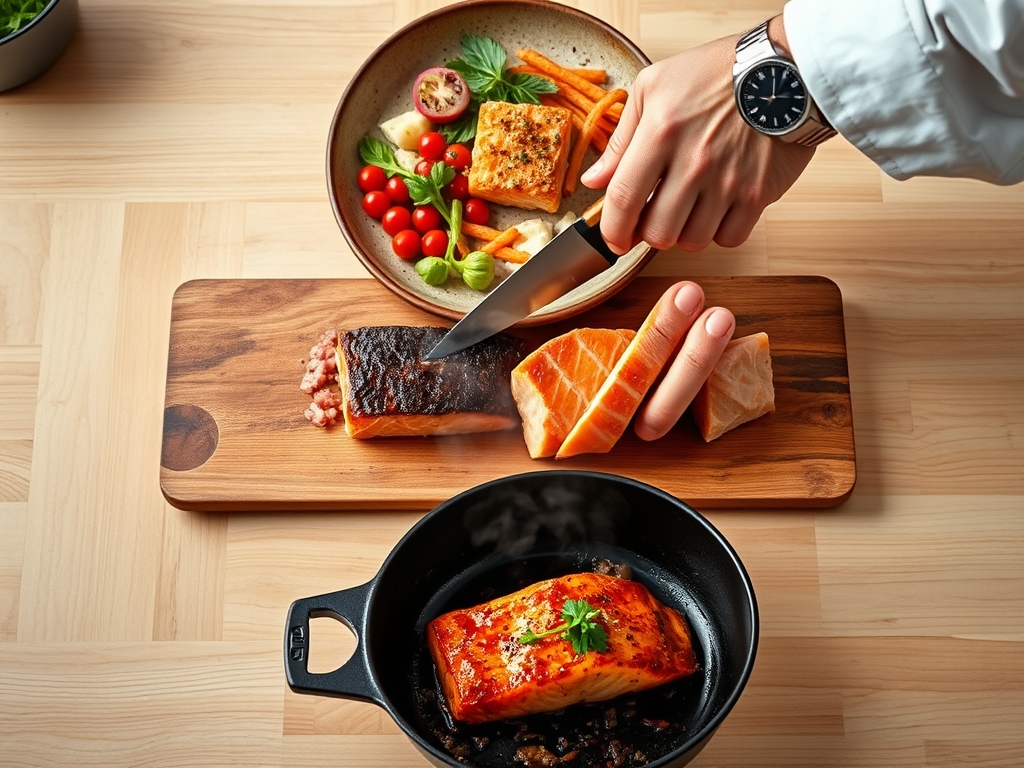
Place the salmon skin side down in a cold, non stick pan, then turn the heat to medium high. This allows the subcutaneous fat to render slowly, frying the skin in its own oil for a potato chip like crunch.
Pro Tip: This method prevents the protein from "bowing" or curling, ensuring maximum surface contact with the heat source.
3. The Weight of Excellence
Once the fish is in the pan, use a flexible fish spatula or a heavy press to hold the fillet down for the first 60 seconds. This ensures the skin stays flat against the metal.
Pro Tip: Consistent pressure prevents air pockets from forming, which leads to uneven cooking and soggy patches of skin.
4. The Aromatics Infusion
When the salmon is 70 percent cooked through, toss in your garlic and herbs. Tilt the pan and use a large spoon to infuse the hot oil over the flesh side of the fish.
Pro Tip: This technique, known as "arrosé," uses hot fat to gently cook the top of the fish without toughening the delicate proteins.
5. The Deglaze and Emulsify
Remove the fish and immediately hit the pan with a splash of dry white wine or chicken stock. Use a saucier whisk to scrape up the fond (the brown bits) and incorporate a cold pat of butter.
Pro Tip: This creates a pan sauce through emulsification, where the fat and water molecules bind to create a silky, glossy coating.
6. The Rest and Residual Rise
Transfer the salmon to a warm plate and let it rest for exactly four minutes. Do not tent it with foil, as this will trap steam and soften the skin you worked so hard to crisp.
Pro Tip: Resting allows the internal pressure to stabilize, ensuring the moisture stays inside the cells rather than spilling out onto the plate.
The Deep Dive:
From a macro nutrition perspective, salmon is a powerhouse. A 6 ounce portion delivers roughly 34 grams of high quality protein and 2.5 grams of Omega-3 fatty acids. It is naturally Keto and Gluten Free, making it a staple for clean eating. For a vegan twist, use this same searing technique on "steaks" of Lion's Mane mushrooms or thick slabs of firm tofu pressed to remove moisture.
The Fix-It: If your salmon is sticking, you likely tried to flip it too early; the fish will naturally release once the crust is formed. If you see white "goo" (albumin) seeping out, your heat is too high, causing the protein fibers to contract and squeeze out moisture. If the skin is burnt but the middle is raw, lower your flame and finish the fish in a 300 degree oven for gentle heat penetration.
For meal prep, reheating is a science. Never use a microwave; it turns salmon into rubber. Instead, place it in a 275 degree oven with a tablespoon of water and cover tightly with foil to create a gentle steam chamber. This restores the "day-one" flake without overcooking the core.
The Wrap-Up:
Mastering salmon recipes reddit style is about respecting the chemistry of the ingredients. By focusing on moisture control, fat rendering, and precise thermal management, you transform a simple protein into a luxury experience. You have the tools, the science, and the technique to dominate your kitchen. Now, go get that perfect sear and show the internet how it is really done!
The Kitchen Table:
How do I prevent salmon from sticking to the pan?
Ensure the pan and oil are shimmering hot before adding the fish. Use a heavy bottomed stainless steel or cast iron skillet. Do not attempt to flip the fillet until it naturally releases from the surface after forming a crust.
What is the white stuff that comes out of salmon?
That substance is albumin, a liquid protein that solidifies when heated. It is perfectly safe to eat but indicates the fish was cooked too quickly or at a temperature that was too high, causing the muscle fibers to contract.
Can I cook salmon from frozen?
It is possible but not recommended for a gourmet result. Cooking from frozen often leads to an overcooked exterior and a raw interior. For the best texture, thaw overnight in the refrigerator and pat dry before searing.
How long does cooked salmon stay fresh in the fridge?
Cooked salmon remains safe and delicious for up to three days when stored in an airtight container. To maintain quality, avoid reheating it multiple times and use a low, gentle heat source to prevent the fats from turning rancid.