
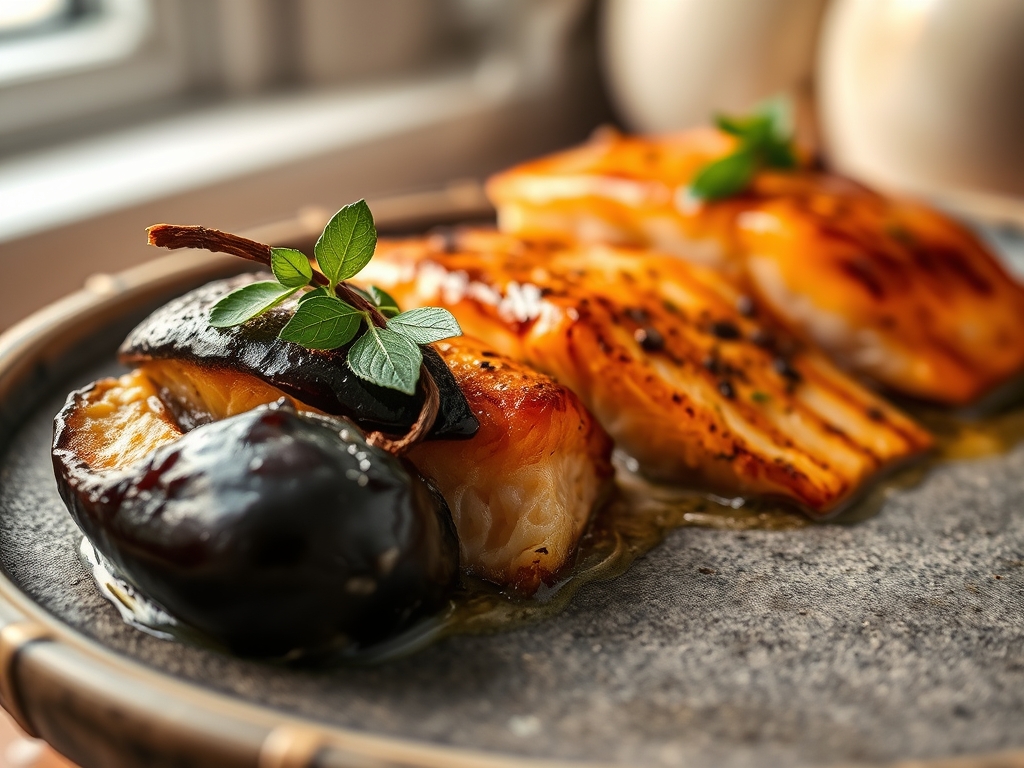
Picture a heavy-bottomed skillet where the fatty richness of Atlantic fillets meets the sponge-like versatility of a globe eggplant. Most home cooks treat these two as strangers; however, mastering eggplant and salmon recipes is actually a masterclass in balancing lipids and textures. It is the culinary equivalent of a velvet dress paired with sharp, metallic jewelry.
The secret lies in the contrast. Salmon offers a dense, flaky protein structure rich in omega-3 fatty acids, while eggplant provides a porous, plant-based canvas that absorbs every drop of flavor you throw at it. Whether you are searing, roasting, or glazing, these two ingredients create a nutritional powerhouse that feels indulgent but remains remarkably light. We are moving beyond basic sheet-pan dinners into a realm where high-heat searing meets delicate vegetable caramelization. Get ready to transform your weeknight rotation with ten innovative ways to marry the sea with the soil.
The Gathers:
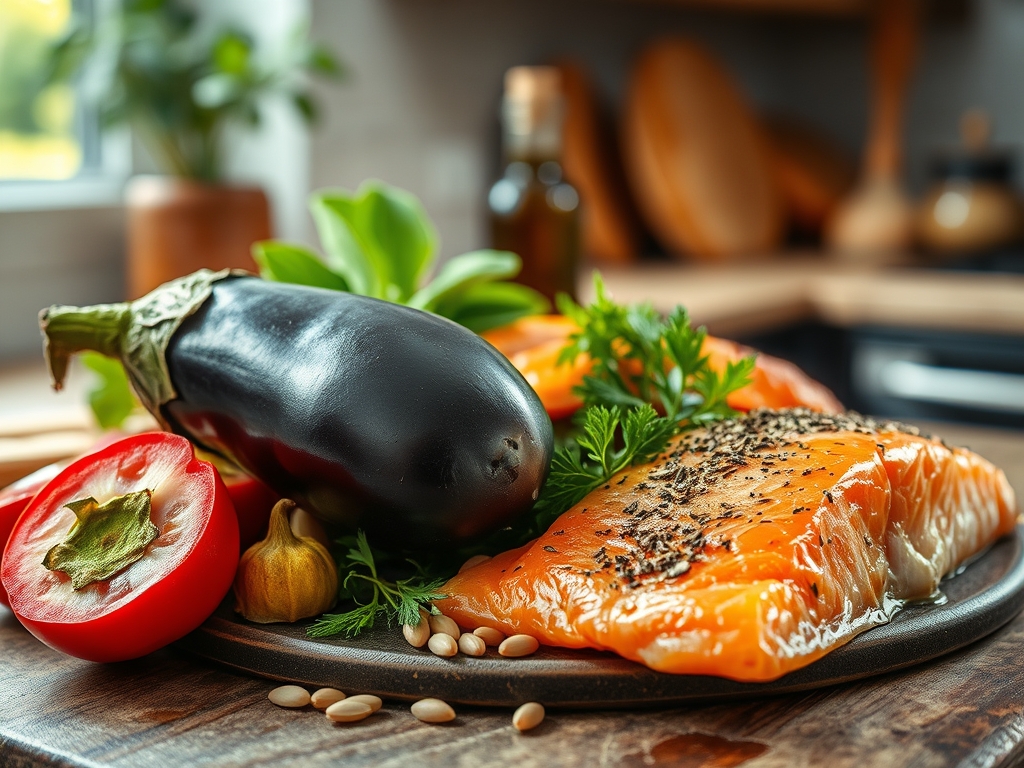
To execute these eggplant and salmon recipes with precision, your mise-en-place must be immaculate. Start with your salmon; look for fillets with high intramuscular fat, which ensures a moist result after the Maillard reaction takes hold. For the eggplant, select specimens that feel heavy for their size with taut, glossy skin. A light eggplant often indicates a high seed count, which can introduce unwanted bitterness to your palate.
Your pantry should include high-smoke-point oils like avocado or grapeseed to facilitate a clean sear without acrid oxidation. You will also need a microplane for zest, a digital scale for precise seasoning ratios, and a saucier for reducing glazes into a viscous coating.
Smart Substitutions:
If you cannot find Japanese eggplant, which boasts a thinner skin and sweeter flesh, use Italian varieties but increase your salt-sweating time. For those avoiding soy, coconut aminos offer a piquant alternative that mimics the umami depth of traditional shoyu. If salmon is unavailable, steelhead trout provides a nearly identical fat profile and texture.
The Clock
Efficiency in the kitchen is all about the Chef's Flow. For most of these pairings, you are looking at a total commitment of 40 minutes. Prep takes roughly 15 minutes, primarily focused on slicing the eggplant and "sweating" it to remove excess moisture. The cooking phase spans 20 to 25 minutes.
The flow dictates that you prep your vegetables first. Because eggplant acts as a thermal sponge, it takes longer to reach that creamy, custardy interior than the salmon takes to reach a medium-rare internal temperature. By the time your salmon is resting to allow for thermal carryover, your eggplant will be hitting its peak caramelization.
The Masterclass
1. The Salt Sweat and Prep
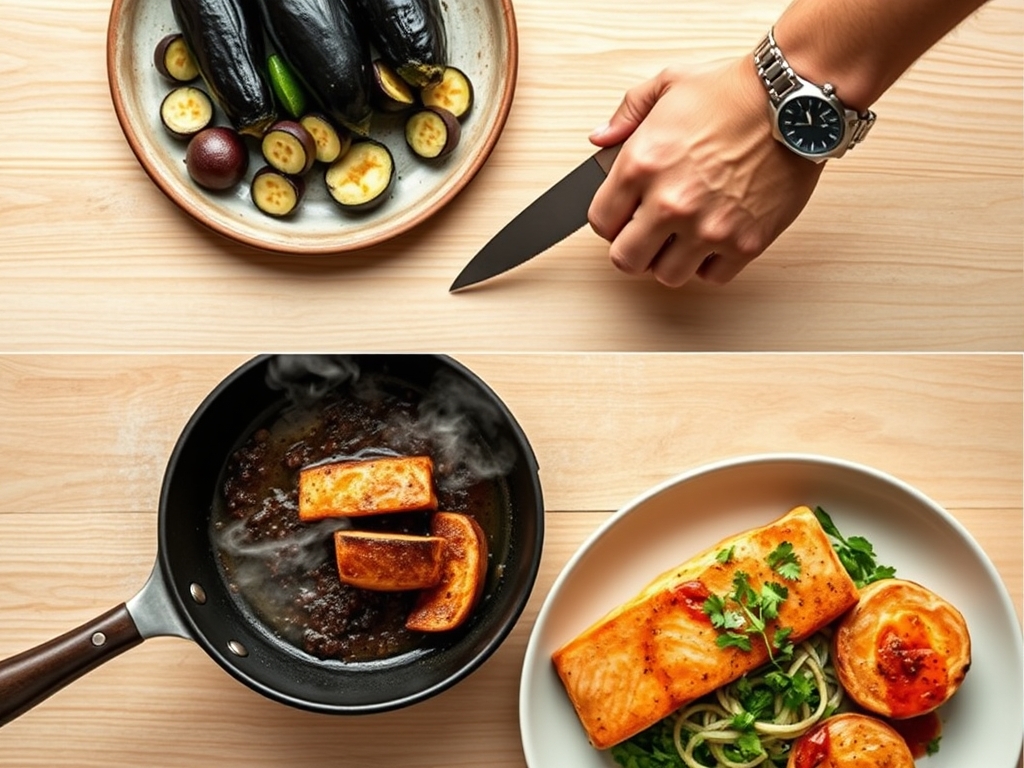
Begin by slicing your eggplant into uniform rounds or cubes. Use your bench scraper to move them to a wire rack. Generously salt the flesh and let it sit for 15 minutes to draw out moisture through osmosis.
Pro Tip: This process collapses the air pockets within the eggplant cell structure. If you skip this, the eggplant will act like a literal sponge, soaking up excessive oil and becoming greasy rather than creamy.
2. Searing the Protein
Pat your salmon fillets bone-dry with a paper towel. Heat your heavy-bottomed skillet until the oil shimmers. Lay the fish skin-side down, using tongs to press firmly for the first 30 seconds to prevent the skin from curling.
Pro Tip: Achieving a crispy skin requires the evaporation of surface moisture. If the skin is damp, it will steam rather than fry, resulting in a rubbery texture instead of a "glass-like" crunch.
3. Deglazing the Aromatics
Once the salmon is removed, use the rendered fat to sauté garlic, ginger, or shallots. Use a wooden spoon to deglaze the pan with a splash of mirin or white wine, scraping up the browned bits (fond) from the bottom.
Pro Tip: The fond contains concentrated flavor molecules created during the browning process. Incorporating these back into your sauce creates a bridge of flavor between the fish and the vegetable.
4. The Final Emulsification
Return the eggplant to the pan or toss it with a prepared reduction in your saucier. Whisk in a cold knob of butter or a spoonful of tahini to emulsify the sauce, creating a glossy finish that clings to the ingredients.
Pro Tip: Adding cold fat to a hot liquid at the end of cooking creates a stable emulsion. This prevents the sauce from breaking into a greasy mess, ensuring a luxurious mouthfeel.
The Deep Dive
When we look at the macro nutrition of eggplant and salmon recipes, we see a nearly perfect profile. A standard serving offers roughly 35g of protein and 12g of healthy fats, with the eggplant adding essential fiber and potassium.
Dietary Swaps:
- Keto: Replace any honey or sugar in glazes with monk fruit sweetener or erythritol.
- Vegan: While the salmon is the star, you can swap it for firm tofu pressed and seared using the same techniques.
- Gluten-Free: Ensure your soy sauce is replaced with tamari to keep the dish safe for celiacs.
The Fix-It:
- Soggy Eggplant: If your eggplant is mushy, you likely overcrowded the pan. Cook in batches to allow steam to escape.
- Dry Salmon: Use a digital thermometer. Pull the fish at 125 degrees Fahrenheit; the internal temperature will rise to a perfect 130 degrees while resting.
- Bitter Aftertaste: This usually comes from old eggplant seeds. To fix, add a squeeze of lemon juice or a pinch of sugar to neutralize the alkaloids.
Meal Prep Science:
To reheat, avoid the microwave as it turns salmon into rubber. Instead, use a low-heat oven (275 degrees) with a splash of water in the dish, covered tightly with foil. This creates a gentle steam environment that preserves the delicate protein structure.
The Wrap-Up
Mastering eggplant and salmon recipes is about more than just following a list of steps; it is about understanding how heat transforms moisture and fat. When you treat the eggplant as a vessel for the salmon's richness, you unlock a level of culinary sophistication that usually requires years of training. Grab your tongs, fire up that skillet, and embrace the beautiful chemistry of these two powerhouse ingredients. Your dinner table is about to get a major upgrade.
The Kitchen Table
Can I cook eggplant and salmon on the same sheet pan?
Yes, but timing is critical. Start the eggplant ten minutes before adding the salmon. This ensures the vegetable is tender and caramelized while the fish remains moist and perfectly flaked.
Why is my eggplant always so oily?
Eggplant is naturally porous. To prevent oil absorption, salt the eggplant beforehand to collapse its cell structure. Alternatively, brush the oil directly onto the vegetable instead of pouring it into the pan.
What is the best way to tell if salmon is done?
The most accurate method is using a digital thermometer to reach 130 degrees Fahrenheit. Visually, the fish should change from translucent to opaque and flake easily with a gentle fork press.
Should I leave the skin on the eggplant?
For globe eggplants, the skin can be tough; consider peeling "stripes" for texture. For Japanese or Chinese varieties, the skin is thin and tender, so keep it on for better structural integrity.
How do I stop salmon from sticking to the pan?
Ensure your pan and oil are hot before adding the fish. Once the salmon hits the pan, do not move it for at least three minutes. The fish will naturally release once a crust forms.