
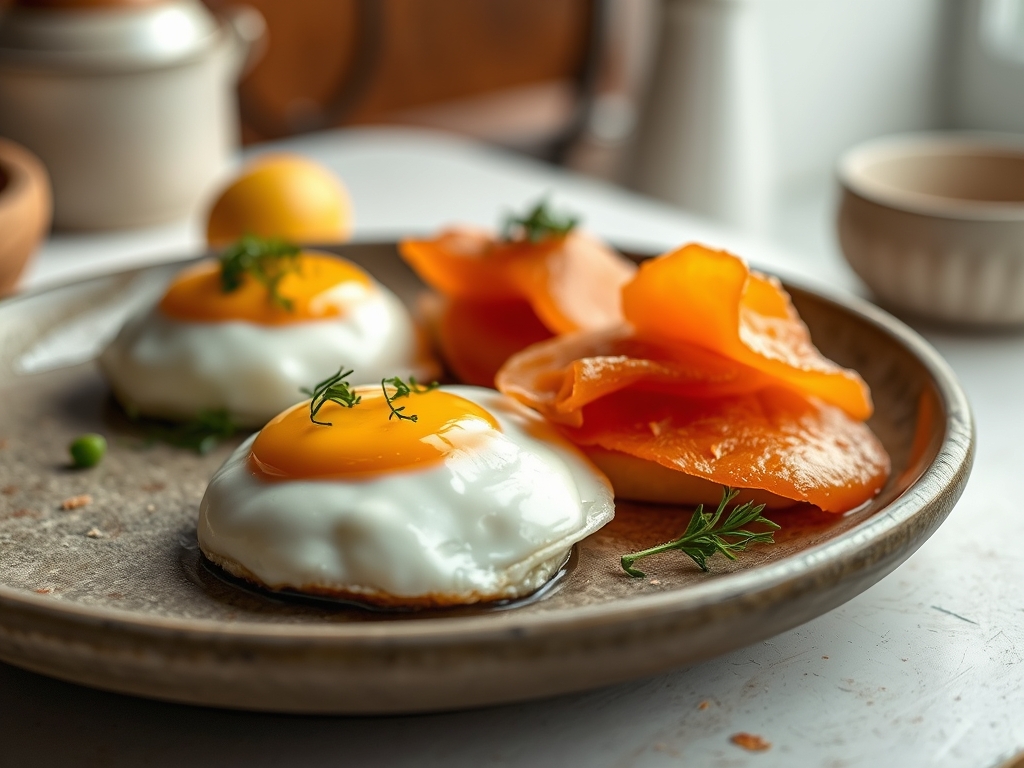
Imagine the scent of cold-smoked Atlantic salmon hitting a hot, buttered pan; it is a salty, oceanic perfume that instantly elevates your kitchen from a standard Tuesday morning to a high-end bistro. When you master eggs and smoked salmon recipes, you are playing with the ultimate culinary contrast. You have the rich, fatty lipids of the salmon meeting the silky, sulfur-bound proteins of a perfectly set egg. It is a marriage of textures that ranges from the snap of a caper to the pillowy softness of a French-style scramble. We are not just making breakfast here; we are engineering a masterpiece of salt, fat, and acid that will keep your palate dancing until lunch.
The Gathers:
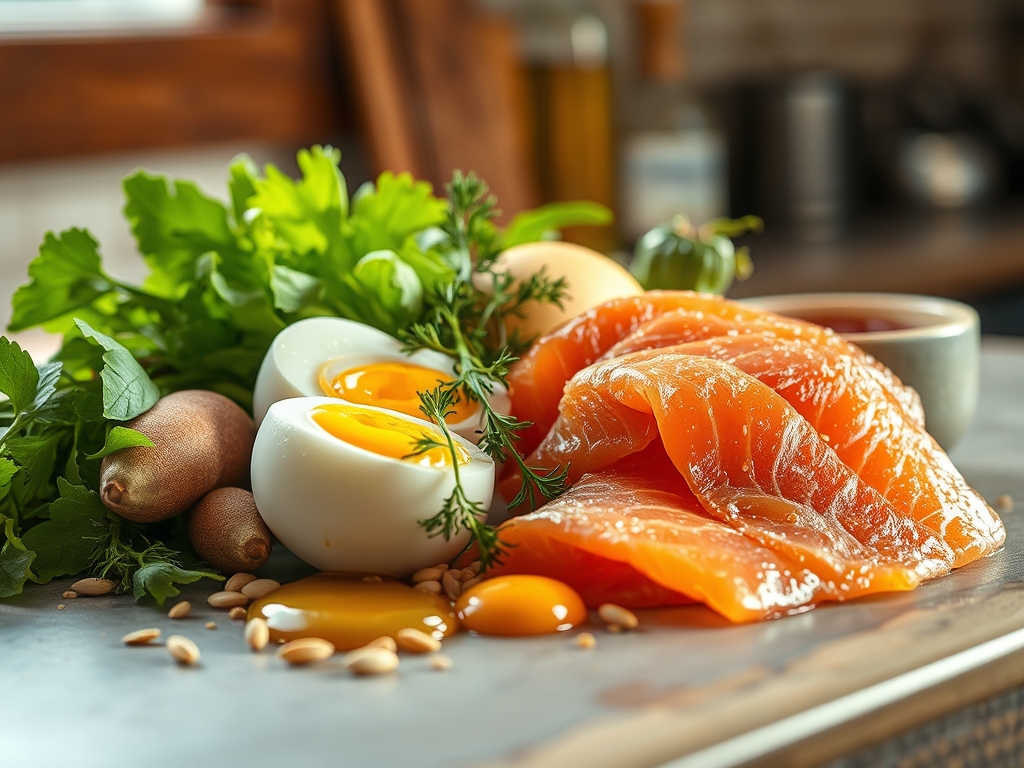
To begin our journey into the world of eggs and smoked salmon recipes, your mise-en-place must be precise. Start with cold-smoked salmon, which has undergone a low-temperature curing process to preserve its myoglobin and delicate texture. You will need farm-fresh eggs, preferably pasture-raised for those deep orange yolks rich in lecithin, which acts as our primary emulsifier.
For the aromatics, gather fresh dill, chives, and shallots. Use a sharp mandoline to shave the shallots into translucent ribbons that will melt into your fats. Your fat source should be high-quality unsalted butter or a thick creme fraiche to add a viscous mouthfeel. A jar of nonpareil capers adds a piquant punch, while a lemon zested with a microplane provides the essential citric acid to cut through the heavy lipids.
Smart Substitutions:
If you cannot find cold-smoked salmon, hot-smoked salmon offers a flakier, more cooked texture that holds up well in baked applications. For a dairy-free alternative, swap the butter for a high-quality avocado oil or a spoonful of cashew cream to maintain that essential creamy density. If you are watching your sodium, rinse your capers in cold water to remove the excess brine before adding them to your skillet.
The Clock:
Efficiency in the kitchen is all about Chef's Flow. This is the art of sequencing tasks so that no component sits long enough to lose its structural integrity. Total preparation for these recipes usually clocks in at ten minutes, with active cooking time ranging from three to twelve minutes depending on your chosen method.
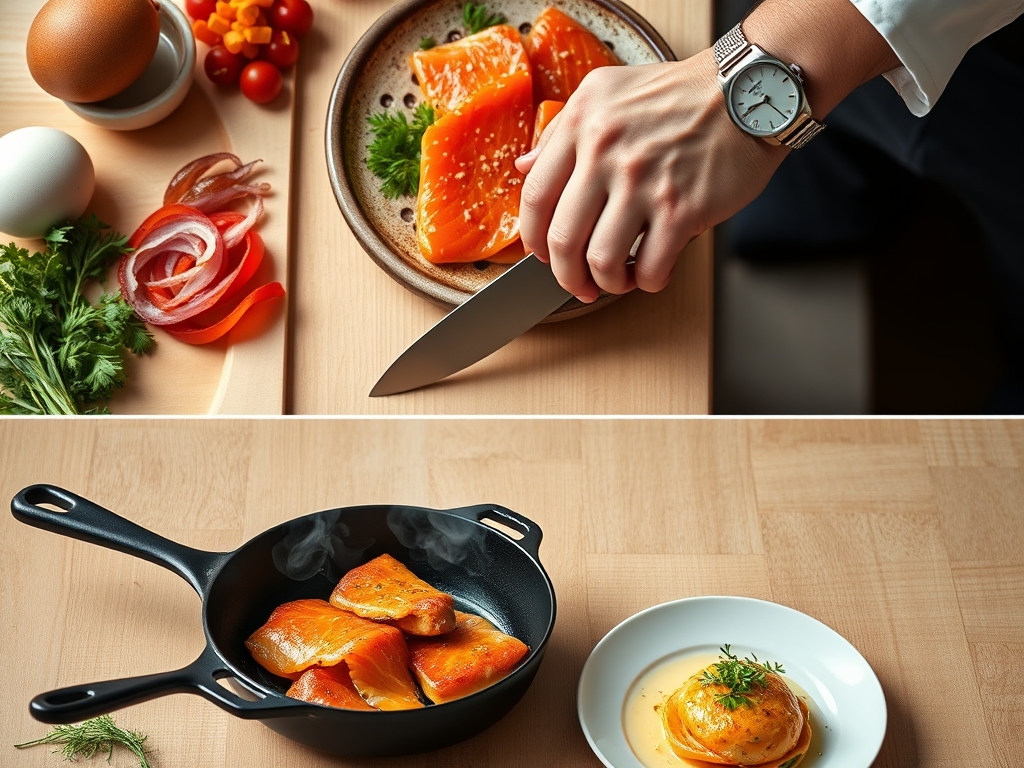
The flow begins with the salmon. Since it is already cured, it requires zero "cooking" time in the traditional sense; you are simply bringing it to room temperature or gently warming it to release its volatile oils. While your heavy-bottomed skillet or saucier preheats over a low flame, you should be whisking your eggs. The goal is to aerate the whites and yolks into a homogenous golden liquid before the first drop hits the pan. If you are poaching, your water should be at a gentle simmer, not a rolling boil, to prevent the delicate proteins from shredding.
The Masterclass:
1. The Velvet Scramble
Whisk three eggs with a tablespoon of creme fraiche until no streaks remain. Melt butter in a non-stick pan over low heat. Pour in the eggs and use a silicone spatula to move the curds constantly. Fold in the salmon at the very last second.
Pro Tip: This relies on thermal carryover. Remove the pan from the heat while the eggs still look slightly wet; the residual heat will finish the cooking process without toughening the proteins.
2. The Smoked Salmon Benedict
Poach your eggs in water with a splash of white vinegar to help the proteins coagulate quickly. Layer a toasted English muffin with a generous fold of salmon, the poached egg, and a drizzle of hollandaise.
Pro Tip: Vinegar lowers the pH of the poaching liquid, which speeds up protein denaturation, ensuring the egg white wraps tightly around the yolk instead of spidering out.
3. The Lox and Schmear Omelet
Create a thin French-style omelet. Before folding, spread a thin layer of herb-infused cream cheese and top with ribbons of salmon and red onion.
Pro Tip: Use a digital scale to weigh your eggs for consistency. A standard large egg is 50 grams; knowing your exact volume helps you time the "set" perfectly every time.
4. The Crispy Salmon Frittata
Sauté shallots and spinach in a heavy-bottomed skillet. Pour over beaten eggs and top with flaked smoked salmon. Finish under the broiler for two minutes.
Pro Tip: The broiler induces the Maillard reaction on the surface, creating a savory crust while the interior remains a soft, custardy matrix.
5. The Smoked Salmon Egg Salad
Hard-boil eggs for exactly nine minutes, then shock in an ice bath. Dice the eggs and fold in Greek yogurt, dill, and chopped salmon.
Pro Tip: The ice bath stops the cooking process instantly, preventing the formation of ferrous sulfide, that unappealing green ring around the yolk.
6. The Breakfast Power Bowl
Soft-boil an egg for six minutes. Serve over a bed of quinoa with avocado, smoked salmon, and a squeeze of lemon.
Pro Tip: The runny yolk acts as a natural sauce, creating a rich emulsion when mixed with the lemon juice and avocado fats.
7. The Smoked Salmon Cloud Toast
Whip egg whites to stiff peaks and bake them into "clouds." Drop the yolk in the center for the last minute, then garnish with cold salmon.
Pro Tip: Whipping the whites creates a stable protein foam. The air bubbles expand slightly in the oven, giving you a lightweight, architectural base for the heavy salmon.
The Deep Dive:
From a nutritional standpoint, eggs and smoked salmon recipes are a powerhouse. You are getting high-quality bioavailable protein alongside Omega-3 fatty acids, which are essential for brain health. A single serving typically provides about 250 to 350 calories with a high satiety index.
Dietary Swaps:
For the Keto crowd, skip the toast and serve your salmon and eggs over a bed of sautéed kale or arugula. If you are Gluten-Free, ensure your smoked salmon is not processed with malt-based flavorings. For a vegan "salmon" alternative, many chefs use marinated, roasted carrots to mimic the texture and color, though the protein profile will shift significantly.
The Fix-It:
If your eggs are rubbery, your heat was too high; next time, use a lower flame and move the pan off the burner periodically. If the salmon tastes too salty, balance it with an extra dollop of unsweetened fat like avocado or sour cream. If your poached eggs are messy, use a fine-mesh strainer to remove the "watery" bits of the egg white before dropping them into the simmering water.
Meal Prep:
Smoked salmon does not reheat well in the microwave; it becomes fishy and tough. If you are meal prepping, store the cooked eggs and the salmon separately. Warm the eggs gently in a pan or eat them cold, then drape the fresh salmon over the top to preserve its delicate texture.
The Wrap-Up:
Mastering eggs and smoked salmon recipes is like having a secret weapon in your culinary arsenal. It is sophisticated, nutritionally dense, and surprisingly easy once you understand the science of heat and protein. Whether you are whisking a velvet scramble or stacking a towering Benedict, remember that quality ingredients and temperature control are your best friends. Now, grab your saucier and get cooking; your brunch guests are waiting!
The Kitchen Table:
How do I keep smoked salmon from getting salty when cooked?
Avoid adding extra salt to your eggs. The salmon contains high concentrations of sodium from the curing process. Use acidic elements like lemon juice or piquant capers to balance the saltiness rather than adding more seasoning to the pan.
What is the best way to store leftover smoked salmon?
Wrap it tightly in plastic wrap to minimize oxygen exposure, which prevents the fats from oxidizing. Store it in the coldest part of your refrigerator and consume it within three days of opening the vacuum-sealed package for peak freshness.
Can I use frozen smoked salmon for these recipes?
Yes, but thaw it slowly in the refrigerator. Rapid thawing can damage the cell structure, leading to a mushy texture. Once thawed, pat it dry with a paper towel to remove excess moisture before adding it to your eggs.
Why do my scrambled eggs turn gray when I add salmon?
This is a chemical reaction between the sulfur in the eggs and the minerals in the salmon. To prevent this, fold the salmon in at the very end of cooking or use it as a cold topping instead.
What is the "window of perfection" for a soft-boiled egg?
For a jammy yolk and set whites, six and a half minutes is the gold standard. Use a digital timer and immediately move the eggs to an ice bath to lock in that specific molecular state.