
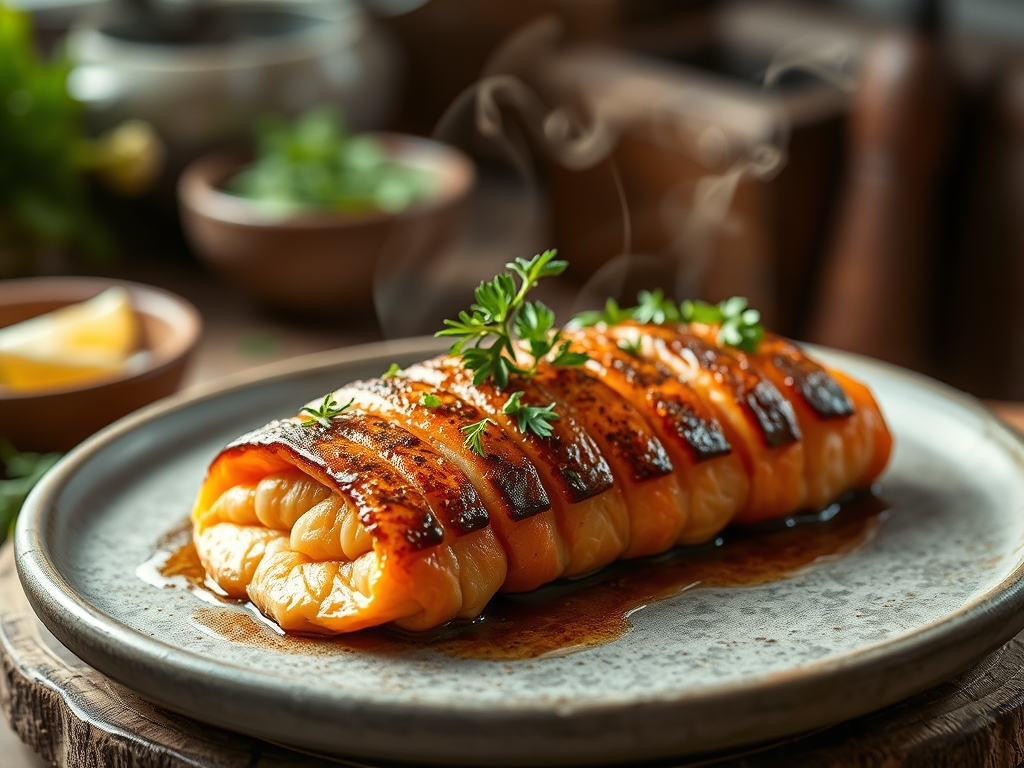
Imagine the scent of citrus-infused steam hitting the air as you pull a glistening, golden-brown centerpiece from the oven. We are moving far beyond the basic fillet tonight. When you master braided salmon recipes, you are not just cooking; you are engineering a structural masterpiece that maximizes surface area for caramelization while locking in moisture through a clever architectural weave.
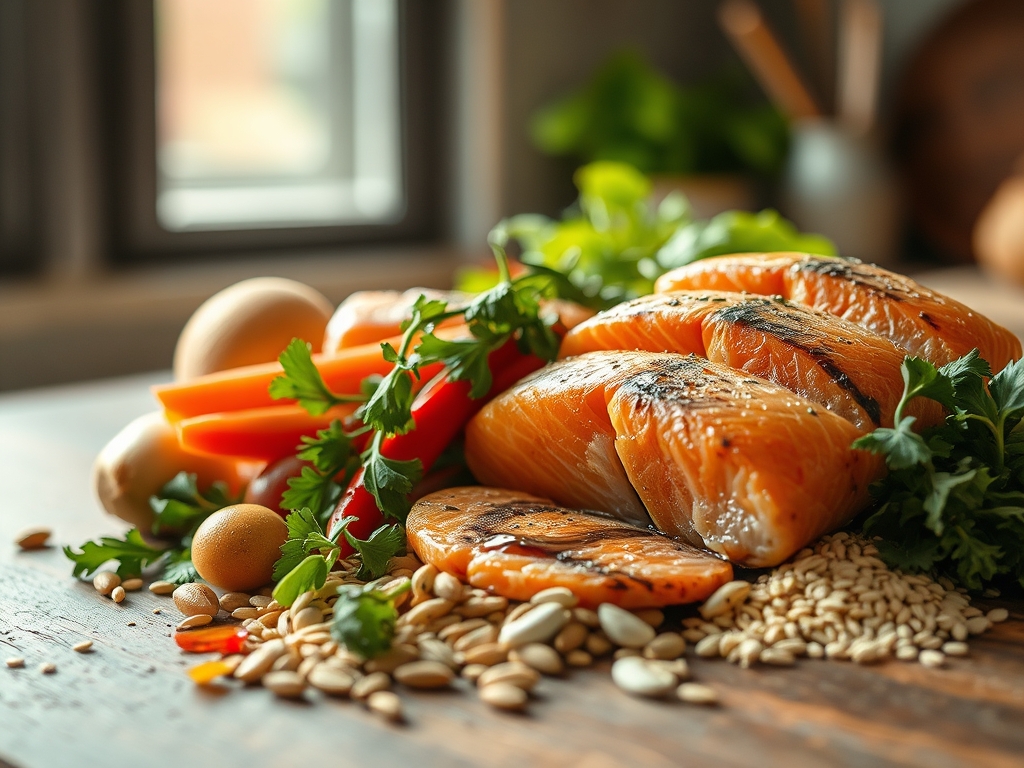
The Gathers:
To begin this culinary architecture, you need high-quality lipids and proteins. Start with two large, skinless center-cut Atlantic salmon sides. These provide the uniform thickness necessary for an even braid. You will also need a high-smoke-point oil like avocado oil, chilled unsalted butter for emulsification, and a piquant acid like Meyer lemon or white balsamic vinegar to cut through the fatty acids.
Your mise-en-place should include fresh aromatics: dill, chives, and flat-leaf parsley. Use a microplane to zest your citrus; this tool ensures you only capture the essential oils in the flavedo without hitting the bitter white pith. For the seasoning, reach for Maldon sea salt and freshly cracked white pepper to maintain a clean aesthetic.
Smart Substitutions: If salmon is unavailable, Steelhead trout offers a similar fat content and vibrant hue. For a dairy-free version, swap the butter for a viscous, high-quality extra virgin olive oil. If you want a deeper umami profile, a splash of liquid aminos can replace the salt while adding complex fermented notes to the finish.
The Clock:
Efficiency in the kitchen is about understanding the Chef's Flow. This is the sequence of operations that ensures no component sits idle. Your total active prep time is 25 minutes, with a bake time of 18 to 22 minutes depending on the thickness of your braids.
The flow begins with the "Chill Phase." Cold fish is structurally more sound and easier to slice without tearing the delicate muscle fibers. While the fish tempers slightly after slicing, you will prepare your glazes. The final "Rest Phase" is non-negotiable; five minutes on a warm platter allows the internal juices to redistribute, preventing a dry result when you finally slice into the weave.
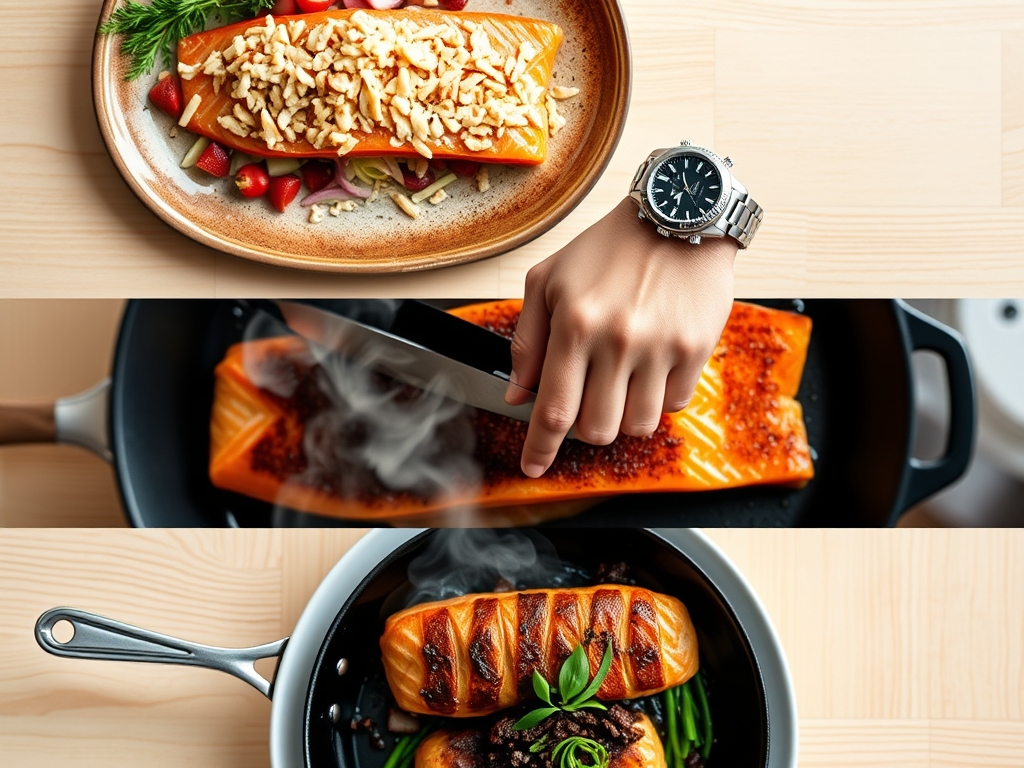
The Masterclass:
1. The Precision Slice
Lay your salmon flat on a clean cutting board. Using a sharp bench scraper to stabilize the edges, use a long carving knife to slice the fillet lengthwise into three equal strips, leaving the top inch intact. This "header" acts as the anchor for your braid.
Pro Tip: This technique utilizes the principle of tensile strength. By keeping the top intact, you prevent the strips from sliding during the weave, ensuring the protein strands do not overstretch and lose their integrity before the heat sets them.
2. The Structural Weave
Gently cross the right strip over the center, then the left over the new center. Repeat this pattern with minimal tension. If you pull too tight, the fish will buckle as the proteins contract during the cooking process. Secure the end with a small wooden skewer if the tail is thin.
Pro Tip: Avoid excessive handling to prevent lipid oxidation. The heat from your hands can begin to melt the delicate fats in the salmon, leading to a greasy mouthfeel rather than a buttery one.
3. The Emulsion Glaze
In a small saucier, whisk together your melted butter, lemon juice, and herbs. Use a silicone pastry brush to coat the braid thoroughly, ensuring the liquid seeps into the crevices of the weave. This creates a barrier that prevents the interior from drying out.
Pro Tip: This step encourages Maillard reaction synergy. The milk solids in the butter react with the fish proteins under heat, creating hundreds of new flavor compounds and a deep golden crust that a water-based marinade cannot achieve.
4. The Thermal Application
Place the braids on a parchment-lined sheet pan. Slide them into a preheated 400 degree Fahrenheit oven. Use a digital scale to weigh your finished glaze portions if you are tracking macros, but for the cook, trust your tongs to feel the firmness of the fish.
Pro Tip: Watch for thermal carryover. Remove the salmon when the internal temperature hits 130 degrees Fahrenheit. The temperature will continue to rise to the ideal 135 or 140 degrees while resting, preventing the "white albumin" from leaking out.
The Deep Dive:
From a nutritional standpoint, braided salmon recipes are powerhouses. A standard 6-ounce serving provides roughly 34 grams of high-quality protein and is rich in Omega-3 fatty acids, specifically EPA and DHA. These fats are essential for cognitive function and cardiovascular health.
Dietary Swaps: For a Keto version, focus on a heavy herb-butter glaze with zero added sugars. Vegan guests can enjoy the same aesthetic using marinated, compressed watermelon or "Tofish" strips, though the cooking time will drop significantly. For Gluten-Free needs, ensure your seasonings are certified, as some pre-mixed rubs contain anti-caking agents derived from grain.
The Fix-It:
- The Braid is Unraveling: Use a toothpick to pin the ends. The protein will "glue" itself together once the heat reaches 140 degrees.
- Albumin Leakage (White Goo): This happens when the fish cooks too fast. Lower your oven temp by 25 degrees next time or brine the fish in salt water for 10 minutes before braiding.
- Soggy Bottoms: Use a wire rack set inside your baking sheet to allow hot air to circulate under the braid.
Meal Prep & Reheating: To maintain "day-one" quality, do not use a microwave. The high-frequency waves agitate water molecules too violently, toughening the fish. Instead, place the leftover braid in a heavy-bottomed skillet with a tablespoon of water, cover with a lid, and steam on low heat for 4 minutes. This gently rehydrates the fibers without overcooking the core.
The Wrap-Up:
Mastering braided salmon recipes elevates your weeknight dinner into a high-end bistro experience. It is the perfect marriage of biological science and artistic flair. By focusing on temperature control, structural integrity, and the chemistry of emulsions, you ensure every bite is succulent. Go ahead and grab your microplane and get to work; your kitchen is about to become the most popular spot in the house.
The Kitchen Table:
Why does my salmon have white stuff on it?
That white substance is albumin, a protein that squeezes out when the muscle fibers contract too quickly. To prevent this, cook the salmon at a lower temperature or give it a quick salt brine before braiding to relax the fibers.
Can I braid the salmon ahead of time?
Yes, you can braid the salmon up to four hours in advance. Keep it tightly wrapped in the refrigerator. This actually helps the braid hold its shape better as the cold firms up the natural fats and proteins.
What is the best tool for slicing the salmon strips?
A long, thin slicing knife or a sharp chef's knife is best. Ensure the blade is honed so you can cut through the fat and flesh in one clean motion without sawing, which preserves the delicate texture.
How do I know when the braided salmon is done?
The most reliable method is using a digital meat thermometer. Aim for an internal temperature of 130 degrees Fahrenheit for a medium finish. The fish should be opaque and flake easily when pressed with a fork.
Is it better to bake or air fry braided salmon?
Baking is preferred for large roasts to ensure even heat distribution. However, an air fryer works beautifully for individual-sized braids, as the rapid convection creates an incredible crust through accelerated Maillard reaction on the increased surface area.