
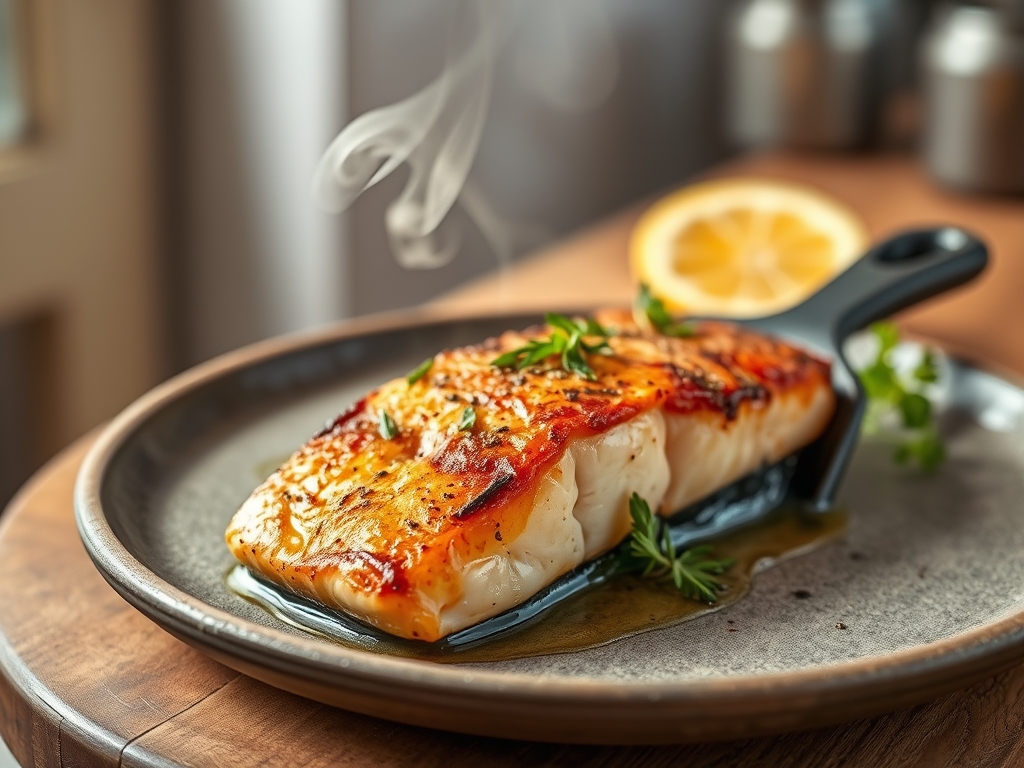
Imagine the sound of a high frequency sizzle hitting a heavy bottomed skillet; it is the definitive anthem of a perfect dinner. When you are hunting for the ultimate cast iron skillet salmon recipes, you are not just looking for a meal; you are looking for that elusive, glass like skin and a center that flakes with the gentlest pressure of a fork.
The magic happens when the raw, translucent muscle fibers of the fish encounter the brutal, even heat of seasoned metal. It is a transformation of textures where the soft becomes crisp and the fats render into liquid gold. Most home cooks fear the stick, but I am going to show you how to master the thermal dynamics of your kitchen so you never lose a piece of skin to the pan again. We are diving into the molecular level of searing, ensuring every fillet you serve looks like it belongs on a magazine cover. Grab your favorite apron and let us get technical with some serious flavor.
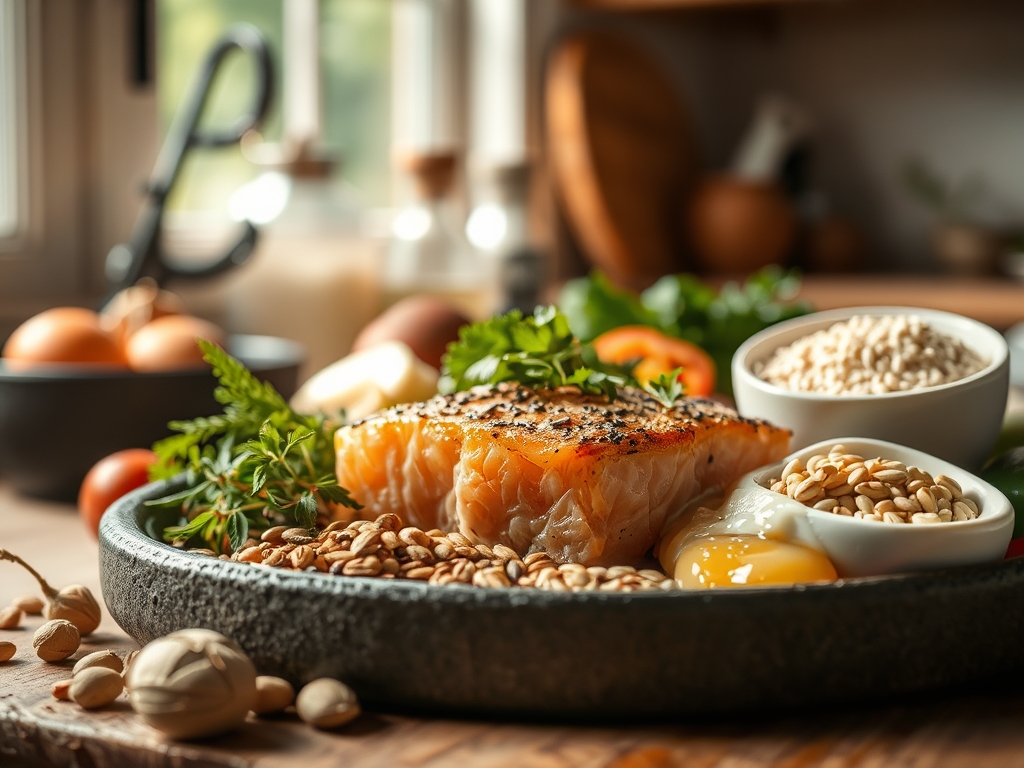
The Gathers:
Before we apply heat, we must curate our mise en place with precision. Use a digital scale to ensure your fillets are uniform in weight, typically six ounces, which guarantees they cook at the same rate. You will need high quality Atlantic or King salmon, characterized by deep marination of intramuscular fat.
Your fat source is critical. We need a high smoke point oil like avocado or grapeseed oil to act as the heat transfer medium. Do not use extra virgin olive oil here; its low smoke point will result in a piquant, burnt flavor that ruins the delicate fish. You will also need unsalted butter for the final basting, fresh thyme sprigs for an aromatic infusion, and cloves of garlic that we will crush to release their essential oils.
Smart Substitutions: If you are avoiding dairy, swap the butter for a refined coconut oil to maintain a viscous mouthfeel without the lactose. For a citrus twist, use a microplane to zest a lemon directly over the fish during the resting phase rather than cooking the slices, which can become bitter when charred.
The Clock
The "Chef's Flow" is all about managing your temporal environment. Total preparation takes exactly ten minutes of active work, while the cooking process spans eight to ten minutes depending on the thickness of your cut.
- The Temper (20 Minutes): Never pull fish straight from the fridge to the pan. Let it sit at room temperature to prevent a "thermal shock" that causes the proteins to tighten and squeeze out moisture.
- The Sear (5 Minutes): This is the high energy phase where the skin side down contact creates the structural foundation.
- The Flip and Baste (3 Minutes): A lower intensity phase where we gently finish the interior.
- The Rest (5 Minutes): Essential for juice redistribution.
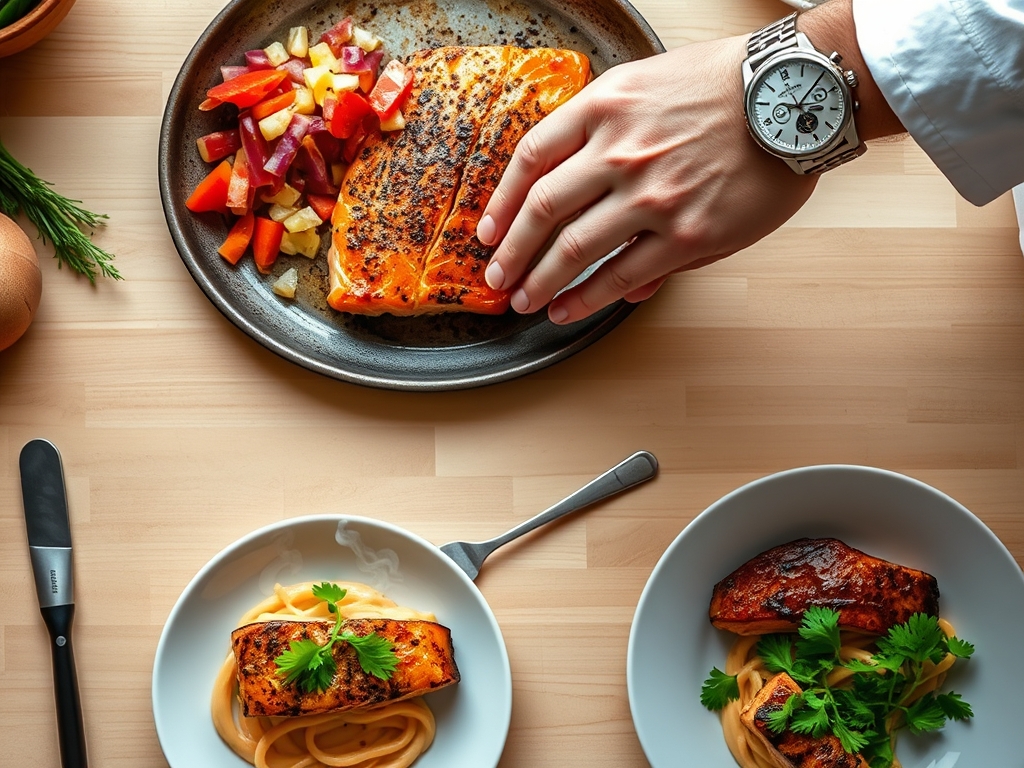
The Masterclass
1. The Desiccation Ritual
Use a paper towel to bone-dry the skin. Moisture is the enemy of the Maillard reaction; if there is water on the surface, the fish will steam rather than sear. Use a bench scraper to gently press any remaining moisture out of the scales.
Pro Tip: This process is called surface evaporation. By removing water, you allow the surface temperature to rise above 212 degrees Fahrenheit instantly, triggering the chemical reaction between amino acids and reducing sugars that creates a savory crust.
2. The Cold Start Myth
Heat your cast iron skillet until a drop of water dances and evaporates instantly. Add your oil and wait for it to shimmer and reach a faint wispy smoke point. Only then do you lay the fish in, moving away from your body to avoid oil splatter.
Pro Tip: This utilizes the Leidenfrost effect. A layer of vapor forms between the fish and the pan, preventing immediate sticking while the proteins begin to denature and firm up into a non-stick crust.
3. The Weight of Authority
Once the fish hits the pan, use a flexible fish spatula or heavy tongs to press down firmly for the first thirty seconds. Salmon skin tends to curl as the collagen fibers contract under heat.
Pro Tip: Constant contact ensures even heat distribution across the entire surface area. This prevents "hot spots" and ensures that every millimeter of the skin achieves that glass like shatter.
4. The Patience Phase
Do not touch the fish for at least four minutes. You will see the opaque color creeping up the sides of the fillet. When the skin is ready, it will naturally release from the cast iron.
Pro Tip: This is known as protein release. As the proteins undergo enzymatic browning, they lose their ability to bond with the metal of the pan, signaling that the structural integrity of the crust is complete.
5. The Flip and Butter Bath
Flip the fish gently. Reduce the heat to medium and toss in your butter, garlic, and thyme. Use a large spoon to continuously pour the foaming butter over the cooked skin.
Pro Tip: This is "Arrosé" or butter basting. The hot fat carries the aromatics into the crevices of the fish while the milk solids in the butter undergo further browning, adding a nutty complexity to the flavor profile.
6. The Carryover Calculation
Remove the salmon when a meat thermometer hits 125 degrees Fahrenheit for medium rare. Transfer it to a warm plate, not a cold one, to prevent a sudden temperature drop.
Pro Tip: Thermal carryover will continue to cook the fish after it leaves the pan. The internal temperature will rise another 5 to 7 degrees while resting, landing you at a perfect 130 degrees for a buttery, tender finish.
The Deep Dive
Macro Nutrition: A standard six ounce serving of cast iron salmon provides approximately 34 grams of high quality protein and 22 grams of heart healthy fats, specifically Omega 3 fatty acids. It is a nutrient dense powerhouse with zero carbohydrates, making it a staple for metabolic health.
Dietary Swaps: For a Keto version, double the butter baste for extra healthy fats. For a Gluten Free approach, ensure your seasoning rub does not contain hidden starches. If you want a "Vegan" alternative, this technique works beautifully with thick slabs of king oyster mushrooms or "tofu steaks," though the cook times will decrease by half.
The Fix-It:
- The Stick: If the fish is stuck, do not yank it. Add a teaspoon of butter near the site and wait sixty seconds; the fat will help lubricate the bond.
- The White Gunk: That white substance is albumin. It appears when you cook salmon too fast or too hot. Lower your heat next time and ensure the fish is tempered.
- Soggy Skin: This happens if you cover the pan with a lid. Never cover the pan; the steam will destroy your hard earned crunch.
Meal Prep: To reheat salmon without it becoming "fishy" or rubbery, avoid the microwave. Use a toaster oven at 275 degrees with a splash of water in the tray to create a gentle humid environment that revives the fats without overcooking the proteins.
The Wrap-Up
Mastering cast iron skillet salmon recipes is a rite of passage for any serious home cook. It is the perfect marriage of physics and flavor; a heavy pan, a hot flame, and a beautiful piece of protein. Once you hear that first sear and see that golden crust, you will never go back to baking fish in a parchment bag again. You have the tools, you have the science, and now you have the confidence to turn a simple Tuesday night into a five star dining experience. Go get that skillet screaming hot!
The Kitchen Table
How do I stop salmon from sticking to cast iron?
Ensure the pan is preheated until the oil shimmers and the fish is patted completely dry. Press the fillet down firmly for thirty seconds upon entry to create a flat, even sear that will naturally release once fully browned.
What is the best oil for searing salmon?
Use high smoke point oils like avocado, grapeseed, or refined light olive oil. Avoid butter for the initial sear as the milk solids will burn at the high temperatures required for a crispy skin.
How do I know when the salmon is done?
The most reliable method is using a digital thermometer to reach 125 to 130 degrees Fahrenheit. Visually, the fish should be opaque on the sides and flake easily with a fork while remaining slightly translucent in the center.
Should I leave the skin on salmon?
Yes, the skin acts as a protective barrier that prevents the delicate flesh from overcooking. It also contains the highest concentration of Omega 3 fatty acids and provides a necessary textural contrast to the soft meat.
Can I use a cold pan to start salmon?
No, a cold start will cause the proteins to bond slowly to the metal as they heat up, leading to significant sticking and tearing. Always preheat your cast iron to ensure an immediate sear and clean release.