
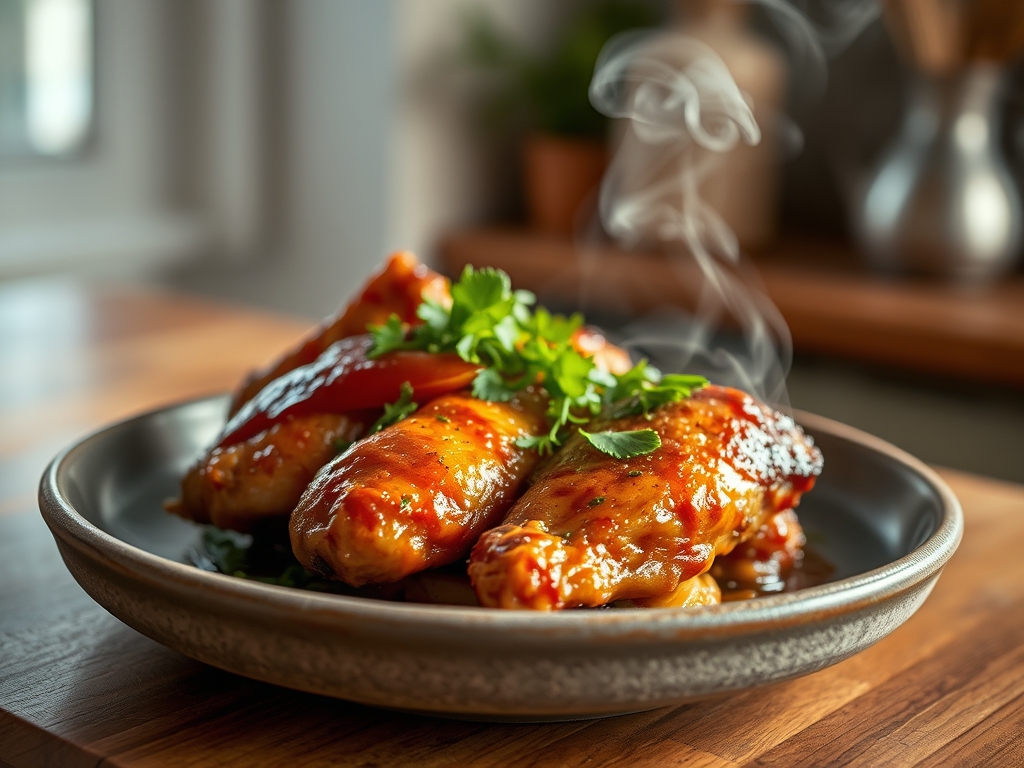
The moment chicken thighs hit a properly preheated grill grate at 375°F, the Maillard reaction begins its magic, transforming simple poultry into caramelized, smoke-kissed perfection. Good bbq chicken recipes aren't about slathering store-bought sauce on undercooked meat and hoping for the best. They're about understanding heat zones, connective tissue breakdown, and the precise timing that separates restaurant-quality birds from backyard disappointments. Most home cooks overcomplicate the process or, worse, rush it, resulting in rubbery skin and sauce that tastes like burnt sugar instead of complex, layered smoke. The six secrets below strip away the guesswork and replace it with repeatable, science-backed technique that works on charcoal, gas, or even a well-managed oven broiler.
The Gathers
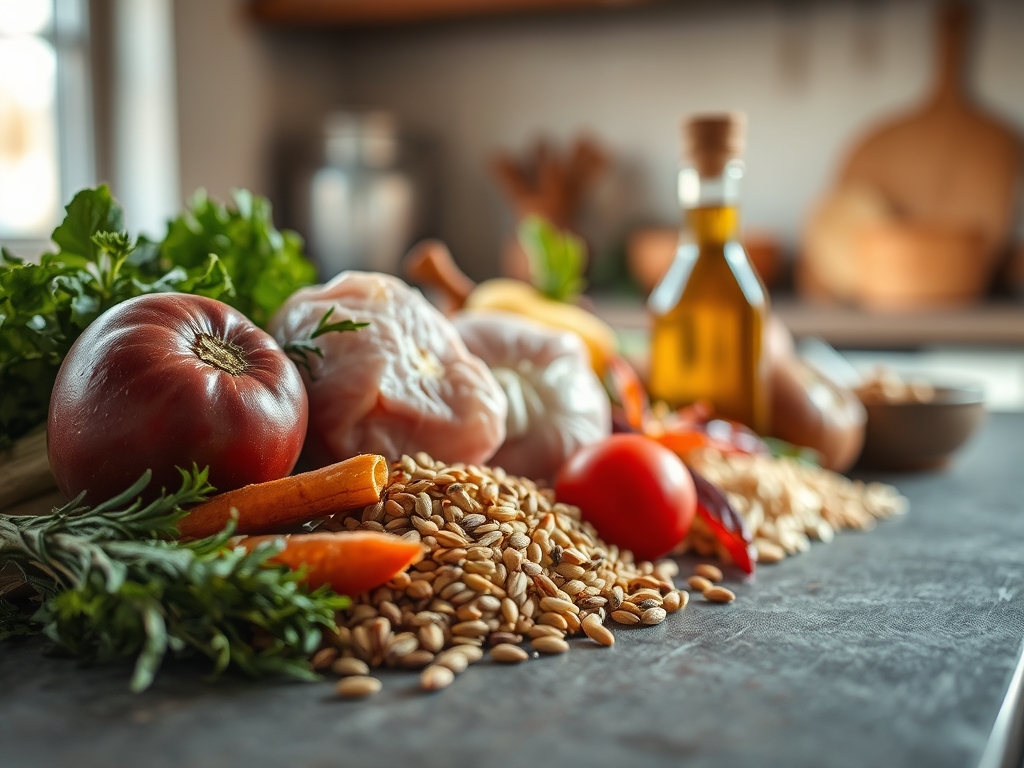
As you see in the ingredient spread below, simplicity rules. Bone-in, skin-on chicken thighs (8 pieces, approximately 3 lbs total) provide the fat content necessary for moisture retention during extended cooking. Kosher salt (2 tablespoons) draws out surface moisture for superior browning. Smoked paprika (1 tablespoon) adds depth without liquid smoke's chemical aftertaste. Black pepper, garlic powder, and onion powder (1 teaspoon each) form the foundational spice crust. Brown sugar (2 tablespoons) accelerates caramelization at grill temperatures. Apple cider vinegar (1/4 cup) cuts through fat and tenderizes proteins during the brine phase. BBQ sauce (1.5 cups, your choice) goes on in the final 10 minutes only, never before.
Smart Substitutions: Chicken breasts work but require aggressive brining (4% salt solution, 2 hours minimum) to prevent dryness. Maple syrup can replace brown sugar for a more nuanced sweetness. White vinegar substitutes in a pinch, though it lacks apple cider's fruity undertones.
The Clock
Prep Time: 15 minutes for dry rub application and surface drying.
Cook Time: 45-50 minutes total (35 minutes indirect heat, 10-15 minutes direct finishing with sauce).
Total Time: 65 minutes, including resting.
Chef's Flow: While the grill preheats (a non-negotiable 15-minute window for stable heat zones), apply the dry rub and let chicken sit uncovered on a wire rack. This dual-purpose step seasons deeply and dries the skin, which is essential for crispness. Use this window to prep side dishes or make a finishing glaze reduction.
The Masterclass
Step 1: The Dry Brine
Combine salt, smoked paprika, black pepper, garlic powder, onion powder, and brown sugar in a small bowl. Pat chicken thighs completely dry with paper towels, then massage the rub into every crevice, including under the skin where possible. Arrange on a wire rack set over a sheet pan and refrigerate uncovered for 1-4 hours.
Why It Works: Uncovered refrigeration dehydrates the skin's surface, reducing water content that would otherwise steam the chicken and prevent crisping. Salt penetrates the muscle tissue, seasoning from within and altering protein structure for juicier results.
Step 2: The Two-Zone Fire
Set up your grill for indirect cooking: all coals or burners on one side, nothing on the other. Target temperature is 350-375°F on the indirect side. Place a drip pan with 1 cup of water under the indirect zone.
Chef's Secret: The water pan creates a humid environment that slows surface drying during the long cook, preventing the exterior from turning leathery before the interior reaches 165°F.
Step 3: The Skin-Side Strategy
Place chicken thighs skin-side up on the indirect zone. Close the lid and maintain temperature for 25 minutes without opening. After 25 minutes, flip skin-side down and cook another 10 minutes.
Why It Works: Starting skin-side up renders fat slowly, which then bastes the meat as it drips down. The flip crisps the skin over higher ambient heat as internal temperature climbs.
Step 4: The Sauce Window
When thighs hit 155°F internal (check the thickest part), move them to direct heat. Brush with BBQ sauce, wait 2 minutes, flip, sauce again. Repeat twice for a total of four thin layers.
Chef's Secret: Applying sauce too early guarantees burnt sugar bitterness. At 155°F, carryover heat will coast the chicken to 165°F while the sauce caramelizes over direct flame without scorching.
Step 5: The Rest
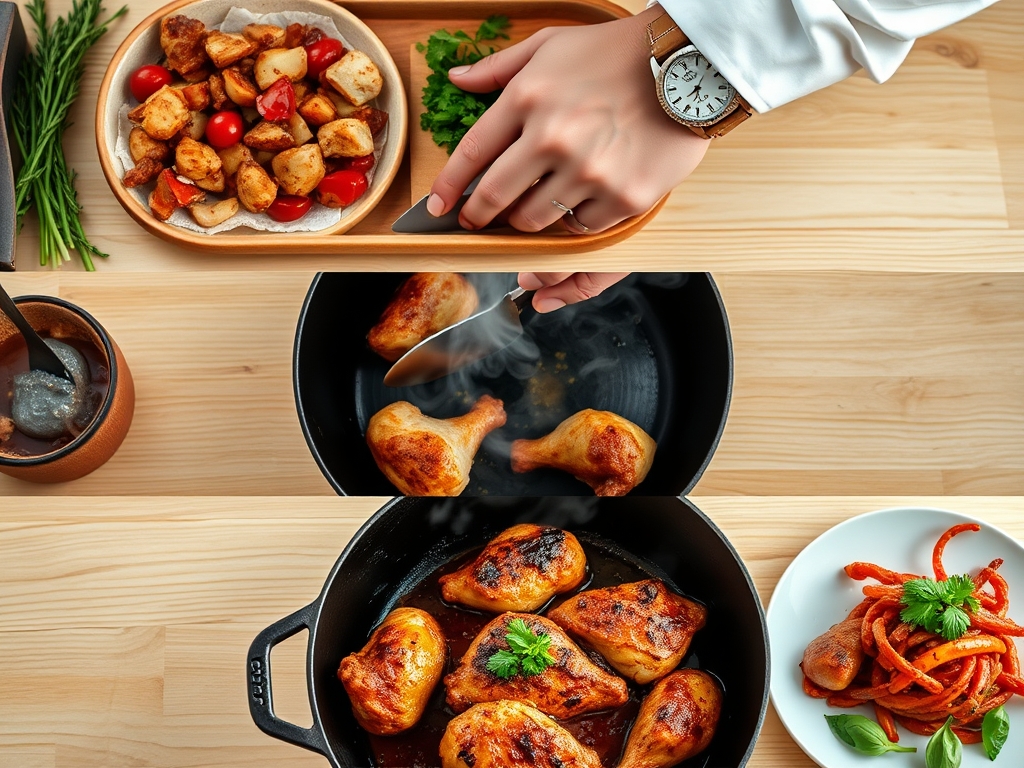
Remove chicken at 165°F internal and rest on a clean wire rack for 5 minutes. Note the texture shown in the step-by-step photos: the skin should glisten with rendered fat and crackle audibly when tapped.
Why It Works: Resting redistributes juices that have migrated to the center during cooking. Skipping this step results in a puddle of liquid on the cutting board and drier meat.
Nutritional Info
Per thigh (approximate, with 2 tablespoons sauce): 310 calories, 28g protein, 18g fat (5g saturated), 12g carbohydrates (10g sugar), 680mg sodium. Skin-on thighs provide higher fat content than breasts but deliver superior flavor and moisture retention, making them the professional choice.
Dietary Swaps
Keto: Omit brown sugar from the rub and use a sugar-free BBQ sauce. Total carbs drop to 3g per serving. Gluten-Free: Most BBQ sauces contain gluten from thickeners or malt vinegar; verify labels or make a reduction from tomato paste, apple cider vinegar, and spices. Vegan Pivot: Swap chicken for king oyster mushrooms, slice lengthwise, score, and follow the same two-zone technique. They'll mimic the texture surprisingly well.
Serving & Presentation
Plating Idea 1: Slice thighs on the bias and fan over a pool of white BBQ sauce (mayo, vinegar, horseradish). Garnish with microgreens and a lemon wedge.
Plating Idea 2: Stack two thighs vertically, spear with a rosemary sprig, and surround with charred corn salad.
Plating Idea 3: Serve whole on a wooden board with pickled red onions, grilled peach halves, and a ramekin of extra sauce for communal dipping.
The Pro-Dodge
Pitfall 1: Sauce burns instantly. Fix: Temperature too high or sauce applied too early. Move to indirect heat immediately and brush with a vinegar glaze to rehydrate.
Pitfall 2: Rubbery skin. Fix: You skipped the dry brine or cooked skin-side down the entire time. Next time, commit to the skin-side up start.
Pitfall 3: Dry, chalky meat. Fix: Overcooked past 170°F or used breasts without brining. Invest in an instant-read thermometer and pull at 163°F for carryover.
The Meal Prep Corner
Store cooled chicken in airtight containers with a damp paper towel on top to prevent moisture loss. Refrigerate up to 4 days. Reheat in a 350°F oven on a wire rack for 12 minutes, finishing under the broiler for 2 minutes to re-crisp skin. Avoid microwaving, which turns skin flabby and leaches out rendered fat. Freeze for up to 3 months; thaw overnight in the fridge and reheat as directed.
The Wrap-Up
Good bbq chicken recipes aren't about luck or expensive equipment. They're about respecting heat, time, and the biology of poultry. These six secrets turn technical knowledge into muscle memory. Try the two-zone method this weekend, nail the sauce timing, and watch how quickly you become the go-to grill master in your circle. Drop a comment below with your favorite BBQ sauce pairing or a tweak that worked for your setup.
The Kitchen Table
Q: Can I use boneless thighs?
A: Yes, but reduce indirect cooking time to 18-20 minutes total. Boneless cuts lack the collagen buffer that keeps bone-in pieces moist during longer cooks.
Q: What if I don't have a grill?
A: Roast at 400°F on a wire rack over a sheet pan for 30 minutes, then broil for 3-5 minutes per side with sauce. You'll sacrifice smoke flavor but retain the technique.
Q: Why is my sauce sticky instead of glossy?
A: Too much sugar or insufficient acid. Balance your sauce with 1 tablespoon of vinegar per cup, and apply thinner layers.
Q: How do I add smoke flavor on a gas grill?
A: Use a smoker box with soaked wood chips (hickory or applewood) placed over the lit burner. Preheat until smoke appears before adding chicken.
Q: Can I marinate instead of dry brine?
A: Wet marinades prevent skin crisping. If you prefer a marinade, pat the chicken aggressively dry and finish with a high-heat sear to compensate.