
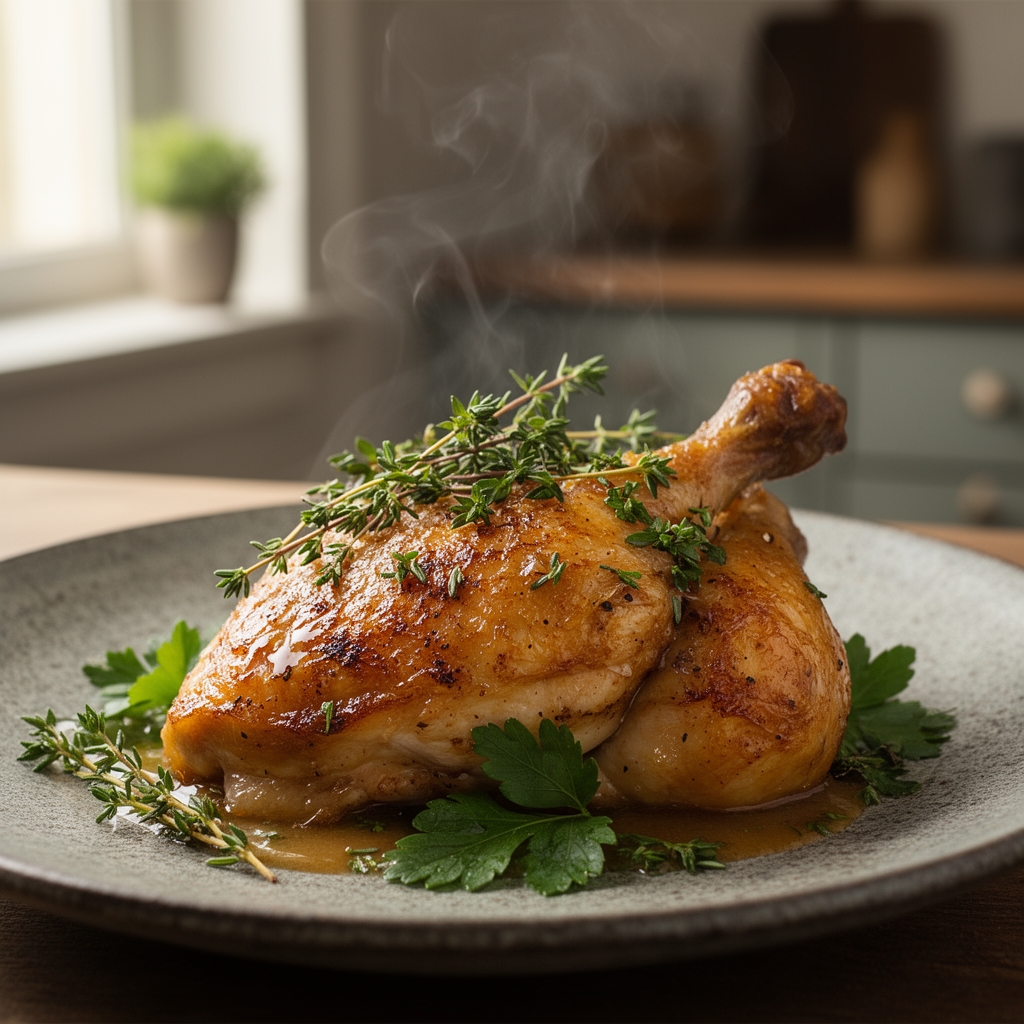
The moment chicken thighs hit a 425°F oven draped in a glossy, caramelized sauce, the Maillard reaction kicks into overdrive, transforming simple proteins and sugars into deeply savory, golden-crusted perfection. That contrast between lacquered exterior and juicy interior is precisely why baked chicken recipes with sauce dominate weeknight rotations and special-occasion tables alike. Unlike stovetop methods that demand constant attention, oven-baking allows heat to work from all angles, rendering fat, tightening skin, and building layers of flavor while you prep sides or uncork wine. The secret lies not in exotic ingredients but in understanding how sugar-based glazes behave under sustained heat, how acid balances richness, and how a single sheet pan can deliver restaurant-caliber results with minimal cleanup.
Sauce-forward baking turns chicken from blank canvas to headline act. Whether you crave the sticky-sweet pull of honey-soy lacquer, the smoky tang of chipotle-maple glaze, or the bright acidity of lemon-butter pan sauce, the oven becomes your silent co-chef, concentrating flavors and crisping edges while you handle everything else. These eight concepts range from five-ingredient weeknight heroes to make-ahead batch-cook champions, each engineered for maximum flavor with minimal fuss. You'll see how slight temperature shifts, strategic marination windows, and sauce application timing can mean the difference between rubbery poultry and fork-tender, mahogany-glazed masterpieces.
The Gathers
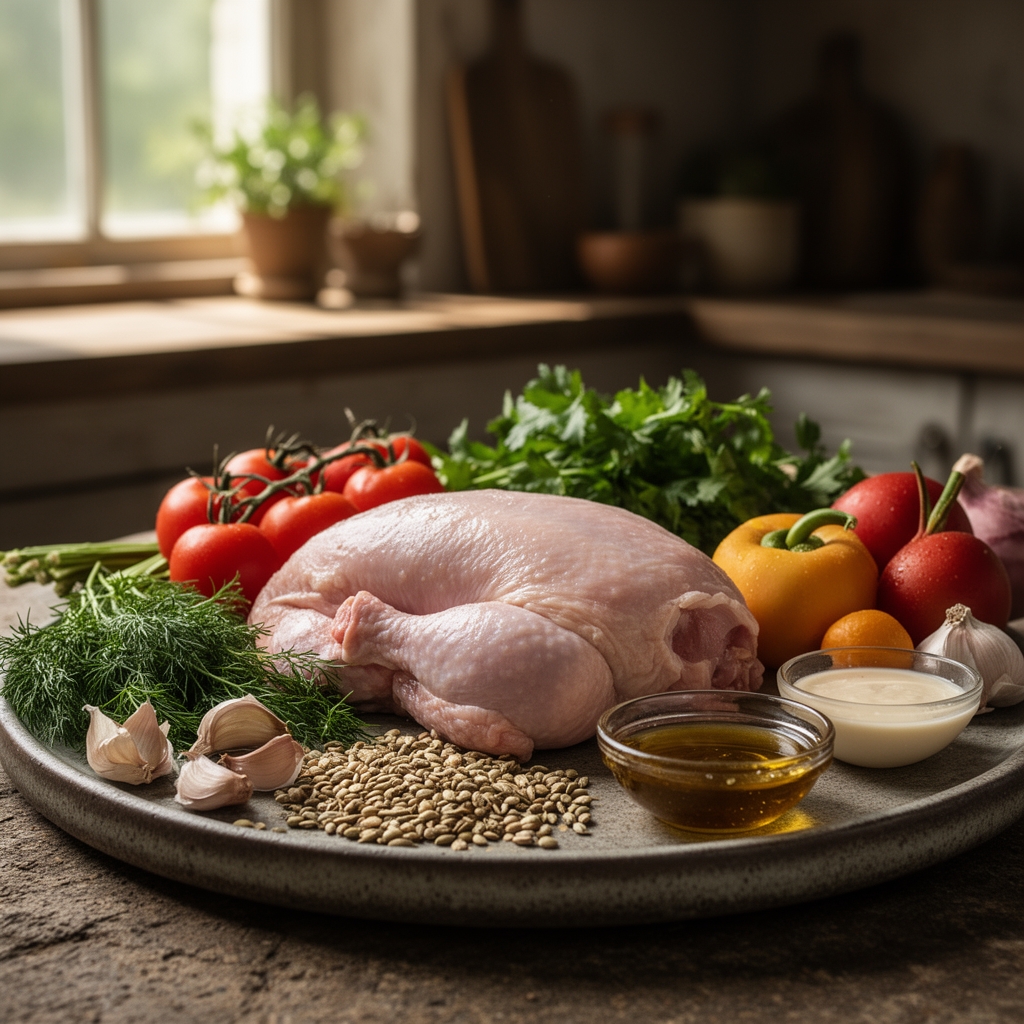
As you see in the ingredient spread below, bone-in, skin-on chicken thighs form the foundation. Their higher fat content and connective tissue break down beautifully under extended heat, staying moist even if you overshoot by five minutes. For sauce architecture, you'll need tomato paste (concentrated umami), honey or maple syrup (caramelization fuel), soy sauce or tamari (salt and depth), citrus juice (acid to cut richness), and aromatics like garlic, ginger, or shallots. Fresh herbs, smoked paprika, chili flakes, and Dijon mustard round out the flavor toolbox.
Quality matters most for your fat source. Neutral oils like grapeseed handle high heat without smoking, while unsalted butter added at the end creates velvety emulsions. Opt for low-sodium soy sauce to control salt levels, and choose raw honey over processed varieties for more complex sugars that caramelize unevenly, creating textural interest.
Smart Substitutions: Swap thighs for drumsticks (add 5 minutes), breasts (reduce heat to 400°F and cut time by 10 minutes), or even bone-in pork chops. Replace honey with agave or date syrup. Use coconut aminos instead of soy for soy-free diets. Substitute lime for lemon, or sherry vinegar for rice vinegar. Fresh ginger paste can replace minced ginger at a 1:2 ratio.
The Clock
Prep Time: 15 minutes
Cook Time: 35-45 minutes
Total Time: 50-60 minutes
Yield: 4-6 servings
Chef's Flow: While your oven preheats to 425°F, prep aromatics and whisk your sauce base. Pat chicken completely dry with paper towels (moisture is the enemy of crispness), then season aggressively with kosher salt and cracked black pepper. Arrange chicken skin-side up on a parchment-lined sheet pan, allowing at least one inch between pieces for air circulation. This setup takes 10 minutes, max. Bake for 20 minutes naked, then brush with sauce and return for 15-minute intervals, building layers. Resting time (5 minutes) lets juices redistribute while you reduce pan drippings into a finishing sauce.
The Masterclass
Step 1: Dry and Season the Foundation
Remove chicken from refrigeration 20 minutes before cooking. Pat every surface bone-dry using paper towels, then season all sides with 1 teaspoon kosher salt per pound and fresh-cracked pepper.
Chef's Secret: Moisture prevents browning. That thin layer of surface water must evaporate before the Maillard reaction begins, wasting oven time and lowering final crispness.
Step 2: Sear the Base Layer
Arrange chicken skin-side up on a parchment-lined sheet pan. Slide into a preheated 425°F oven for exactly 20 minutes, untouched.
Why It Works: Initial high heat renders subcutaneous fat, crisping skin and creating a non-stick base. Sauce applied too early steams rather than caramelizes.
Step 3: Build the First Glaze
Whisk together 1/2 cup sauce base (honey-soy, tomato-chipotle, lemon-butter, or teriyaki). Remove pan, brush chicken liberally, then return for 10 minutes.
Chef's Secret: Thin sauces (viscosity of heavy cream) penetrate better than thick glazes. Reserve thicker reductions for final layers.
Step 4: Layer and Intensify
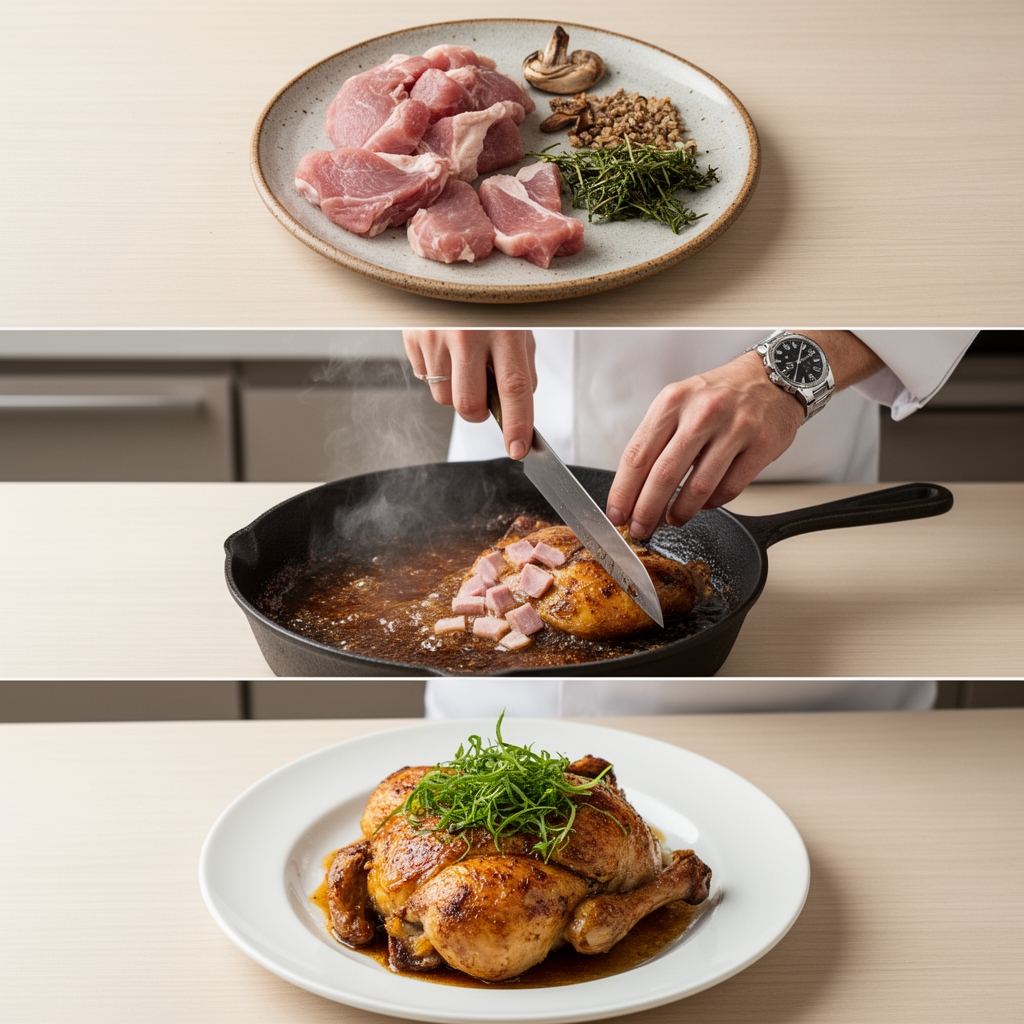
Brush a second coat, rotate pan 180 degrees for even heat distribution, and bake another 10 minutes. Note the texture shown in the step-by-step photos: edges should darken to mahogany.
Why It Works: Multiple thin layers create depth. Each pass caramelizes partially, building complexity you can't achieve with one thick slather.
Step 5: Finish and Rest
Check internal temperature at the thickest part: 165°F is safe, but 175°F is ideal for thighs, as collagen fully dissolves into gelatin. Tent loosely with foil and rest 5 minutes.
Chef's Secret: Carryover cooking adds 5-7°F during rest. Pull chicken at 170°F to hit 175°F final temp without drying out.
Eight Saucy Variations
1. Honey-Soy Ginger: Whisk 1/4 cup each honey and soy sauce, 2 tablespoons rice vinegar, 1 tablespoon grated ginger, and 3 minced garlic cloves. Finish with sesame seeds.
2. Smoky Chipotle-Maple: Blend 1/3 cup maple syrup, 2 tablespoons adobo sauce from canned chipotles, 1 tablespoon tomato paste, and juice of 1 lime.
3. Lemon-Herb Butter: Melt 4 tablespoons butter with zest and juice of 2 lemons, 2 teaspoons Dijon, and 1 tablespoon fresh thyme. Emulsify with 1 tablespoon cold butter at the end.
4. Spicy Peanut Satay: Mix 1/3 cup peanut butter, 2 tablespoons soy sauce, 1 tablespoon sriracha, 1 tablespoon lime juice, and 1 teaspoon brown sugar. Thin with water to brushable consistency.
5. Balsamic-Fig Reduction: Simmer 1/2 cup balsamic vinegar with 1/4 cup fig jam, 1 sprig rosemary, and 1 tablespoon butter until syrupy.
6. Garlic Parmesan Cream: Combine 1/2 cup heavy cream, 1/2 cup grated Parmesan, 4 minced garlic cloves, and 1 teaspoon Italian seasoning. Reduce by half.
7. Korean Gochujang Glaze: Whisk 3 tablespoons gochujang, 2 tablespoons honey, 1 tablespoon soy sauce, 1 tablespoon sesame oil, and 2 minced garlic cloves.
8. Tandoori-Yogurt Marinade: Blend 1 cup Greek yogurt, 2 tablespoons tandoori spice blend, juice of 1 lemon, and 1 tablespoon grated ginger. Marinate 2 hours, then bake with reserved marinade as sauce.
Nutritional Info
Per serving (1 thigh with 2 tablespoons sauce, honey-soy base):
Calories: 320
Protein: 28g
Fat: 18g (6g saturated)
Carbohydrates: 14g
Fiber: 0g
Sugar: 12g
Sodium: 680mg
Chicken thighs provide superior iron and zinc compared to breasts. Skin contributes monounsaturated fats but also adds 80 calories per piece; remove after cooking if desired. Honey-based sauces add quick-digesting carbs, while nut-based versions (peanut satay) increase healthy fats and protein.
Dietary Swaps
Keto/Low-Carb: Replace honey or maple syrup with erythritol-based sweeteners (Swerve) at 1:1 ratio. Use tomato paste and butter as base, adding stevia drops for sweetness. Net carbs drop to 3g per serving.
Gluten-Free: Swap soy sauce for tamari or coconut aminos. Verify mustard and spice blends contain no wheat fillers. All other components are naturally gluten-free.
Vegan: Substitute extra-firm tofu or cauliflower steaks for chicken. Press tofu for 30 minutes, then cut into 1-inch slabs. Bake at 400°F for 25 minutes, flipping halfway. Sauces remain identical; focus on high-sugar glazes for caramelization.
Dairy-Free: Use olive oil or vegan butter in cream-based sauces. Nutritional yeast (2 tablespoons) mimics Parmesan's umami in garlic cream variant.
Serving & Presentation
Rustic Family-Style: Arrange glazed chicken over a bed of herbed couscous or wild rice pilaf on a large ceramic platter. Drizzle pan sauce in zigzag patterns, scatter fresh herbs, and serve with lemon wedges.
Modern Plated: Center one thigh on warmed plate. Swoosh sauce with the back of a spoon, add microgreens or pea shoots for height, and finish with flaky sea salt and edible flowers.
Bowled Comfort: Slice chicken off the bone. Layer over jasmine rice, steamed broccolini, and pickled red onions. Top with extra sauce and toasted sesame seeds.
The Pro-Dodge
Pitfall 1: Sauce Burns Before Chicken Cooks
Fix: Apply sauce only after the initial 20-minute naked bake. If sugar content is high (honey, maple), tent with foil after second coat and reduce heat to 400°F.
Pitfall 2: Rubbery, Undercooked Texture
Fix: Thighs need higher internal temps than breasts. Use an instant-read thermometer; don't rely on time alone. Dense bone-in pieces near the pan edge cook slower, so rotate halfway.
Pitfall 3: Watery, Thin Sauce
Fix: After removing chicken, pour pan drippings into a small saucepan. Simmer over medium-high heat, whisking constantly, until reduced by half. Cornstarch slurry (1 teaspoon cornstarch + 1 tablespoon cold water) thickens instantly without altering flavor.
The Meal Prep Corner
Cool chicken completely before storing. Refrigerate in airtight containers for up to 4 days. Layer parchment between pieces to prevent sticking. Sauce stores separately for up to 1 week; thickens when cold, so thin with a splash of water or broth when reheating.
Reheating for Day-One Quality: Preheat oven to 350°F. Arrange chicken on a wire rack over a sheet pan (allows air circulation). Brush lightly with reserved sauce or a tablespoon of water. Tent with foil and reheat for 12-15 minutes until internal temp hits 160°F. Remove foil for the last 3 minutes to re-crisp skin. Avoid microwaving, which steams and toughens the exterior.
Freezing: Freeze sauced chicken in vacuum-sealed bags or freezer-safe containers for up to 3 months. Thaw overnight in refrigerator before reheating. Cream-based sauces may separate; whisk vigorously while reheating to re-emulsify.
The Wrap-Up
Mastering baked chicken recipes with sauce means understanding heat dynamics, sugar chemistry, and the beauty of layered flavors. These eight variations prove you don't need a culinary degree to produce glossy, restaurant-quality results. Each concept scales effortlessly for meal prep, weeknight dinners, or crowd-pleasing gatherings. The oven does the heavy lifting; your job is simply to apply technique, trust the process, and taste as you go.
Now it's your turn. Pick a sauce profile that speaks to your cravings, gather your ingredients, and let the oven work its magic. Share your favorite variation in the comments, tag your plated masterpiece on social media, and let's build a community of home cooks who refuse to settle for bland poultry.
The Kitchen Table
Q: Can I use boneless, skinless chicken breasts?
A: Absolutely. Reduce oven temperature to 400°F and cut baking time to 25-30 minutes total. Apply sauce after the first 15 minutes. Breasts dry out faster, so pull them at 160°F internal temp and rely on carryover to reach 165°F.
Q: How do I prevent sauce from burning?
A: Use two-stage application: naked bake first, then sauce. If your glaze is sugar-heavy (honey, molasses), dilute with water or broth to lower sugar concentration. Tent with foil after the second coat if edges darken too quickly.
Q: Can I marinate overnight?
A: Yes, for yogurt, soy, or acid-based marinades. Avoid salt-heavy brines longer than 4 hours, as they can make meat mushy. Pat chicken dry before baking to ensure crisp skin.
Q: What's the best way to thicken leftover sauce?
A: Simmer pan drippings in a small saucepan until reduced by half. For instant thickening, whisk in a cornstarch slurry (1 teaspoon cornstarch + 1 tablespoon cold water per 1/2 cup liquid). Boil for 30 seconds to activate.
Q: Can I double the recipe?
A: Yes, but use two sheet pans with one inch between pieces. Overcrowding traps steam, preventing caramelization. Rotate pans between upper and lower racks halfway through for even cooking.