
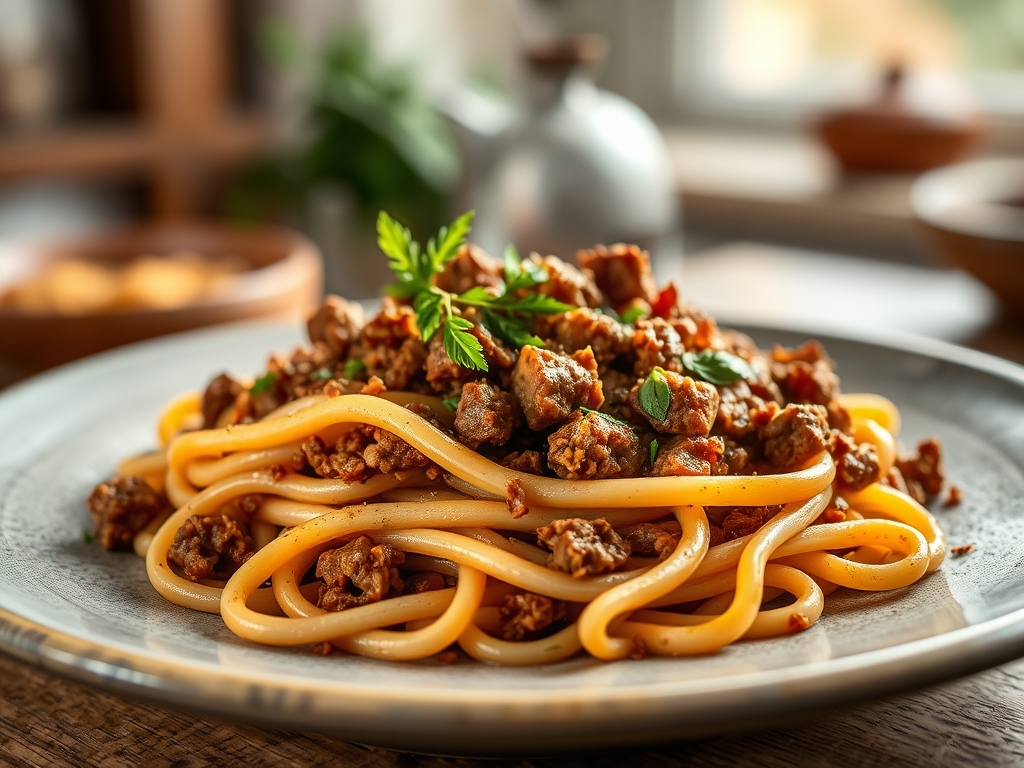
Picture the steam rising from a heavy-bottomed Dutch oven as the scent of toasted garlic and seared protein fills your kitchen. There is a specific, primal joy in the bubbling crust of a perfectly executed pasta bake. When we talk about rigatoni ground beef recipes, we are not just talking about dinner; we are discussing the architectural marvel of pasta. Those wide, ridged tubes are designed for one purpose: to act as structural conduits for viscous sauces and savory crumbles. It is the ultimate comfort food, blending the rugged texture of beef with the silky embrace of melted cheese.
To master this dish, you have to think like a chemist and act like an artist. We are looking for that elusive balance between the piquant acidity of tomatoes and the deep, earthy umami of browned meat. Whether you are hosting a frantic weeknight dinner or a slow Sunday feast, these rigatoni ground beef recipes offer a canvas for technical precision and flavor layering. Get your apron on; we are about to turn simple pantry staples into a masterpiece of heat and salt.
The Gathers:
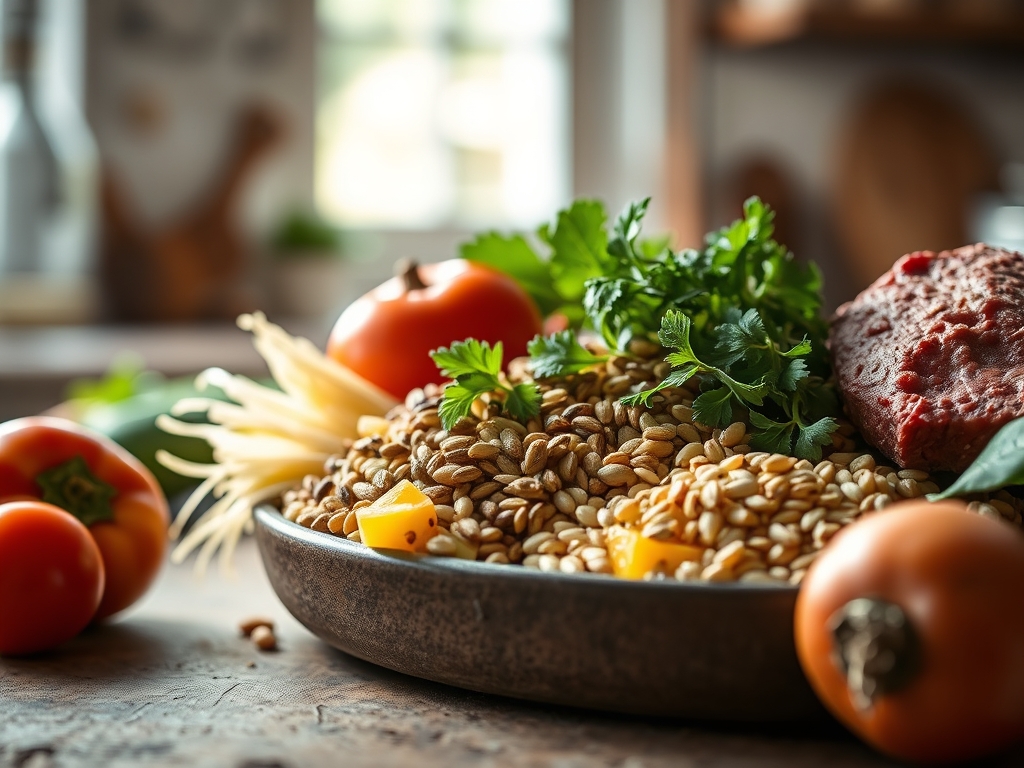
The foundation of any elite pasta bake lies in the quality of your mise-en-place. For the protein, aim for an 80/20 blend of ground chuck. This specific ratio ensures enough fat to render out, providing a luxurious mouthfeel without making the final dish greasy. You will need a pound of dried rigatoni; look for brands with deep ridges (rigate) to maximize sauce cling.
Your aromatics should include yellow onions, minced garlic, and perhaps a finely diced mirepoix if you want extra depth. For the sauce, a combination of crushed San Marzano tomatoes and a splash of heavy cream creates a velvet-like consistency. Do not forget the cheese. A blend of low-moisture mozzarella for the "pull" and aged Parmigiano-Reggiano for the salty punch is non-negotiable. Use a microplane to grate your cheese fresh; pre-shredded bags contain potato starch that prevents a smooth melt.
Smart Substitutions:
If you want to lighten the profile, swap the beef for ground turkey but add a teaspoon of Worcestershire sauce to mimic the missing umami. For a gluten-free version, use brown rice rigatoni, but reduce the boiling time by two minutes to prevent the pasta from becoming mushy during the bake. If you lack heavy cream, a dollop of whole-milk ricotta whisked into the sauce adds a similar richness with a lovely curd-like texture.
The Clock: Timing the Chef's Flow
Efficiency in the kitchen is about overlapping tasks, a concept known as "Chef's Flow." Total active prep time should take no more than 20 minutes, with a cook time of 30 minutes.
Start by setting a large pot of salted water to boil. While the water reaches its boiling point, begin searing your beef in a heavy-bottomed skillet. By the time the pasta reaches a perfect al dente state, your sauce should be simmering and ready for marriage. The final bake takes 20 to 25 minutes at 375 degrees Fahrenheit. This allows the flavors to infuse and the cheese to undergo the Maillard reaction, creating that golden-brown crust we all crave.
The Masterclass
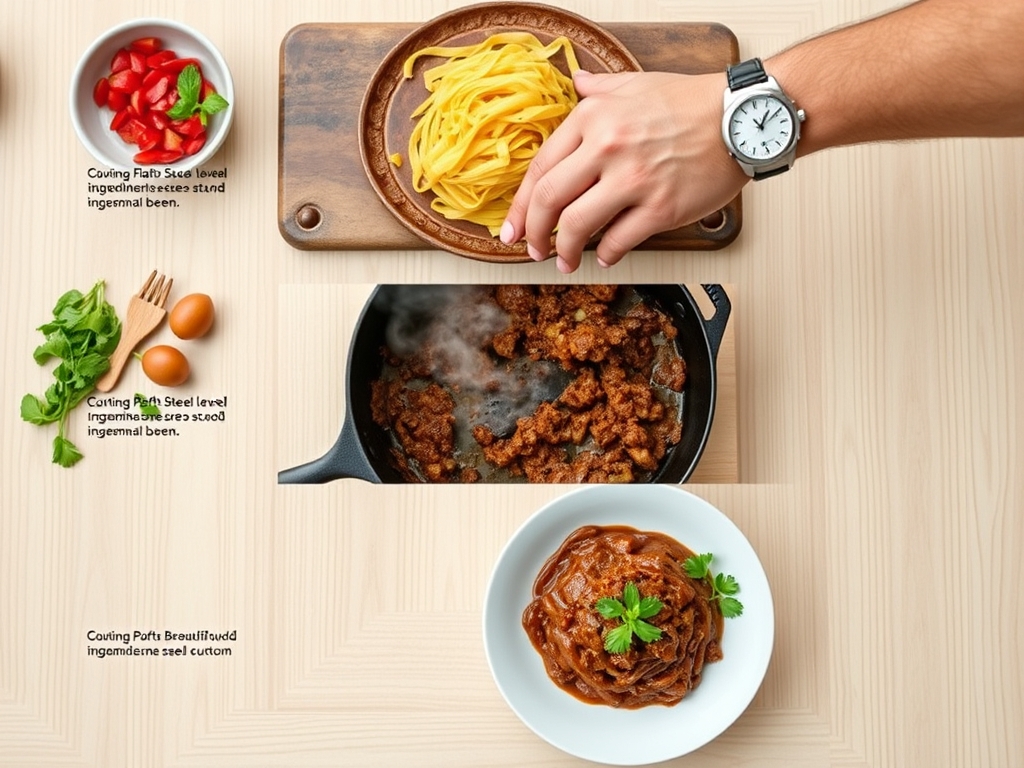
1. The Maillard Sear
Place your ground beef into a preheated skillet. Do not crowd the pan; if the meat is too packed, it will steam in its own juices rather than brown. Use a bench scraper or a stiff spatula to break the meat into uniform crumbles.
Pro Tip: This stage relies on enzymatic browning. By allowing the meat to sit undisturbed for three minutes before stirring, you create a complex flavor profile that raw or boiled meat simply cannot achieve.
2. Deglazing the Fond
Once the meat is browned, remove it and sauté your onions and garlic in the residual fat. When the onions are translucent, pour in a splash of dry red wine or beef stock to deglaze the pan.
Pro Tip: The brown bits stuck to the bottom are called the "fond." They contain concentrated flavor molecules. Deglazing releases these back into the sauce, ensuring no taste is wasted.
3. The Al Dente Threshold
Boil your rigatoni in water that is "salty like the sea." Drain the pasta two minutes before the package instructions suggest. It should still have a firm "snap" when you bite into it.
Pro Tip: This accounts for thermal carryover. The pasta will continue to hydrate and soften while it bakes in the sauce. If you cook it fully in the water, it will turn to mush in the oven.
4. Emulsifying the Sauce
Combine your tomato base with the browned beef and aromatics. Stir in your cream or cheese slowly. Use a saucier if you have one to ensure even heat distribution.
Pro Tip: This is the process of emulsification. The fats from the meat and dairy bind with the water-based tomato sauce to create a homogenous, glossy coating that wont separate.
5. The Final Assembly
Toss the pasta and sauce together until every tube is filled. Transfer to a ceramic baking dish and top with a generous layer of mozzarella.
Pro Tip: Use tongs to ensure the pasta is evenly distributed. An even surface area ensures that the heat hits the cheese uniformly, preventing burnt edges while the center remains cold.
The Deep Dive
Macro Nutrition: A standard serving of this rigatoni bake provides approximately 450 calories, 28 grams of protein, and 42 grams of carbohydrates. It is a high-energy meal perfect for recovery after a long day.
Dietary Swaps:
- Vegan: Use crumbled tempeh seasoned with liquid smoke and a cashew-based "mozzarella."
- Keto: Swap rigatoni for roasted cauliflower florets or shirataki noodles.
- GF: Ensure your beef broth and spices are certified gluten-free to avoid hidden thickeners.
The Fix-It:
- Oily Sauce: If your sauce looks broken, whisk in a tablespoon of starchy pasta water to re-emulsify the fats.
- Dry Pasta: If the bake looks dry before going in the oven, add a half-cup of tomato juice or stock.
- Bland Flavor: Usually a lack of acid. Add a teaspoon of balsamic vinegar or a squeeze of lemon to brighten the dish.
Meal Prep Science: To reheat without losing quality, add a splash of water to the container and cover it loosely. This creates a steam chamber in the microwave, preventing the pasta from becoming rubbery. For the best results, reheat in a toaster oven to re-crisp the cheese.
The Wrap-Up
There you have it; the definitive guide to elevating rigatoni ground beef recipes from basic to brilliant. By focusing on the science of the sear and the architecture of the pasta, you have created a meal that is as sophisticated as it is soulful. Cooking is about confidence and chemistry. Now that you understand the "why" behind the "how," your kitchen is officially a laboratory of flavor. Serve this up, grab a glass of bold red wine, and enjoy the fruits of your technical labor.
The Kitchen Table
How do I prevent my pasta bake from being dry?
Always undercook your pasta by two minutes and ensure your sauce is slightly more liquid than you think necessary. The noodles will absorb the excess moisture as they finish cooking in the oven, resulting in a perfectly hydrated dish.
Can I freeze this rigatoni bake?
Yes, you can freeze it effectively. Assemble the dish but do not bake it. Wrap it tightly in foil and plastic wrap to prevent freezer burn. Thaw in the refrigerator overnight before baking as directed.
What is the best beef to use?
An 80/20 ground chuck is ideal. The 20 percent fat content provides the necessary lipids for a rich sauce and prevents the meat from becoming tough or dry during the double-cooking process of sautéing and baking.
Why use rigatoni instead of penne?
Rigatoni has a larger diameter and a ridged exterior. This "architecture" allows it to hold heavy meat sauces inside the tube and on the surface, providing a much better sauce-to-pasta ratio than smoother, thinner shapes.