
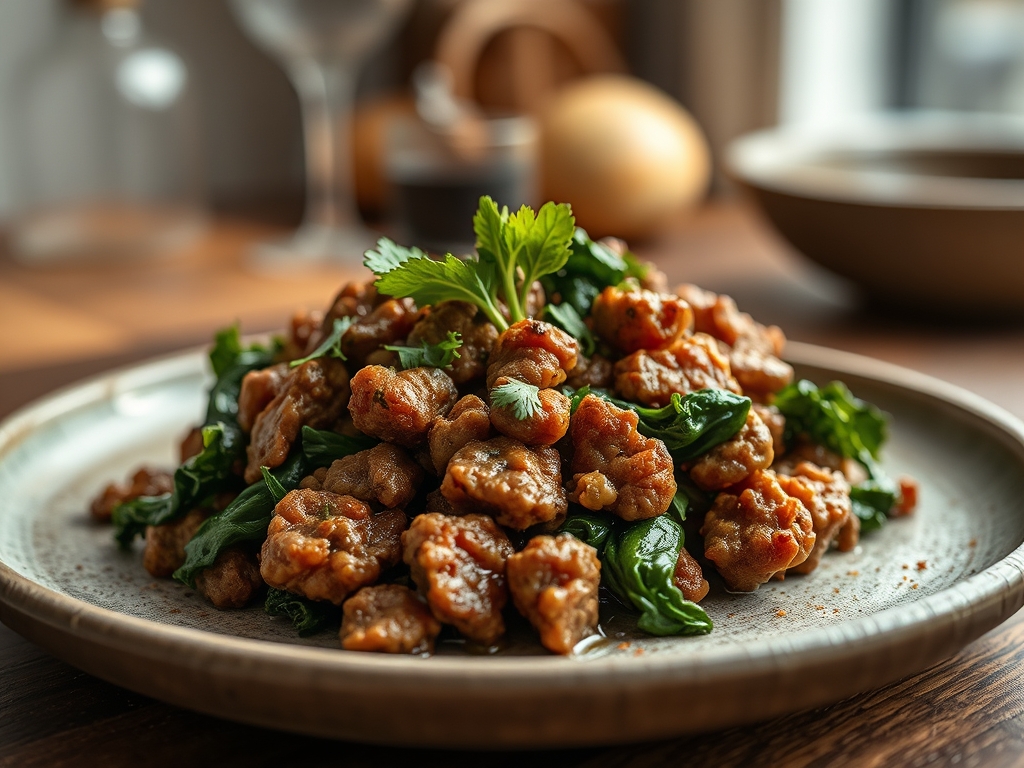
Imagine the sizzle of cold, marbleized fat hitting a preheated cast iron surface. That sound is the overture to a dinner that balances raw power with garden elegance. When you master kale and ground beef recipes, you are not just cooking; you are orchestrating a collision between iron-rich greens and deep, savory protein. It is the ultimate weeknight alchemy for the hungry soul.
The magic lies in the contrast. You have the fibrous, architectural integrity of the kale meeting the tender, crumbly texture of perfectly browned beef. This duo is a nutritional powerhouse, but more importantly, it is a flavor canvas that absorbs garlic, chili, and citrus with greedy enthusiasm. Whether you are aiming for a quick twenty minute stir fry or a slow simmered ragu, these two ingredients are the reliable best friends of a busy, health conscious kitchen. We are going to dive into the molecular mechanics of how to make these textures sing together without the greens turning to mush or the beef becoming dry. Grab your favorite heavy bottomed skillet; we are about to elevate your meal prep game to professional standards.
The Gathers:
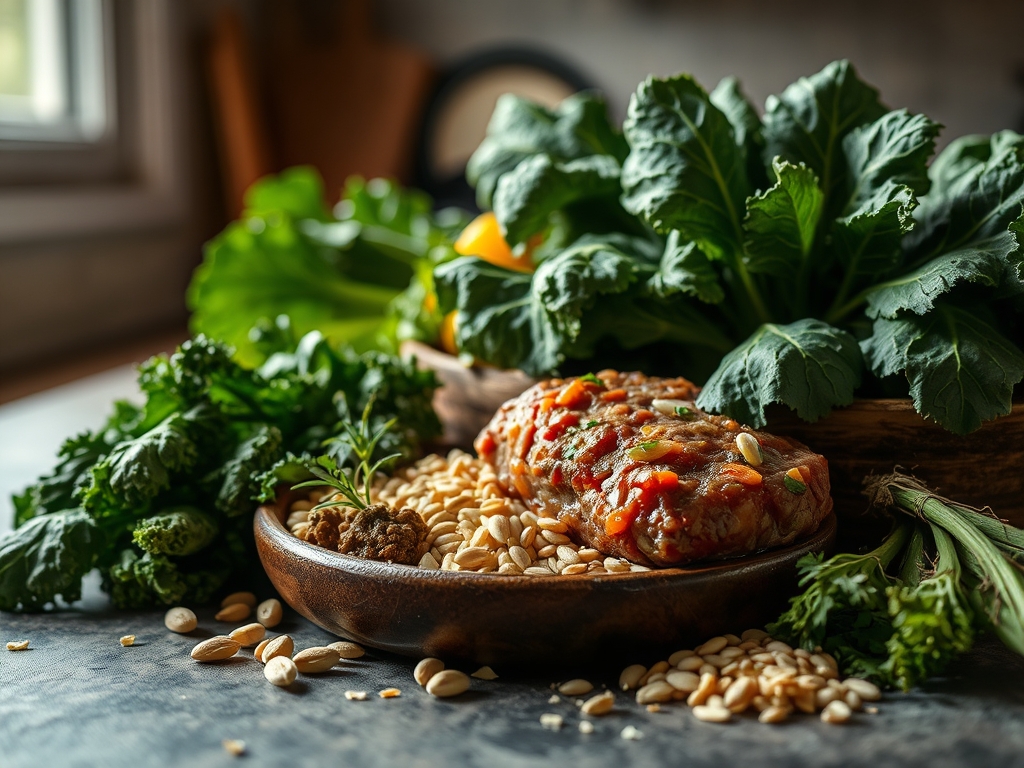
Before we ignite the burner, we must respect the mise-en-place. For these kale and ground beef recipes, your primary protein should ideally be an 80/20 blend. This ratio ensures enough intramuscular fat to render out, providing a viscous medium to soften the kale. You will need two massive bunches of Lacinato (Dinosaur) kale or Curly kale. Lacinato offers a more delicate, nutty profile, while Curly kale provides a robust, ruffly texture that catches sauces beautifully.
Your aromatics are non-negotiable. Gather a head of purple garlic, a large yellow onion for its high sugar content, and a knob of fresh ginger if you are leaning toward an Asian profile. For the "Smart Substitutions," if you are avoiding red meat, ground bison offers a leaner, more iron-dense profile with a similar flavor map. If kale is too bitter for your palate, Swiss chard is a magnificent swap; however, you must add it later in the cooking process because its cell walls collapse faster than the sturdy kale. Use a digital scale to portion your beef into half pound increments for even browning and a microplane to zest a lemon over the final dish to cut through the richness of the lipids.
The Clock: Chef's Flow
Efficiency in the kitchen is about managing the "Chef's Flow." Total active prep time for most kale and ground beef recipes is approximately 15 minutes, with a cook time of 12 to 18 minutes.
The flow begins with the beef. You want to give the meat a "head start" to achieve the Maillard reaction, which is the chemical reaction between amino acids and reducing sugars that gives browned food its distinctive flavor. While the beef renders, you perform your knife work on the greens. By the time the kale is de-stemmed and chiffonaded, the beef is ready for the deglazing step. This overlapping schedule ensures that the kale only spends about 4 to 5 minutes in the pan, preserving its vibrant chlorophyll and preventing the loss of heat-sensitive vitamins like Vitamin C.
The Masterclass:
1. Temper and Sear the Protein
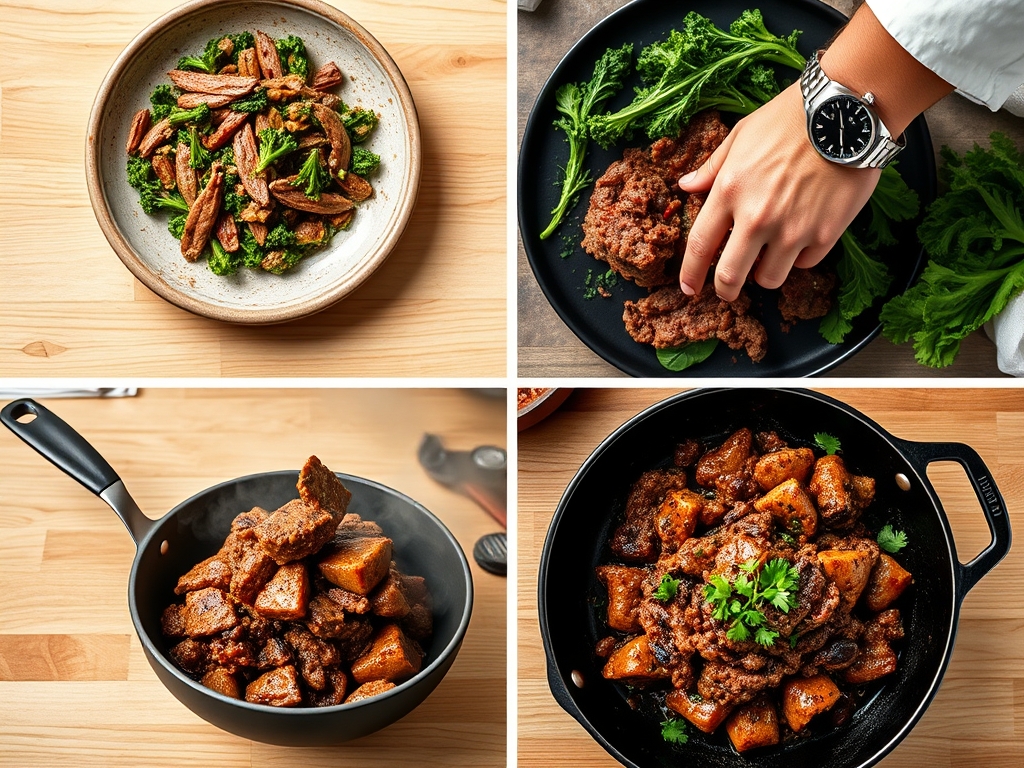
Remove your ground beef from the refrigerator 20 minutes before cooking. Cold meat causes the pan temperature to plummet, leading to steaming rather than searing. Place your heavy-bottomed skillet over medium-high heat until a drop of water dances and evaporates instantly.
Pro Tip: This prevents "gray meat syndrome." By allowing the surface moisture to evaporate before the meat hits the pan, you facilitate immediate enzymatic browning, creating a complex crust that serves as the flavor base for the entire dish.
2. The Render and Crumble
Add the beef to the dry pan. Use a stiff wooden spoon or a meat masher to break the protein into uniform crumbles. Do not over-stir. Let it sit undisturbed for 3 minutes to develop a deep mahogany crust.
Pro Tip: Resist the urge to move the meat constantly. Thermal contact is essential for the Maillard reaction. If you move it too soon, you break the heat bond and end up boiling the meat in its own juices.
3. Aromatics and Deglazing
Once the beef is browned, push it to the perimeter of the pan. Add your diced onions and garlic to the center, utilizing the rendered beef tallow as your cooking oil. Once the onions are translucent, add a splash of beef bone broth or dry white wine to deglaze the pan, scraping up the browned bits (the fond).
Pro Tip: The fond contains concentrated umami compounds. Deglazing releases these molecules into the liquid, creating a self-made sauce that coats every leaf of kale later on.
4. Massaging and Folding the Kale
Add your kale in batches. It will look like too much at first, but it will reduce in volume by nearly sixty percent. Use tongs to toss the greens in the savory fat and aromatics.
Pro Tip: Kale contains tough cellulose walls. The heat and the salt in the pan act as a chemical softener, breaking down these fibers. Adding a teaspoon of apple cider vinegar at this stage helps further tenderize the leaves while brightening the flavor profile.
5. The Final Emulsification
Turn off the heat while the kale is still bright green. Add a tablespoon of cold butter or a splash of heavy cream, stirring vigorously. This creates a quick emulsion with the pan juices.
Pro Tip: This is called carryover cooking. The residual heat in the heavy skillet will finish softening the kale without overcooking it, ensuring the greens remain "al dente" rather than mushy.
The Deep Dive:
From a macro perspective, this pairing is a gold mine. A standard serving provides roughly 30g of protein and a massive dose of Vitamin K, Vitamin A, and Manganese. For those on a Keto protocol, the high fat-to-carb ratio is ideal for maintaining ketosis. If you are Vegan, you can swap the beef for a walnut and lentil crumble, though you will need to add a tablespoon of avocado oil to mimic the beef fat.
The Fix-It: Common Pitfalls
- The Bitter Bite: If the kale is too bitter, your salt levels are likely too low. Salt suppresses the tongue's perception of bitterness. Add a pinch of sea salt or a dash of tamari.
- The Soggy Mess: This happens if you crowd the pan or add water. Always sear the beef in a wide pan to allow steam to escape.
- The Dry Texture: If the beef feels "grainy," you have overcooked it. Use a saucier to add a little extra broth at the end to rehydrate the protein fibers.
Meal Prep Science
To maintain "day-one" quality when reheating, do not use a microwave if possible. The microwave agitates water molecules, which can make the kale rubbery. Instead, use a small skillet with a teaspoon of water and a lid. This creates a steam-saute effect that restores moisture to the beef without sacrificing the texture of the greens.
The Wrap-Up:
You are now officially equipped to turn a humble bunch of greens and a package of beef into a culinary masterpiece. Remember, the secret is all in the sear and the timing. These kale and ground beef recipes are your ticket to a high-energy, nutrient-dense lifestyle that never skimps on flavor. Go forth, use your bench scraper to clear that cutting board, and enjoy the most satisfying meal of your week!
The Kitchen Table:
How do I keep kale from being tough in beef recipes?
Remove the woody center ribs and slice the leaves into thin ribbons. Adding an acidic element like lemon juice or vinegar during the final minutes of cooking breaks down the tough cellulose fibers, ensuring a tender mouthfeel.
Can I use frozen kale for ground beef recipes?
Yes, but thaw and squeeze out all excess moisture first. Frozen kale has already had its cell walls ruptured by ice crystals, so it will cook much faster. Add it at the very end to avoid a mushy texture.
What is the best ground beef fat ratio for kale?
An 80/20 or 85/15 ratio is best. The rendered fat acts as a warm dressing for the kale, carrying the flavors of garlic and spices into the nooks and crannies of the leaves for better flavor distribution.
How long does kale and ground beef last in the fridge?
When stored in an airtight container, it stays fresh for 3 to 4 days. The flavors often deepen overnight as the kale continues to absorb the savory juices from the beef and aromatics.