
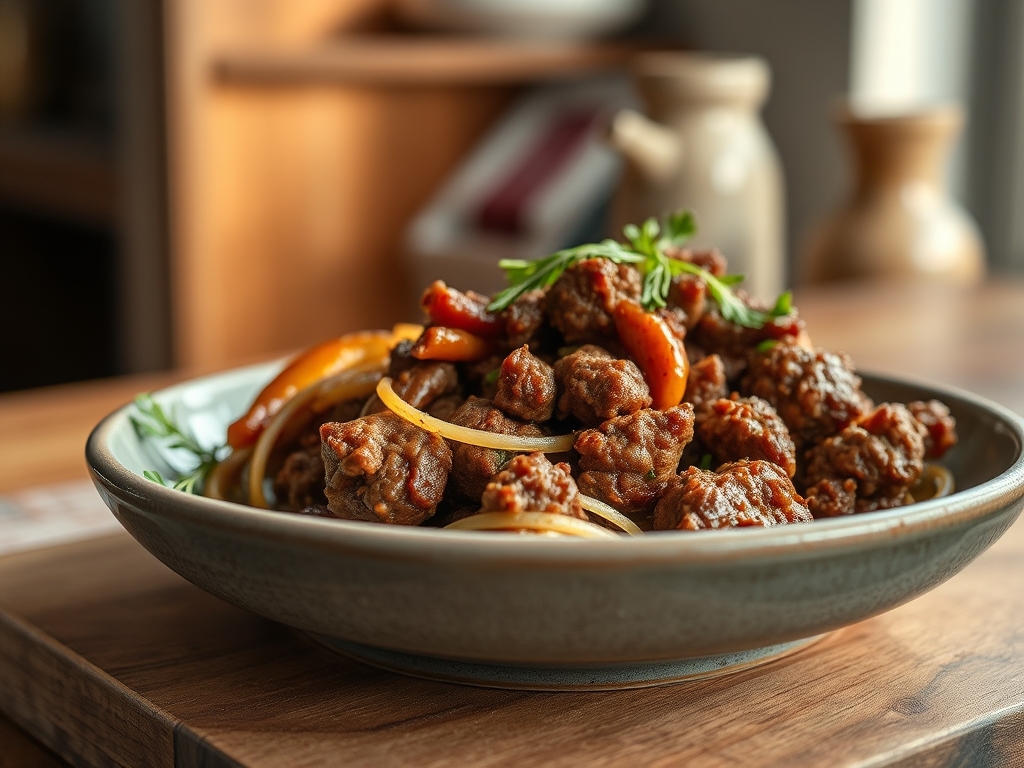
The kitchen is currently humming with the scent of rendering fat and toasted spices; it is the olfactory equivalent of a warm hug. When you are staring at a cold, utilitarian brick of supermarket protein, it is hard to imagine it becoming a five-star meal. However, mastering easy cheap ground beef recipes is less about the price tag and more about manipulating the molecular structure of the meat. We are going to transform that humble pound of beef into something sophisticated, using nothing but heat, science, and a little bit of wit. You do not need a massive grocery budget to create a culinary masterpiece. You just need to understand how to maximize flavor through the Maillard reaction and proper moisture management. Let us turn your kitchen into a laboratory of deliciousness where we stretch every dollar without sacrificing a single ounce of flavor. Grab your favorite heavy-bottomed skillet and let us get to work.
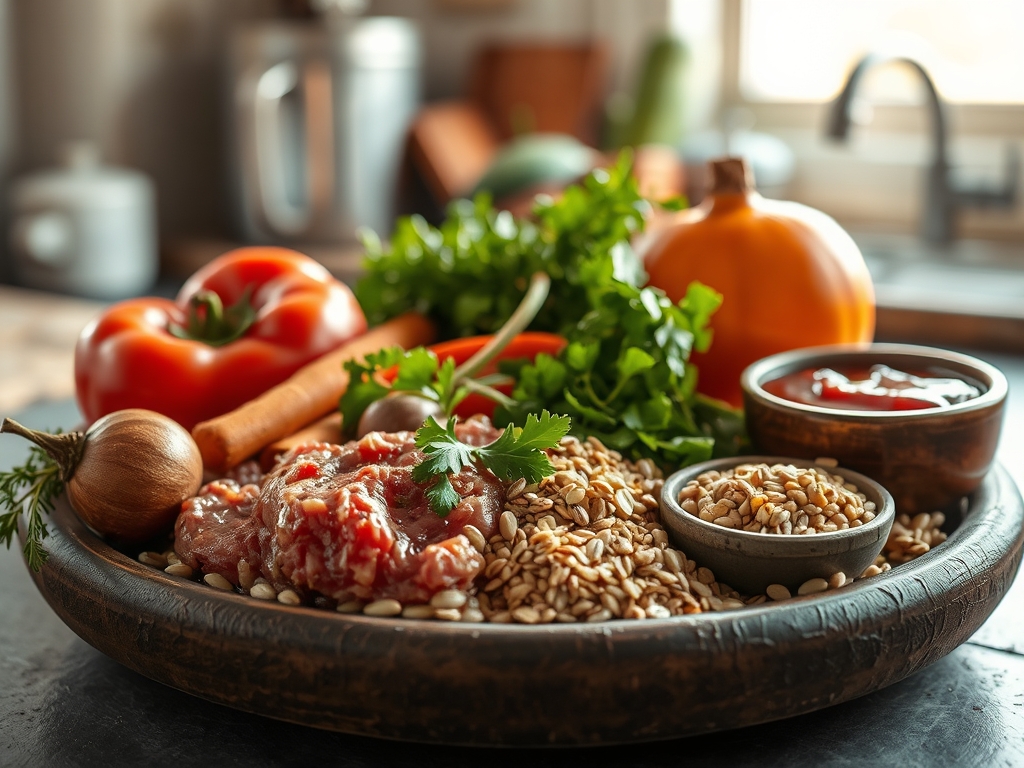
The Gathers:
Before we ignite the burners, we must assemble our mise-en-place with precision. Start with your ground beef; ideally a 20 percent fat blend for maximum flavor and moisture. You will need a piquant yellow onion, three cloves of garlic, and a bottle of high-quality soy sauce to provide a deep umami base. Gather your dry spices: smoked paprika, cumin, and sea salt. For the texture, have a bowl of panko breadcrumbs and one large egg ready to act as a structural binder.
Smart Substitutions: If you are out of fresh garlic, use a microplane to zest a bit of ginger for a brighter, more aromatic profile. No panko? Use crushed saltine crackers or even oats pulsed in a blender to provide that essential starch. Instead of expensive beef stock, use a bouillon cube dissolved in hot water with a splash of Worcestershire sauce to mimic the viscous mouthfeel of a long-simmered demi-glace.
The Clock
Efficiency in the kitchen relies on what professionals call "Chef's Flow." This refers to the synchronization of tasks to minimize downtime. For these hacks, your active prep time is exactly 15 minutes. This involves the mechanical breakdown of the meat and the precision dicing of aromatics. The cook time varies between 10 and 20 minutes depending on the specific hack you choose.
The goal is to have your skillet preheating while you chop. By the time your bench scraper has cleared the cutting board, your pan should be at the smoke point. This ensures that the meat hits the heat at the optimal moment for searing rather than steaming. Total time from fridge to table is roughly 35 minutes; a perfect window for a busy weeknight.
The Masterclass
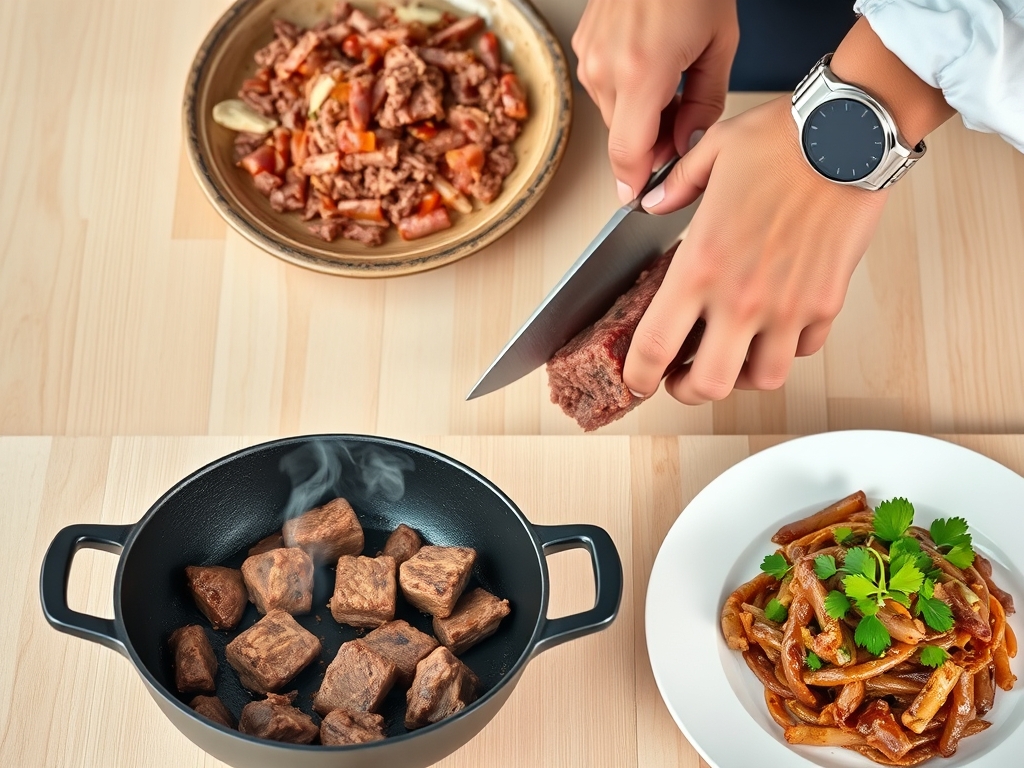
1. The High-Heat Sear
Place your heavy-bottomed skillet over medium-high heat until a drop of water dances and evaporates instantly. Add the beef in a single, flat layer and do not touch it for at least three minutes. This allows the proteins to undergo the Maillard reaction, creating a complex, savory crust that is the foundation of all easy cheap ground beef recipes.
Pro Tip: This process is called enzymatic browning. By resisting the urge to stir, you allow the amino acids and reducing sugars to reorganize into hundreds of different flavor compounds.
2. Deglazing the Fond
Once the meat is browned, remove it and notice the brown bits stuck to the bottom of the pan. This is called the "fond." Pour in a splash of liquid; wine, stock, or even water; and use a wooden spoon to scrape those bits back into the sauce. This concentrates the beefy essence and creates a rich, built-in gravy.
Pro Tip: Deglazing uses the principle of solubility to incorporate caramelized proteins back into your liquid phase, significantly deepening the flavor profile without extra cost.
3. The Panade Technique
For meatballs or meatloaf hacks, always mix your breadcrumbs with a little milk or water before adding them to the meat. This creates a "panade." Fold this gently into the beef using your hands or a sturdy spatula until just combined. Overworking the meat will lead to a tough, rubbery texture.
Pro Tip: A panade prevents the meat proteins from knitting together too tightly during cooking. This ensures your beef remains tender and moist even if it is slightly overcooked.
4. Aerating the Fat
When browning ground beef for tacos or pasta, use a potato masher or a specialized meat stirrer to break the meat into uniform crumbles. This increases the surface area, allowing the fat to render out more efficiently. Once the fat is liquid, it can be used to fry your aromatics, infusing the entire dish with flavor.
Pro Tip: Rendering is the process of melting solid fat into liquid. By breaking the meat into smaller pieces, you accelerate heat transfer and ensure even cooking.
5. The Umami Bomb
To make cheap beef taste like expensive steak, add a teaspoon of tomato paste or a dash of fish sauce during the last few minutes of browning. These ingredients are packed with natural glutamates which trick the tongue into perceiving a much richer, meatier flavor than the price tag suggests.
Pro Tip: Glutamates are the molecules responsible for the "umami" taste. They work synergistically with the salt in the beef to enhance savory perceptions on the palate.
6. Thermal Carryover Management
Always remove your beef from the heat when it is just slightly under your desired doneness. If you are making patties, take them off the grill when the internal temperature is 5 degrees below your target. Transfer them to a warm plate and tent with foil.
Pro Tip: This is known as carryover cooking. The internal kinetic energy continues to cook the meat even after it leaves the heat source, preventing the dry, grainy texture of overcooked beef.
7. Emulsifying the Sauce
If your beef dish feels greasy, do not just drain the fat. Add a small amount of starchy pasta water or a slurry of cornstarch and water. Stir vigorously over high heat to create a silky, unified sauce that clings to the meat rather than puddling at the bottom of the bowl.
Pro Tip: Emulsification is the process of forcing oil and water to mix. The starch acts as a stabilizer, preventing the fat from separating and making the dish feel lighter.
8. Infusing Aromatics
Instead of throwing onions and garlic in at the start, wait until the beef has released its fat. Sauté the aromatics in that rendered beef tallow. This "blooms" the fat-soluble flavor compounds in the spices and vegetables, distributing them more evenly throughout the entire dish.
Pro Tip: Many flavor compounds in spices like cumin and paprika are hydrophobic, meaning they only dissolve in fat. Frying them in the beef drippings unlocks their full aromatic potential.
9. Acid Brightening
Right before serving, add a squeeze of lemon juice or a teaspoon of apple cider vinegar. This does not make the dish taste sour; rather, the acid cuts through the richness of the fat and "wakes up" the other flavors, providing a balanced, professional finish.
Pro Tip: Acid lowers the pH of the dish, which brightens the flavor profile and acts as a counterpoint to the heavy, savory notes of the rendered beef fat.
The Deep Dive
When it comes to nutrition, ground beef is a powerhouse of Vitamin B12, Zinc, and high-quality protein. A standard 4-ounce serving of 80/20 beef provides approximately 20 grams of protein and 250 calories. If you are looking to lighten the load, you can easily swap the beef for ground turkey or a plant-based crumble. For those on a Keto diet, keep the fat and serve the beef over sautéed zucchini ribbons. For a Gluten-Free version, simply swap panko for almond flour or crushed pork rinds.
The Fix-It:
- Greasy Result: If the dish is too oily, use a folded paper towel held with tongs to blot the excess fat from the corner of the tilted skillet.
- Bland Flavor: This usually means a lack of salt or acid. Add a pinch of sea salt and a dash of vinegar to recalibrate the seasoning.
- Tough Meat: This happens when the meat is boiled in its own juices. Next time, cook in smaller batches to ensure the liquid evaporates instantly, allowing for a proper sear.
Meal Prep Science: To maintain "day-one" quality, store your cooked beef in an airtight container with a small amount of its cooking liquid. When reheating, use the microwave at 50 percent power or a saucier on the stovetop with a tablespoon of water. This creates steam, which rehydrates the protein fibers and prevents the meat from becoming "rubbery" or developing that "warmed-over" oxidized flavor.
The Wrap-Up
Mastering easy cheap ground beef recipes is the ultimate kitchen superpower. By focusing on the science of searing, the art of the panade, and the magic of emulsification, you can turn a budget staple into a gourmet experience. Remember that cooking is a series of chemical reactions; when you control the heat and the timing, you control the outcome. Now, go forth, grab that skillet, and show that ground beef who is boss. Your wallet and your taste buds will thank you.
The Kitchen Table
How do I keep ground beef from getting dry?
Add a panade of breadcrumbs and milk to the raw meat. This starch-and-liquid mixture traps moisture inside the protein structure, preventing it from evaporating during the cooking process and ensuring a juicy result every time.
Can I freeze cooked ground beef recipes?
Yes, cooked ground beef freezes beautifully for up to three months. Ensure the meat is completely cooled before placing it in a vacuum-sealed bag to prevent freezer burn and preserve the structural integrity of the proteins.
What is the best way to brown beef?
Use a preheated heavy skillet and avoid overcrowding the pan. Let the meat sit undisturbed to develop a deep brown crust via the Maillard reaction. This creates the complex flavor profile essential for high-quality dishes.
How do I drain fat safely?
Carefully tilt the skillet and use a spoon to ladle the liquid fat into a disposable container like a tin can. Never pour grease down the sink, as it will solidify and cause significant plumbing blockages.