
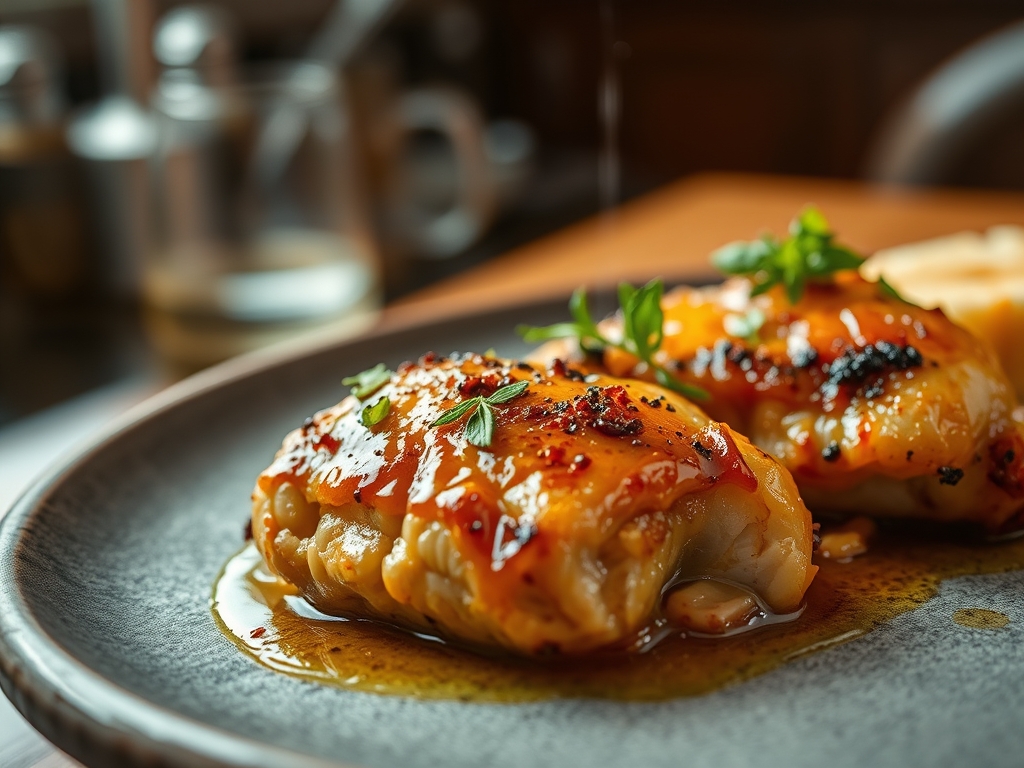
Imagine the hiss of a heavy-bottomed skillet meeting cold poultry; it is the sound of a transformation beginning. When you explore these nine bold drunk chicken recipes, you are not just cooking; you are conducting a symphony of ethanol and amino acids. The kitchen fills with a heady, piquant aroma as spirits deglaze the pan, unlocking flavor compounds that water or stock simply cannot reach. Whether it is the crisp bite of a pilsner or the velvet depth of a red wine reduction, these dishes represent the pinnacle of comfort food elevated by chemistry. We are moving beyond basic roasting into a world where alcohol acts as both a solvent and a seasoning, ensuring every fiber of the meat is infused with complexity.
The magic of drunk chicken recipes lies in the molecular interaction between the alcohol and the proteins. Ethanol is a volatile molecule that evaporates quickly, but before it leaves the pan, it hitches a ride on fat-soluble flavor molecules, carrying them deep into the meat. This process, known as esterification, creates fruity and floral notes that balance the savory richness of rendered chicken fat. You are about to master a repertoire that ranges from the rustic charm of a Coq au Vin to the sharp, citrusy brightness of a Tequila Lime bird. It is time to grab your apron and your favorite bottle; we are going to make something legendary.
The Gathers:
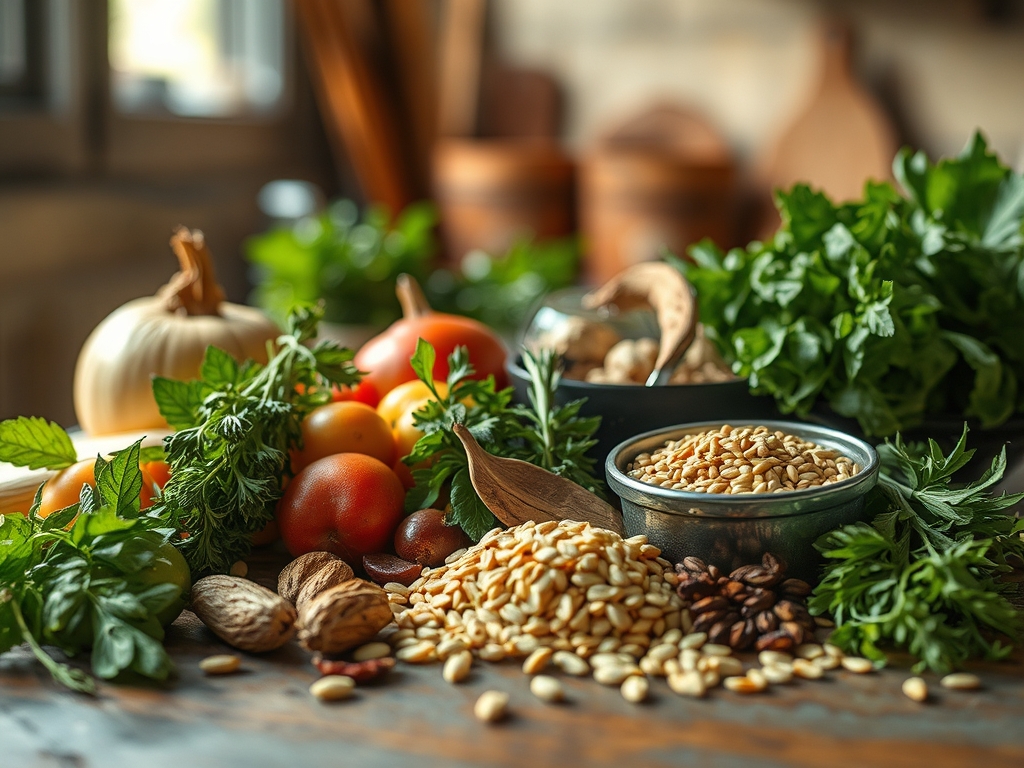
To execute these recipes with precision, your mise-en-place must be flawless. Start with high-quality poultry; look for air-chilled birds which have less water retention, allowing for a better sear. You will need a variety of "boozy" bases: dry white wines like Sauvignon Blanc for acidity, dark stouts for chocolatey undertones, and clear spirits like gin for botanical brightness. Use a microplane to zest citrus and grate fresh ginger; this increases the surface area for maximum oil release. Fresh aromatics are non-negotiable. Have bundles of thyme, rosemary, and smashed garlic cloves ready to toss into the rendered fat.
Smart Substitutions:
If you are out of a specific alcohol, remember the "Profile Pivot." Swap a dry vermouth for white wine to add herbal complexity. Use a hard apple cider instead of beer for a sweeter, autumnal profile. For those avoiding alcohol entirely, a mixture of verjus or a splash of white balsamic vinegar diluted with chicken stock can mimic the acidity, though you will miss the specific solvent properties of ethanol. Always weigh your salt with a digital scale to ensure a consistent 1.5 percent salinity relative to the weight of your meat.
The Clock
Efficiency in the kitchen is about "Chef's Flow," the art of overlapping tasks to minimize downtime. For these drunk chicken recipes, expect a total active prep time of 25 minutes. The "Clock" begins with the salt-brining phase, which should ideally happen 4 to 24 hours in advance to allow for protein denaturation. Once you hit the stove, the browning phase takes 8 to 12 minutes. The braising or roasting period varies from 30 minutes for thighs to 75 minutes for a whole bird.
While the chicken is in the oven or simmering in its boozy bath, use that "dead time" to prepare your sides or reduce your sauces in a saucier. This prevents the frantic scramble at the end. Thermal carryover is your best friend; remember that the internal temperature will rise by 5 to 10 degrees after you remove the meat from the heat. Plan to let the chicken rest for at least 15 minutes before carving to allow the juices to redistribute through the muscle fibers.
The Masterclass
1. The Sear and Render
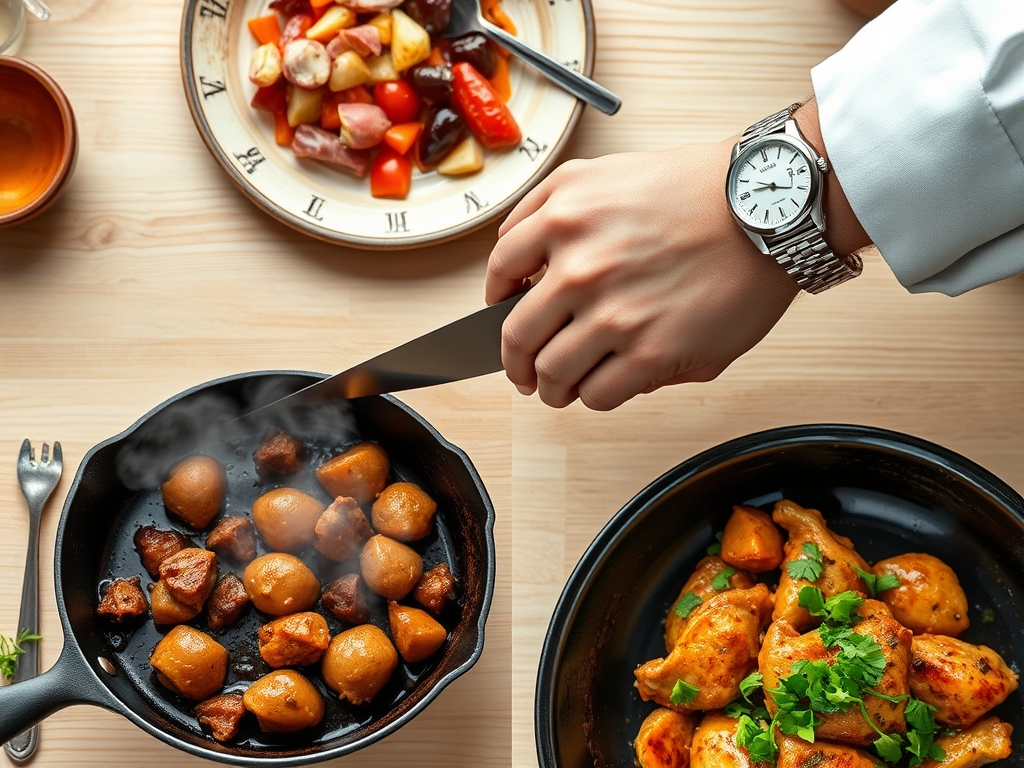
Place your chicken skin-side down in a cold heavy-bottomed skillet and then turn the heat to medium-high. This allows the subcutaneous fat to render slowly, resulting in a glass-like crispness rather than a rubbery texture. Use tongs to press the meat down for even contact.
Pro Tip: This is the Maillard reaction in action. By starting cold, you prevent the proteins from seizing, allowing for a more uniform enzymatic browning that creates hundreds of new flavor compounds.
2. Deglazing the Fond
Once the chicken is browned and removed, you will see brown bits stuck to the bottom of the pan. This is "fond." Pour in your chosen alcohol and use a bench scraper or wooden spoon to lift these concentrated flavor nuggets into the liquid.
Pro Tip: Alcohol is a superior deglazer because it dissolves both water-soluble and fat-soluble compounds. This creates a more three-dimensional flavor profile than using stock alone.
3. The Low and Slow Infusion
Return the chicken to the pan, ensuring the skin remains above the liquid line to stay crisp. Lower the heat to a gentle simmer. This is where the alcohol begins to infuse the meat, breaking down tough connective tissues into silky gelatin.
Pro Tip: Maintaining a simmer below 190 degrees Fahrenheit prevents the muscle fibers from tightening and squeezing out moisture. This ensures the "viscous" mouthfeel characteristic of professional braises.
4. Emulsifying the Sauce
After removing the cooked chicken, the remaining liquid will be thin. Crank the heat to reduce the volume by half, then whisk in cold butter or a slurry. Use a saucier for this step to ensure the whisk reaches every corner, preventing scorching.
Pro Tip: This creates a stable emulsion. The proteins in the butter bind with the reduced alcohol and fats, resulting in a glossy, "velouté" texture that coats the back of a spoon.
The Deep Dive
From a macro perspective, these drunk chicken recipes are surprisingly balanced. A standard serving provides approximately 35 grams of protein and 15 grams of fat. While the alcohol adds calories, most of the ethanol evaporates during the reduction process, leaving behind only the concentrated flavor essences. For those on specific diets, these recipes are highly adaptable. Keto followers should stick to dry wines and spirits while avoiding beer or sugary liqueurs. Vegan friends can swap the chicken for oyster mushrooms or thick cauliflower steaks, which mimic the fibrous texture of poultry and absorb the boozy braise beautifully.
"The Fix-It" is your troubleshooting guide for common pitfalls. If your sauce tastes too "boozy" or harsh, it likely hasn't reduced enough; add a splash of honey or a pinch of sugar to balance the ethanol burn. If the skin is soggy, you likely submerged it in the braising liquid; next time, keep the liquid level at the halfway mark. If the meat is dry, you missed the thermal carryover window; always pull the chicken at 160 degrees Fahrenheit and let it rest up to the safe 165 mark. For meal prep, reheat your chicken in a 300-degree oven with a splash of water covered in foil. This uses steam to gently rehydrate the proteins without overcooking them.
The Wrap-Up
Mastering drunk chicken recipes is a rite of passage for any home cook looking to add a bit of "swagger" to their kitchen routine. We have covered the physics of the sear, the chemistry of the deglaze, and the art of the reduction. You are now equipped with the technical knowledge to turn a simple bird into a high-octane masterpiece. Remember, the quality of the spirit you use will dictate the soul of the dish, so never cook with a wine you wouldn't happily drink. Now, go forth, fire up that skillet, and let the intoxicating aromas take over your home!
The Kitchen Table
Can I use non-alcoholic beer for these recipes?
Yes, you can. While you lose the solvent properties of ethanol, non-alcoholic beer still provides the malty, hoppy flavor profiles. You may need to add a teaspoon of white wine vinegar to mimic the missing acidity and "bite" of the alcohol.
What is the best chicken cut for braising in wine?
Bone-in, skin-on thighs are the gold standard. The bone adds calcium and collagen to the sauce, while the higher fat content in dark meat prevents it from drying out during the long reduction process required for deep flavor infusion.
How do I prevent the alcohol from curdling cream sauces?
Always reduce your alcohol by at least half before adding dairy. High acidity or high alcohol content can crash the proteins in cream. By simmering the wine first, you mellow the acid and evaporate the harshest ethanol molecules.
Is it safe for children to eat "drunk chicken"?
Most of the alcohol burns off during a 30-minute simmer, leaving negligible amounts behind. However, if you are concerned, extend the simmering time. A sauce reduced for an hour will have less than 5 percent of the original alcohol content remaining.