
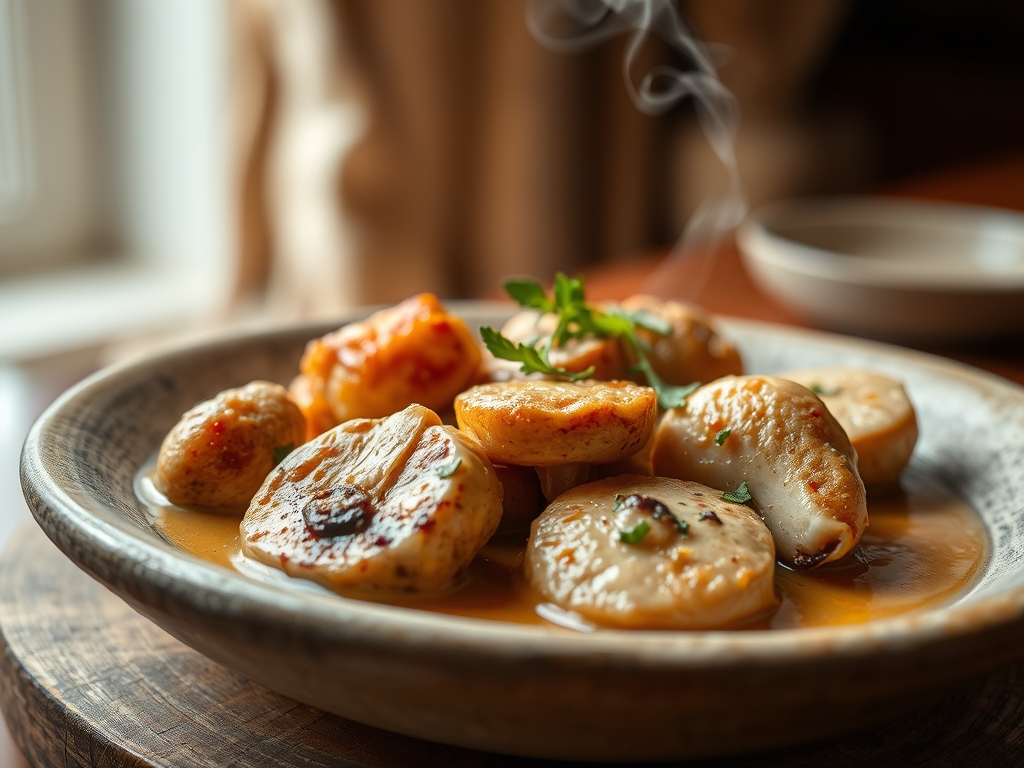
Imagine the scent of woodsy cremini hitting a hot, buttered pan; it is the olfactory equivalent of a cashmere blanket. When we talk about mushroom soup and chicken recipes, we are looking for more than just a meal. We are hunting for that perfect, viscous harmony between earth and poultry that transforms a Tuesday night into a culinary event.
This is where science meets the ladle. We are not just tossing ingredients into a pot and hoping for the best. We are orchestrating a series of chemical reactions, from the Maillard response on the chicken skin to the slow release of polysaccharides that thicken our broth. Whether you are craving a silky veloute or a chunky, rustic potage, the secret lies in the layering of flavors. We will explore how to balance the heavy umami of the fungi with the lean, clean protein of the bird. Grab your favorite apron and clear some counter space; we are about to turn your kitchen into a high-end bistro.
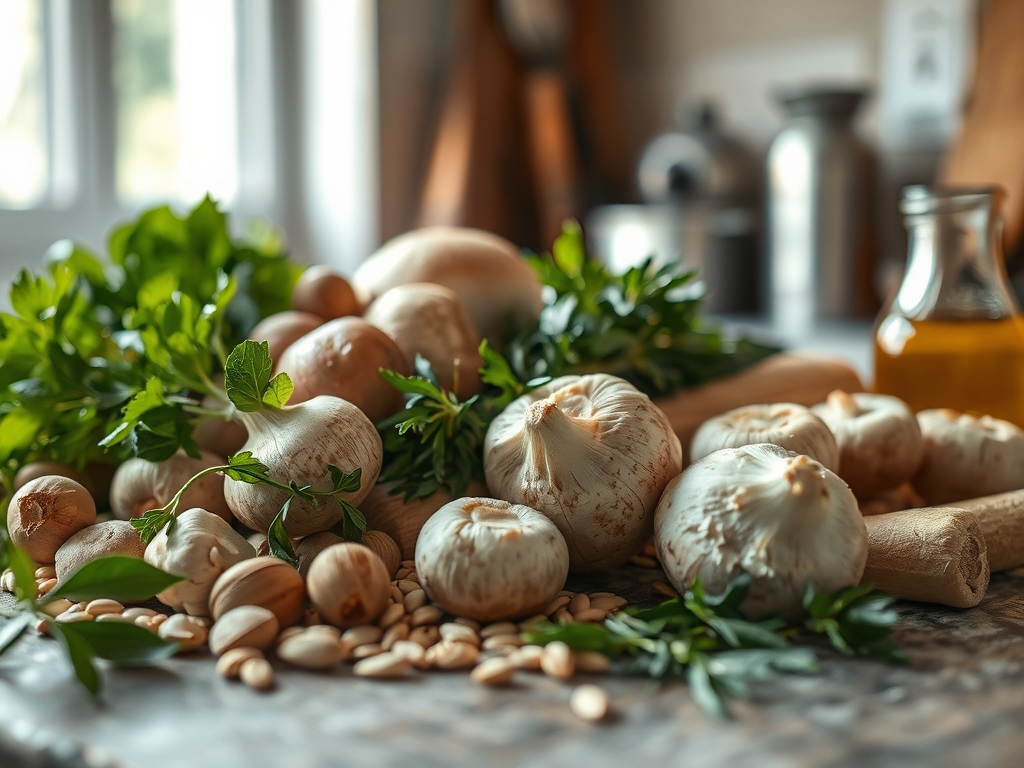
The Gathers:
To master these mushroom soup and chicken recipes, your mise-en-place must be precise. We start with the fungi. I recommend a blend of cremini for depth, shiitake for that piquant edge, and oyster mushrooms for a delicate texture. Use a digital scale to ensure you have exactly 16 ounces of mushrooms; moisture ratios are critical for the final consistency.
For the poultry, choose bone-in, skin-on thighs. The connective tissue contains collagen which, when simmered, transforms into gelatin. This provides a luxurious mouthfeel that boneless breasts simply cannot replicate. You will also need high-quality chicken stock, heavy cream (at least 36 percent milkfat), shallots, and fresh thyme.
Smart Substitutions:
If you are looking to lighten the profile, swap the heavy cream for full-fat coconut milk or a cashew puree. For a deeper flavor, replace the standard button mushrooms with dried porcini that have been reconstituted in warm water. Use that soaking liquid as part of your base; it is liquid gold. If you lack shallots, use the white parts of leeks cleaned thoroughly with a bench scraper to remove any grit.
The Clock
Efficiency in the kitchen is about the "Chef's Flow." Expect 20 minutes of active prep and 40 minutes of simmering. Total time: 60 minutes.
The flow begins with the chicken. While your heavy-bottomed skillet preheats, you slice the mushrooms. By the time the chicken is searing, your aromatics should be diced. This overlap ensures that no heat is wasted. The "dead time" occurs while the soup simmers; use this window to clean your station or prepare a crusty baguette. Remember, the flavors continue to develop as the soup sits, so do not rush the reduction phase.
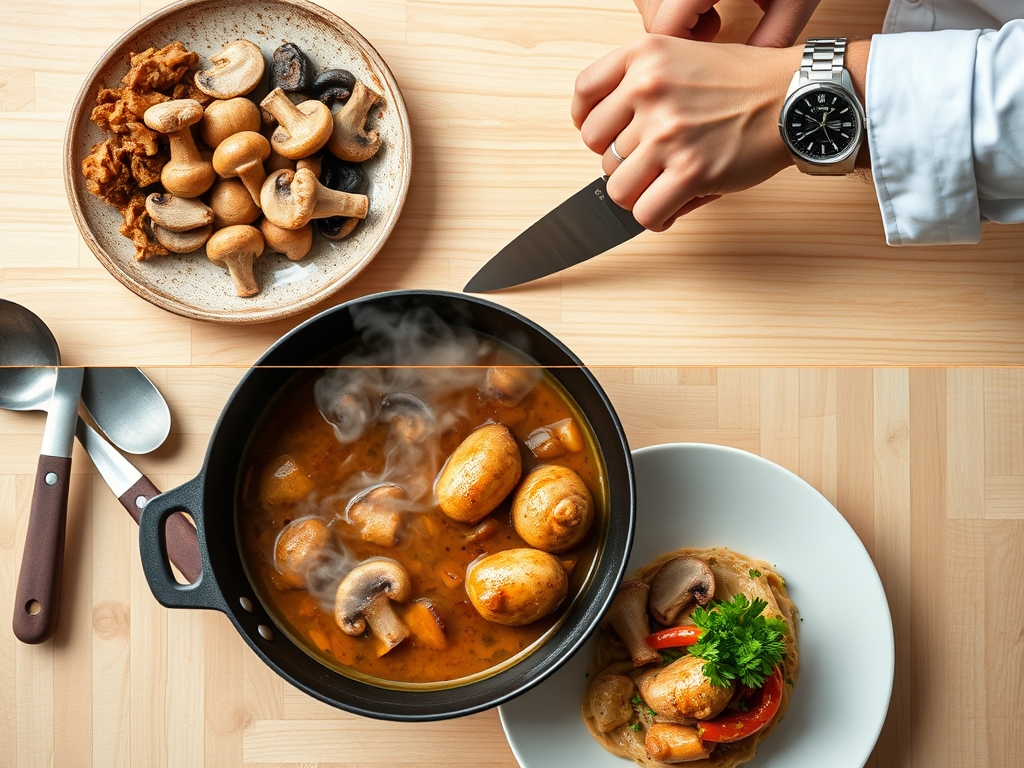
The Masterclass
1. The Sear and Render
Place your chicken thighs skin-side down in a cold heavy-bottomed skillet and turn the heat to medium-high. This allows the fat to render slowly, resulting in crispy skin and a reservoir of flavorful oil. Use tongs to flip only once the skin releases naturally from the pan.
Pro Tip: This is the Maillard reaction in action. By starting with a cold pan, you prevent the proteins from seizing, ensuring the chicken remains succulent while the exterior develops complex, savory compounds.
2. The Fungi Sauté
Remove the chicken and add your sliced mushrooms to the same pan. Do not crowd them. Let them sit undisturbed for three minutes to allow the moisture to evaporate and the edges to caramelize.
Pro Tip: Mushrooms are roughly 90 percent water. Sautéing them at a high temperature triggers enzymatic browning, which intensifies the umami profile. If you salt them too early, they will steam in their own juices rather than brown.
3. Deglaze and Infuse
Add finely diced shallots and garlic. Once translucent, pour in a splash of dry white wine or sherry to deglaze the pan. Use a wooden spoon to scrape up the "fond," those brown bits stuck to the bottom.
Pro Tip: The alcohol in the wine acts as a solvent, dissolving flavor molecules that are not water-soluble. This process captures the concentrated essence of the seared meat and mushrooms.
4. The Liquid Build
Pour in your stock and add the chicken back to the pot. Bring to a gentle simmer, not a rolling boil. Use a saucier if you have one for better heat distribution.
Pro Tip: Simmering at approximately 190 degrees Fahrenheit prevents the chicken proteins from becoming rubbery. It also allows the woodsy notes of the thyme to infuse the liquid without becoming bitter.
5. Tempering the Cream
Once the chicken is cooked through, remove it to shred. Lower the heat and slowly whisk in your cream. To prevent curdling, "temper" the cream by mixing a small amount of hot broth into the cream before adding the whole mixture to the pot.
Pro Tip: Tempering prevents a thermal shock to the milk proteins. If added cold to a boiling liquid, the proteins will denature and clump, ruining the viscous texture of your soup.
6. The Final Emulsion
Add the shredded chicken back in and use a microplane to grate a touch of fresh nutmeg or lemon zest over the top. Stir gently to incorporate.
Pro Tip: A touch of acidity or spice at the end provides a "high note" that cuts through the fat. This creates a balanced flavor profile that hits every part of the palate.
The Deep Dive
Macro Nutrition: A standard serving of this chicken and mushroom soup contains approximately 350 calories, 25 grams of protein, and 12 grams of healthy fats. It is a powerhouse of Vitamin D and Selenium from the mushrooms.
Dietary Swaps:
- Keto: Keep the recipe as is, but ensure your stock has no added sugars.
- Vegan: Use "Soy Curls" or chickpeas instead of chicken, and replace butter with olive oil and cream with cashew cream.
- GF: This recipe is naturally gluten-free if you avoid using flour as a thickener; the mushroom reduction provides enough body.
The Fix-It:
- Too Thin: Do not add flour. Instead, take one cup of the soup (mostly mushrooms) and blend it, then stir it back in. The fibers act as a natural thickener.
- Too Salty: Add a peeled, halved potato and simmer for ten minutes. The potato acts as a sponge for excess sodium.
- Bland Flavor: Add a teaspoon of soy sauce or fish sauce. It won't taste like seafood; it will simply amplify the umami.
Meal Prep: When reheating, do so over low heat on the stove. Microwaving can cause the fats to separate. If the soup has thickened too much in the fridge, add a tablespoon of bone broth to restore the original consistency.
The Wrap-Up
There is a reason why mushroom soup and chicken recipes remain a staple in the professional culinary world. They represent the perfect marriage of technique and comfort. By understanding the science of the sear and the importance of tempering, you have elevated a simple soup into a masterpiece. Go ahead and serve this with pride; you have officially mastered the art of the savory simmer.
The Kitchen Table
What are the best mushrooms for soup?
Cremini and shiitake offer the best balance of flavor and texture. Cremini provide an earthy base, while shiitakes add a piquant, savory depth. Always wipe them clean with a damp cloth rather than soaking them to prevent waterlogging.
How do I keep chicken from getting dry in soup?
Use bone-in thighs and avoid boiling the liquid. Simmering gently at low temperatures prevents the muscle fibers from tightening and squeezing out moisture. Shredding the chicken and adding it back at the end also preserves its succulent texture.
Can I freeze chicken and mushroom soup?
Yes, but it is best to freeze the soup before adding the cream. Dairy can grain or separate when thawed. Add the fresh cream during the reheating process on the stove to ensure a smooth, silky emulsion.
Why is my mushroom soup gray?
Gray soup usually results from using white button mushrooms or over-processing the fungi. To maintain a rich, golden-brown color, properly caramelize your mushrooms in a hot pan before adding liquids and use a variety of darker mushroom species.