
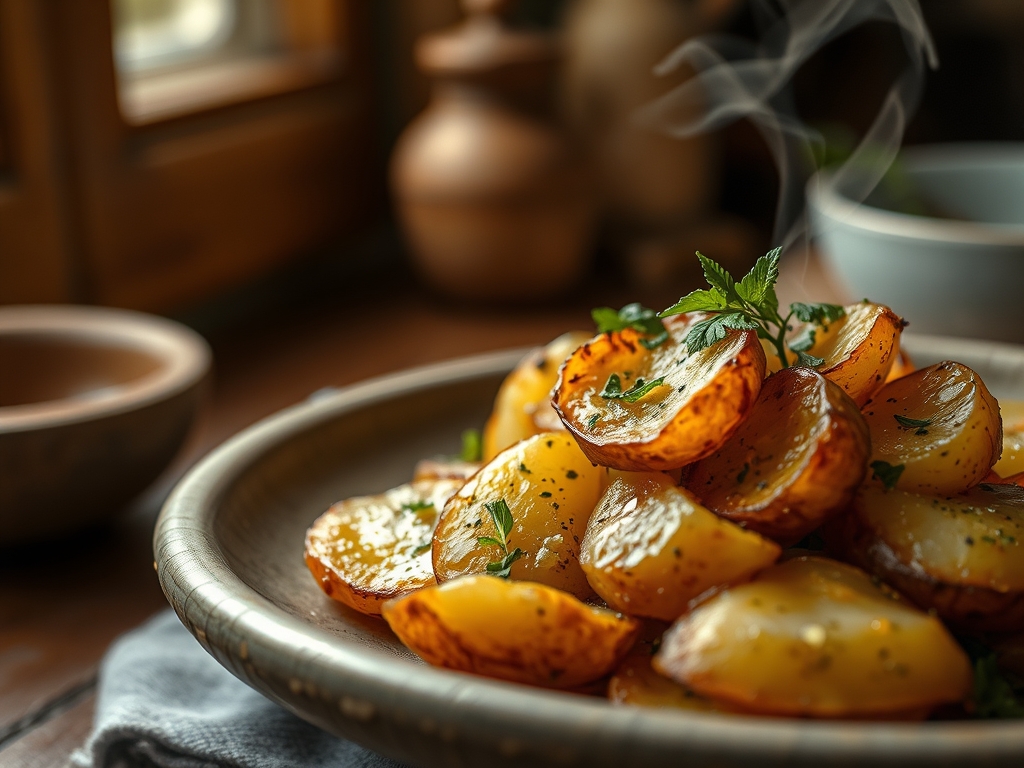
Imagine the scent of cold, crisp dill colliding with the searing heat of a cast iron skillet. It is that specific, electric moment when the buttermilk tang of a classic dressing meets a starch-heavy tuber. Mastering hidden valley ranch potato recipes is not just about convenience; it is about manipulating the Maillard reaction to create a piquant, umami-rich crust.
The Gathers:
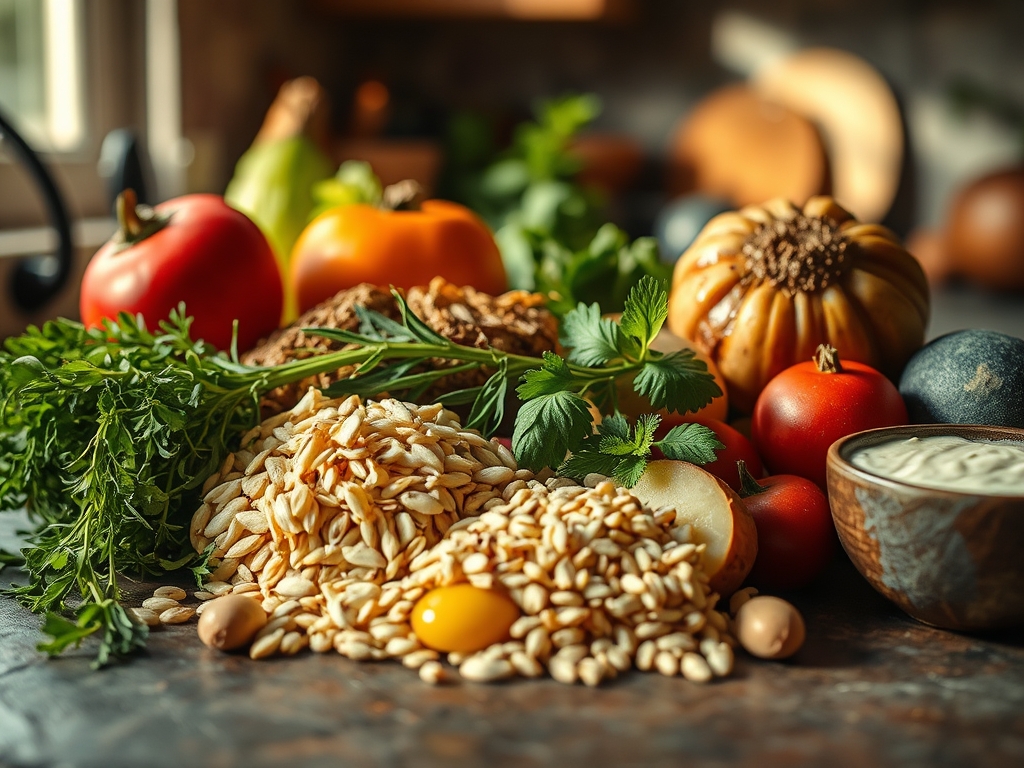
To achieve culinary excellence, your mise-en-place must be precise. Start with five pounds of Yukon Gold potatoes. These are preferred over Russets because their medium-starch content allows them to maintain structural integrity while providing a creamy, viscous interior. You will need the iconic Hidden Valley Ranch seasoning packets; the dry mix is essential because liquid dressing can break under high heat, leading to a greasy mouthfeel rather than a crisp finish.
Gather your fats: high-smoke point avocado oil for roasting and unsalted European-style butter for finishing. European butter has a lower water content, which prevents unneeded steam. For the aromatics, use a microplane to zest fresh lemon and grate three cloves of garlic into a paste. This increases the surface area for flavor infusion.
Smart Substitutions: If you are out of the dry packets, you can simulate the profile using a ratio of dried buttermilk powder, dehydrated chives, and onion powder. For a dairy-free version, swap the butter for a neutral coconut oil and use a vegan-certified ranch seasoning. Always use a digital scale to measure your potatoes; consistency in mass ensures consistency in cook time.
The Clock:
Efficiency in the kitchen relies on "Chef's Flow." This is the practice of overlapping tasks so no heat is wasted. Expect a total active prep time of 20 minutes and a passive cook time of 45 minutes.
The flow begins with the "Cold Start" phase. While your oven preheats to 425 degrees Fahrenheit, you should be scrubbing and cubing. By the time the oven chime sounds, your potatoes should already be tossed and resting on a preheated sheet pan. This immediate contact with a hot surface initiates the searing process instantly.
The Masterclass:
1. The Parboil Technique
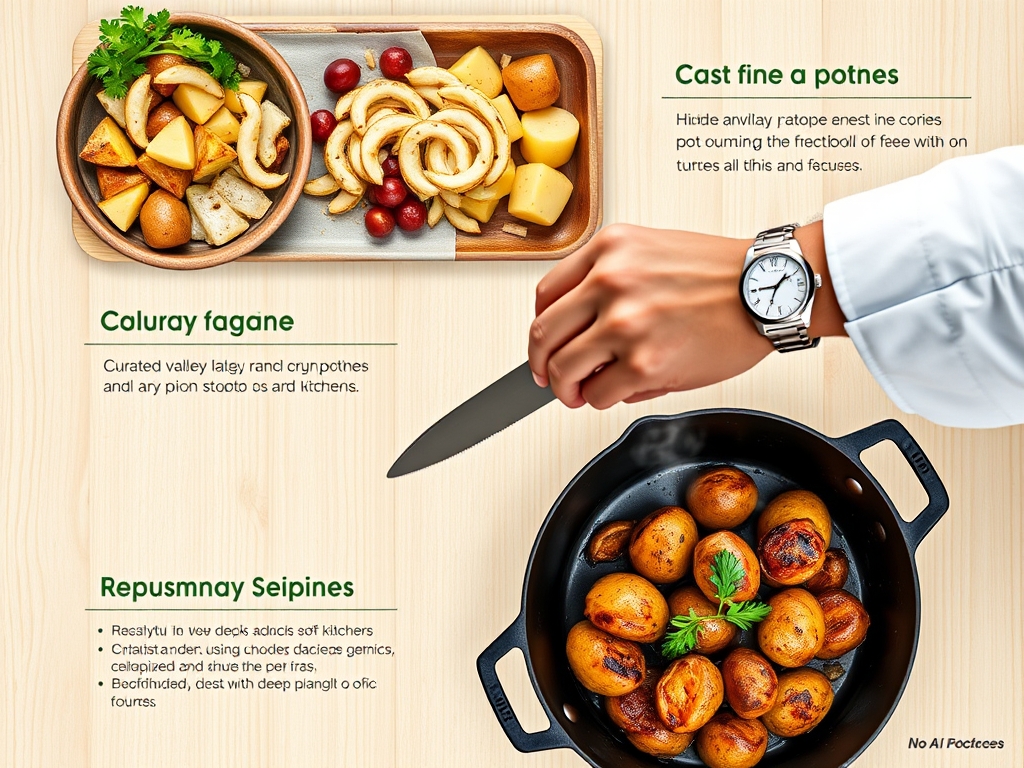
Before roasting, simmer your potato chunks in heavily salted water for six minutes. This creates a starchy slurry on the surface of the potato. Use a saucier for even heat distribution during this phase.
Pro Tip: This step triggers gelatinization. When the surface starch swells and bursts, it creates more surface area for the ranch seasoning to cling to, resulting in a glass-like crunch after roasting.
2. The Rough-Up
Drain the potatoes and return them to the pot. Use a bench scraper or a wooden spoon to vigorously shake them until the edges look frayed and fuzzy. This looks messy, but it is the secret to texture.
Pro Tip: This mechanical agitation increases the surface area for the Maillard reaction. More "fuzz" means more tiny peaks that will brown and crisp in the oven.
3. The Fat Infusion
Drizzle your avocado oil over the potatoes while they are still steaming. The heat allows the oil to penetrate the outer layer. Sprinkle the Hidden Valley Ranch seasoning evenly, using a fine-mesh sieve if necessary to avoid clumps.
Pro Tip: Fat acts as a heat conductor. By coating every crevice, you ensure that the thermal energy of the oven reaches the center of the potato through conduction rather than just convection.
4. The High-Heat Roast
Spread the potatoes on a heavy-duty rimmed baking sheet. Ensure they are not touching; crowding the pan causes them to steam rather than fry. Use tongs to flip them halfway through the 40-minute roast.
Pro Tip: Avoid the temptation to flip too early. You need the protein-sugar bonds to fully set against the metal pan to prevent sticking and ensure a deep mahogany color.
5. The Ranch Butter Glaze
In the final five minutes, melt two tablespoons of butter and mix in a teaspoon of fresh dill. Pour this over the roasting potatoes and toss.
Pro Tip: This is called mounting with butter. It adds a luxurious sheen and a final hit of lactic acid that brightens the herbaceous notes of the ranch.
6. The Herbaceous Finish
Once removed from the oven, immediately zest a lemon over the tray. The residual heat will release the essential oils in the zest without scorching them.
Pro Tip: This utilizes volatile aromatic compounds. The citrus scent hits the nose first, cutting through the heavy starch and fat for a balanced flavor profile.
7. The Smash Variation
For a different texture, use a heavy-bottomed skillet to gently press down on parboiled whole baby potatoes before roasting. This creates a "latke-like" edge.
Pro Tip: Smashing increases the contact patch with the roasting pan. This maximizes the conduction heating zone, leading to a higher ratio of "crunch" to "fluff."
8. The Air Fryer Shortcut
If using an air fryer, reduce the temperature to 400 degrees. The high-velocity air mimics a professional convection oven, accelerating the dehydration of the potato skin.
Pro Tip: Air fryers work through forced convection. Because the air moves so fast, you must toss the basket every five minutes to prevent the ranch seasoning from burning before the potato interior softens.
9. The Cool Down and Set
Let the potatoes rest on the pan for three minutes before serving. This allows the internal steam to redistribute so the crust stays attached to the flesh.
Pro Tip: This accounts for thermal carryover. The internal temperature will continue to rise by about five degrees even after leaving the oven, finishing the "steam-bake" of the core.
The Deep Dive:
When analyzing the macro nutrition, a standard serving contains approximately 210 calories, 4 grams of protein, and 9 grams of fat. To make this Keto-friendly, substitute the potatoes with cauliflower florets; the ranch seasoning adheres beautifully to the cruciferous texture. For a vegan swap, utilize nutritional yeast alongside the ranch powder to mimic the savory depth of buttermilk.
The Fix-It:
If your potatoes are soggy, it is likely due to overcrowding. Transfer them to two pans to allow moisture to escape. If the seasoning is bitter, you likely burnt the garlic; add a squeeze of honey to neutralize the acridity. If they are sticking to the pan, you didn't use enough fat or didn't preheat the sheet. Use a metal spatula to gently pry them loose after they have rested for two minutes.
Meal Prep:
To reheat, avoid the microwave as it turns the starch "rubbery" through retrogradation. Instead, use a dry skillet over medium heat or an air fryer at 350 degrees for four minutes to re-crisp the exterior oils.
The Wrap-Up:
Transforming a humble side dish into a culinary centerpiece is all about the marriage of chemistry and comfort. By using these hidden valley ranch potato recipes, you are not just making dinner; you are engineering the perfect bite. The contrast of the zesty, herbaceous coating against the creamy Yukon interior is a masterclass in flavor balance. Grab your apron and get roasting.
The Kitchen Table:
Which potatoes are best for ranch roasting?
Yukon Gold potatoes are superior for roasting. Their medium-starch content creates a creamy interior while the thin skin crisps beautifully. Russets are often too mealy, while red potatoes can sometimes be too waxy to hold the seasoning.
Can I use liquid ranch dressing instead of dry mix?
Liquid dressing contains high water and oil content which can cause the potatoes to steam and become greasy. For the best "crunch," use the dry seasoning packet to allow the Maillard reaction to occur without excess moisture interference.
How do I make my potatoes extra crispy?
The secret is parboiling the potatoes in salted water first. This releases surface starches that create a "slurry." When shaken and then roasted, this slurry dehydrates into an incredibly thick, glass-like crust that holds flavor perfectly.
Why did my ranch seasoning burn in the oven?
Ranch mix contains dried herbs and milk solids which can scorch at high temperatures. To prevent burning, toss the potatoes in oil first to insulate the spices, and avoid temperatures above 425 degrees Fahrenheit for prolonged periods.