
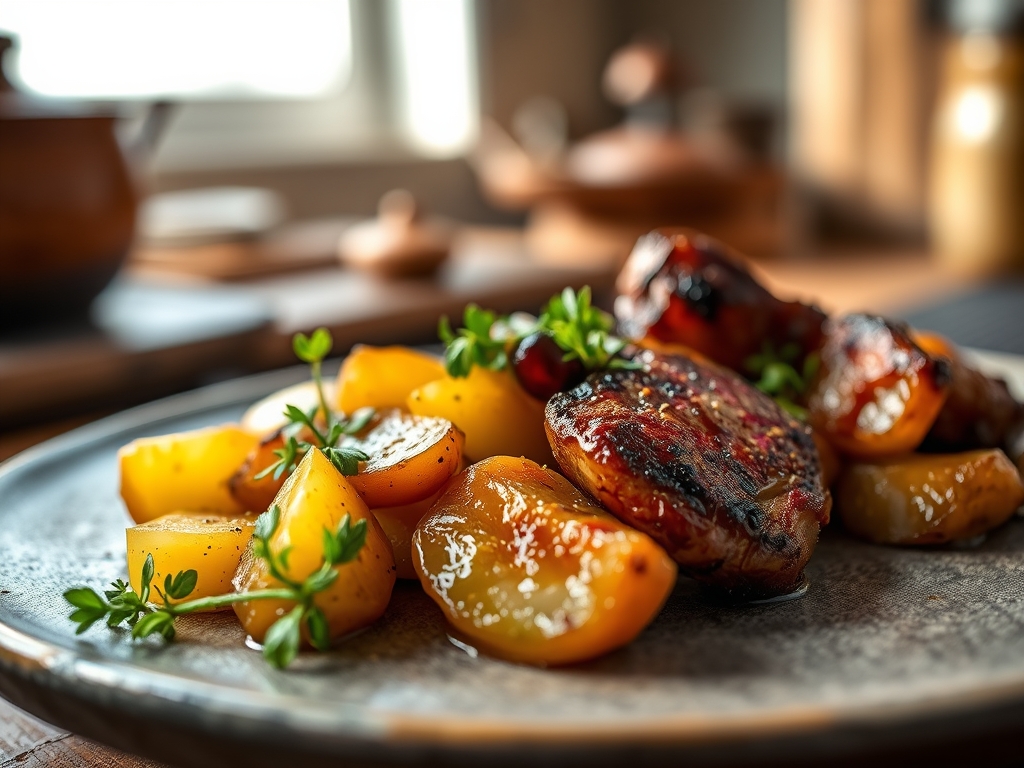
Picture a heavy-bottomed cast iron skillet searing a prime ribeye. The fat renders into a pool of liquid gold; the aroma of toasted protein fills the air. However, a steak is only as good as its supporting cast. To achieve culinary synergy, you need the best potato recipes for steak that balance richness with texture. We are moving beyond the basic baked potato into a world of molecular magic where starch meets heat to create something transcendental.
The secret to a world-class side dish lies in the structural integrity of the potato itself. Whether we are aiming for the glass-like crunch of a triple-cooked roast or the silkiness of a French puree, it all comes back to managing moisture and starch gelatinization. We want to create a contrast to the savory, umami-heavy profile of the beef. From the crisp edges of a smashed tuber to the decadent layers of a gratin, these seven variations represent the pinnacle of steakhouse sides. Grab your apron; we are about to turn humble root vegetables into the stars of the show.
The Gathers:
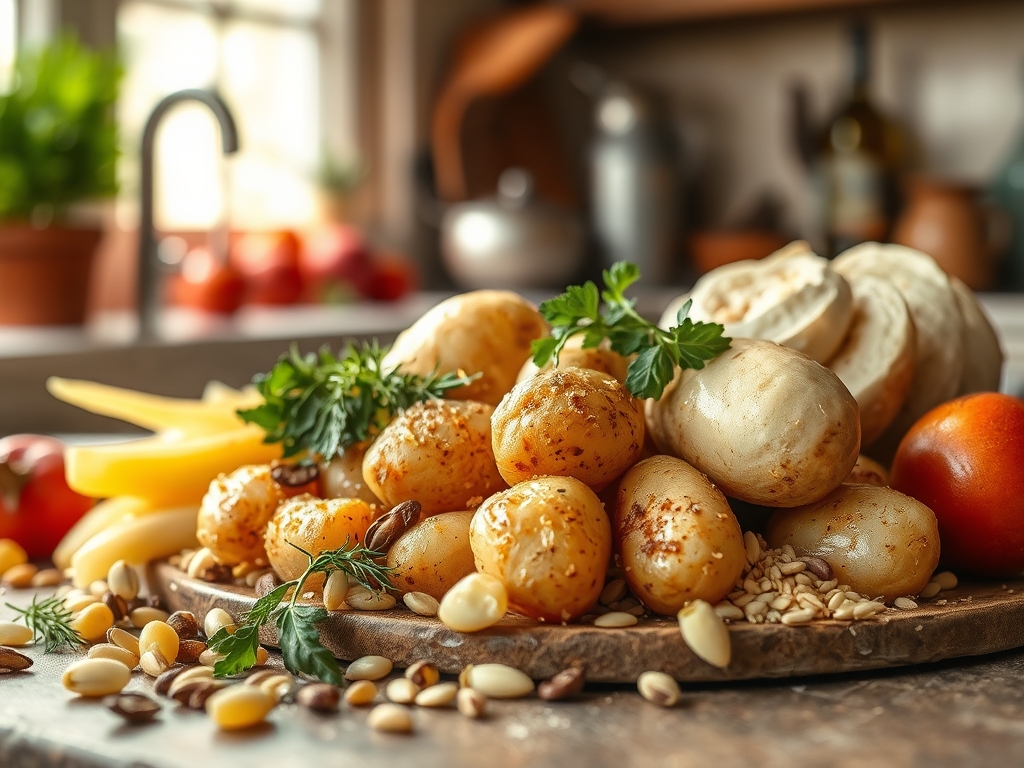
To execute these recipes, your mise-en-place must be precise. Start with high-starch Russets for fluffiness or waxy Yukon Golds for a buttery, cohesive mouthfeel. You will need high-quality fats: unsalted European-style butter with a high butterfat content, cold-pressed olive oil, or even rendered duck fat for an intense savory profile. Aromatics are non-negotiable. Gather fresh rosemary, thyme, and plenty of garlic cloves to infuse into your cooking fats.
For the technical side, ensure you have a digital scale for precise starch-to-fat ratios and a microplane for zesting garlic or hard cheeses into a fine snow. A bench scraper is essential for moving diced potatoes without bruising the flesh.
Smart Substitutions:
If you are out of heavy cream for a gratin, a mixture of whole milk and a touch of cream cheese can mimic that viscous texture. No duck fat? Use beef tallow to echo the flavors of your steak. For those avoiding nightshades, parsnips offer a similar starch profile with a sweeter, earthy undertone.
The Clock
Efficiency in the kitchen is about mastering the "Chef's Flow." This means identifying which tasks have the longest "passive" time. For a steak dinner, your potatoes should often start before the meat. A classic gratin requires 60 minutes of oven time to achieve a deep Maillard reaction on the cheese crust; meanwhile, smashed potatoes need a 20-minute par-boil followed by a 25-minute high-heat roast.
Plan to have your potatoes finishing their final crisping or resting phase just as your steak enters its mandatory ten-minute rest. This ensures the steak juices redistribute while the potatoes remain at their peak thermal state. Total active prep for these seven styles ranges from 15 to 30 minutes, with total cook times spanning 40 to 75 minutes.
The Masterclass
1. The Triple-Cooked Roast
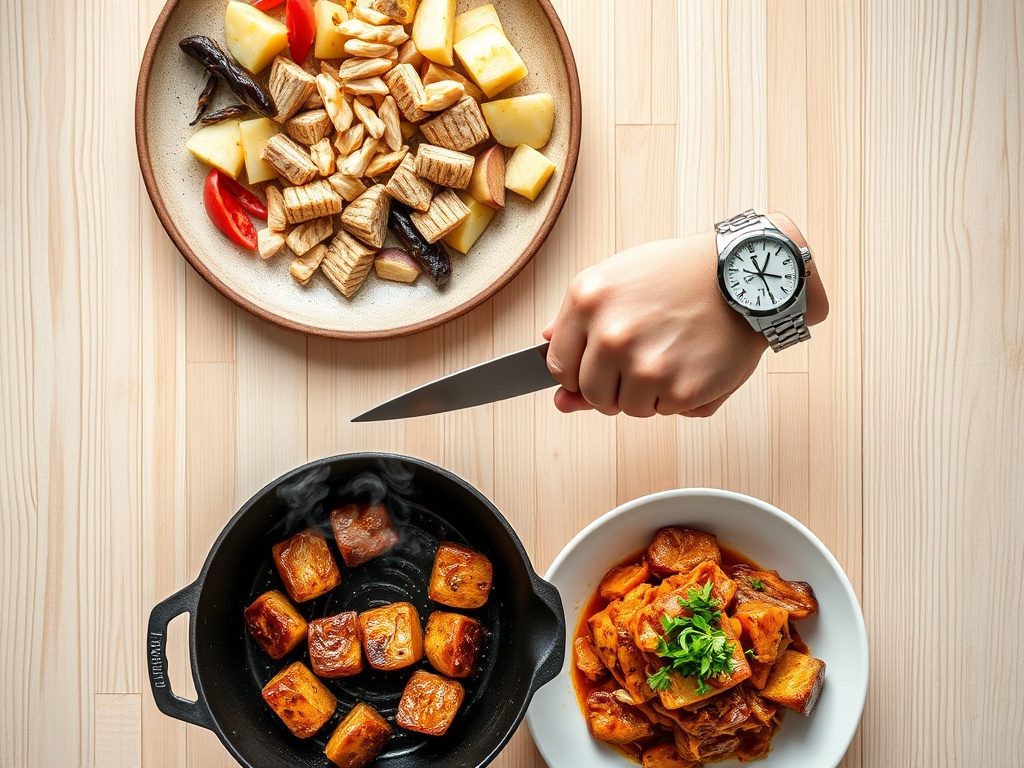
Cut your potatoes into uniform cubes and boil them in alkaline water (add a pinch of baking soda) until the edges are frayed. Drain and shake them vigorously in the pot to create a starchy slurry on the surface. Roast in a preheated tray of shimmering fat at 425 degrees Fahrenheit.
Pro Tip: The baking soda breaks down the pectin on the potato surface. This creates more surface area for the Maillard reaction, resulting in a thicker, crunchier crust that stays crisp longer.
2. The Silk-Road Puree
Boil peeled Yukon Golds until tender, then pass them through a food mill or ricer. Never use a blender; it shears the starch molecules and creates a gluey mess. Incorporate cold, cubed butter and warm cream using a saucier and a whisk.
Pro Tip: This is an emulsification process. By adding cold butter to hot potatoes, you prevent the fat from separating, resulting in a stable, velvet-like texture.
3. Garlic Herb Smashed Potatoes
Par-boil baby potatoes, then use a heavy glass or a meat mallet to flatten them. Drizzle with oil and roast until the "pancaked" edges are translucent and dark brown.
Pro Tip: Flattening the potato increases the contact points with the roasting pan. This maximizes conductive heat transfer, turning the skin into a savory cracker.
4. The Classic Gratin Dauphinois
Thinly slice potatoes using a mandoline for absolute uniformity. Layer them in a buttered dish with a mixture of cream, garlic, and nutmeg. Bake until the cream has reduced into a thick, piquant sauce.
Pro Tip: Do not rinse the sliced potatoes. You need that surface starch to act as a natural thickener for the cream, creating a cohesive internal structure.
5. Duck Fat Fries
Cut Russets into batons and soak in cold water to remove excess surface sugars. Double-fry them: once at a lower temperature to cook the interior, and a second time at high heat to achieve a golden exterior.
Pro Tip: The first fry handles starch gelatinization, while the second fry focuses on dehydration and browning. This ensures a fluffy interior and a rigid exterior.
6. Pommes Fondant
Cut potatoes into cylinders using a circular cutter. Sear the ends in a heavy-bottomed skillet until dark brown, then add butter and chicken stock halfway up the sides. Finish in the oven.
Pro Tip: This method uses braising logic. The bottom sears via conduction, while the top steams, allowing the potato to absorb the flavorful liquid like a sponge.
7. Loaded Hasselback Potatoes
Slice the potato nearly all the way through at 1/8 inch intervals. Brush with herb butter and bake. The slices will fan out, allowing heat to penetrate every layer.
Pro Tip: This increases the surface area exposed to convective heat, essentially turning one potato into a series of interconnected chips with a soft base.
The Deep Dive
From a macro perspective, potatoes are a powerhouse of potassium and complex carbohydrates. While the fats we add make them indulgent, the potatoes themselves provide essential fuel. For a Vegan swap, use coconut cream and nutritional yeast in your gratin. For Keto diners, swap potatoes for roasted cauliflower or radishes, which lose their peppery bite and mimic a potato's texture when roasted.
The Fix-It:
- Gluey Mash: You over-worked the starch. Fix it by spreading it in a dish, topping with cheese, and turning it into a "shepherd's pie" style topping; the oven heat will help set the texture.
- Burned Garlic: If your garlic bits turn black in the pan, they will taste bitter. Strain the oil and restart with fresh aromatics to avoid ruining the batch.
- Underdone Centers: If the outside is brown but the inside is hard, cover the pan with foil and drop the heat. This traps steam to finish the interior without further browning.
Meal Prep: To reheat, avoid the microwave. Use an air fryer or a 375-degree oven to move moisture away from the surface. This restores the crystalline structure of the crust for day-one quality.
The Wrap-Up
Mastering the best potato recipes for steak is about understanding the marriage of heat and starch. Whether you choose the crunch of a roast or the decadence of a gratin, your goal is to provide a textural counterpoint to the tender beef. Use your tools, trust the science of the Maillard reaction, and do not be afraid of salt. Your steak dinner is about to reach legendary status.
The Kitchen Table
Which potato is best for roasting?
Russets or Maris Pipers are ideal. Their high starch content creates a floury surface when boiled, which dehydrates into a perfectly crisp, glass-like crust during the roasting process in hot fat.
Why are my mashed potatoes gummy?
Gummy potatoes result from over-processing, which ruptures the starch granules. Use a ricer or food mill instead of a food processor to keep the starch molecules intact for a light, fluffy texture.
Can I prep potatoes in advance?
Yes. Peel and cut them, then submerge them completely in cold water in the refrigerator for up to 24 hours. This prevents enzymatic browning and actually removes excess surface starch for crispier fries.
How do I get the crispiest edges?
Increase the surface area. Use a bench scraper to rough up the edges of boiled potatoes before roasting. The more "fuzz" on the potato, the more sites there are for the oil to crisp.