
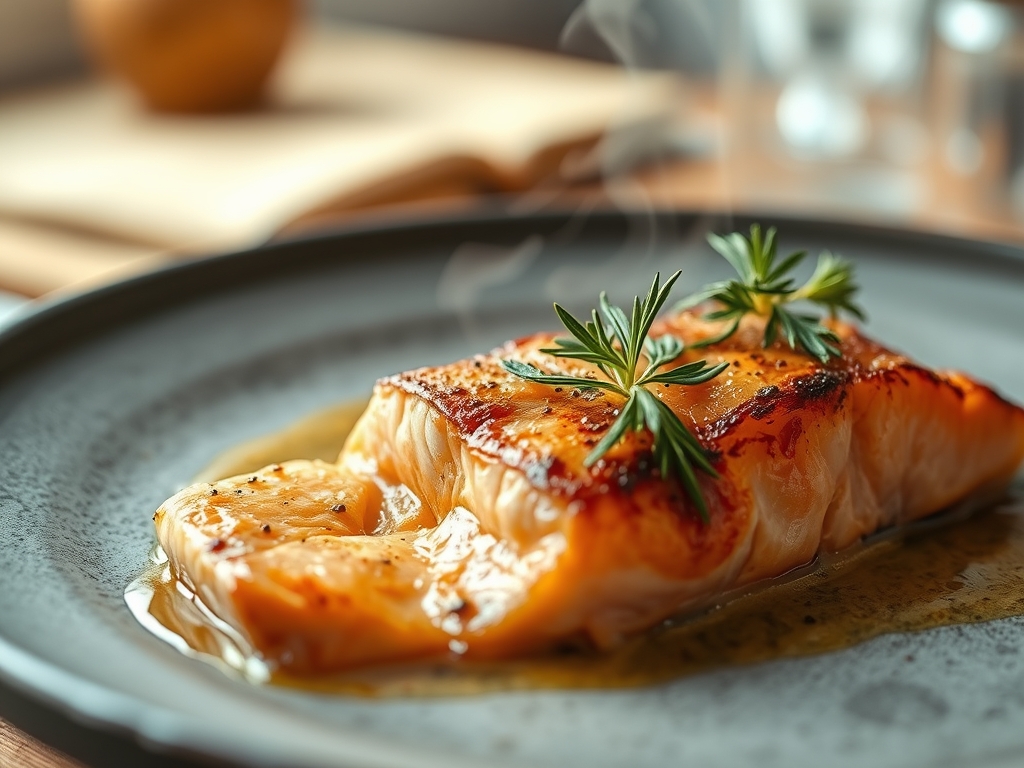
Imagine the sizzle of cold skin hitting a hot, heavy-bottomed skillet while the scent of fresh dill and lemon zest fills your kitchen. Finding the perfect salmon recipes for passover is about more than just following dietary laws; it is about mastering the art of the perfect sear and the delicate flake. We are trading the leavened crumbs for sophisticated, high-density flavor profiles that elevate the Seder table to a gourmet experience.
Salmon is the ultimate canvas for Passover because its high fat content, specifically those glorious omega-3 fatty acids, provides a safety net against the dry heat of a busy oven. Whether you are aiming for a silky slow-poach or a crusty pan-fry, the goal is to respect the protein structure. We want to avoid the dreaded albumin bleed, those white protein streaks that appear when heat is applied too aggressively. Instead, we are aiming for a translucent, buttery center and a piquant finish that cuts through the richness of the fish.
In this guide, I am walking you through eight distinct ways to prepare this noble fish. We will explore everything from a horseradish-encrusted fillet that pays homage to the Maror to a citrus-infused side of salmon that feeds a crowd with effortless elegance. Grab your favorite apron and let's get technical.
The Gathers:
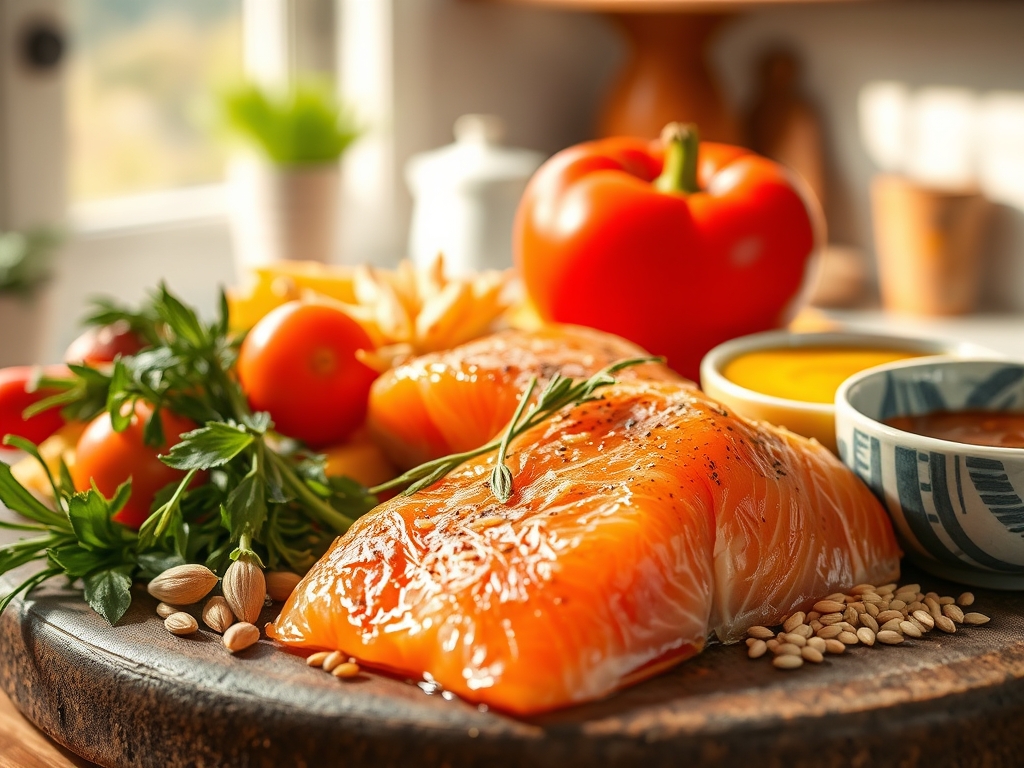
Mise-en-place is your best friend when the house is full of guests. To execute these salmon recipes for passover, you need to assemble high-quality fats and aromatics that can stand up to high heat. Start with center-cut Atlantic or King salmon; these varieties offer the highest intramuscular fat, which ensures a moist result even if your timer goes off a minute late.
You will need a microplane for zesting lemons and grating fresh horseradish root. For the fats, reach for extra virgin olive oil or avocado oil, as both have high smoke points and provide a viscous mouthfeel. Instead of traditional flour, we utilize finely ground almond meal or walnut flour to create a Maillard-friendly crust.
Smart Substitutions:
If you are avoiding nuts, use crushed matzo meal for texture. For a keto-friendly approach, swap honey for a splash of dry white wine to deglaze your pan. If you find your sauce is too thin, do not reach for cornstarch; instead, use a saucier to reduce the liquid by half, concentrating the natural sugars and proteins until they reach a nappé consistency that coats the back of a spoon.
The Clock
Efficiency in the kitchen is all about the Chef's Flow. This concept involves grouping tasks by temperature and tool usage to minimize cleanup and maximize heat retention. Total prep time for these eight variations averages 20 minutes, while cook times range from 12 to 18 minutes depending on the thickness of the fillet.
The "Flow" dictates that you should season your fish at least 10 minutes before it hits the heat. This allows for osmotic pressure to draw seasoning into the flesh rather than just sitting on the surface. While the fish rests, you prep your cold garnishes. By the time your skillet or roasting pan is at the optimal temperature, your workstation is clear, and you can focus entirely on the thermal transition of the protein.
The Masterclass
1. The Sear and Seal
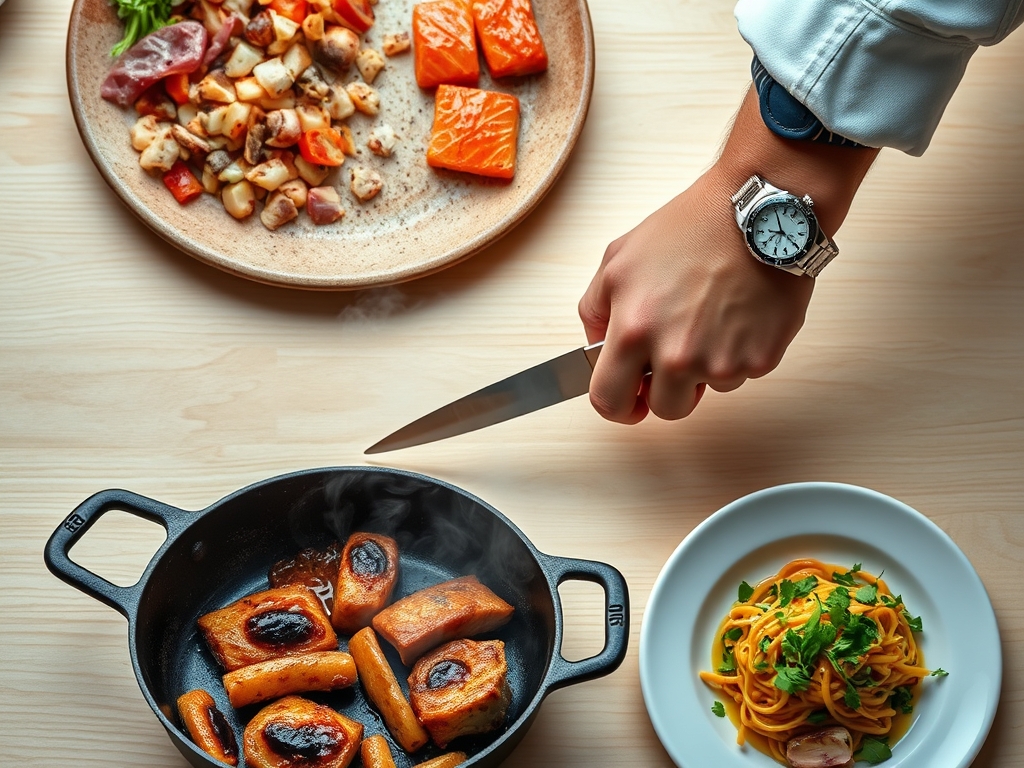
Place your salmon skin-side down in a preheated heavy-bottomed skillet. Use a flexible fish spatula to press the fillet down for the first 30 seconds. This prevents the skin from curling as the collagen fibers contract.
Pro Tip: This technique utilizes the Leidenfrost effect, where a layer of vapor prevents the fish from sticking to the metal. Do not attempt to flip the fish until it releases naturally from the pan.
2. The Horseradish Infusion
Apply a thick layer of grated horseradish mixed with a bit of mayonnaise or oil to the top of the fillet. This creates a protective thermal barrier that steams the fish from the top down while the bottom roasts.
Pro Tip: The heat-stable compounds in horseradish undergo a chemical shift when baked, mellowing the sharp "nasal hit" into a complex, savory sweetness through enzymatic browning.
3. The Citrus Slow-Roast
Arrange thin slices of blood orange and lemon on a parchment-lined sheet pan. Place the salmon on top and roast at a low temperature of 275 degrees Fahrenheit.
Pro Tip: Low-temperature roasting prevents the muscle fibers from contracting too quickly. This minimizes the expulsion of moisture, resulting in a texture that is closer to butter than traditional cooked fish.
4. The Nut-Crusted Crunch
Dredge the top of the salmon in a mixture of ground walnuts and smoked paprika. Press firmly to ensure the oils in the nuts help the crust adhere to the protein.
Pro Tip: Nuts contain high levels of natural oils that render during the cooking process. This creates a self-basting mechanism that keeps the top of the salmon incredibly juicy.
5. The Herb-Oil Poach
Submerge the salmon in a shallow bath of olive oil infused with rosemary and garlic. Keep the oil between 120 and 130 degrees Fahrenheit.
Pro Tip: This is a form of confit cooking. By surrounding the fish with fat, you prevent any water evaporation, ensuring 100 percent moisture retention.
6. The Matzo-Crusted Schnitzel Style
Coat small salmon medallions in a wash of egg and fine matzo meal. Pan-fry in a shallow layer of oil until golden.
Pro Tip: The starch in the matzo meal undergoes gelatinization when it hits the hot oil, creating a crisp shell that seals in the natural juices of the fish.
7. The Balsamic Glaze Reduction
In a small saucier, reduce balsamic vinegar with a touch of honey until it becomes a thick syrup. Brush this over the salmon during the last three minutes of cooking.
Pro Tip: Adding the glaze late prevents the sugars from burning. The residual heat will cause the glaze to caramelize without becoming bitter.
8. The Parchment Paper "En Papillote"
Fold the salmon into a parchment paper pouch with sliced leeks and white wine. Bake at high heat for 10 minutes.
Pro Tip: This method uses steam conduction. The trapped vapor creates a high-pressure environment that cooks the fish evenly from all sides simultaneously.
The Deep Dive
From a nutritional standpoint, these salmon recipes for passover are powerhouses. A standard 6-ounce serving provides roughly 34 grams of high-quality protein and is rich in Vitamin B12. For those following Keto or Paleo lifestyles, salmon is naturally compliant; just ensure your "matzo" substitutions are nut-based.
The Fix-It:
- White Stuff Appearing: This is albumin. Fix it by lowering your oven temperature by 25 degrees or brining the fish in salt water for 10 minutes before cooking.
- Soggy Skin: The skin was likely wet when it hit the pan. Fix it by patting the fish bone-dry with paper towels and using a bench scraper to clear any moisture from your cutting board.
- Uneven Cooking: The tail is thinner than the center. Fix it by tucking the thin tail underneath the fillet to create a uniform thickness.
Meal Prep Science: To reheat salmon without it becoming "fishy," avoid the microwave. Use a low-heat oven (250 degrees) with a splash of water in the pan. This creates a humid environment that gently re-hydrates the protein fibers.
The Wrap-Up
Mastering salmon recipes for passover is a brilliant way to bring modern culinary technique to your holiday traditions. By understanding the science of heat transfer and the chemistry of your ingredients, you can serve a dish that is as sophisticated as it is meaningful. Remember to trust your digital scale for precision and your senses for the final flourish. Your guests will taste the difference that a little technical knowledge makes.
The Kitchen Table
Can I use frozen salmon for these recipes?
Yes, but defrost it slowly in the refrigerator for 24 hours. This prevents cell wall rupture, which leads to a mushy texture. Pat the fillets extremely dry before seasoning to ensure a proper sear.
How do I know when the salmon is perfectly cooked?
Use a digital thermometer to check for an internal temperature of 125 degrees Fahrenheit for medium-rare. The temperature will rise to 130 degrees through thermal carryover while the fish rests.
Why does my salmon smell "fishy" after one day?
This is caused by the oxidation of fats. To prevent this, store leftover salmon in an airtight container with a slice of lemon. The citric acid acts as an antioxidant, preserving the clean flavor.
What is the best way to get crispy skin?
Start with a cold pan and a thin layer of oil. Place the fish skin-side down and then turn on the heat. This allows the fat to render slowly, resulting in a glass-like crunch.