
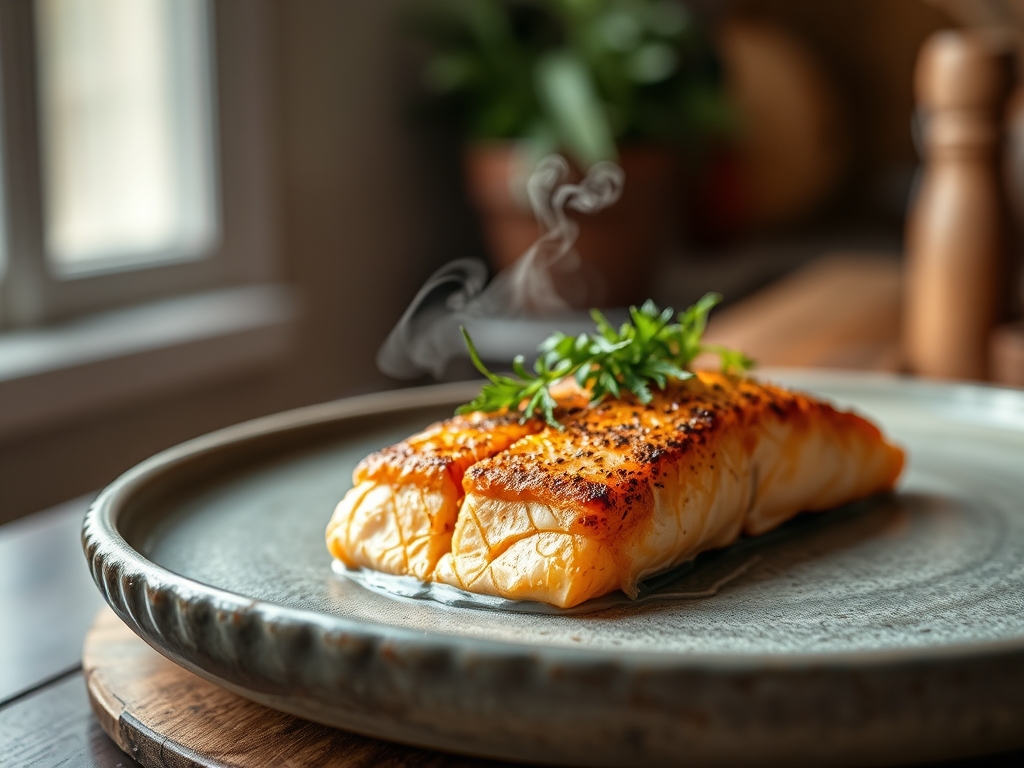
Picture the scene where a heavy-bottomed skillet meets a cold-pressed oil; the sound is a rhythmic sizzle that signals the start of something transformative. We are moving beyond the bland, overcooked fillets of the past to embrace the best healthy salmon recipes that actually taste like a five-star bistro meal. It is about the chemistry of the sear and the delicate balance of fats.
When you master the art of the perfect fillet, dinner becomes less of a chore and more of a sensory experience. We are looking for that elusive combination of a shatteringly crisp skin and a center that remains translucent and buttery. Achieving this requires more than just heat; it requires an understanding of protein coagulation and moisture retention. You do not need a culinary degree to pull this off, but you do need to know the secrets that professional stylists use to make every plate look like a masterpiece. By the time we finish, you will have a repertoire of techniques that turn a simple piece of fish into a nutritional powerhouse that satisfies your deepest cravings for texture and flavor.
The Gathers:
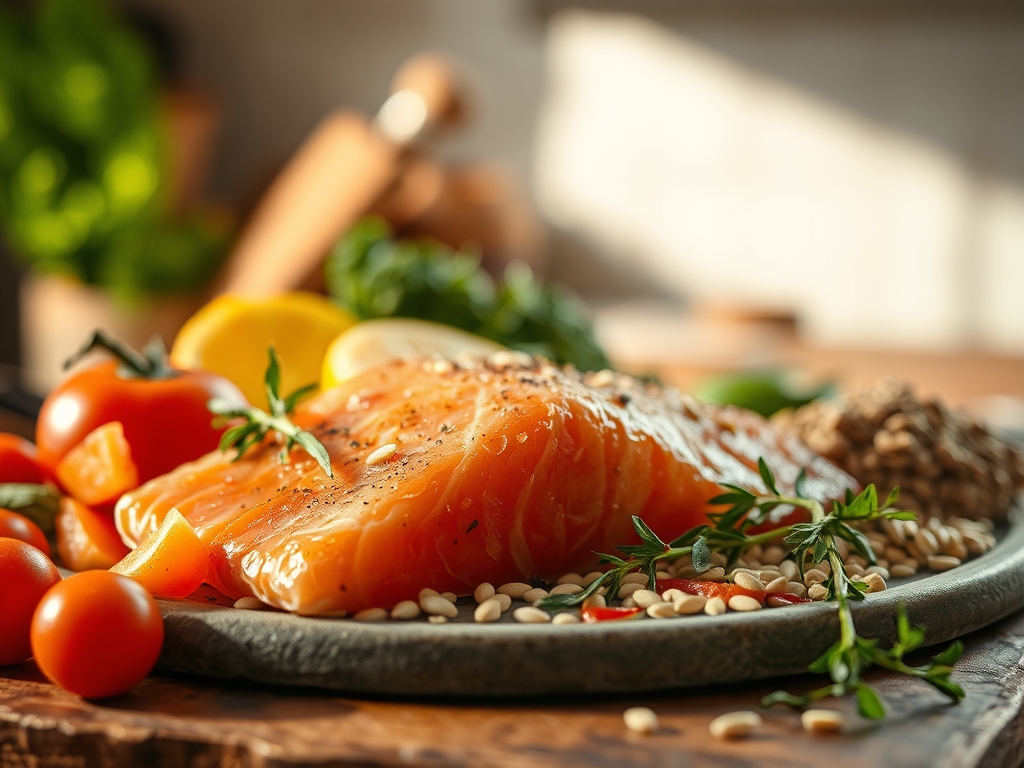
Every successful dish begins with a disciplined mise-en-place. For our best healthy salmon recipes, we start with high-quality Atlantic or Sockeye fillets, ideally around six ounces each to ensure even heat distribution. You will need a viscous binder like Dijon mustard or a light coating of avocado oil; this acts as a conduit for heat and flavor. Gather your aromatics: fresh dill, flat-leaf parsley, and a piquant element like capers or lemon zest.
The science of flavor relies on contrast. Use a microplane to grate fresh garlic and ginger into a fine paste, which allows the volatile oils to infuse the fish more deeply than rough chopping ever could. For the seasoning, a digital scale ensures precision, but a generous pinch of flaky sea salt is essential for drawing out surface moisture.
Smart Substitutions: If you are avoiding nightshades, swap paprika for ground sumac to maintain that vibrant red hue and acidic punch. Instead of butter, use a high-quality ghee or a refined coconut oil to achieve a high smoke point without the risk of burning milk solids.
The Clock:
The "Chef's Flow" is all about timing and temperature management. Expect a total active time of fifteen minutes, with a cook time that rarely exceeds ten. The secret is the "Resting Phase." Just as a steak needs time for its juices to redistribute, salmon requires a three-minute rest off the heat to allow for thermal carryover.
Start your timer the moment the fish hits the pan. Spend the first six minutes on the skin side to render the subcutaneous fat. The final two to three minutes are for the flip and the finish. If you are prepping sides, use a saucier to whisk together a light lemon-tahini dressing while the fish rests. This ensures every component hits the table at the optimal temperature.
The Masterclass:
1. The Surface Prep
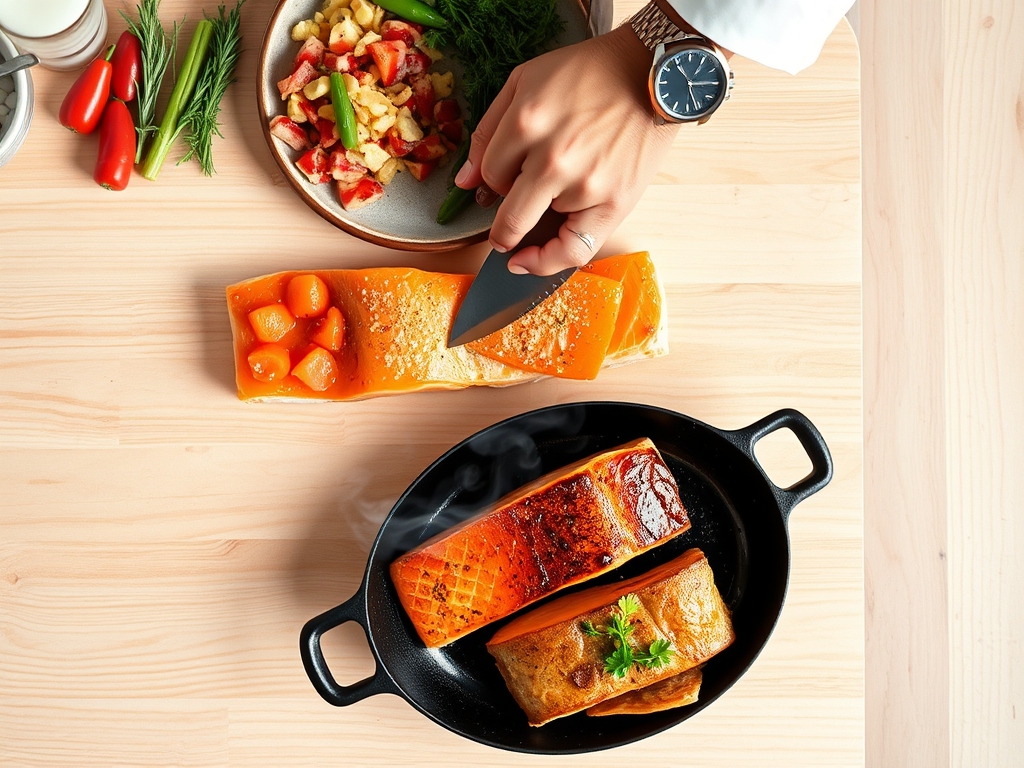
Dry the skin with a paper towel until it is bone-dry. Any residual moisture will create steam, which is the enemy of a crisp crust. Use a bench scraper to move your fillets from the cutting board to the pan without tearing the delicate flesh.
Pro Tip: This prevents the Leidenfrost effect from trapping steam under the fish, ensuring the Maillard reaction occurs immediately upon contact with the hot surface.
2. The Cold Pan Start
Place the salmon skin-side down in a cold, heavy-bottomed skillet before turning the heat to medium-high. This allows the fat to render slowly as the pan heats up, leading to a much crispier result than dropping cold fish into a screaming hot pan.
Pro Tip: Slow rendering prevents the protein fibers from contracting too quickly, which often squeezes out the "white stuff" known as albumin.
3. The Weight Technique
Once the pan is hot, use a heavy spatula or tongs to press down firmly on the fillets for thirty seconds. Salmon tends to curl as the skin tightens; pressing it flat ensures maximum surface contact.
Pro Tip: Constant contact facilitates efficient heat transfer through conduction, resulting in a uniform golden-brown texture across the entire fillet.
4. The Aromatics Infusion
In the final two minutes of cooking, add a knob of ghee and your smashed garlic cloves to the pan. Tilt the skillet and use a large spoon to aerate and baste the hot fat over the top of the fish.
Pro Tip: This technique, known as arroser, uses the hot fat to cook the top of the fish gently while adding a layer of complex, toasted flavor through fat-soluble compounds.
5. The Internal Check
Remove the fish from the heat when a digital thermometer reads 125 degrees Fahrenheit. The temperature will rise to a perfect 130 or 135 degrees as it rests on the plate.
Pro Tip: Thermal carryover continues to cook the center of the fish even after it leaves the pan; pulling it early prevents the dry, chalky texture of overcooked protein.
6. The Acid Finish
Always finish with a bright squeeze of lemon or a splash of white wine to deglaze the pan juices and create a light pan sauce.
Pro Tip: Acid cuts through the heavy lipids of the salmon, balancing the palate and highlighting the subtle sweetness of the fresh fish.
The Deep Dive:
From a macro perspective, salmon is a nutritional titan. A single serving provides roughly 35 grams of high-quality protein and is rich in Omega-3 fatty acids, which are essential for brain health. For those following a Keto lifestyle, this dish is naturally low-carb. To make it Vegan, you can apply these same searing techniques to thick slabs of marinated tofu or "salmon" made from pressed watermelon, though the fat rendering will differ.
The Fix-It:
- Fish Sticking: Your pan was not clean or you tried to flip too early. Wait for the protein to naturally release from the metal.
- Soggy Skin: You likely crowded the pan. Cook in batches to allow steam to escape.
- White Ooze (Albumin): You cooked it too fast at a high temperature. Lower the heat to keep the moisture inside the cells.
Meal Prep: To reheat without losing quality, avoid the microwave. Use a low oven (275 degrees) with a splash of water and a tight foil lid. This creates a gentle steam environment that rehydrates the fats without toughening the proteins.
The Wrap-Up:
Bringing the best healthy salmon recipes into your kitchen is about more than just food; it is about the confidence that comes with technical mastery. You now have the tools to turn a simple grocery haul into a sophisticated dining experience. Remember to focus on the moisture, respect the rest time, and never underestimate the power of a good sear. Your dinner table is about to get a major upgrade.
The Kitchen Table:
How do I know when the salmon is done?
The fish is ready when it reaches an internal temperature of 125 to 130 degrees Fahrenheit. The flesh should be opaque on the outside but still slightly translucent and flaky in the very center when pressed gently with a fork.
Can I use frozen salmon for these recipes?
Yes, but you must thaw it completely in the refrigerator and pat it extremely dry. Frozen fish often contains more moisture, so extra care is needed during the drying phase to ensure the skin becomes crispy rather than rubbery.
What is the best pan for searing salmon?
A heavy-bottomed stainless steel or cast-iron skillet is best. These materials retain heat efficiently and provide the consistent surface temperature necessary for a professional-grade sear and even rendering of the subcutaneous fats during the cooking process.
Why does my salmon have white stuff on it?
That white substance is albumin, a liquid protein that pushes out when the muscle fibers contract too quickly. To minimize this, cook the fish at a lower temperature and avoid overcooking, which forces the protein to the surface.