
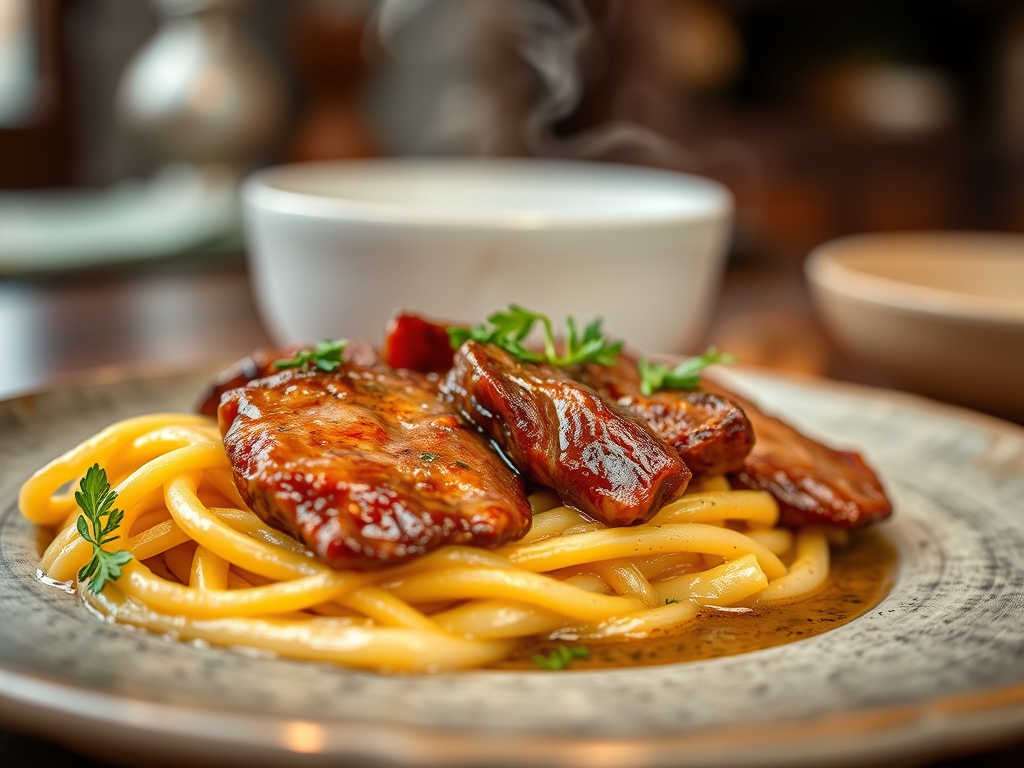
Close your eyes and listen for that distinct, rhythmic sizzle. It is the sound of moisture evaporating as cold protein meets a shimmering, heavy-bottomed skillet. When we talk about butter beef recipes, we are not just discussing dinner; we are discussing a chemical romance between milk solids and muscle fibers. There is a specific magic that happens when high-quality butter begins to foam, its water content boiling away to leave behind pure fat and proteins that toast into a nutty, golden perfume. This scent is the hallmark of the Maillard reaction, a complex dance of amino acids and reducing sugars that creates hundreds of flavor compounds. We are going beyond the basic sear today to explore how fat acts as a flavor carrier, ensuring that every bite of beef is wrapped in a velvety, decadent embrace.
The Gathers:
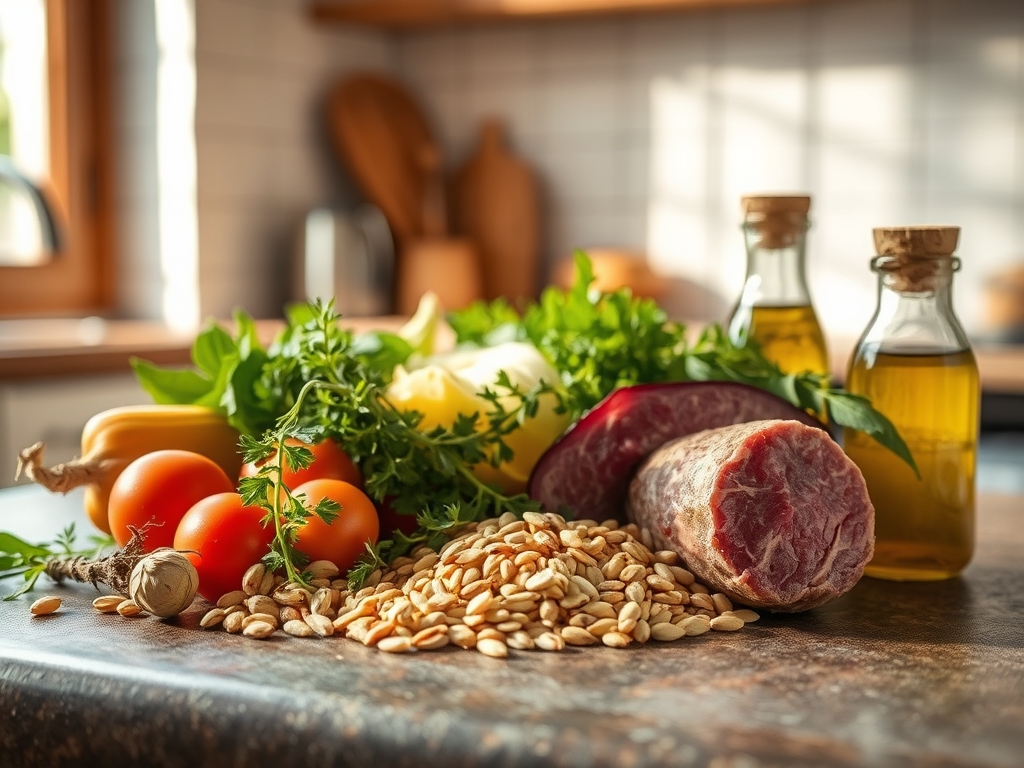
To execute these butter beef recipes with precision, your mise-en-place must be flawless. Start with your protein. Whether you are using a lean tenderloin or a marbled ribeye, the beef must be tempered at room temperature for at least forty-five minutes. Cold meat shocks the pan, dropping the temperature and causing the beef to steam rather than sear. You will need unsalted European-style butter; it has a higher butterfat content and lower water percentage than standard grocery brands, which provides a more viscous mouthfeel.
Grab your microplane for zesting aromatics and a digital scale to ensure your herb-to-fat ratios are exact. You will also need coarse kosher salt, which has a jagged crystal structure that clings to the meat better than fine table salt. For aromatics, gather fresh thyme, rosemary, and smashed garlic cloves. The "Smart Substitutions" are simple: if you are avoiding dairy, a high-quality ghee offers the same high smoke point and nutty profile without the lactose. If you lack a specific cut of beef, look for "flat iron" or "chuck eye" steaks; these are affordable gems with excellent intramuscular fat that respond beautifully to butter basting.
The Clock
Efficiency in the kitchen is about "Chef's Flow," the art of overlapping tasks so no heat is wasted. For these butter beef recipes, expect a fifteen-minute prep window and a twelve-minute active cook time. The flow looks like this: temper the meat, prepare the compound butters, sear the protein, and finally, allow for a mandatory ten-minute rest. This rest period is non-negotiable. It allows the muscle fibers to relax and reabsorb the juices that were pushed to the center during the intense heat of the cook. If you cut too soon, the flavor literally runs off the board.
The Masterclass
1. The Surface Preparation
Pat the beef dry with paper towels until the surface is bone-dry. Any residual moisture will create a barrier of steam, preventing that crust we crave. Season aggressively with salt from a height to ensure even distribution.
Pro Tip: This is the science of surface evaporation. By removing external water, you allow the surface temperature to rise rapidly above 285 degrees Fahrenheit, which is the threshold for the Maillard reaction to begin.
2. The Initial Sear
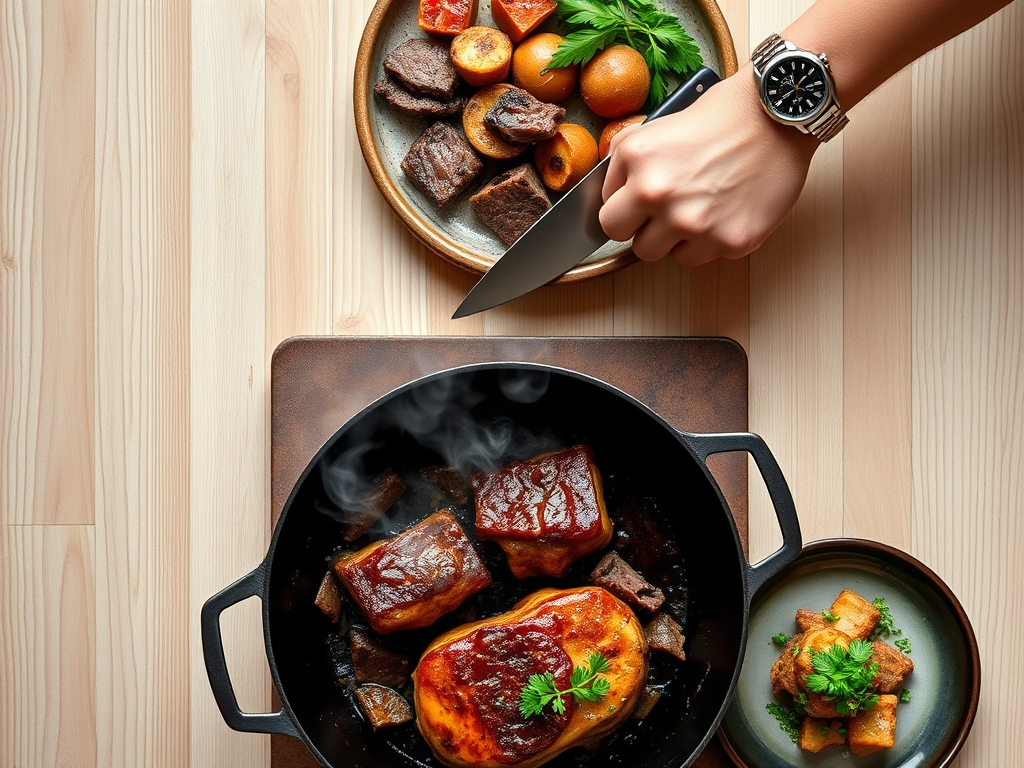
Heat your heavy-bottomed skillet until it is wispy with smoke. Add a high-smoke-point oil first, like grapeseed, and lay the beef away from you to avoid splashes. Use tongs to press the meat down, ensuring maximum surface contact.
Pro Tip: Use the "Sizzle Test." If the meat does not immediately scream when it hits the pan, it is not hot enough. This initial high-heat contact creates a hydrophobic barrier that helps retain internal moisture.
3. The Butter Drop and Arrosage
Once the beef is flipped, drop in three tablespoons of butter, your garlic, and herbs. As the butter foams, tilt the pan so the fat pools at the bottom. Use a large spoon to continuously bathe the beef in the hot, flavored fat. This technique is called arrosage.
Pro Tip: The butter acts as a thermal bridge. It fills the microscopic gaps between the pan and the meat, transferring heat more efficiently than air and infusing the beef with fat-soluble flavor compounds from the herbs.
4. The Deglaze and Emulsification
Remove the beef to a warm plate. While the pan is still hot, use a saucier or your skillet to add a splash of beef stock or dry red wine. Use a bench scraper or whisk to lift the "fond," those delicious brown bits stuck to the bottom.
Pro Tip: This process uses solvent extraction. The liquid dissolves the caramelized proteins, creating a concentrated base. Whisking in a final cold knob of butter at the end creates a stable emulsion, giving your sauce a glossy, professional finish.
The Deep Dive
When analyzing the macro nutrition of butter beef recipes, we are looking at a high-protein, high-fat profile. A standard six-ounce serving provides roughly 42 grams of protein and 34 grams of fat. To make this Keto-friendly, simply serve alongside roasted low-carb vegetables like asparagus. For a Vegan twist, use a "bleeding" plant-based steak and a cultured cashew butter; the science of the sear remains remarkably similar.
If you run into trouble, let's look at "The Fix-It." If your butter burns and turns black, your heat was too high; wipe the pan and start the butter phase over with a fresh splash of oil to stabilize the fat. If the meat is grey and tough, you likely overcrowded the pan, causing the temperature to plummet. For meal prep, never reheat beef in the microwave. Instead, use a low-temperature oven (250 degrees) to gently warm the meat until it reaches 110 degrees internally. This prevents the proteins from tightening further and becoming rubbery.
The Wrap-Up
Mastering butter beef recipes is a gateway to culinary confidence. It teaches you to trust your senses; the smell of toasting butter, the sight of a mahogany crust, and the feel of a perfectly rested steak. You are no longer just following a set of instructions; you are manipulating heat and fat to create something truly extraordinary. Go forth, grab your favorite skillet, and turn a simple piece of protein into a masterpiece that would make any professional chef nod in approval.
The Kitchen Table
Can I use salted butter for these recipes?
Yes, but you must reduce the amount of kosher salt used during the initial seasoning phase. Salted butter varies in sodium content by brand, so using unsalted butter allows for more precise control over the final flavor profile of the dish.
What is the best cut of beef for butter basting?
Ribeye is the gold standard due to its high intramuscular fat. However, leaner cuts like filet mignon or strip steak benefit most from the added moisture and richness that the butter basting technique provides during the final stages of cooking.
How do I prevent the garlic from burning in the pan?
Add the garlic only during the last three minutes of cooking when you add the butter. Keep the garlic cloves whole and smashed rather than minced; this allows the oils to infuse the fat without the small bits carbonizing and becoming bitter.
Why does my butter stop foaming after a minute?
Foaming occurs when the water in the butter evaporates. Once the foam subsides, you have reached the "brown butter" stage. If it stops sizzling entirely, your pan temperature has dropped too low to continue the dehydration process of the milk solids.