
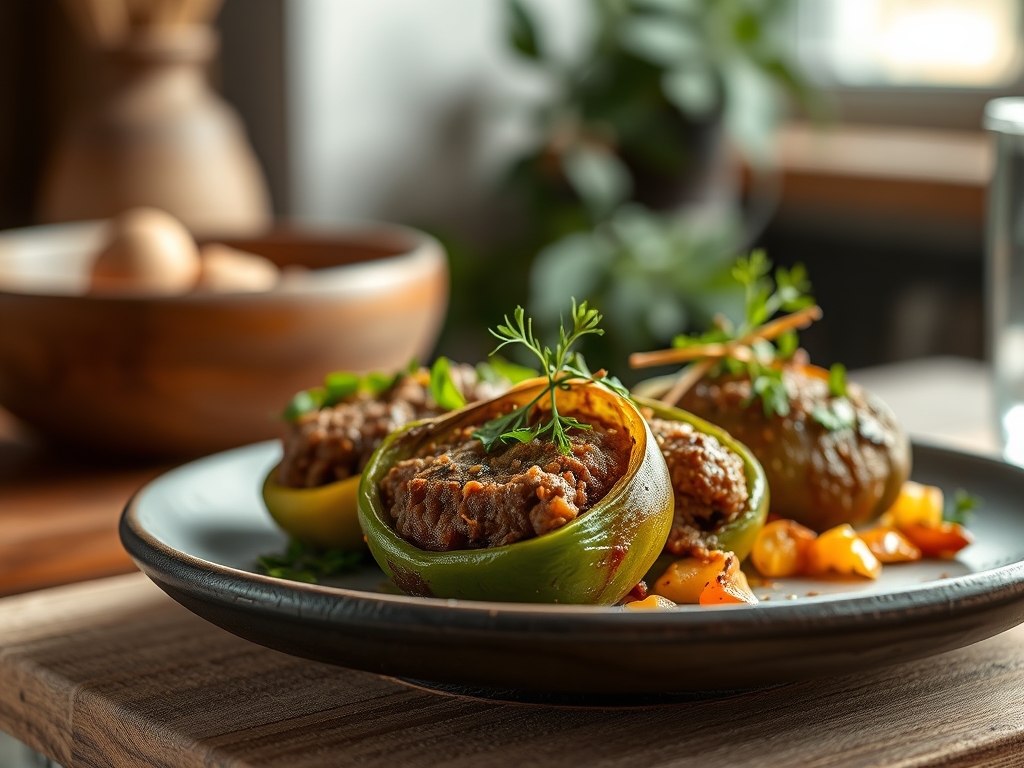
Imagine a kitchen filled with the heady, savory aroma of caramelizing proteins and the bright, vegetal snap of garden-fresh produce. When you master stuffed vegetable ground beef recipes, you are not just making dinner; you are conducting a symphony of textures where the vegetable acts as a natural, edible vessel for rich, seasoned juices.
There is something inherently sophisticated about a meal that comes in its own biodegradable bowl. Whether it is the earthy sweetness of a bell pepper or the buttery silkiness of a roasted zucchini, these dishes strike the perfect balance between comfort food and high-end culinary art. We are moving beyond the soggy, over-boiled versions of the past. Today, we are focusing on the Maillard reaction, moisture control, and the structural integrity of our botanical bases. By understanding the molecular behavior of fats and fibers, you will transform humble ground beef into a gourmet filling that stays moist without compromising the crunch of the vegetable exterior. Grab your favorite heavy-bottomed skillet and a sharp chef knife; we are about to elevate your weeknight rotation into a masterclass of flavor density and textural contrast.
The Gathers:
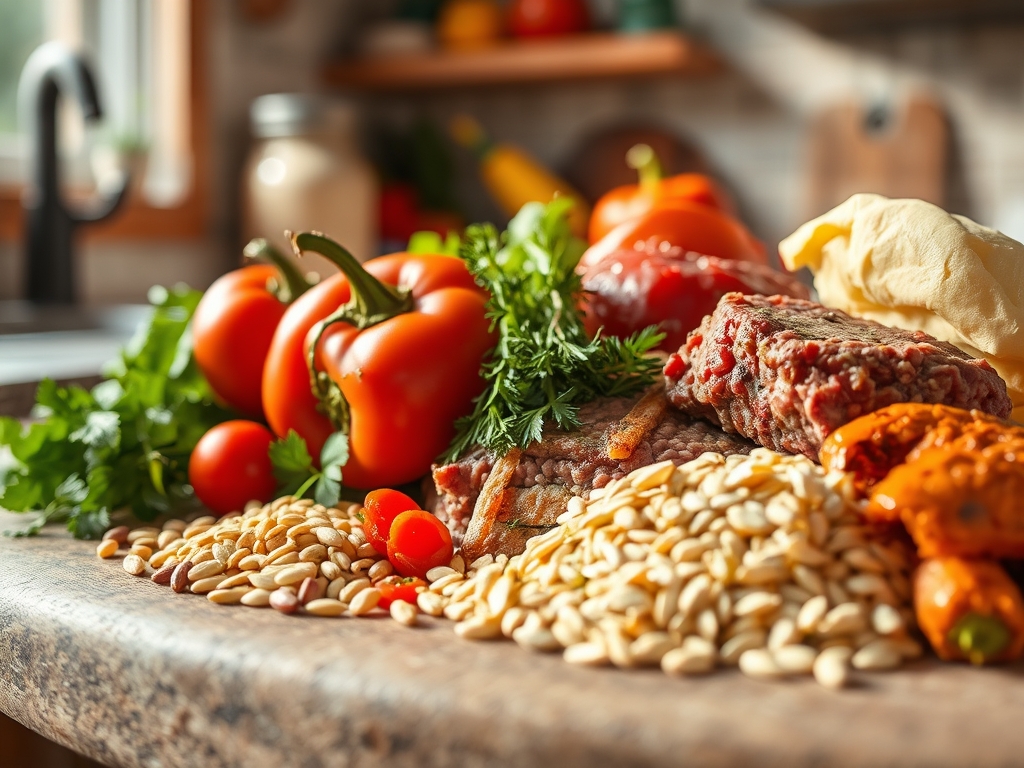
To achieve a five-star result, your mise-en-place must be precise. Start with high-quality ground beef, ideally an 80/20 blend. This ratio ensures enough fat to render during the cooking process, which creates a viscous mouthfeel and prevents the meat from becoming granular or dry. You will need a variety of "vessels" such as bell peppers, zucchini, large beefsteak tomatoes, portobello mushrooms, eggplants, and even blanched cabbage leaves.
For the aromatics, gather yellow onions, fresh garlic, and celery. Use a microplane to zest lemon or grate hard cheeses like Parmigiano-Reggiano for a piquant finish. Your pantry staples should include high-smoke-point oils, kosher salt, and cracked black pepper. To bind the filling, keep an egg and some panko breadcrumbs nearby; these act as a structural matrix to trap steam and fats.
Smart Substitutions:
If you want to lighten the caloric density, swap half the beef for finely minced mushrooms; this increases the umami profile while reducing total fat. For a Mediterranean twist, substitute the breadcrumbs with cooked quinoa or farro. If you are avoiding nightshades, focus on hollowed-out onions or squashes. Always ensure your spices are fresh; toasted cumin or smoked paprika can infuse the meat with a depth that pre-ground powders simply cannot match.
The Clock:
The secret to a stress-free kitchen is the "Chef's Flow." Total active preparation time is approximately 30 minutes, with a cook time ranging from 25 to 45 minutes depending on the density of the vegetable.
- The Prep (0-20 mins): While your oven preheats to 375 degrees Fahrenheit, use a bench scraper to organize your chopped aromatics. Hollow out your vegetables and season their interiors immediately to draw out excess moisture through osmosis.
- The Sear (20-30 mins): Brown the meat in a heavy-bottomed skillet. Do not overcrowd the pan; you want a hard sear to maximize flavor.
- The Roast (30-75 mins): This is passive time. The vegetables soften as the meat reaches its safe internal temperature.
- The Rest (5 mins): Essential for thermal carryover, allowing the juices to redistribute so they don't flood the plate upon the first bite.
The Masterclass:
1. Prepare the Edible Vessels
Wash and carve your vegetables to create a stable base. For peppers, slice the tops off; for zucchini, cut lengthwise and use a spoon to excavate the seeds.
Pro Tip: Sprinkle a pinch of salt inside the hollowed vegetables and let them sit for ten minutes. This triggers osmosis, drawing out excess water that would otherwise make your stuffing "soupy."
2. The Maillard Development
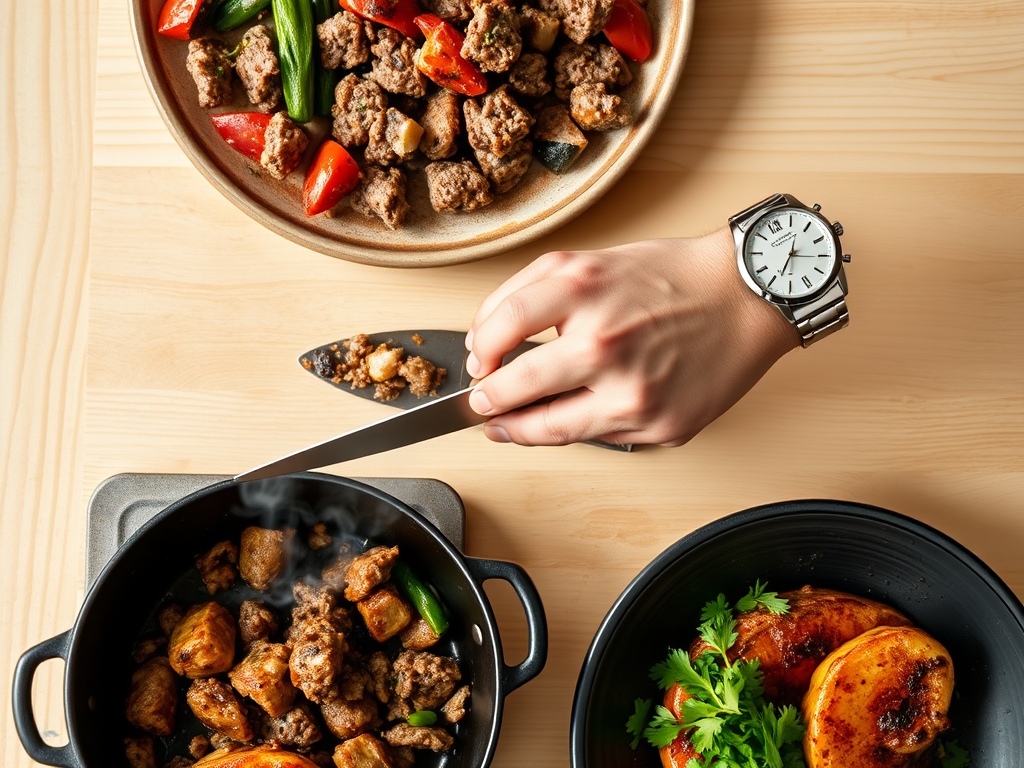
Heat your skillet until it wisps with smoke. Add the ground beef in a flat layer and leave it untouched for three minutes.
Pro Tip: This allows for the Maillard reaction, a chemical reaction between amino acids and reducing sugars that creates that distinct, savory "browned" flavor profile.
3. Sauté the Aromatics
Push the meat to the side and add your onions and garlic. Use a wooden spoon to deglaze the pan, scraping up the browned bits (the fond) which are concentrated flavor gold.
Pro Tip: Adding aromatics after the meat has rendered its fat allows the vegetables to confit in the beef tallow, creating a more cohesive flavor profile.
4. Construct the Matrix
In a large mixing bowl, combine the cooled meat mixture with your binder and herbs. Use a digital scale if you want perfectly uniform portions.
Pro Tip: Do not over-mix. Over-working the meat can cause the proteins to cross-link too tightly, resulting in a rubbery, dense texture instead of a tender crumble.
5. The Precision Fill
Stuff the vegetables firmly but do not pack them like a snowball. You need small air pockets to aerate the filling, allowing heat to circulate efficiently.
Pro Tip: Leave a small "mound" at the top. As the vegetable fibers soften and shrink in the oven, the filling will settle perfectly flush with the rim.
6. The Final Roast and Glaze
Place the vegetables in a baking dish with a splash of broth or wine at the bottom. Cover with foil for the first half of baking to steam the vegetable skins.
Pro Tip: Remove the foil for the last 10 minutes to allow for evaporative cooling on the surface, which crisps the cheese or breadcrumb topping.
The Deep Dive:
Macro Nutrition:
Stuffed vegetable ground beef recipes are a nutritional powerhouse. A standard serving (one large stuffed pepper) typically contains 25g of protein, 12g of healthy fats, and 8g of fiber. By choosing lean beef and fiber-rich vegetables, you create a high-satiety meal that stabilizes blood sugar.
Dietary Swaps:
- Vegan: Replace beef with a mix of lentils and walnuts; use a flax-egg as a binder.
- Keto: Eliminate breadcrumbs and use crushed pork rinds or extra parmesan.
- Gluten-Free: Ensure your Worcestershire sauce is certified GF and use almond meal instead of panko.
The Fix-It:
- Problem: The vegetable is mushy but the meat is dry. Fix: Pre-sear the meat but under-cook it slightly before stuffing; the oven will finish the job.
- Problem: The filling falls out. Fix: Increase your binder (egg or starch) to create a stronger emulsification.
- Problem: The dish is bland. Fix: Increase the acid. A squeeze of lemon or a dash of vinegar after roasting brightens the heavy fats.
Meal Prep Science:
To maintain "day-one" quality, store leftovers in airtight glass containers. When reheating, use a low oven (300F) rather than a microwave. Microwaves vibrate water molecules too violently, which can turn the vegetable walls into mush. A slow oven reheat preserves the structural integrity of the plant cell walls.
The Wrap-Up:
Mastering stuffed vegetable ground beef recipes is a rite of passage for any home cook looking to blend scientific precision with soulful flavors. It is about respecting the ingredients, from the way you render the fat to the way you season the vegetable "bowl." This technique is versatile, impressive, and incredibly satisfying. Now that you have the blueprints for the perfect stuffed feast, it is time to turn up the music, pour a glass of something crisp, and get cooking. Your kitchen is your laboratory; make it delicious!
The Kitchen Table:
How do I prevent my stuffed peppers from falling over?
Slice a tiny sliver off the bottom of the pepper to create a flat base. Be careful not to cut all the way through, or the savory juices will leak out during the roasting process.
Can I use raw ground beef in the vegetables?
While possible, it is not recommended. Pre-browning the beef ensures the Maillard reaction occurs and allows you to drain excess grease, preventing the vegetable from becoming unpleasantly oily or waterlogged.
What is the best way to reheat stuffed zucchini?
Use a toaster oven or a conventional oven at 325 degrees Fahrenheit. This dry heat helps maintain the zucchini's texture, whereas a microwave will cause the vegetable to collapse and release too much internal moisture.
Why is my meat filling tough?
You likely over-mixed the filling or used meat with too low a fat content. For the best texture, gently fold the ingredients together until just combined and aim for at least 15 to 20 percent fat.