
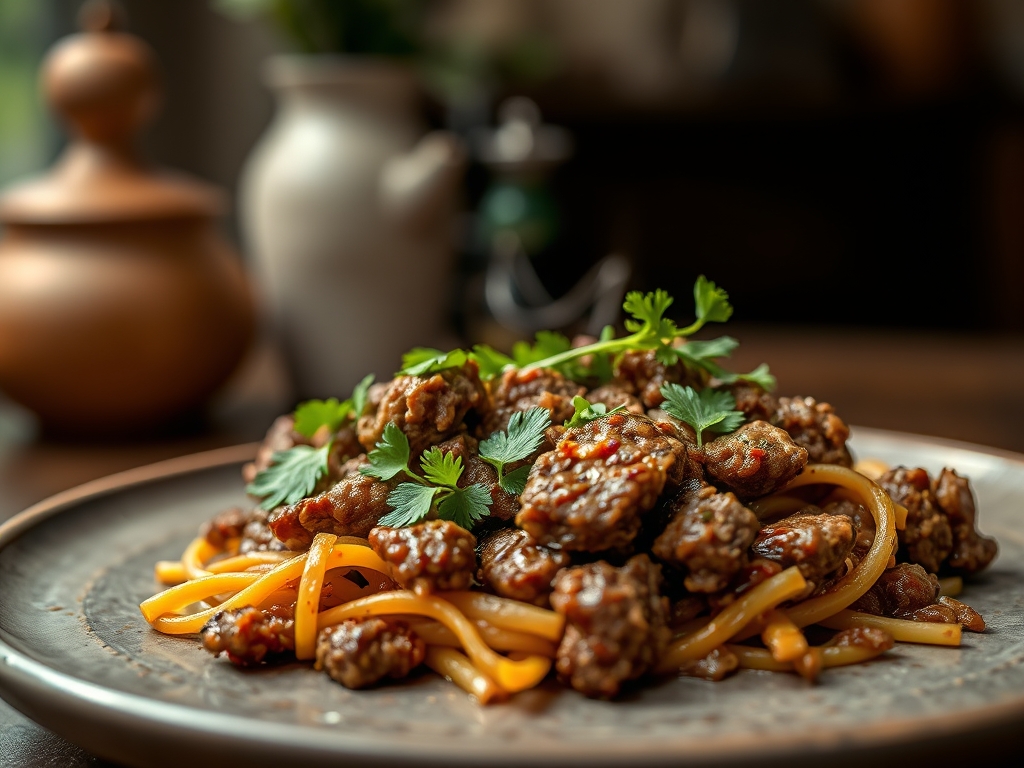
Close your eyes and imagine the scent of garlic, oregano, and cilantro hitting a shimmering pool of olive oil in a heavy-bottomed skillet. That fragrant plume is the soul of the island. If you are looking for the ultimate puerto rican ground beef recipes, you have stepped into the right kitchen. We are diving deep into the savory, piquant world of "picadillo" and its many transformations.
The secret to these dishes lies in the chemistry of the "sofrito," a base that turns humble ground meat into a complex masterpiece. Whether you are stuffing a crispy alcapurria or layering a sweet pastelon, the technique remains the same. We are not just browning meat; we are building layers of flavor through lipid-soluble aromatics and controlled moisture reduction. This is comfort food with a PhD in deliciousness. From the snap of a fried empanadilla to the soft comfort of arroz con carne, these seven traditional variations will redefine your weeknight rotation. Grab your apron and a cold drink; it is time to master the art of the Boricua kitchen.
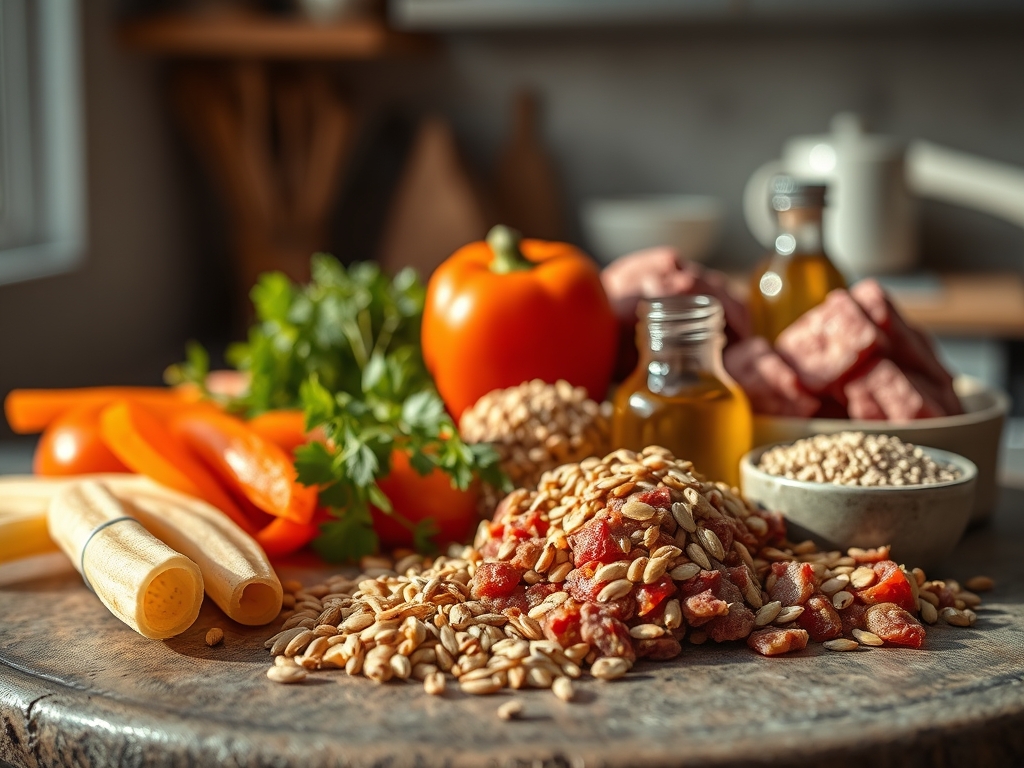
The Gathers:
To execute these puerto rican ground beef recipes with precision, your mise-en-place must be impeccable. We start with the beef. Aim for an 80/20 lean-to-fat ratio. This specific percentage ensures enough tallow to render and carry the fat-soluble compounds of the spices without making the final dish overly greasy.
Next, the aromatics. You will need a vibrant sofrito. If you are making it fresh, use a food processor to pulse culantro, ajices dulces (sweet peppers), onions, and garlic until they reach a viscous consistency. You will also need "alcaparrado," which is a briny mix of manzanilla olives and non-pareil capers. The acidity here is vital; it cuts through the richness of the beef fat.
Smart Substitutions:
If you cannot find ajices dulces, a combination of green bell pepper and a hint of cubanelle pepper works beautifully. For the culantro, which has a much more potent, earthy profile than its cousin, you can substitute triple the amount of standard cilantro. If you are watching your sodium, rinse your olives and capers in cold water to remove the surface brine before adding them to the pan. Finally, instead of standard tomato sauce, try a tablespoon of high-quality tomato paste deglazed with a splash of dry white wine for a deeper, more concentrated umami hit.
The Clock:
In a professional kitchen, we talk about "Chef's Flow." This is the logical sequencing of tasks to minimize downtime. For most puerto rican ground beef recipes, your active prep time is approximately 20 minutes. This includes dicing vegetables with a sharp chef's knife and measuring out your dry spices like sazon and adobo.
The cooking phase typically spans 25 to 30 minutes. The first 10 minutes are dedicated to the Maillard reaction, where we brown the beef to create those complex, savory flavor compounds. The final 15 minutes are for the "slow simmer," allowing the liquid to reduce and the flavors to infuse into the protein fibers. Total time from pantry to plate is roughly 50 minutes. If you are meal prepping, doubling the batch adds only five minutes to your prep but saves you hours later in the week.
The Masterclass:
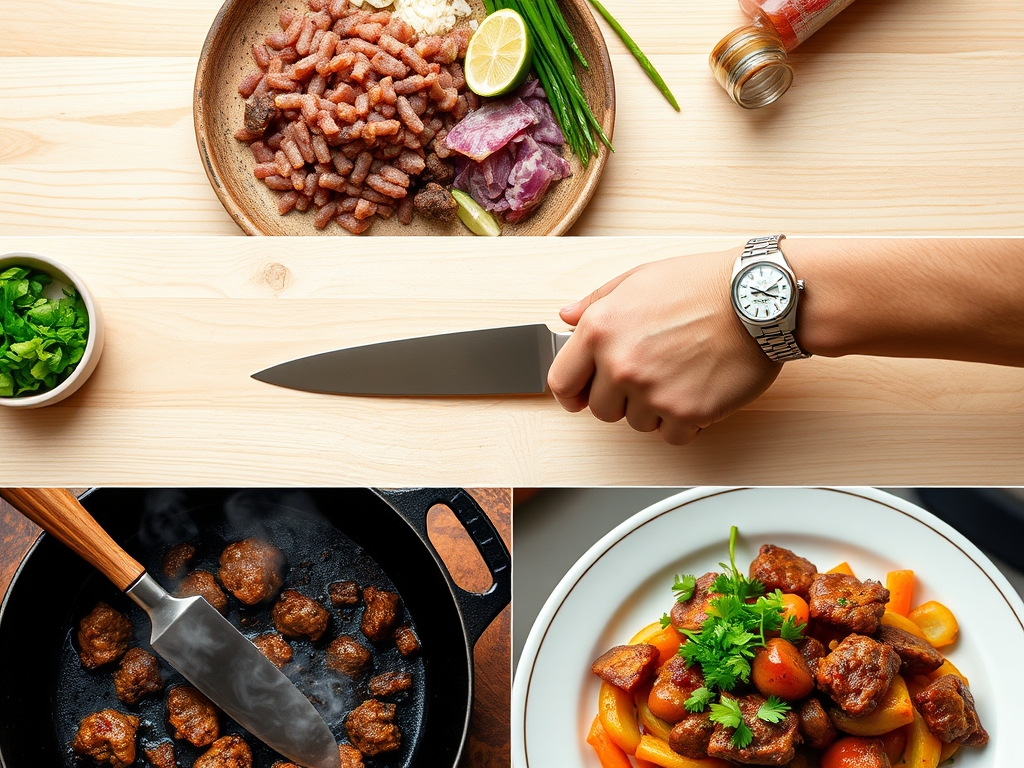
1. The Thermal Foundation
Heat your heavy-bottomed skillet or a cast-iron caldero over medium-high heat. Add a teaspoon of annatto oil. Once the oil shimmers, add the ground beef in a single layer. Do not crowd the pan. Let it sit undisturbed for three minutes to develop a deep brown crust. Use a stiff metal spatula or a bench scraper to break the meat into uniform crumbles.
Pro Tip: This is called enzymatic browning. If you stir too early, the meat will steam in its own juices rather than sear, resulting in a gray texture and a loss of savory depth.
2. Rendering and Deglazing
Once the meat is browned, push it to the edges of the pan, creating a well in the center. Add your sofrito and tomato paste to this "hot zone." Let the sofrito fry in the rendered beef fat until the water evaporates and the mixture becomes fragrant. Use a wooden spoon to deglaze the bottom of the pan, scraping up any "fond" (the brown bits).
Pro Tip: The fat acts as a solvent. Many of the flavor molecules in garlic and peppers are fat-soluble, meaning they only release their full potential when heated in a lipid environment.
3. The Brine Infusion
Incorporate your alcaparrado, raisins (if you like that sweet-savory balance), and dry spices. Add a small amount of beef stock or water. Lower the heat to a simmer. Cover the pan and let the ingredients mingle. The steam will help soften the olives and rehydrate the raisins, distributing their piquant and sweet notes throughout the beef.
Pro Tip: This stage utilizes osmosis. The salt from the olives moves into the meat, while the moisture from the sauce prevents the protein from becoming tough or dry.
4. The Final Reduction
Remove the lid and increase the heat slightly. Stir frequently until the liquid has reduced to a thick, glossy sauce that coats the meat perfectly. You are looking for a "dry" sauce if you are filling empanadas, or a slightly more "saucy" consistency if serving over white rice. Use a microplane to zest a bit of lime over the top at the very end for a bright finish.
Pro Tip: Watch for viscosity. As the water evaporates, the sugars and proteins concentrate, creating a glaze. Stopping at the right moment prevents the fat from separating and becoming oily.
The Deep Dive:
Macro Nutrition:
A standard serving of Puerto Rican picadillo (about 4 ounces) provides approximately 280 calories, 22g of protein, and 18g of fat. By using grass-fed beef, you can increase the Omega-3 fatty acid content. Pairing this with fiber-rich sides like beans or a green salad balances the glycemic load of the meal.
Dietary Swaps:
For a Vegan version, utilize crumbled tempeh or a walnut-lentil mixture. You must add a teaspoon of liquid smoke to mimic the depth of the beef. For Keto followers, omit the raisins and potatoes, and serve the beef inside bell pepper boats or over cauliflower rice. For a Gluten-Free experience, ensure your sazon packet does not contain wheat-based anti-caking agents; making your own spice blend is the safest bet.
The Fix-It:
- Too Salty? Drop in a peeled, halved potato. The starch will absorb excess salt as it simmers. Remove the potato before serving.
- Too Greasy? Tilt the skillet and use a bulb baster or a large spoon to remove excess fat. Alternatively, blot the surface gently with a folded paper towel.
- Too Bland? Add a teaspoon of white vinegar or a squeeze of lime. Often, a "flat" dish just needs acidity to wake up the existing flavors.
Meal Prep Science:
When reheating, do not use the microwave on high power, which can toughen the proteins. Instead, use a saucier on the stovetop over low heat. Add a tablespoon of water or stock to re-emulsify the sauce. This restores the "day-one" moisture levels and prevents the fats from breaking.
The Wrap-Up:
Mastering puerto rican ground beef recipes is like learning a new language; once you have the vocabulary of sofrito and the grammar of the sear, you can say anything. These seven dishes, from the crispy layers of a piñon to the simple joy of a beef-stuffed potato ball (relleno de papa), represent a rich cultural tapestry. You now have the technical skills to render, infuse, and reduce like a pro. Go ahead and fill your kitchen with that unmistakable island aroma!
The Kitchen Table:
What is the best beef for Puerto Rican recipes?
An 80/20 ground chuck is ideal. The fat content is necessary to carry the bold flavors of the sofrito and spices, ensuring the meat remains moist during the simmering process.
Can I freeze cooked picadillo?
Yes. Store it in an airtight container for up to three months. The flavors often intensify during freezing. Reheat slowly on the stovetop with a splash of water to maintain the original texture.
Why is my sofrito turning brown?
Sofrito should be vibrant green or red. If it turns dull brown, you have likely overcooked it before adding the other ingredients. Sauté it just until fragrant to preserve the fresh enzymatic qualities of the herbs.
What is a substitute for culantro?
Use fresh cilantro as a replacement. Since culantro is much stronger, use a ratio of three parts cilantro to one part culantro called for in the recipe to achieve a similar herbaceous depth.
How do I keep empanadas from getting soggy?
Ensure your beef filling is "dry" by reducing the sauce until no liquid pools in the pan. Let the filling cool completely before stuffing the dough to prevent steam from softening the crust.