
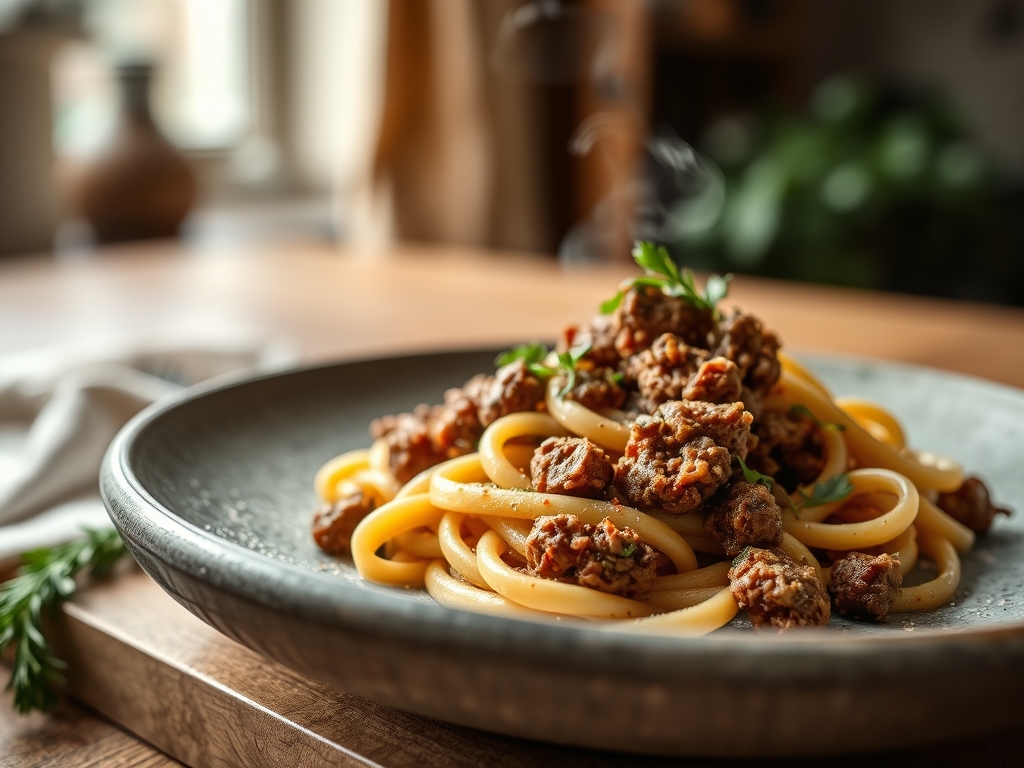
Picture a heavy-bottomed skillet resting on a blue flame; the air is thick with the scent of garlic hitting hot fat. We are not just making dinner; we are engineering comfort. When you master rotini and ground beef recipes, you are balancing the structural integrity of spiral pasta with the savory depth of rendered protein.
The beauty of the rotini noodle lies in its geometry. Those tight corkscrews are specifically designed to trap viscous sauces and fine crumbles of beef within their ridges. It is a mechanical advantage that ensures every single bite is a balanced ratio of starch to protein. Whether we are aiming for a piquant Mediterranean toss or a rich, creamy stroganoff style, the foundation remains the same: high-quality beef and perfectly al dente pasta.
In this guide, we are going to dive deep into the molecular magic of the Maillard reaction and the physics of emulsification. Forget the soggy, one-note pasta bakes of your childhood. We are using professional techniques to elevate these humble pantry staples into six distinct, restaurant-quality dinners that will make your kitchen the most popular spot in the house.
The Gathers:
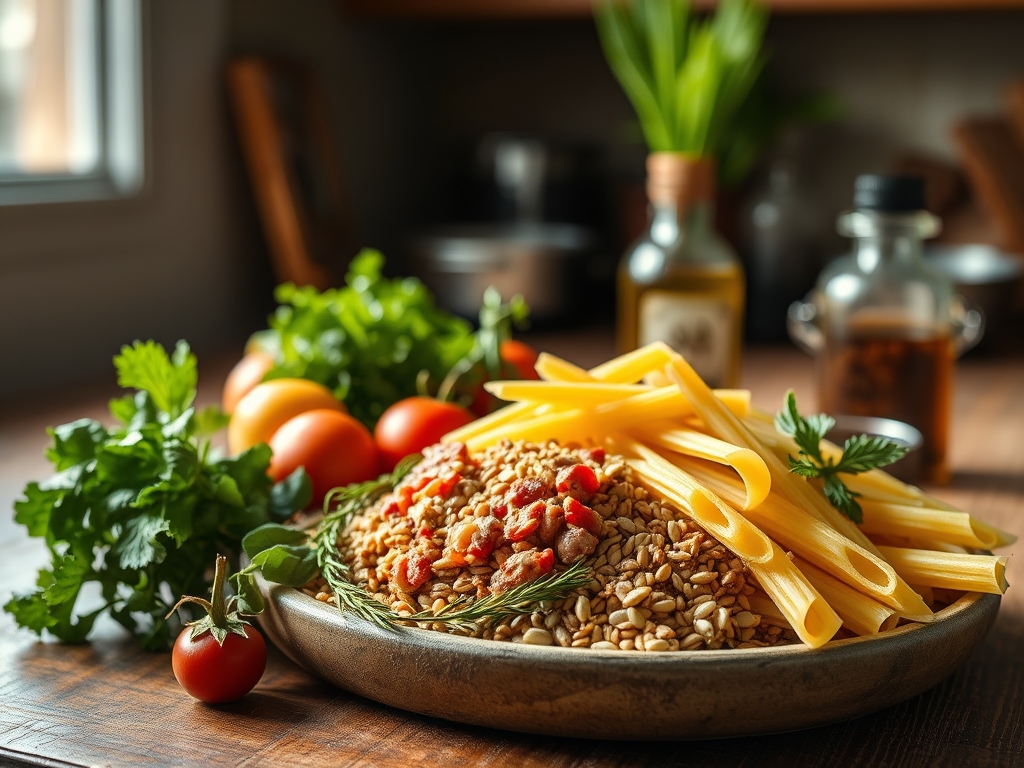
To execute these rotini and ground beef recipes with precision, your mise-en-place must be impeccable. Start with your protein. For the best flavor profile, select a 80/20 ground chuck. The 20 percent fat content is essential for flavor delivery; as the fat renders, it acts as a solvent for fat-soluble aromatics like garlic and dried oregano.
Your rotini should be durum wheat semolina for a high protein content that resists overcooking. Beyond the basics, gather your flavor enhancers: a block of high-quality Parmigiano-Reggiano (to be grated with a microplane), fresh flat-leaf parsley, and a tube of concentrated tomato paste. The tomato paste provides umami depth through long-chain glutamates.
Smart Substitutions:
If you are looking to lighten the profile, ground turkey or chicken can be substituted, though you must add a teaspoon of Worcestershire sauce to mimic the savory depth of beef. For a gluten-free approach, brown rice rotini holds its shape best under heat. If you find yourself out of rotini, fusilli is its closest structural relative, though the tighter coils of rotini are superior for holding onto heavy meat sauces.
The Clock
Efficiency in the kitchen is about "Chef's Flow," the art of overlapping tasks to minimize downtime. For these recipes, the active prep time is approximately 15 minutes, with a cook time of 20 minutes. Total time from pantry to table is 35 minutes.
The flow begins with the "Big Water." Start your pasta water immediately in a large stockpot; it takes longer to reach a boil than you think. While the water heats, use a bench scraper to clear your vegetable scraps and move your chopped aromatics. By the time your water is salted and boiling, your beef should already be browning in the skillet. The pasta and the sauce should finish simultaneously, allowing you to marry them while the starch is still active.
The Masterclass
1. The Sear and Render
Heat your heavy-bottomed skillet over medium-high heat before adding the beef. Do not crowd the pan; if the meat is too packed, it will steam in its own moisture rather than sear. Use a stiff spatula to break the beef into small, uniform crumbles.
Pro Tip: This is the Maillard reaction in action. By allowing the beef to develop a deep brown crust, you are creating hundreds of new flavor compounds. Wait for the moisture to evaporate and the "sizzle" to change pitch before you start stirring.
2. The Aromatic Infusion
Once the beef is browned, push it to the perimeter of the pan. Add your minced garlic, shallots, or onions to the center where the rendered fat has pooled. Sauté until translucent and fragrant, which usually takes about three minutes.
Pro Tip: Fat is a flavor carrier. By sautéing your aromatics in the beef fat, you infuse the entire dish with the essential oils of the herbs and vegetables. This creates a layered flavor profile rather than a flat one.
3. The Deglaze
Add a splash of acidic liquid, such as dry red wine or a squeeze of lemon juice, to the pan. Use your spatula to scrape up the "fond," those delicious brown bits stuck to the bottom of the skillet.
Pro Tip: This process is called deglazing. The acid dissolves the caramelized proteins (the fond) and incorporates them back into the sauce, providing a complex, savory backbone to your rotini and ground beef recipes.
4. The Pasta Precision
Drop your rotini into boiling, heavily salted water. Aim for "Goldsmith" saltiness; the water should taste like the sea. Cook the pasta for exactly two minutes less than the package instructions suggest for al dente.
Pro Tip: This accounts for thermal carryover. The pasta will continue to cook once it is added to the hot sauce. If you cook it fully in the water, it will become mushy by the time it reaches the plate.
5. The Emulsification
Before draining the pasta, use a liquid measuring cup to reserve one cup of the starchy pasta water. Transfer the rotini directly into the skillet with the beef and sauce using tongs or a spider strainer. Add a splash of the reserved water and a knob of butter.
Pro Tip: The starch in the water acts as an emulsifier. When combined with the fat in the sauce and vigorous stirring, it creates a silky, "restaurant-style" glaze that clings to every spiral of the rotini.
6. The Final Seasoning
Remove the pan from the heat before adding fresh herbs and your microplaned cheese. Stir gently to incorporate, then taste for salt and pepper.
Pro Tip: Fresh herbs are volatile. Adding them at the very end preserves their bright, enzymatic qualities and prevents them from turning bitter or losing their vibrant green color.
The Deep Dive
When we look at the macro nutrition of a standard rotini and beef dish, we see a balanced profile of complex carbohydrates, high-quality protein, and fats. A single serving typically provides 35 grams of protein and 45 grams of carbohydrates. To optimize this for different diets, you can swap the pasta for chickpea rotini (higher fiber/protein) or use a lean 93/7 beef blend.
The Fix-It: Common Pitfalls
- Greasy Sauce: If your sauce looks oily, you didn't drain enough fat after browning. Fix: Fold a paper towel and use tongs to dab excess grease from the corner of the tilted pan.
- Bland Pasta: If the dish lacks "pop," you likely under-salted the pasta water. Fix: Add a teaspoon of lemon juice or balsamic vinegar at the end to brighten the flavors.
- Dry Meat: If the beef feels grainy, it was overcooked. Fix: Add a splash of beef bone broth or a tablespoon of heavy cream to rehydrate the protein.
Meal Prep Science:
To maintain "day-one" quality when reheating, do not use the microwave on high power. This vibrates water molecules so violently they steam the pasta into mush. Instead, reheat in a saucier on the stovetop with a tablespoon of water or broth to re-emulsify the sauce.
The Wrap-Up
Mastering rotini and ground beef recipes is a foundational skill that bridges the gap between a quick Tuesday night meal and a sophisticated culinary feat. By focusing on the physics of the spiral and the chemistry of the sear, you transform simple ingredients into a cohesive, textured masterpiece. Now, grab your favorite skillet and let the corkscrews do the work!
The Kitchen Table
How do I keep my rotini from sticking together?
Use a large pot with plenty of water to allow the pasta to move freely. Stir immediately after dropping the rotini into the boiling water to prevent the surface starches from bonding. Never add oil to the water; it prevents sauce adhesion.
Can I freeze rotini and ground beef dishes?
Yes, but undercook the pasta by three minutes. When freezing, the ice crystals break down the starch structure. Undercooking ensures that once thawed and reheated, the rotini maintains a firm, pleasant texture rather than turning into a puree.
What is the best beef-to-pasta ratio?
For a balanced meal, use a 1:1 ratio by weight. One pound of ground beef pairs perfectly with one pound (16 ounces) of dry rotini. This ensures every forkful has an equal distribution of meat crumbles and pasta spirals.
Why is my ground beef grey instead of brown?
Grey meat occurs when the pan is not hot enough or is overcrowded, causing the meat to boil in its own juices. To fix this, cook in batches and ensure your skillet is preheated until a drop of water dances on the surface.