
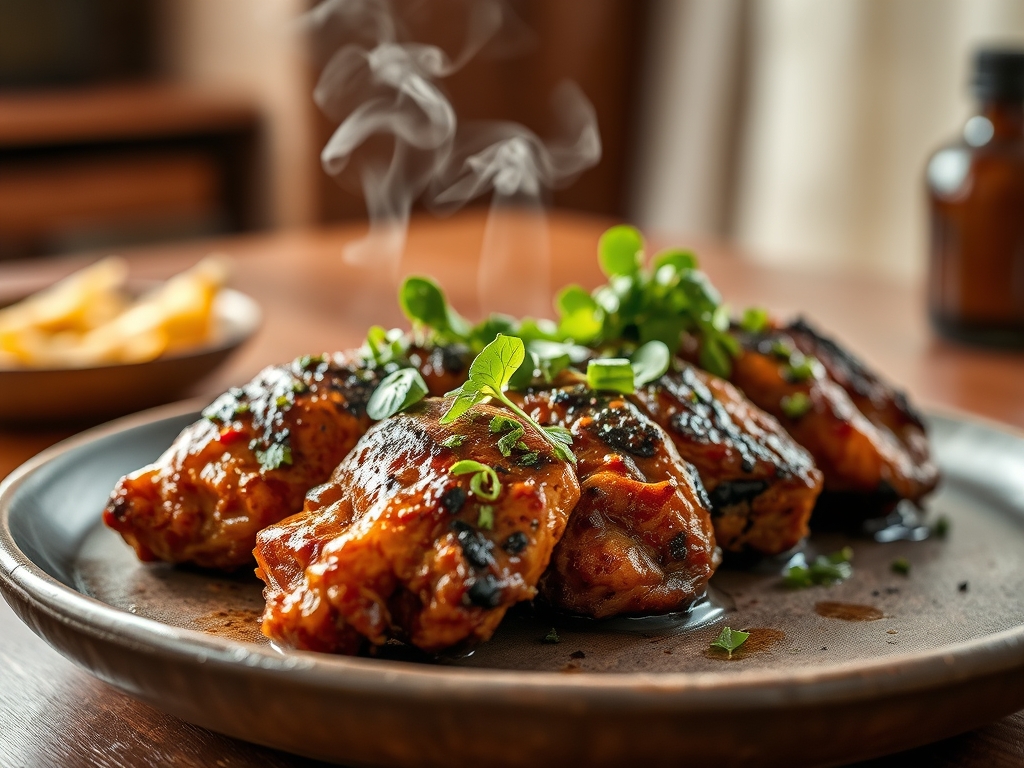
The first forkful of charred, mahogany-glazed chicken snaps beneath your teeth, releasing a wave of smoky allspice, scorching Scotch bonnet heat, and caramelized sugars that coat your tongue like liquid fire. This is the primal satisfaction you get from authentic jerk chicken recipes, a style forged over centuries in Jamaica's Blue Mountains where pimento wood smoke and spice pastes turn ordinary poultry into something mythic. The bark crisps under high heat while the interior stays juicy, proof that direct flame and bold marinades can transform your backyard grill into a Caribbean pit stop. Authentic jerk chicken recipes demand respect for balance: too little acid and the marinade never penetrates the muscle fibers; too little fat and the Scotch bonnets become overwhelming rather than layered. Over the next 900 words, you'll master ten variations that honor tradition while giving you the technical scaffolding to improvise with confidence.
The Gathers
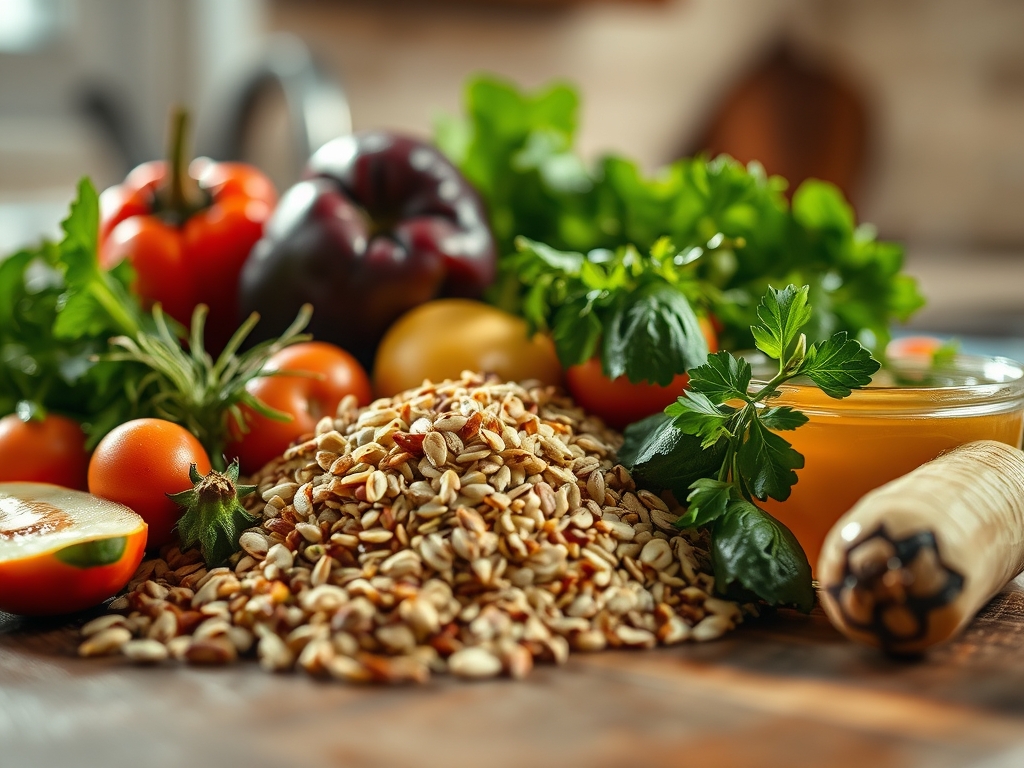
As you see in the ingredient spread below, Scotch bonnet peppers anchor every authentic jerk marinade, their fruity, floral capsaicin registering around 100,000-350,000 Scoville units. Allspice berries (pimento) contribute eugenol, the same compound in cloves, giving that signature warm-spice backbone. Fresh thyme, scallions, garlic, and ginger form the aromatics base, while brown sugar or molasses balances the heat and fuels Maillard browning above 300°F. Soy sauce or tamari delivers umami depth, and lime juice or white vinegar (aim for pH 3-4) denatures surface proteins, allowing the marinade to penetrate faster. Cinnamon, nutmeg, and black pepper round out the spice profile, and vegetable oil emulsifies the paste, ensuring even coating.
For the chicken itself, bone-in, skin-on thighs are non-negotiable: dark meat's higher myoglobin and intramuscular fat keep it moist during aggressive grilling. Whole legs or split breasts work too, but adjust cook times accordingly.
Smart Substitutions: If Scotch bonnets are unavailable, use habaneros or a blend of serranos and cayenne (volume-adjusted for heat). Swap brown sugar for coconut sugar or honey. Replace soy sauce with coconut aminos for gluten-free or Paleo builds. No fresh thyme? Dried works at half the volume, though you lose some volatile oils.
The Clock
Prep Time: 20 minutes (blending marinade, trimming chicken)
Marinating Time: 4-24 hours (minimum 4 for penetration; 24 for peak flavor)
Cook Time: 35-45 minutes (varies by grill temp and cut)
Total Active Time: ~60 minutes
Chef's Flow: Blend your marinade the night before and reserve a quarter-cup in the fridge as a finishing glaze; this keeps cross-contamination at bay. Score chicken thighs 1/4-inch deep along the grain to create channels for marinade absorption. While the grill preheats, bring chicken to room temp for 30 minutes so it cooks evenly. Set up a two-zone fire (direct high heat on one side, indirect on the other) to sear fast, then finish gently, avoiding exterior char before the interior hits 165°F.
The Masterclass
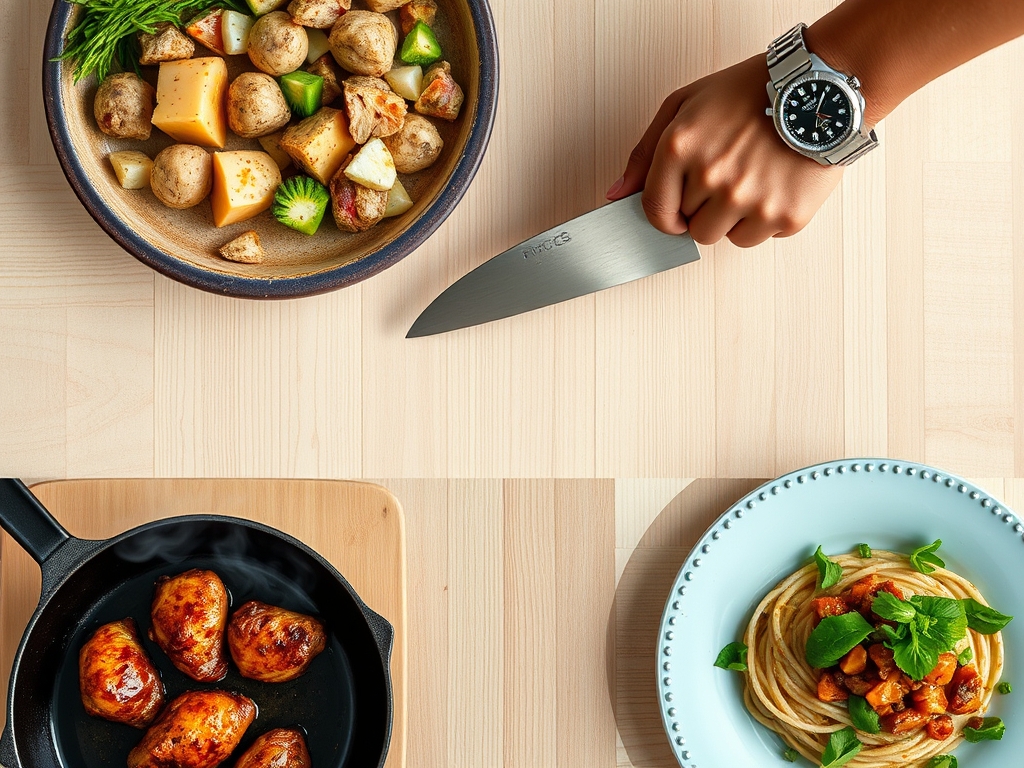
Step 1: Build the Marinade
Combine 4-6 Scotch bonnets (seeds removed if you prefer moderate heat), 1 tablespoon whole allspice berries, 6 scallions, 6 garlic cloves, 2-inch knob of ginger, 1/4 cup soy sauce, 1/4 cup lime juice, 3 tablespoons brown sugar, 2 tablespoons vegetable oil, 1 tablespoon fresh thyme leaves, 1 teaspoon cinnamon, 1/2 teaspoon nutmeg, and 1 teaspoon black pepper in a high-speed blender. Pulse until smooth but slightly coarse; you want visible flecks for texture.
Chef's Secret: Toasting the allspice berries in a dry pan for 60 seconds activates volatile terpenes, amplifying their aromatic punch.
Step 2: Score and Marinate
Pat 3 pounds of chicken thighs dry, then score the skin-side in a crosshatch pattern. Submerge in marinade, massage thoroughly, and refrigerate in a sealed container for 4-24 hours.
Why It Works: Scoring increases surface area and shortens diffusion distance, accelerating marinade uptake through osmosis. The salt in soy sauce denatures myosin, making muscle fibers more receptive to flavor compounds.
Step 3: Preheat Your Grill
Fire up a charcoal or gas grill to 450-500°F on one side, leaving the other side unlit for indirect heat. If you have pimento (allspice) wood chips, soak them for 30 minutes and scatter over coals for authentic smoke.
Chef's Secret: A consistent 450°F delivers rapid Maillard reactions without burning sugars. Note the texture shown in the step-by-step photos where the bark forms a glossy, crackled crust.
Step 4: Sear Skin-Side Down
Place thighs skin-side down over direct heat. Grill for 6-8 minutes without moving; you're aiming for deep caramelization and crisp skin.
Why It Works: The Maillard reaction requires surface temps above 300°F and low moisture. Leaving the chicken undisturbed evaporates surface water, enabling browning.
Step 5: Flip and Move to Indirect
Flip thighs, then immediately transfer to the cool side. Close the lid and roast for 25-30 minutes, checking internal temp every 10 minutes.
Chef's Secret: Indirect heat prevents the sugars in the marinade from carbonizing while the interior climbs from 120°F to 165°F, the USDA safe threshold for poultry.
Step 6: Glaze and Rest
When thighs hit 160°F, brush with reserved marinade (boiled for 2 minutes to kill bacteria) and return to direct heat for 2 minutes per side. Pull at 165°F, tent with foil, and rest 5 minutes.
Why It Works: Carryover cooking pushes the temp up another 3-5°F while myoglobin settles, redistributing juices evenly.
Nutritional Info
Per serving (1 thigh, ~200g):
Calories: 320
Protein: 28g
Fat: 20g (8g saturated)
Carbs: 8g (6g sugars)
Fiber: 1g
Sodium: 580mg
Dark meat's higher fat content explains the calorie density, but it also provides more iron and zinc than white meat.
Dietary Swaps
Vegan: Substitute extra-firm tofu or jackfruit, pressing out excess moisture and scoring deeply. Marinate 12-24 hours for maximum absorption. Grill at 400°F until edges crisp.
Keto: Replace brown sugar with erythritol or monk fruit sweetener. Skip starchy sides and pair with cauliflower rice or grilled zucchini.
Gluten-Free: Use tamari or coconut aminos instead of soy sauce. Verify allspice is pure and not part of a spice blend with anti-caking agents containing gluten.
Serving & Presentation
Plating Idea 1: Arrange thighs over coconut rice and peas, garnish with charred lime halves and fresh thyme sprigs. The acidity from lime cuts through fat.
Plating Idea 2: Slice thighs thinly and layer over grilled pineapple planks with a drizzle of reserved glaze. The bromelain in pineapple tenderizes residual connective tissue.
Plating Idea 3: Serve atop a bed of shredded cabbage slaw dressed with lime and honey. The crunch contrasts the soft, smoky meat.
The Pro-Dodge
Pitfall 1: Burnt Exterior, Raw Interior
The Fix: Always use two-zone heat. Sear fast, then finish slow. Invest in an instant-read thermometer; guessing is how you end up with 145°F chicken.
Pitfall 2: Marinade Slides Off During Grilling
The Fix: Pat chicken semi-dry before grilling and add 1 tablespoon cornstarch to the marinade. Starch granules gelatinize at high heat, creating adhesion.
Pitfall 3: Overwhelming Heat, No Complexity
The Fix: Remove Scotch bonnet seeds and ribs. Balance heat with sweetness and umami. Taste your marinade; it should be bold but not one-dimensional.
The Meal Prep Corner
Storage: Cool thighs completely, then stack in airtight containers with parchment between layers. Refrigerate up to 4 days or freeze up to 3 months.
Reheating: For day-one texture, reheat in a 375°F oven for 12-15 minutes, finishing under the broiler for 2 minutes to re-crisp the skin. Microwaving steams the skin and turns it rubbery. If frozen, thaw overnight in the fridge, then reheat as directed.
The Wrap-Up
You've just equipped yourself with the science and soul behind authentic jerk chicken recipes, ten bold iterations that respect tradition while inviting improvisation. Every sear, every marinade blend, every temp check is a vote for flavor over shortcuts. Fire up your grill, trust your instincts, and let the smoke and spice do the talking. Drop a comment below with your favorite jerk variation or tag us on Instagram with your grill shots. Let's build a community where bold flavors and technical precision live side by side.
The Kitchen Table
Q: Can I bake jerk chicken instead of grilling?
A: Absolutely. Roast at 425°F on a wire rack over a sheet pan for 40-45 minutes, flipping halfway. Finish under the broiler for 3 minutes to char the skin. You'll miss the smoke, but the spice profile stays intact.
Q: How spicy is authentic jerk chicken?
A: It varies by Scotch bonnet quantity and whether you keep the seeds. Expect moderate to high heat (30,000-100,000 Scoville) balanced by sweetness and acid. Start with fewer peppers and scale up.
Q: What's the difference between jerk seasoning and jerk marinade?
A: Dry jerk seasoning is a spice rub lacking the wet aromatics (scallions, ginger, lime juice). Marinades penetrate deeper and create better bark due to sugar caramelization and acid tenderization.
Q: Can I use chicken breast for jerk recipes?
A: Yes, but brine breasts in 5% saltwater for 1 hour before marinating to prevent dryness. Pull at 160°F and rest; carryover will finish the cook.
Q: How do I make jerk chicken less salty?
A: Reduce soy sauce to 2 tablespoons and add an extra tablespoon of lime juice. You can also rinse excess marinade off before grilling, though you'll lose some flavor.