
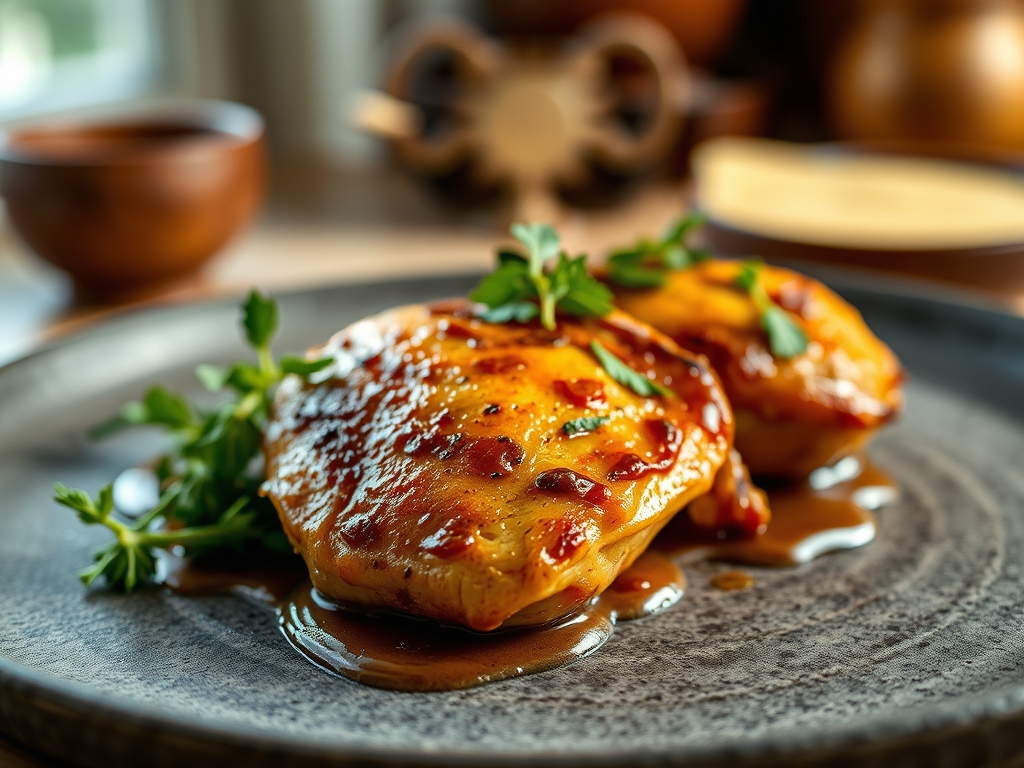
Picture a kitchen bathed in the golden hour glow; the air is heavy with the scent of garlic hitting shimmering olive oil. We have all been there, staring at a pack of poultry while the clock ticks toward the evening rush. Finding easy chicken recipes for dinner for families is not just about survival; it is about reclaiming the joy of a shared meal without the frantic cleanup. Chicken is the ultimate culinary blank canvas, capable of absorbing piquant spices or transforming into a silky, butter-laden masterpiece. Whether you are craving the snap of a perfectly seared skin or the tender pull of a slow-braised thigh, these recipes prioritize efficiency without sacrificing a single drop of flavor. We are moving beyond the dry, uninspired breasts of yesteryear. Today, we are leveraging the power of high-heat roasting, emulsion-based sauces, and strategic seasoning to create meals that feel like a celebration. Grab your favorite heavy-bottomed skillet and a glass of wine; we are about to turn your weeknight routine into a high-octane masterclass in domestic bliss.
The Gathers:
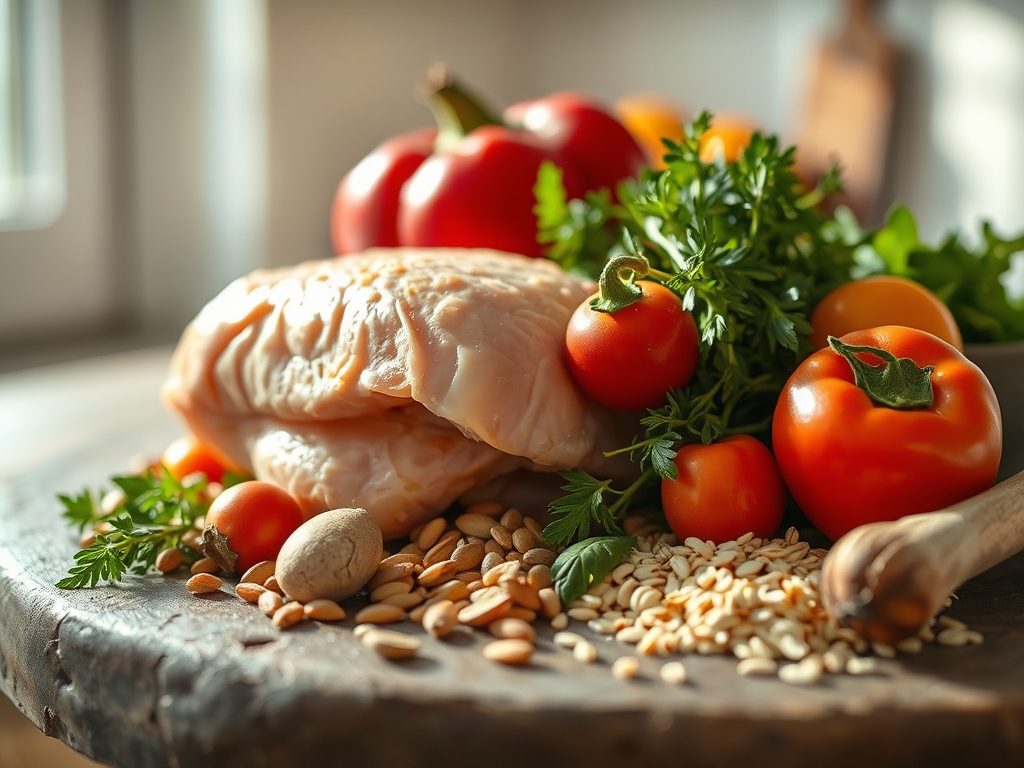
Before we ignite the burners, we must respect the mise-en-place. Organizing your ingredients is a psychological hack that prevents kitchen fatigue. For these easy chicken recipes for dinner for families, you will need a foundation of high-quality proteins and aromatics. Start with organic chicken thighs; their higher fat content ensures they remain succulent even if you get distracted by a phone call. You will also need kosher salt, which has larger grains that allow for better tactile control when seasoning.
Essential aromatics include fresh garlic, shallots, and ginger. Use a microplane to grate these into a fine paste; this increases the surface area, allowing the essential oils to infuse the cooking fat more rapidly. For the fats, keep both unsalted butter and a high-smoke-point oil like avocado or grapeseed on hand. You will also need a bright acid, such as Meyer lemons or rice vinegar, to cut through the richness and provide a piquant finish.
Smart Substitutions: If you are out of fresh herbs, use one-third the amount of dried herbs, as their oils are more concentrated. No shallots? Use the white parts of green onions for a similar sulfurous depth. If you need a dairy-free creamy element, full-fat coconut milk provides a viscous texture that mimics heavy cream without the lactose.
The Clock
Efficiency in the kitchen is governed by "Chef's Flow," the art of overlapping tasks to minimize downtime. Most of these easy chicken recipes for dinner for families require only 15 minutes of active prep and 30 minutes of cooking. The secret is to utilize the "dead time" while the chicken is searing to chop your vegetables or whisk your vinaigrettes. Use a bench scraper to move your prepped ingredients from the cutting board to the pan in one swift motion. Always preheat your oven and your pans; putting meat into a cold pan is the fastest way to ensure it sticks and tears.
The Masterclass
1. The Sear and Render
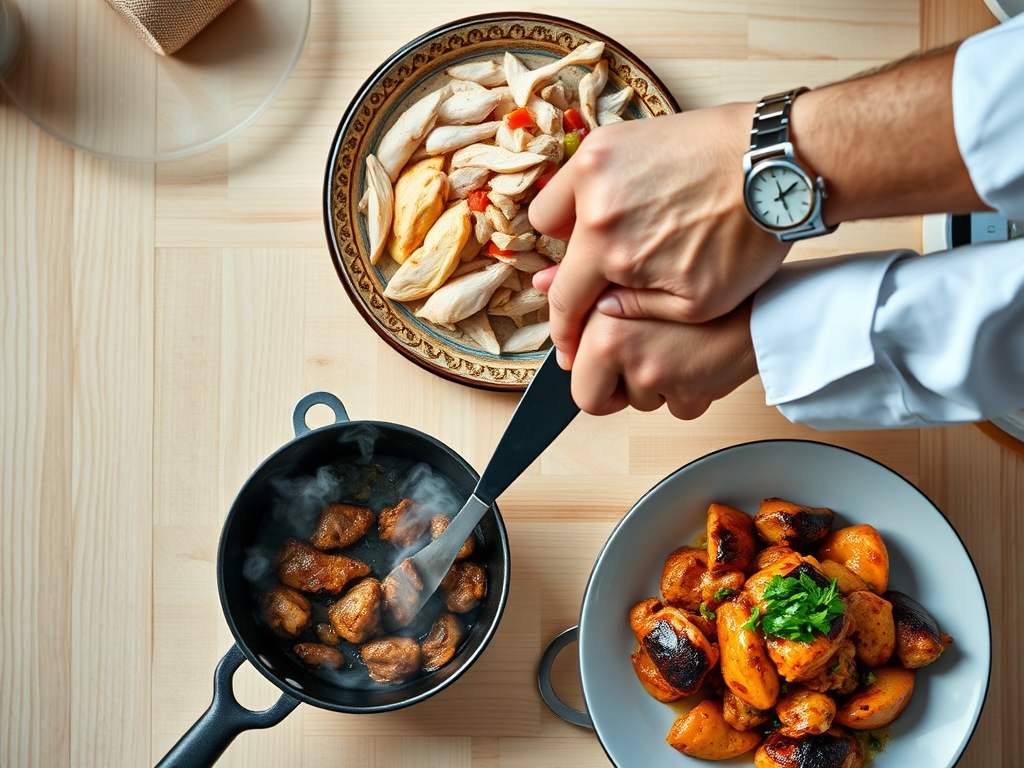
Place your chicken skin-side down in a cold heavy-bottomed skillet and then turn the heat to medium-high. This allows the fat to render slowly, resulting in a glass-like crunch rather than a soggy mess. Use tongs to check for release; if the meat sticks, the proteins have not finished their initial bond-breaking process.
Pro Tip: This technique utilizes the Maillard reaction, a chemical dance between amino acids and reducing sugars that creates hundreds of different flavor compounds. Do not crowd the pan, or you will trap steam and boil the meat instead of searing it.
2. Deglazing the Fond
Once the chicken is removed, you will see brown bits stuck to the bottom of the pan. This is "fond," and it is culinary gold. Pour in a splash of dry white wine or chicken stock and use a wooden spoon to scrape the bottom.
Pro Tip: Deglazing is a thermodynamic process that dissolves caramelized proteins into a liquid base. This creates the foundation for a deeply complex sauce without needing hours of simmering.
3. Emulsifying the Sauce
Reduce your heat to low and whisk in cold cubes of butter or a dollop of Dijon mustard. Stir vigorously until the sauce becomes glossy and thick.
Pro Tip: You are creating an emulsion, where fat droplets are suspended in a water-based liquid. The mustard acts as a stabilizer, preventing the sauce from "breaking" or separating into a greasy mess.
4. The Rest and Carryover
Transfer your chicken to a warm plate and let it sit for at least five minutes before slicing. This is the hardest part, but it is the most critical for moisture retention.
Pro Tip: During thermal carryover, the internal temperature of the meat continues to rise by 5 to 10 degrees. Resting allows the muscle fibers to relax and reabsorb the juices; cutting too soon causes the liquid to purge onto the board.
The Deep Dive
When we look at the macro nutrition of these easy chicken recipes for dinner for families, we see a powerhouse of lean protein and essential B vitamins. A standard serving provides roughly 30 grams of protein, making it ideal for muscle repair and satiety.
Dietary Swaps: For a Keto version, swap out any honey or sugar for monk fruit sweetener and serve over cauliflower rice. For a Vegan alternative, use firm tofu or oyster mushrooms; both have a fibrous structure that mimics chicken. To keep it Gluten-Free, use tamari instead of soy sauce and cornstarch or arrowroot powder as a thickening agent.
The Fix-It:
- Rubbery Chicken: This usually means it was overcooked. Use a digital scale or meat thermometer to pull the chicken at 160°F; it will reach the safe 165°F while resting.
- Bland Sauce: It likely lacks acid. Add a squeeze of lemon or a teaspoon of vinegar to brighten the flavors instantly.
- Soggy Skin: You likely put a lid on the pan. Never cover searing chicken, as the trapped steam destroys the crisp texture.
Meal Prep Science: To maintain "day-one" quality when reheating, avoid the microwave. Instead, use a saucier to gently warm the chicken in a splash of stock over low heat. This prevents the proteins from tightening up and becoming "woody" or dry.
The Wrap-Up
Cooking for your family should feel like a victory lap, not a marathon. By understanding the science of the sear and the magic of a pan sauce, you can turn basic easy chicken recipes for dinner for families into restaurant-quality experiences. Remember, the best tool in your kitchen is your own intuition, backed by solid technique. Go forth, use your tongs with confidence, and let the Maillard reaction do the heavy lifting for you. You have got this, Chef!
The Kitchen Table
How do I keep chicken breast from drying out?
Always use a meat thermometer to pull the chicken at 160°F. Allow it to rest for five minutes so the fibers reabsorb moisture. Searing quickly over high heat also helps lock in the internal juices before the center overcooks.
Can I use frozen chicken for these recipes?
It is best to thaw chicken overnight in the refrigerator for even cooking. If you must cook from frozen, use a pressure cooker or slow cooker to ensure the meat reaches a safe temperature without the exterior becoming tough and leathery.
What is the best pan for cooking chicken?
A cast-iron or stainless steel heavy-bottomed skillet is superior. These materials retain heat efficiently, ensuring an even sear and a better "fond" for your pan sauces. Non-stick pans often fail to produce the necessary caramelization for deep flavor.
How do I get extra crispy skin?
Pat the chicken completely dry with paper towels before seasoning. Moisture is the enemy of crispiness. For the ultimate crunch, leave the chicken uncovered in the fridge for a few hours to dehydrate the skin before hitting the hot pan.