
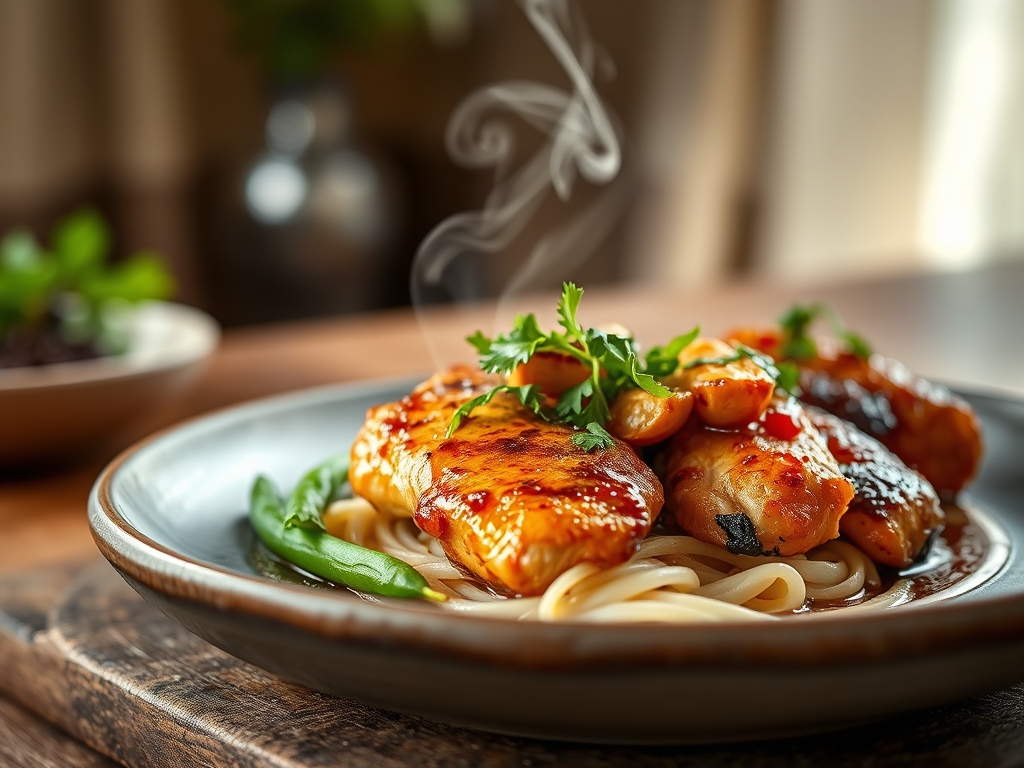
Imagine your kitchen air thick with the scent of toasted sesame and the heavy, sweet perfume of fermented soybeans hitting a hot pan. We are talking about that deep, primal satisfaction found only in the best miso chicken recipes. It is the kind of dinner that makes you close your eyes and lean back in your chair because the salt, sweetness, and funk are perfectly balanced.
Miso is more than just a soup base; it is a molecular powerhouse. When you rub that thick, salty paste onto poultry, you are essentially coating the meat in a concentrated map of amino acids. This is the secret to unlocking the fifth taste: umami. It is savory, it is lingering, and it is the reason you cannot stop at just one bite. Whether you are using a delicate white miso for a subtle glaze or a robust red miso for a punchy marinade, the chemistry remains the same. The sugars and proteins in the miso undergo the Maillard reaction at a lower temperature than meat alone, creating a lacquered, mahogany crust that looks like it came out of a professional test kitchen. Today, we are going to master the art of the miso chicken flavor boost, turning a humble bird into a culinary masterpiece with just a few smart, scientific tweaks.
The Gathers:
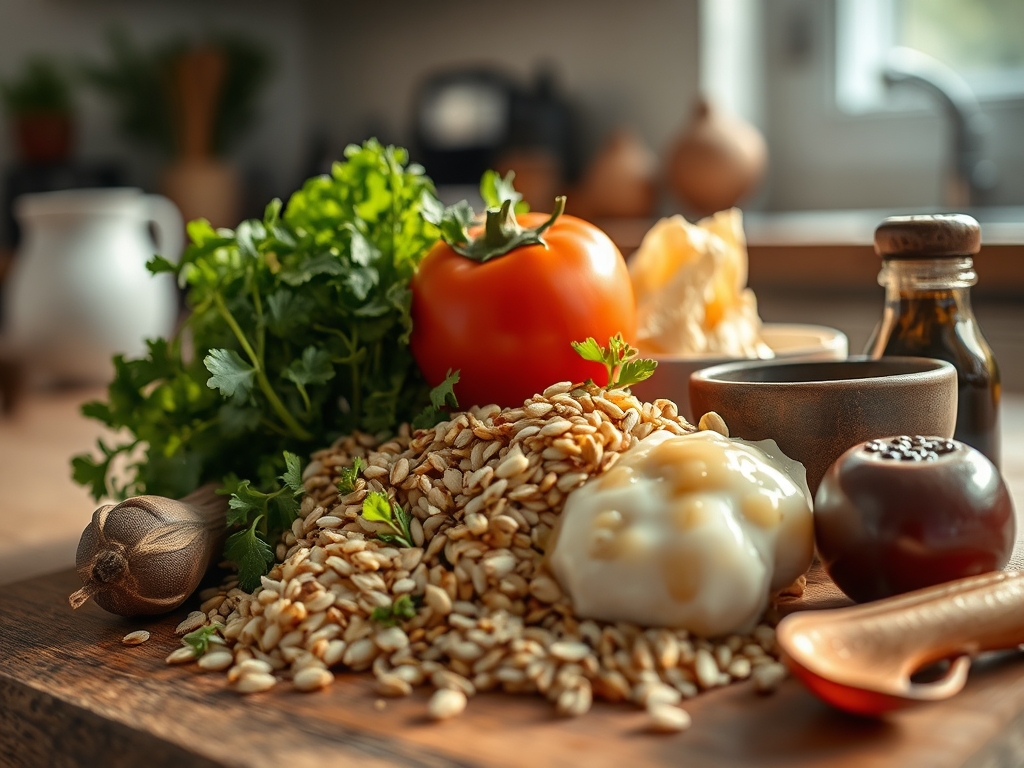
To execute these miso chicken recipes with precision, your mise-en-place must be organized. Start with your aromatics. You will need fresh ginger and garlic, preferably processed with a microplane to create a fine paste. This increases the surface area, allowing the volatile oils to infuse the fat more rapidly. Your star ingredient is the miso paste. White (Shiro) miso is mild and sweet, while Red (Aka) miso is fermented longer, offering a more pungent, salty profile.
You will also need a high-quality liquid base. Mirin provides the necessary sugars for caramelization, while toasted sesame oil offers a viscous mouthfeel and nutty aroma. For the chicken, skin-on thighs are the gold standard because the subcutaneous fat renders during cooking, basting the meat from the inside out.
Smart Substitutions:
If you are out of mirin, use honey mixed with a splash of dry sherry to mimic the sugar-to-acid ratio. No ginger? A pinch of ground galangal provides a similar citrusy heat. If you find your miso is too salty, whisk in a tablespoon of unsalted butter; the fats will coat the tongue and dampen the perception of sodium without dulling the flavor profile.
The Clock
Efficiency in the kitchen is about understanding the Chef's Flow. This is the sequence of tasks that minimizes downtime. Total active prep time for these boosts is roughly 15 minutes, while the cooking phase spans 20 to 25 minutes depending on the thickness of your protein.
Start by marinating your chicken first. Even a 10-minute soak allows the salt in the miso to begin the denaturation process, breaking down protein strands for a more tender result. While the chicken rests, utilize your bench scraper to clear your cutting board and prep any garnishes like scallions or toasted sesame seeds. By the time your heavy-bottomed skillet is screaming hot, your workspace is clean, and your protein is ready for the sear. This workflow ensures that you are never rushing, allowing the chemical reactions to happen at their natural pace.
The Masterclass
1. The Sear and Render
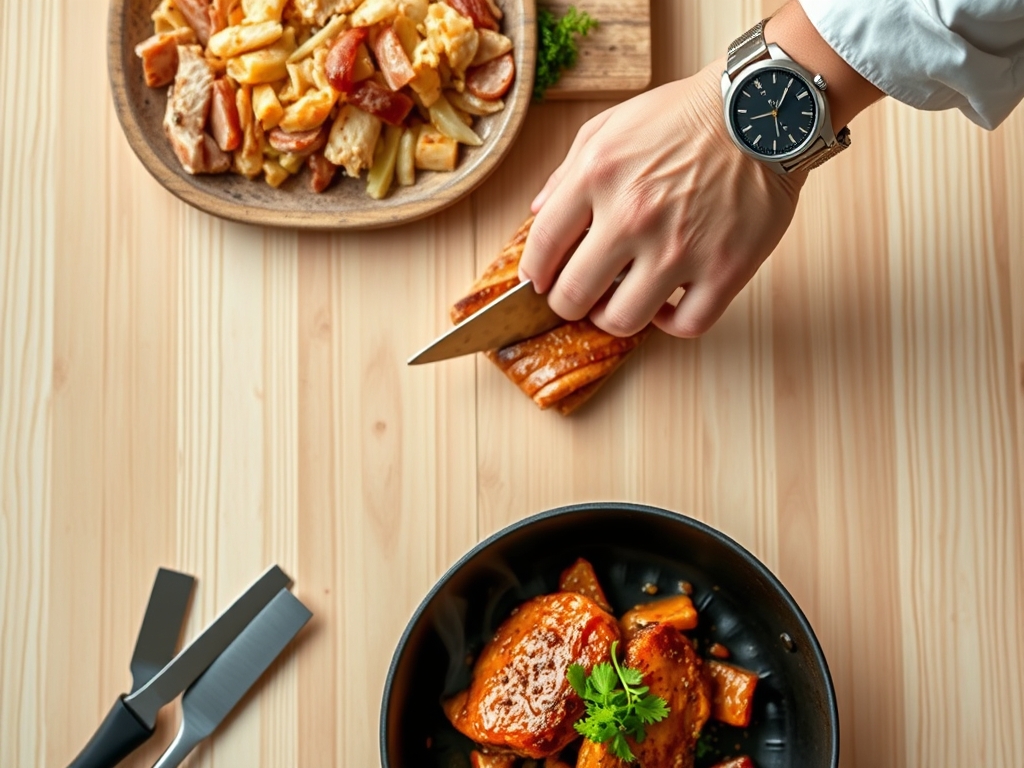
Place your chicken skin-side down in a cold skillet, then turn the heat to medium-high. Using tongs, press the meat down to ensure maximum contact with the metal. This method allows the fat to render slowly, resulting in a glass-like skin texture rather than a rubbery one.
Pro Tip: This is known as thermal conduction. By starting with a cold pan, you prevent the skin from seizing and trapping moisture, which is the enemy of a crisp crust.
2. The Deglaze
Once the chicken is browned and flipped, the bottom of your pan will be covered in fond, those delicious caramelized brown bits. Pour in a splash of sake or water and use a wooden spoon to scrape them up.
Pro Tip: This process utilizes solvent extraction. The liquid dissolves the concentrated flavor compounds created during the Maillard reaction, incorporating them back into a luscious sauce.
3. The Emulsification
Whisk your miso paste into the pan drippings toward the end of the cooking process. Do not let the miso boil vigorously for too long, as extreme heat can kill the delicate fermented flavors.
Pro Tip: Miso acts as a natural emulsifier. The proteins and polysaccharides in the paste help bind the rendered chicken fat and the deglazing liquid into a smooth, stable sauce that clings to the meat.
4. The Glaze Reduction
Simmer the sauce until it reaches a nappe consistency, meaning it is thick enough to coat the back of a spoon. Use a saucier if you are making a larger batch to ensure even evaporation.
Pro Tip: This is the science of concentration. As water evaporates, the ratio of solutes (sugars and salts) increases, intensifying the flavor and creating a glossy, professional finish.
5. The Rest and Carryover
Remove the chicken from the heat when it reaches an internal temperature of 160 degrees Fahrenheit. Place it on a warm plate and let it rest for at least five minutes before slicing.
Pro Tip: This accounts for thermal carryover. The residual heat will bring the chicken to the safe 165 degree mark while allowing the muscle fibers to relax and reabsorb the juices.
The Deep Dive
From a nutritional standpoint, miso chicken recipes are a powerhouse. Miso is a fermented food, meaning it contains probiotics that support gut health, although some of these are lost during high-heat cooking. The chicken provides high-quality lean protein and essential B vitamins.
Dietary Swaps:
- Vegan: Substitute the chicken with firm tofu or thick-cut cauliflower steaks. Use a splash of liquid aminos instead of fish sauce to maintain that salty depth.
- Keto: Replace the mirin or honey with a keto-friendly sweetener like erythritol. Miso does contain some carbs, so use it as a concentrated accent rather than a bulk ingredient.
- Gluten-Free: Ensure your miso is labeled GF, as some varieties are fermented with barley or rye. Look for rice-based or soy-only miso.
The Fix-It:
- Burnt Glaze: If the sugars in the miso catch and turn bitter, immediately remove the chicken and add a splash of heavy cream or coconut milk. The fats will neutralize the bitter carbon notes.
- Grainy Sauce: This happens when miso is not fully dissolved. Use a small whisk or an immersion blender to smooth out the lumps before adding it to the pan.
- Dry Meat: If you overshot the temperature, slice the chicken thinly and toss it directly in the warm glaze. The sauce will provide the moisture the fibers are lacking.
Meal Prep:
When reheating miso chicken, avoid the microwave if possible. The rapid agitation of water molecules can make the chicken "rubbery." Instead, use a low oven or a covered skillet with a tablespoon of water to create a steam-chamber effect. This preserves the integrity of the proteins and keeps the glaze silky.
The Wrap-Up
Mastering miso chicken recipes is like learning a secret language of flavor. Once you understand how the salt, sugar, and fermentation work together, you can apply these boosts to almost anything in your fridge. It is fast, it is scientifically sound, and it is undeniably delicious. Now, grab your skillet and start experimenting; your taste buds will thank you for the umami upgrade.
The Kitchen Table
What is the best type of miso for chicken?
White or yellow miso is generally best for chicken. These varieties are milder and sweeter, which complements the delicate flavor of poultry without overpowering it. Red miso is better for heartier meats like beef or long-simmered stews.
Can I marinate chicken in miso overnight?
Yes, but be cautious. Because miso is high in salt, it acts as a dry brine. Marinating for over 12 hours can slightly cure the meat, changing the texture to something more firm or ham-like. Four to six hours is ideal.
How do I stop miso from burning in the pan?
Miso contains high levels of sugar and protein, which burn easily. To prevent this, add your miso paste toward the end of the cooking process or use a lower heat setting once the glaze is added to the skillet.
Is miso chicken healthy for meal prep?
Absolutely. Miso chicken stays moist longer than plain grilled chicken because the miso glaze creates a protective barrier. It pairs perfectly with steamed greens and brown rice, providing a balanced, high-protein meal that holds up well in the fridge.
What can I use if I don't have miso?
While there is no perfect substitute for the fermented depth of miso, a combination of soy sauce, tahini, and a pinch of brown sugar can mimic the salty, nutty, and sweet profile in a pinch for most recipes.