
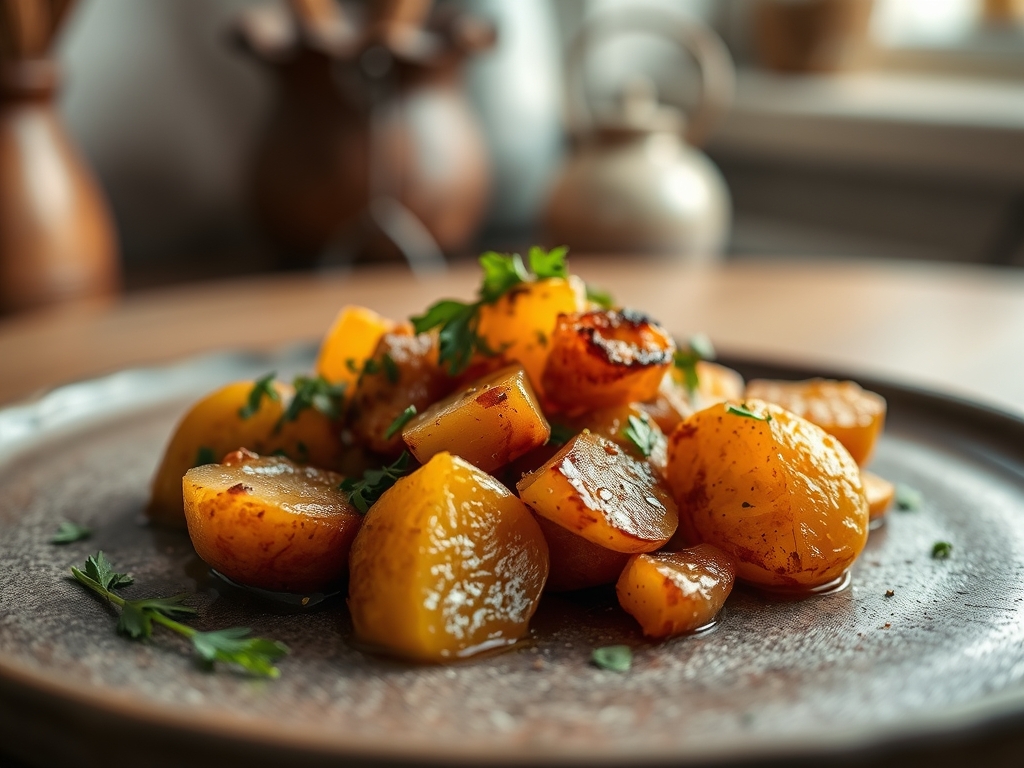
Close your eyes and imagine the scent of cumin seeds hitting hot oil; it is a sharp, earthy perfume that signals the start of something magical. Potatoes are the ultimate canvas for spice, acting as a starchy sponge that absorbs every bit of heat and citrus. If you are hunting for easy potato recipes indian style, you have found the gold mine of comfort food. We are talking about skins that shatter like glass and interiors as fluffy as a cloud. This is not just about boiling a tuber; it is about the chemistry of the Maillard reaction and the art of tempering. Whether you want a spicy dry fry or a silky gravy, these dishes prove that the humble spud is the undisputed king of the pantry. We will use heat to transform simple carbohydrates into a masterpiece of texture and flavor, ensuring your kitchen smells like a high-end Delhi bistro. Grab your apron and a cold drink; we are about to turn basic groceries into pure, unadulterated culinary gold using science and soul.
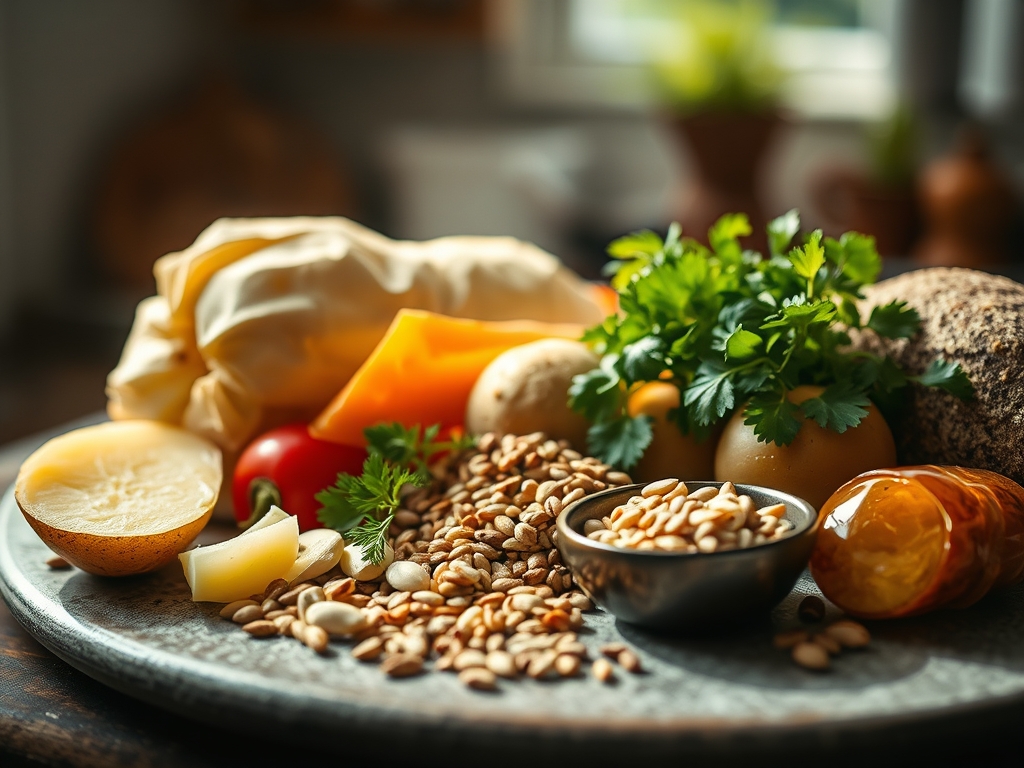
The Gathers:
Before we ignite the burner, your mise-en-place must be flawless. Use a digital scale to weigh your potatoes; consistency in mass ensures uniform cooking times across all six variations. You will need waxy yellow potatoes for salads or dry fries because their low starch content prevents them from disintegrating. For gravies, reach for starchy Russets to encourage a viscous sauce.
Your spice kit is your laboratory. You need whole cumin seeds, turmeric powder for that iconic golden hue, and Kashmiri red chili powder for a piquant kick without overwhelming heat. Amchur (dried mango powder) provides the essential acid to brighten the dish. Smart Substitutions: If you lack amchur, use a squeeze of fresh lime or a dash of sumac. If curry leaves are unavailable, a mix of lime zest and fresh bay leaf can mimic that herbal depth. Always use a microplane for your ginger and garlic to create a paste that integrates seamlessly into the oil, preventing bitter burnt chunks.
The Clock:
Efficiency in the kitchen is about "Chef's Flow." Total active prep time for these recipes is approximately 20 minutes, with cooking times ranging from 15 to 30 minutes. To optimize your workflow, par-boil your potatoes in salted water until they are just "fork-tender." This allows you to finish them in a heavy-bottomed skillet in under ten minutes, ensuring a crispy exterior without a raw center. While the potatoes boil, use your bench scraper to clear your board and prep your aromatics. This staggered approach means you are never standing still, moving from the sink to the stove in one fluid motion.
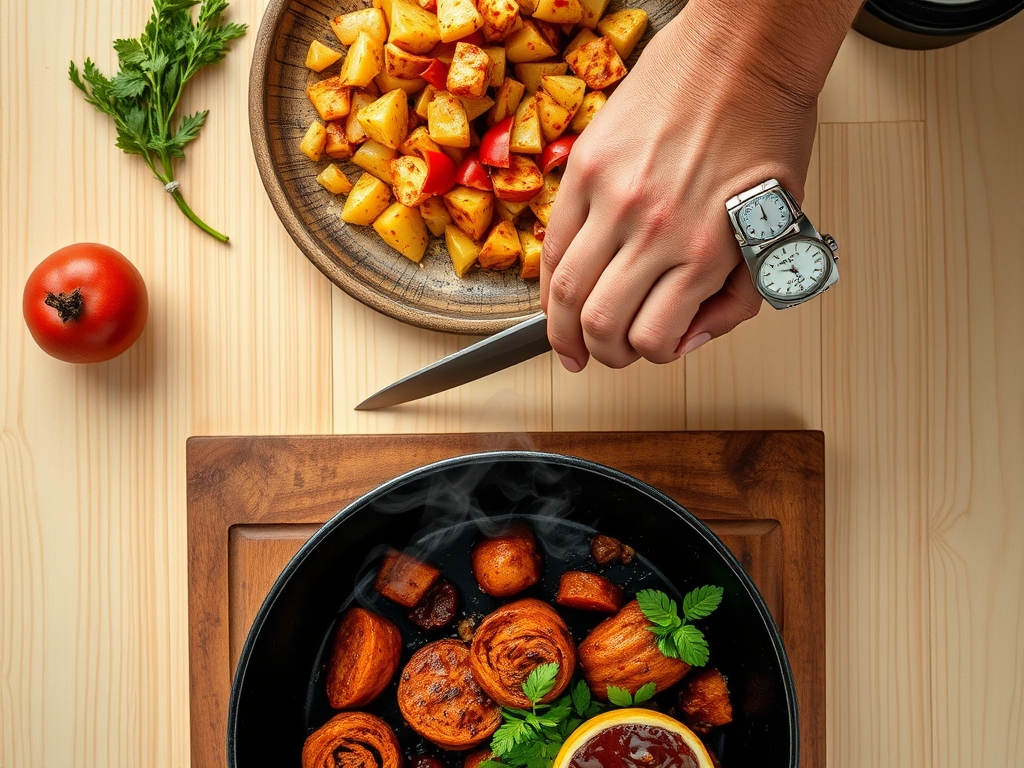
The Masterclass:
1. Jeera Alu (Cumin Sauté)
Heat oil in a saucier until it shimmers. Toss in whole cumin seeds and wait for them to crackle. Add cubed, par-boiled potatoes and toss until the edges turn golden. Sprinkle with turmeric and salt.
Pro Tip: This crackling is known as "tempering." It uses high heat to infuse the fat with essential oils from the spices, a process called fat-soluble flavor extraction.
2. Aloo Gobi (Potato & Cauliflower)
Sauté onions until translucent, then add cauliflower florets and potato wedges. Cover and steam in their own moisture. Finish with garam masala and fresh cilantro.
Pro Tip: Keep the lid on to utilize latent heat. The steam breaks down the pectin in the vegetables simultaneously, ensuring the cauliflower does not turn to mush before the potatoes soften.
3. Bombay Potatoes (Crispy Spicy Spuds)
Roast potato halves with mustard seeds, turmeric, and a heavy dose of chili powder. Use tongs to flip them halfway through to ensure 360-degree caramelization.
Pro Tip: Do not crowd the pan. Overcrowding creates a steam pocket that prevents the Maillard reaction, leaving you with soggy skins instead of a crisp crust.
4. Aloo Matar (Potato & Pea Curry)
Create a base of pureed tomatoes and onions. Add cubed potatoes and frozen peas, simmering until the sauce thickens and clings to the vegetables.
Pro Tip: The starch leaching from the potatoes acts as a natural thickener. As the sauce reduces, it becomes more viscous through starch gelatinization.
5. Dum Aloo (Slow Cooked Gravy)
Prick small whole potatoes with a fork and deep fry them before simmering in a rich yogurt and cashew gravy. This is the luxury pick of easy potato recipes indian.
Pro Tip: Pricking the potatoes creates channels for the gravy to penetrate the core. This increases the surface area for flavor absorption via osmosis.
6. Aloo Methi (Potatoes with Fenugreek)
Sauté chopped fresh fenugreek leaves with garlic and potatoes. The bitterness of the greens balances the sweetness of the starch perfectly.
Pro Tip: Sautéing the greens first helps render out excess moisture and reduces the intensity of the bitter alkaloids, making the flavor profile more sophisticated.
The Deep Dive:
Potatoes are a nutritional powerhouse, offering high levels of Vitamin C and potassium. One medium potato contains about 110 calories, making these dishes surprisingly light if you control the oil. Dietary Swaps: For a Vegan version, ensure you use coconut oil or avocado oil instead of ghee. For a Keto twist, swap half the potatoes for daikon radish or cauliflower. All these recipes are naturally Gluten-Free, provided your spice blends are pure.
The Fix-It:
- Soggy Potatoes: Your pan was too cold. Next time, wait for the oil to reach its smoke point before adding the starch.
- Bitter Spices: You burnt the turmeric. Turmeric is delicate; always add it after the wet ingredients (like ginger paste) to buffer the heat.
- Bland Interior: You forgot to salt the boiling water. Salting the water ensures the seasoning penetrates the entire potato, not just the surface.
Meal Prep: To reheat, avoid the microwave as it turns potatoes gummy. Instead, use a dry skillet over medium heat to re-crisp the exterior. This restores the structural integrity of the crust while gently warming the center.
The Wrap-Up:
You are now officially a potato whisperer. From the crunch of a Bombay fry to the silky depths of a Dum Aloo, you have the technical skills to turn a bag of spuds into a feast. These easy potato recipes indian style are more than just food; they are a masterclass in balancing heat, acid, and texture. Don't be afraid to experiment with the spice ratios. Cooking is a conversation between you and the ingredients, so listen to the sizzle and trust your palate. Now, go grab that skillet and make some magic happen!
The Kitchen Table:
What is the best potato for Indian cooking?
Waxy varieties like Yukon Gold or red potatoes are best. They hold their shape during sautéing and have a creamy texture. Avoid overly floury potatoes unless you are making a mashed filling or a very thick gravy.
How do I stop potatoes from sticking to the pan?
Ensure your heavy-bottomed skillet is properly preheated before adding oil. Once the potatoes hit the fat, do not move them for at least two minutes. This allows a crust to form, which naturally releases the potato from the surface.
Can I make these recipes ahead of time?
Yes, most Indian potato dishes taste better the next day as the spices continue to infuse. Store them in an airtight container for up to three days. Reheat in a pan with a splash of water to maintain texture.
Why are my spices tasting bitter?
Bitterness usually occurs when dry spices like turmeric or chili powder are scorched in hot oil. Always add a splash of water or pureed aromatics before the dry spices to keep the temperature below the burning point.