
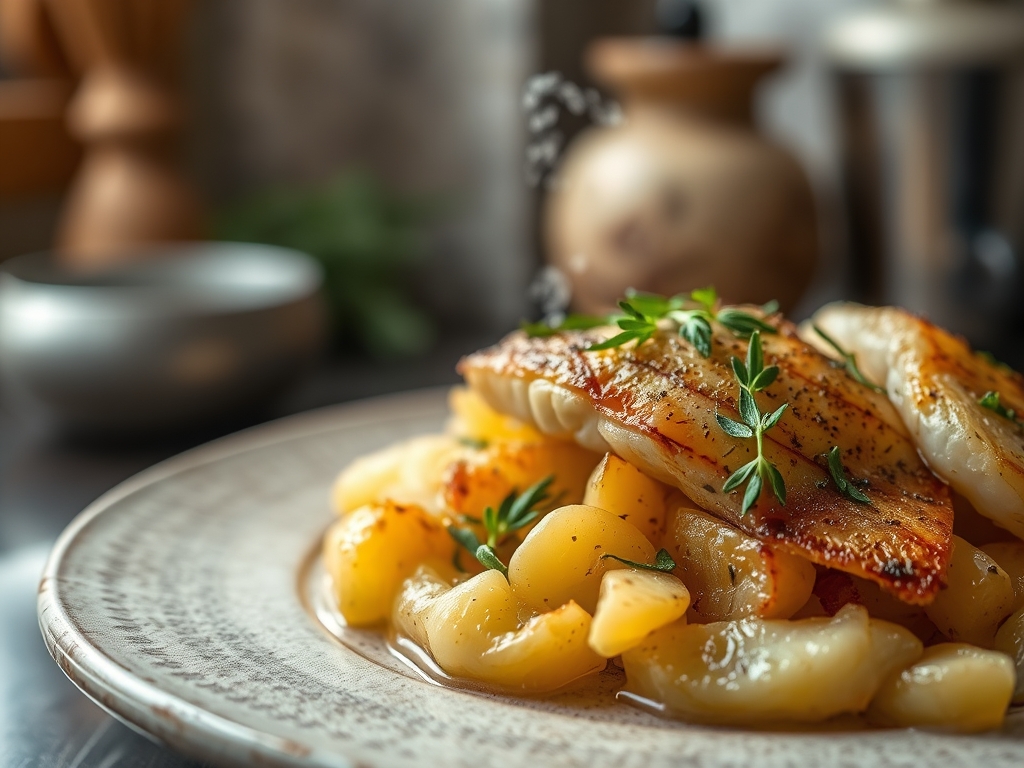
Picture the scene: a perfectly seared piece of sea bass, its skin crackling under the fork, paired with the earthy, buttery comfort of a gold-standard spud. Finding the right potato recipes with fish is a culinary balancing act; you need a side that respects the delicate protein without being a total wallflower.
The chemistry of this pairing is fascinating. Fish offers light, lean proteins and volatile oils, while potatoes provide the complex starches and cellular structure needed to absorb those gorgeous pan juices. Whether you are aiming for a crispy, crushed fingerling or a velvet-smooth puree, the goal is to create a textural contrast that makes every bite feel like a deliberate masterpiece. We are moving beyond the basic boiled tuber and diving into the high-science world of starch gelatinization and Maillard reactions to ensure your side dish is just as impressive as the main catch.
The Gathers:
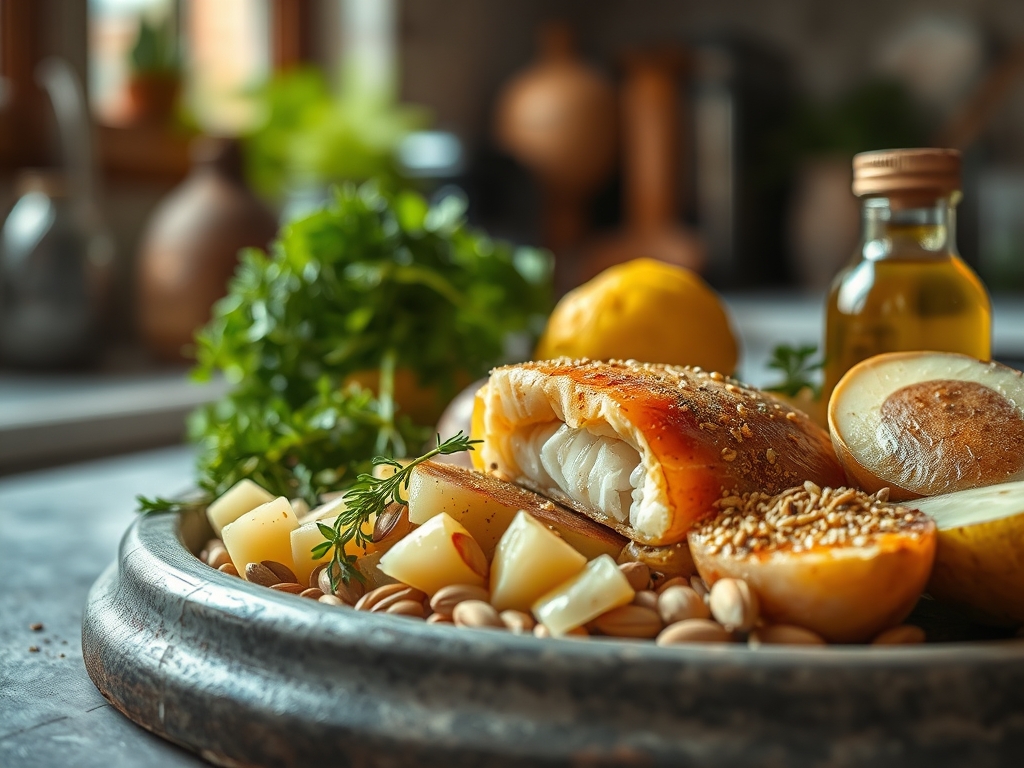
To execute these potato recipes with fish, your mise-en-place must be precise. You will need high-starch Russets for fluffiness and waxy Yukons for creamy applications. Reach for your digital scale to ensure consistent sizing; uneven chunks lead to uneven cooking. Gather high-quality fats like clarified butter or duck fat, which have higher smoke points than whole butter, allowing for superior browning without the bitter acridity of burnt milk solids.
Essential aromatics include fresh thyme, rosemary, and garlic. Use a microplane to zest lemon over your finished potatoes; the citric acid acts as a bright counterpoint to the heavy starches. For smart substitutions, swap heavy cream for coconut milk in a mash if you are serving a Thai-inspired snapper, or use nutritional yeast to mimic the savory depth of parmesan for a vegan-friendly crust.
The Clock
Efficiency in the kitchen is all about the "Chef's Flow." Most of these potato recipes with fish require a 45 to 60-minute window, but the secret is overlapping your tasks. While your potatoes undergo their initial parboil or roasting phase, you should be prepping your fish and emulsifying your sauces.
The "Flow" dictates that potatoes almost always hit the heat first. Because they are denser and have lower water activity than fish, they require more thermal energy to break down their pectin walls. By the time your potatoes are hitting their final crispy stage in a heavy-bottomed skillet, your fish should just be hitting the pan. This synchronization ensures the fish stays moist and the potatoes stay hot.
The Masterclass
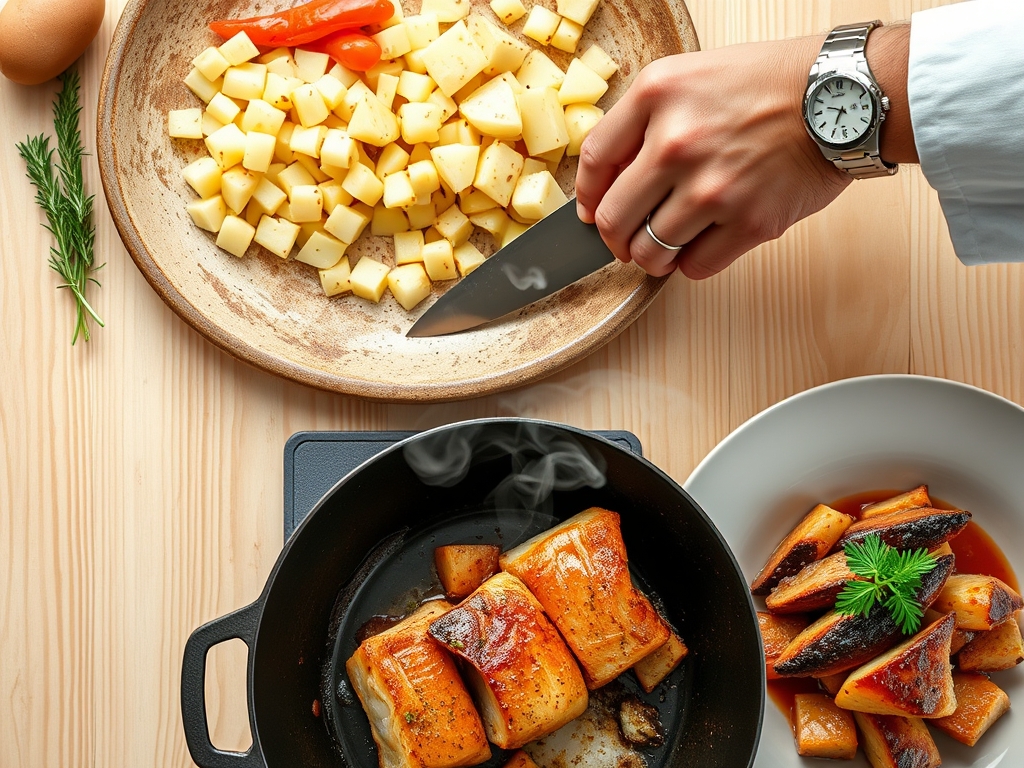
1. The Parboil and Rough-Up
Start by simmering your potato chunks in heavily salted water until the exterior is just tender. Use a bench scraper to move them to a colander and shake them vigorously to create a starchy "mash" on the surface.
Pro Tip: This "roughing up" increases the surface area for the Maillard reaction. Those tiny frayed bits of starch will dehydrate and crisp up in the fat, creating a glass-like crunch that a smooth potato can never achieve.
2. The Fat Infusion
Place your prepared potatoes into a roasting pan with preheated oil or rendered fat. Ensure every surface is coated. This is where you add smashed garlic cloves and woody herbs to infuse the oil.
Pro Tip: Use a fat with a high smoke point. As the potatoes roast, the fat replaces the water evaporating from the surface. This is a form of deep-frying in the oven, known technically as convection-assisted dehydration.
3. The Smash and Sear
For a rustic look, take whole boiled baby potatoes and use a heavy glass or a saucier base to press them flat. Sear them in a hot skillet with a touch of oil until golden.
Pro Tip: Smashing the potato breaks the skin and exposes the interior starch to direct conductive heat. This creates a dual texture: a creamy, protected center and a lacy, fried exterior.
4. The Velvet Puree
Pass boiled Yukon Golds through a ricer or food mill into a bowl. Slowly fold in chilled cubes of butter and warm cream, using a silicone spatula to keep the mixture viscous and smooth.
Pro Tip: Never use a food processor for mashed potatoes. The high-speed blades shear the starch granules, releasing amylopectin and turning your elegant side into a literal bowl of glue.
5. The Acid Finish
Just before serving, toss your potatoes with a splash of sherry vinegar or a squeeze of lemon. This provides a piquant lift that cuts through the richness of the starch and the oils of the fish.
Pro Tip: Acid strengthens the pectin in potatoes if added too early, making them tough. Adding it at the very end provides the flavor profile without compromising the structural integrity of the potato.
The Deep Dive
From a macro perspective, potatoes are an excellent source of potassium and complex carbohydrates, providing the energy needed to balance a high-protein fish meal. If you are looking for dietary swaps, parsnips or celery root can be treated with the same techniques for a lower-carb, keto-friendly alternative. For a gluten-free crunch, use cornstarch or rice flour to dust your potatoes before roasting.
The Fix-It: Common Pitfalls
- Gummy Mash: This happens when potatoes are over-worked. Fix it by folding in more fat or liquid gently, or turn it into a potato pancake by adding an egg and searing it.
- Soggy Roasted Potatoes: Usually caused by overcrowding the pan. The steam from one potato softens the next. Fix it by spreading them out across two pans to allow for proper airflow.
- Burnt Garlic: Adding minced garlic too early in the roast results in bitter black bits. Fix it by using whole smashed cloves and removing them halfway through, or adding fresh garlic in the last five minutes.
Meal Prep Science
To reheat potatoes and maintain "day-one" quality, avoid the microwave. The microwave vibrates water molecules, which turns crispy starch back into a soggy mess. Instead, use an air fryer or a hot oven. This re-dehydrates the surface, bringing back that essential crunch through secondary evaporation.
The Wrap-Up
Mastering potato recipes with fish is the ultimate flex for any home cook. It shows you understand the harmony between land and sea, starch and protein. By focusing on the science of the crunch and the luxury of the puree, you transform a humble root vegetable into a sophisticated partner for your favorite seafood. Now, grab your tongs, fire up the range, and let those spuds shine!
The Kitchen Table
Which potato is best for frying with fish?
Waxy varieties like Yukon Gold or Red Bliss are superior. They hold their shape during the parboil and develop a dense, creamy interior that contrasts perfectly with a crisp, pan-seared fish fillet.
How do I keep potatoes crispy while cooking fish?
Keep them in a low oven (200F) on a wire rack. The rack allows air to circulate, preventing steam from collecting underneath the potato, which would otherwise destroy the crispy crust you worked so hard to create.
Can I make these potato recipes ahead of time?
Yes. You can parboil and "rough up" your potatoes up to 24 hours in advance. Store them uncovered in the fridge; the cold air actually helps dehydrate the surface, leading to an even crunchier result when roasted.
Why are my roasted potatoes sticking to the pan?
You likely put them into a cold pan or didn't use enough fat. Always preheat your roasting tray and fat before adding the potatoes to create an immediate non-stick sear through the Leidenfrost effect.