
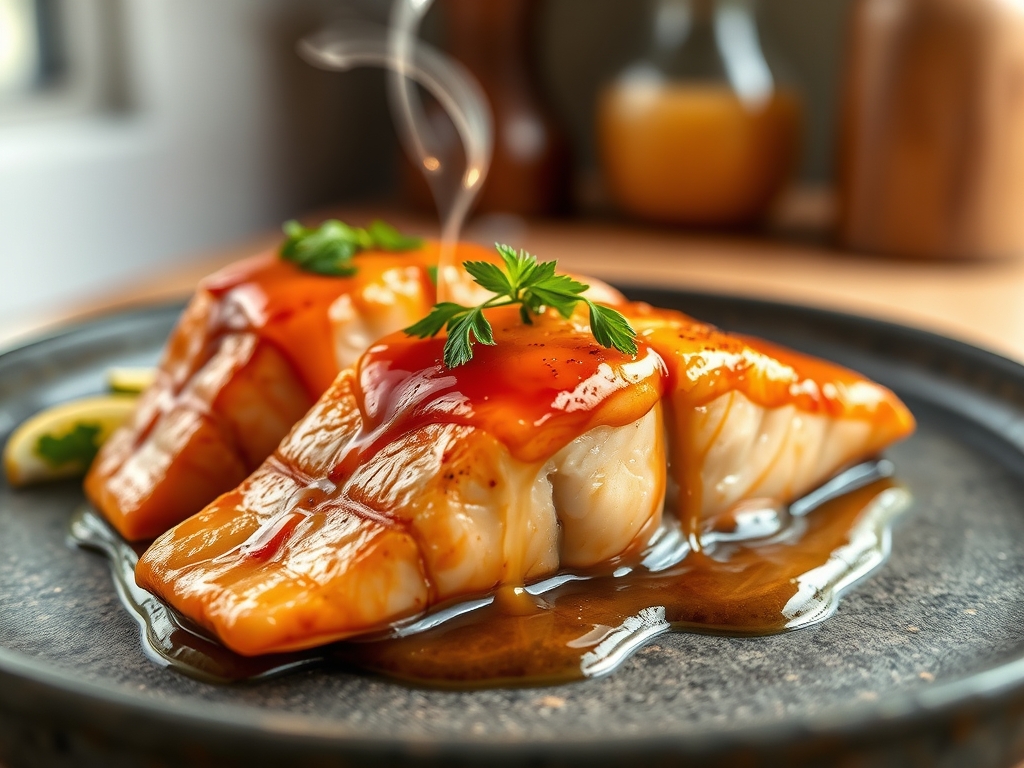
Imagine a heavy-bottomed skillet screaming on the stovetop while a glaze of molten gold and crimson bubbles into a sticky, piquant lacquer. That is the magic of honey sriracha salmon recipes; they bridge the gap between a weeknight rush and a five-star dining experience. The air fills with the scent of caramelized sugars and the sharp, vinegary kick of fermented chili. It is a sensory overload that promises a perfect balance of heat, sweet, and fat. We are not just making dinner; we are engineering a masterpiece of texture where the skin shatters like glass and the flesh remains butter-soft.
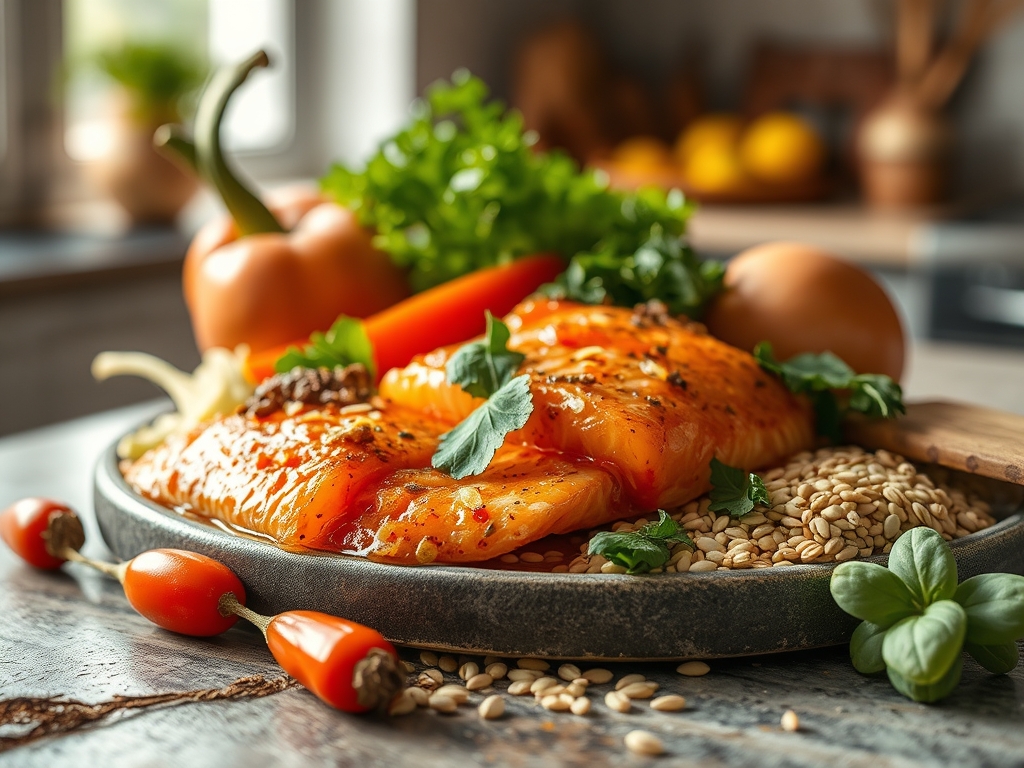
The Gathers:
To achieve the perfect honey sriracha salmon recipes, your mise-en-place must be precise. Start with a high-quality center-cut fillet, preferably wild-caught for its lean muscle structure and deep color. You will need a viscous wildflower honey to provide the sugar base for the glaze. This is paired with Sriracha, which offers a complex heat profile thanks to its garlic and distilled vinegar content.
Freshness is non-negotiable. Use a microplane to grate fresh ginger and garlic into a fine paste; this ensures they dissolve into the sauce rather than burning in the pan. You will also need toasted sesame oil for its nutty aroma and low-sodium soy sauce to provide an umami backbone without over-salting the delicate proteins.
Smart Substitutions:
If you are out of honey, maple syrup offers a similar viscosity but a more earthy, woody undertone. For those avoiding soy, coconut aminos provide a gluten-free alternative with a slightly sweeter profile. If Sriracha is too mild for your palate, a teaspoon of Sambal Oelek adds a chunky, raw chili heat that cuts through the fat of the fish beautifully.
The Clock: Chef's Flow
Efficiency in the kitchen is about managing your thermal momentum. This recipe requires exactly 10 minutes of active prep and 12 minutes of cooking. The "Chef's Flow" begins with tempering your fish. Never take salmon straight from the refrigerator to the pan; let it sit at room temperature for 15 minutes. Cold protein causes the muscle fibers to seize, resulting in a tough texture. While the fish tempers, use a small saucier to whisk your glaze components. This allows you to pre-emulsify the honey and oil, ensuring a smooth coating that wont break under high heat.
The Masterclass
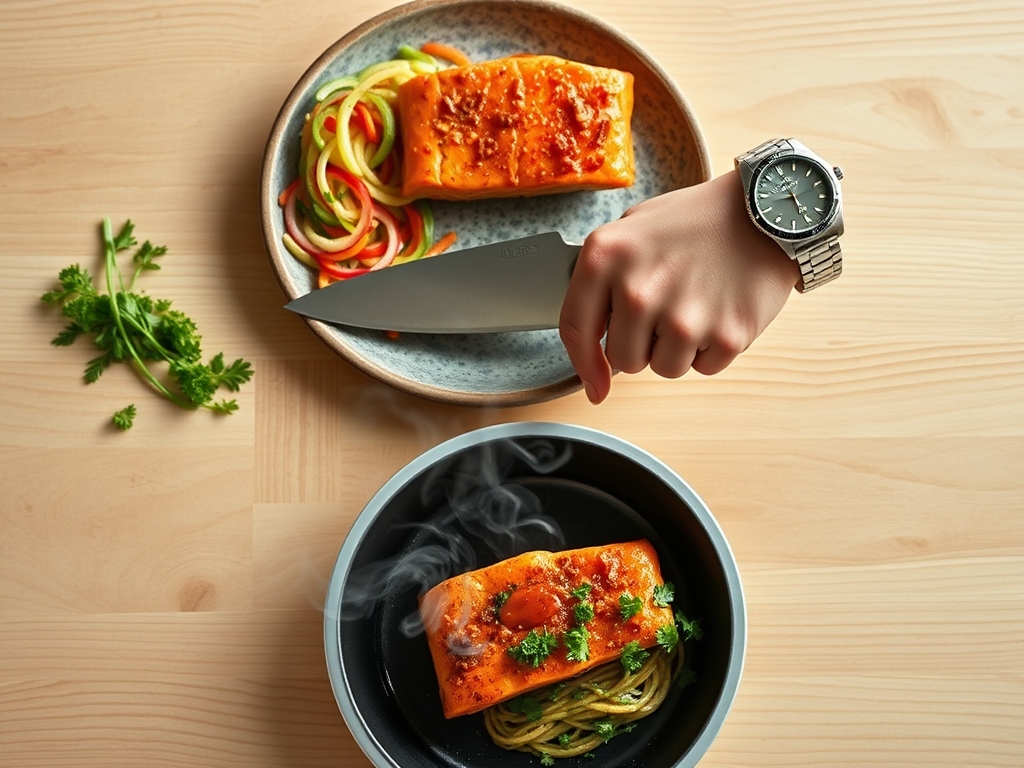
1. The Desiccating Prep
Use a paper towel to pat the salmon skin bone-dry. Moisture is the enemy of the Maillard reaction. If there is water on the surface, the fish will steam rather than sear. Season aggressively with kosher salt, which draws out deep-seated moisture through osmosis.
Pro Tip: This process is called surface desiccation. By removing every drop of water, you allow the heat of the pan to immediately begin rendering the fat, leading to that coveted "potato chip" skin texture.
2. The High-Heat Sear
Place your skillet over medium-high heat until a drop of water flicked onto the surface dances and evaporates instantly. Add a high-smoke-point oil like avocado oil. Lay the fish skin-side down, pressing firmly with a fish spatula for 10 seconds to prevent the skin from curling.
Pro Tip: This initial pressure ensures maximum surface contact. The heat triggers protein denaturation, causing the collagen in the skin to shrink and crisp simultaneously rather than buckling.
3. The Glaze Infusion
Once the skin is crisp, flip the fillet using tongs. Reduce the heat to medium and pour the honey-sriracha mixture directly into the pan. Use a spoon to continuously baste the fish with the bubbling liquid.
Pro Tip: This is known as Arrosage. Basting the fish with the hot glaze creates a convective heat environment, cooking the top of the fillet gently while the bottom sears, ensuring the center remains translucent and moist.
4. The Caramelization Phase
Watch for the glaze to reduce and thicken. The sugars in the honey will begin to undergo pyrolysis, turning a deep amber. This is where the "sticky" factor of honey sriracha salmon recipes comes from.
Pro Tip: Do not let the glaze turn black. The transition from caramelization to burning happens in seconds. Use a digital scale to measure your honey accurately; too much sugar will burn before the fish is cooked through.
5. The Thermal Rest
Remove the salmon from the pan when the internal temperature hits 130 degrees Fahrenheit. Move it to a warm plate and let it rest for three minutes.
Pro Tip: Thermal carryover will continue to cook the fish after it leaves the pan, bringing the final temperature to a perfect 135-140 degrees. Resting allows the internal juices to redistribute, preventing the "white albumin" from leaking out.
The Deep Dive
When we look at the macro nutrition of this dish, it is a powerhouse of Omega-3 fatty acids and lean protein. A standard 6-ounce serving provides roughly 34 grams of protein and 20 grams of healthy fats. The honey adds a carbohydrate hit that provides immediate energy, making this an excellent post-workout meal.
Dietary Swaps:
For a Keto version, replace the honey with a monk fruit-based liquid sweetener. For Vegan guests, this same glaze technique works wonders on thick slabs of extra-firm tofu or cauliflower steaks. To keep it Gluten-Free, simply ensure your Sriracha brand is certified and use Tamari instead of soy sauce.
The Fix-It:
- The Glaze is Too Thin: If your sauce is watery, whisk in a slurry of half a teaspoon of cornstarch and water. This creates a starch gelatinization that thickens the sauce instantly.
- Skin is Sticking: This usually means the pan wasnt hot enough or you tried to flip it too early. The fish will naturally "release" from the pan once the proteins have sufficiently seared.
- Burnt Garlic: If your aromatics turn bitter, you likely added them too early. Next time, add the garlic paste in the last 60 seconds of cooking to preserve its sweetness.
Meal Prep Science:
To reheat honey sriracha salmon recipes without turning them into rubber, avoid the microwave. Use a toaster oven at 275 degrees with a splash of water in the pan, covered in foil. This creates a mini-steamer that restores the viscous texture of the glaze without overcooking the delicate flesh.
The Wrap-Up
Mastering honey sriracha salmon recipes is about more than just following a list of ingredients; it is about understanding the physics of the pan and the chemistry of the glaze. When you balance the piquant heat of the chili with the soothing sweetness of the honey, you create a dish that hits every corner of the palate. Grab your heavy-bottomed skillet and your favorite spatula; it is time to turn a simple piece of fish into a culinary event that your friends will be begging you to recreate.
The Kitchen Table
How do I prevent the white stuff from appearing on salmon?
That white substance is albumin, a protein that pushes to the surface when salmon is cooked too fast or too high. To prevent it, cook the fish gently and avoid overcooking past 140 degrees Fahrenheit.
Can I bake this instead of pan-searing?
Yes. Roast at 400 degrees Fahrenheit for 12 minutes. However, you will lose the "shattered glass" skin texture that only a heavy-bottomed skillet can provide through direct conductive heat.
What is the best way to store leftovers?
Store in an airtight glass container for up to two days. The acidity in the Sriracha acts as a mild preservative, but the texture of the skin will soften significantly over time.
How do I make the glaze extra shiny?
Whisk in a small pat of cold, unsalted butter right at the end of the reduction. This technique, called monter au beurre, creates a glossy, professional emulsification.