
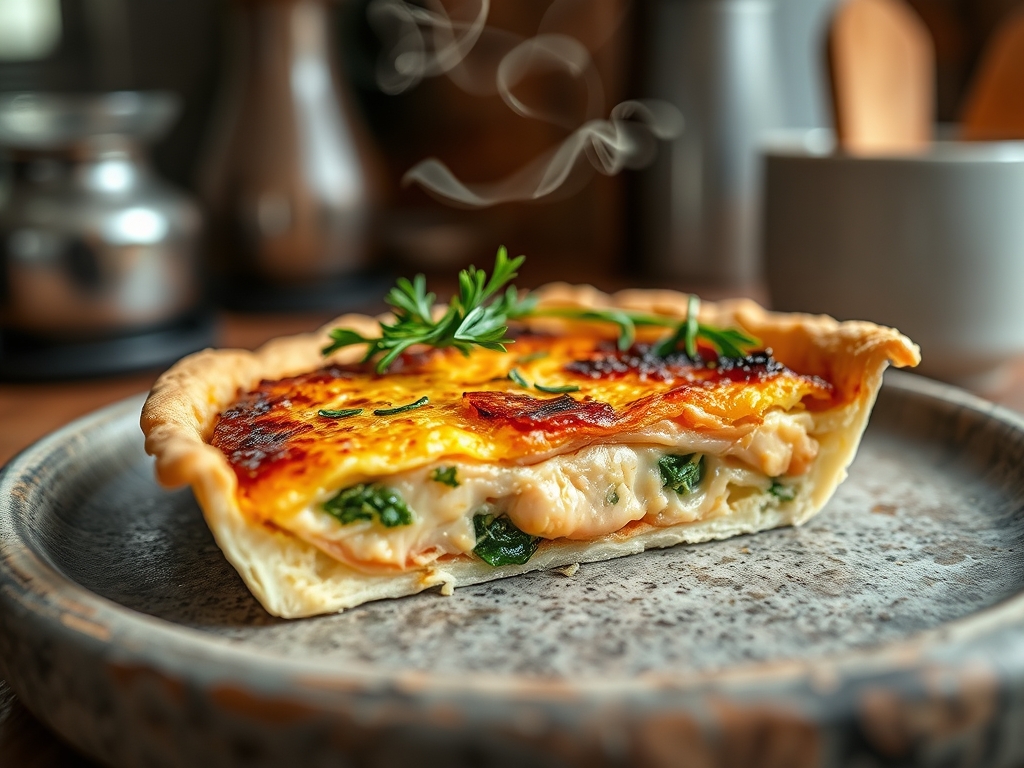
Imagine the gentle hiss of steam escaping a golden crust as you pull it from the oven. The air in your kitchen transforms; it is thick with the scent of salty brine, toasted butter, and the delicate, woody aroma of cold-smoked fish. When it comes to smoked salmon recipes quiche, the goal is a texture that sits somewhere between a cloud and a silk ribbon. We are moving far beyond the rubbery, overbaked pies of brunch buffets past. We are aiming for a custard so delicate it barely holds its shape, punctuated by the bold, piquant punch of premium seafood. This is not just breakfast; it is a masterclass in moisture management and lipid emulsification.
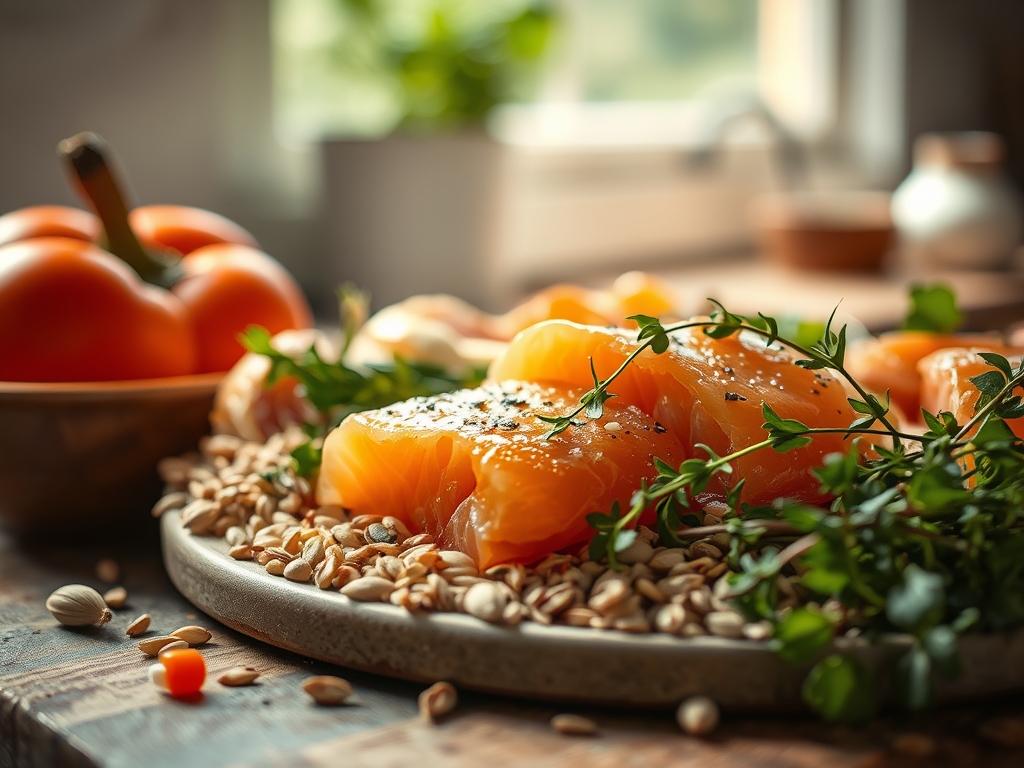
The Gathers:
To achieve a professional result, your mise-en-place must be precise. Use a digital scale for your dry ingredients; volume measurements are the enemy of a flaky crust. You will need 200 grams of cold-smoked Atlantic salmon, which provides a high concentration of Omega-3 fatty acids and a dense, silky mouthfeel. For the custard, gather four large pasture-raised eggs and 1.5 cups of heavy cream. The high fat content in the cream is non-negotiable; it prevents the egg proteins from over-coagulating into a grainy mess.
Add 100 grams of Gruyere cheese for its nutty profile and superior melting point. You will also need fresh dill, a bunch of scallions, and a microplane to zest one organic lemon. This citrus addition provides the necessary acidity to cut through the heavy lipids of the salmon.
Smart Substitutions: If Gruyere is unavailable, use Comte or a sharp white cheddar. For a lighter custard, you can swap half the cream for whole milk, but be aware that the final texture will be less viscous. If you are avoiding gluten, a crust made from almond flour and cold butter provides a sturdy, savory alternative that mimics the structural integrity of traditional shortcrust.
The Clock
Efficiency in the kitchen is about "Chef's Flow," the art of overlapping tasks to maximize flavor development while minimizing downtime.
- Prep Time: 30 minutes. This includes chilling your dough (essential for gluten relaxation) and dicing your aromatics with a sharp chef's knife.
- Par-Baking: 15 minutes. Never skip this step. It creates a moisture barrier that prevents the dreaded "soggy bottom."
- Active Cooking: 35 to 40 minutes. This is when the Maillard reaction browns the crust while the custard sets.
- The Rest: 20 minutes. This is the most difficult but vital stage. Carryover cooking finishes the center without curdling the edges.
The Masterclass
1. The Perfect Shortcrust
Begin by cutting chilled, unsalted butter into your flour using a bench scraper. You want pea-sized lumps of fat. When these hit the hot oven, the water in the butter evaporates, creating tiny steam pockets that result in a flaky texture.
Pro Tip: This is known as lamination. By keeping the butter cold, you prevent it from melting into the flour prematurely, which would result in a tough, cracker-like crust.
2. The Blind Bake
Roll your dough and fit it into a tart pan. Line it with parchment and fill it with ceramic pie weights or dried beans. Bake at 375 degrees Fahrenheit until the edges are pale gold.
Pro Tip: This step utilizes starch gelatinization. Setting the crust's structure before adding the liquid filling ensures the base remains crisp and impermeable to the custard.
3. Sautéing the Aromatics
Use a heavy-bottomed skillet to gently wilt your scallions in a teaspoon of butter. Do not brown them; you want them translucent and sweet.
Pro Tip: This process is called sweating. It breaks down the tough cellulose in the vegetables and releases their natural sugars without the bitterness of caramelization.
4. The Custard Emulsion
In a saucier, whisk your eggs and cream until perfectly homogenous. Use a steady hand to avoid creating excess foam, which leads to unsightly bubbles on the surface.
Pro Tip: This creates a colloidal suspension. The fats in the cream surround the egg proteins, acting as a buffer that allows the custard to set into a smooth, gel-like state.
5. Layering the Flavors
Distribute your smoked salmon and Gruyere evenly across the bottom of the par-baked crust. Pour the custard over the top, ensuring the salmon pieces are partially submerged to prevent them from drying out.
Pro Tip: Placing the solids at the bottom prevents the "floating ingredient" syndrome. It ensures every bite has a balanced ratio of protein to custard.
6. The Low and Slow Bake
Lower your oven temperature to 325 degrees Fahrenheit. Slide the quiche onto the center rack. Bake until the edges are set but the center still has a slight, gelatinous jiggle.
Pro Tip: This prevents syneresis, or "weeping." If the eggs get too hot, the protein network tightens so much that it squeezes out the water, leaving you with a watery quiche.
The Deep Dive
Macro Nutrition: One slice of this quiche is a powerhouse of nutrition. It offers roughly 15 grams of high-quality protein and a significant dose of Vitamin D and B12 from the salmon. While it is calorie-dense due to the fats, these are primarily healthy fats that promote satiety and brain health.
Dietary Swaps: To make this Keto, simply ditch the crust and bake the filling in a well-greased ceramic dish. For a Vegan version, use a silken tofu and nutritional yeast base seasoned with "Kala Namak" (black salt) to mimic the sulfurous flavor of eggs. For a Gluten-Free option, use a blend of rice flour and potato starch for the crust.
The Fix-It:
- Watery Filling: Usually caused by overbaking. If this happens, serve it immediately; the liquid is just whey being expelled. Next time, use a digital thermometer to pull the quiche at 170 degrees Fahrenheit.
- Soggy Crust: You likely skipped the blind bake or didn't use enough fat. Brush the par-baked crust with a thin layer of beaten egg white to "seal" it before filling.
- Burnt Salmon: If the fish tastes bitter, it was exposed to direct heat for too long. Ensure it is tucked into the custard or covered by a thin layer of cheese.
Meal Prep: To reheat and maintain "day-one" quality, avoid the microwave. Use a toaster oven at 300 degrees Fahrenheit for 10 minutes. This restores the crispness of the crust while gently warming the interior through conductive heat.
The Wrap-Up
Mastering smoked salmon recipes quiche is about respecting the ingredients. When you balance the salty, smoky depths of the fish with the velvet luxury of a perfectly set custard, you create a dish that is both rustic and incredibly sophisticated. It is a testament to the science of heat and the beauty of high-quality fats. Now, grab your favorite brunch cocktail, slice into that golden crust, and enjoy the fruits of your culinary labor.
The Kitchen Table
Can I use lox instead of smoked salmon?
Yes, but be careful. Lox is salt-cured and not smoked, so the flavor profile will be much saltier. Reduce any additional salt in the custard to balance the seasoning and prevent an over-salted final product.
Why did my quiche puff up like a souffle?
You likely incorporated too much air when whisking the eggs. This causes the custard to rise and then collapse, leading to a wrinkled surface. Whisk gently and let the mixture sit for five minutes before pouring.
How long does smoked salmon quiche stay fresh?
Store it in an airtight container in the refrigerator for up to three days. For the best texture, do not freeze it; the freezing process breaks the delicate protein bonds in the custard, causing it to become grainy.
What is the best way to tell if it is done?
Use the "jiggle test." The edges should be firm to the touch, but the center two inches should wobble slightly like panna cotta. Carryover heat will finish the cooking process while the quiche rests on the counter.