
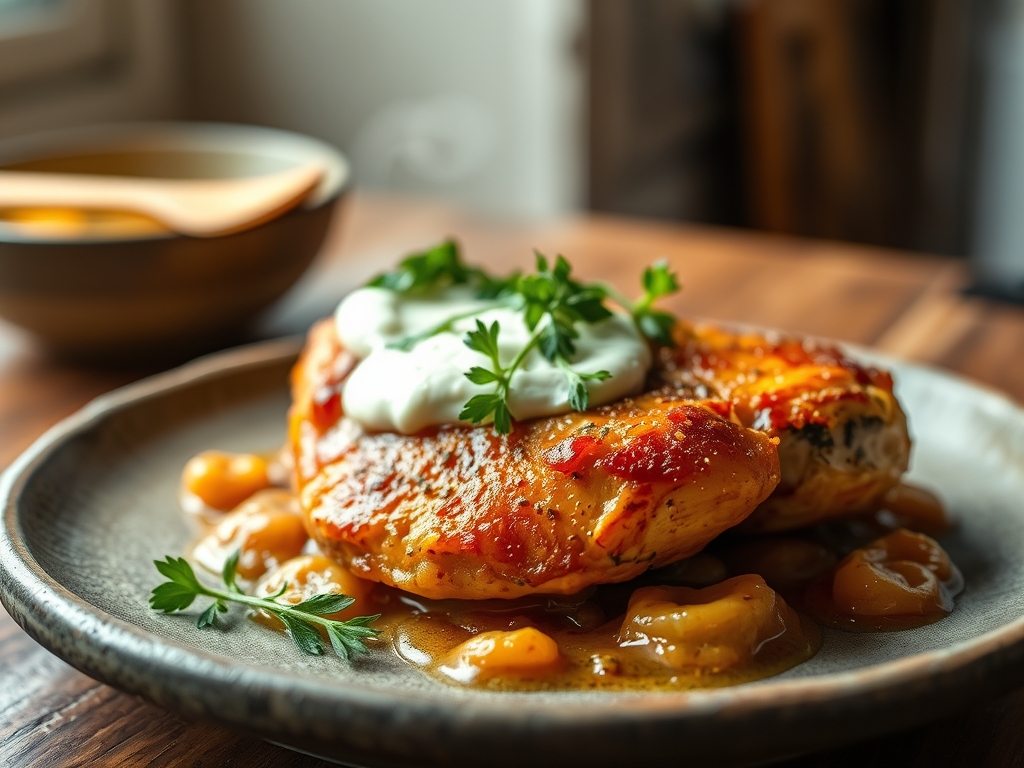
The glossy, lactic sheen of cream cheese melting into shredded chicken under low heat creates a sauce that clings without cloying, a phenomenon driven by casein proteins and butterfat stabilizing into an emulsion. This is the foundation of slow cooker chicken recipes with cream cheese, a technique that transforms humble poultry into something velvet and savory with almost zero active labor. Cream cheese brings tangy richness and body, while the slow cooker's gentle convection prevents curdling and keeps chicken breast tender instead of chalky. These seven variations span garlic herb, buffalo ranch, salsa verde, Italian tomato, bacon ranch, lemon pepper, and chipotle lime, each engineered for maximum flavor development with minimal intervention. The magic lies in timing, layering aromatics, and understanding how dairy fat behaves at 200°F.
The Gathers
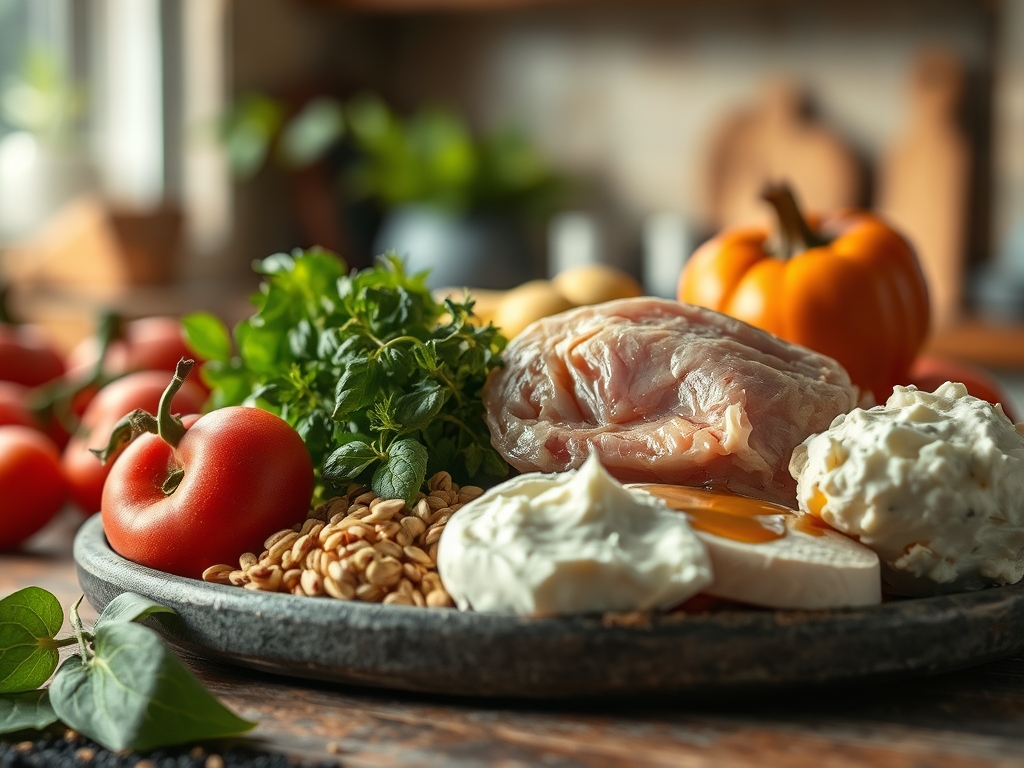
As you see in the ingredient spread below, the raw components are deceptively simple. Boneless, skinless chicken breasts (1.5 to 2 lbs) sit alongside 8 oz full-fat cream cheese (block, not whipped), garlic cloves (6 to 8, smashed), chicken stock (1 cup, low-sodium), and dry ranch seasoning (2 tablespoons). Fresh herbs, shredded cheddar, hot sauce, or salsa verde pivot the base recipe into entirely different flavor profiles.
Full-fat cream cheese is non-negotiable for proper emulsification. Low-fat versions contain gums that separate under prolonged heat. Chicken thighs can replace breasts; they self-baste and tolerate longer cook times without drying. Smart Substitutions: Greek yogurt mixed with a tablespoon of cornstarch mimics cream cheese's tang and body for a lighter version. Swap ranch powder for taco seasoning, Italian herbs, or Cajun blends to shift the entire dish. Bone broth adds collagen for a thicker sauce, and frozen chicken works if you add 60 minutes to the cook time.
The Clock
Total time: 4 hours, 20 minutes. Active prep: 10 minutes. Slow cook: 4 hours on low (or 2.5 hours on high). Finishing and shred: 10 minutes.
Chef's Flow: While the chicken cooks, prep side dishes or batch-cook grains. The slow cooker requires zero monitoring. In the final 10 minutes, shred the chicken directly in the insert using two forks, then stir in the cream cheese until it melts into the juices. This staged incorporation prevents grainy texture and ensures smooth emulsification.
The Masterclass
Step 1: Season and Layer
Pat chicken dry with paper towels, then season both sides with salt, black pepper, and your chosen spice blend. Arrange in a single layer at the bottom of the slow cooker insert. Chef's Secret: Dry protein surfaces brown better during any finishing step. Moisture is the enemy of the Maillard reaction. Why It Works: Even in a slow cooker, surface moisture dilutes flavor compounds and prevents caramelization if you later sear or broil.
Step 2: Build the Aromatics
Scatter smashed garlic, diced onion, or sliced bell peppers over the chicken. Pour stock around (not over) the meat to avoid washing off seasonings. Add a bay leaf or thyme sprigs for depth. Chef's Secret: Stock goes to the side so the chicken steams instead of poaches. This subtle distinction keeps texture firm. Why It Works: Direct liquid contact leaches flavor out of the protein; indirect steaming drives aromatics in.
Step 3: Slow Cook Uninterrupted
Cover and set to low for 4 hours. Do not lift the lid. Each peek drops internal temperature by 15 to 20°F and adds 20 minutes to cook time. Chef's Secret: Trust the process. Modern slow cookers maintain 190 to 210°F on low, the ideal range for collagen hydrolysis without toughening. Why It Works: Collagen converts to gelatin between 160 and 180°F over time, creating silky texture.
Step 4: Shred and Emulsify
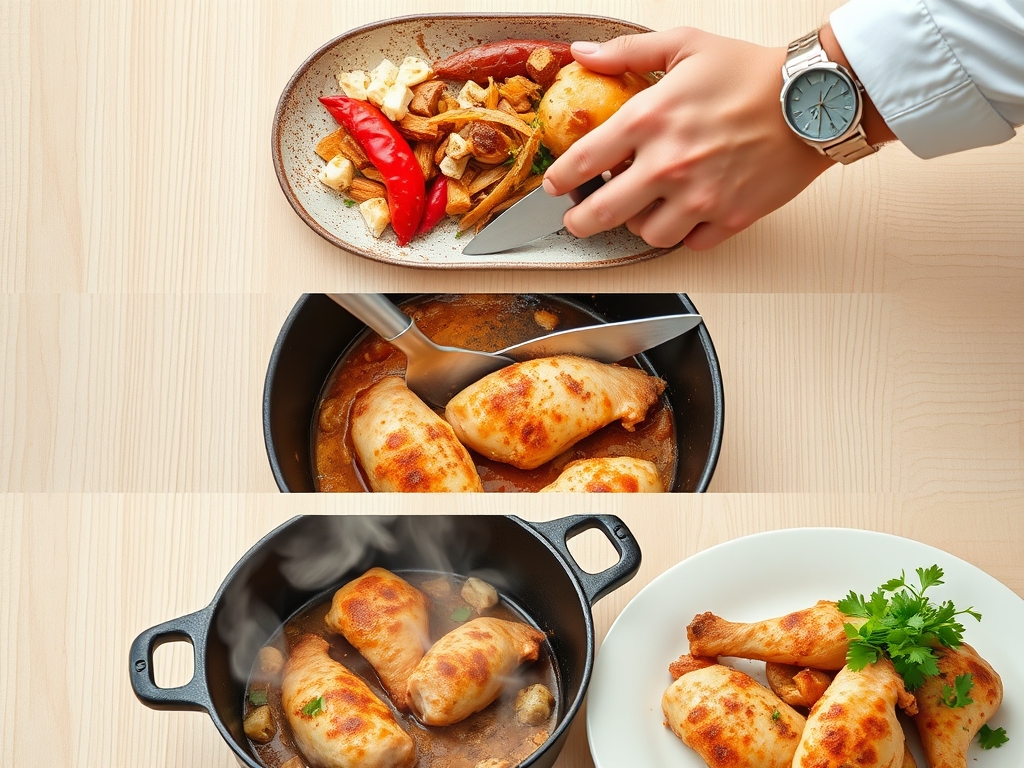
Note the texture shown in the step-by-step photos: the chicken should flake easily. Remove to a cutting board, shred with forks, then return to the insert. Cube the cream cheese and drop it into the hot liquid. Stir for 2 to 3 minutes until fully melted and glossy. Chef's Secret: Residual heat (around 200°F) melts cream cheese without curdling. Stirring creates shear force, binding fat and water into a stable emulsion. Why It Works: Casein micelles in cream cheese act as emulsifiers, wrapping fat droplets and suspending them in the aqueous phase.
Step 5: Adjust and Finish
Taste and adjust salt, acid (lemon juice or vinegar), or heat (hot sauce). For a thicker sauce, whisk in a cornstarch slurry (1 tablespoon cornstarch + 2 tablespoons cold water) and let it bubble on high for 5 minutes. Chef's Secret: Acid brightens dairy-heavy dishes, cutting through richness and amplifying savory notes. Why It Works: Acid shifts the pH, intensifying salt perception and balancing fat.
Nutritional Info
Per 1-cup serving (base recipe): 320 calories, 38g protein, 5g carbohydrates, 16g fat (9g saturated), 680mg sodium. Cream cheese contributes most of the saturated fat and sodium. Using chicken thighs raises fat to 22g but adds more iron and zinc. Greek yogurt swap reduces fat by 40% and adds probiotics.
Dietary Swaps
Keto: Replace stock with bone broth, skip cornstarch, and add extra butter or MCT oil for fat. Carbs stay under 3g per serving. Gluten-Free: Ensure ranch seasoning and stock are certified gluten-free; most store brands contain maltodextrin from wheat. Dairy-Free: Substitute cashew cream (soaked raw cashews blended with water) and nutritional yeast for tang. The sauce will be lighter but still creamy.
Serving & Presentation
Plating Idea 1: Spoon shredded chicken over cauliflower rice, garnish with microgreens and a drizzle of chili oil. The bright green and red contrast the creamy beige, and the oil adds a glossy finish. Plating Idea 2: Serve in butter lettuce cups with pickled red onion, diced avocado, and a sprinkle of cotija. The crisp lettuce provides textural contrast to the soft filling. Plating Idea 3: Layer over toasted ciabatta, top with arugula and balsamic reduction. The bread soaks up the sauce, and peppery arugula cuts the richness.
The Pro-Dodge
Pitfall 1: Watery sauce. Fix: After shredding, ladle out excess liquid before adding cream cheese. Or switch to high heat uncovered for 10 minutes to reduce. Pitfall 2: Grainy cream cheese. Fix: Never add cold cream cheese to simmering liquid. Cube it and let residual heat melt it slowly. Pitfall 3: Overcooked, stringy chicken. Fix: Check internal temperature at 3.5 hours. Pull at 165°F; carryover will bring it to 170°F.
The Meal Prep Corner
Store shredded chicken and sauce in airtight glass containers for up to 4 days. Reheat gently on the stovetop with a splash of stock to restore moisture; microwaving at 50% power in 60-second intervals prevents rubbery texture. Freeze portions in zip-top bags, pressing out air. Thaw overnight in the fridge. Day-one quality depends on not overheating during rewarming, which breaks the emulsion and releases fat.
The Wrap-Up
Slow cooker chicken recipes with cream cheese strip away kitchen stress while delivering restaurant-level flavor through smart layering and emulsification science. Whether you lean into buffalo heat, Italian herbaceousness, or smoky chipotle, the blueprint stays the same: dry protein, staged aromatics, low-and-slow collagen conversion, and final dairy integration. Try one variation this week, then share your spin in the comments. Which flavor profile are you testing first?
The Kitchen Table
Can I use frozen chicken? Yes, but add 60 to 90 minutes to the cook time and start on high for the first hour to reach safe temperatures faster. Internal temp must hit 165°F.
Why does my cream cheese look curdled? You added it too early or the heat was too high. Stir in off-heat or on warm setting, never on high. Whisk vigorously to re-emulsify.
What's the best cream cheese brand? Full-fat Philadelphia or store-brand blocks work equally well. Avoid whipped or flavored varieties; they contain stabilizers that behave unpredictably under heat.
Can I double the recipe? Only if your slow cooker is 6 quarts or larger. Overcrowding prevents even heat distribution and extends cook time unpredictably.
How do I make the sauce thicker without cornstarch? Reduce the liquid on high heat uncovered, or stir in shredded cheese (cheddar, Monterey Jack) which melts and thickens simultaneously.